
Follow Me On Social Media!

Venison Tenderloin with Blackberry Pan Sauce – Elegant Wild Game Dinner.

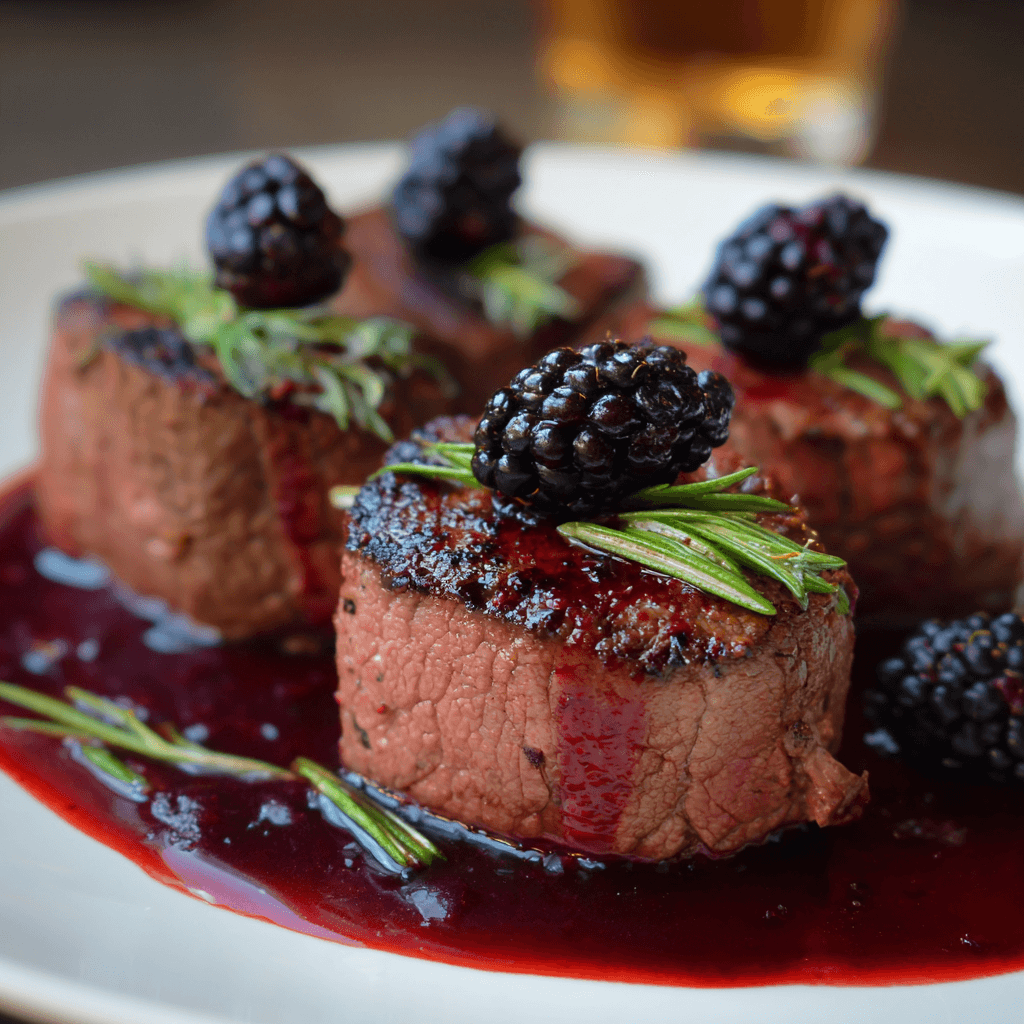
The first time I cooked venison, I was terrified of ruining it. A friend had gifted me fresh tenderloin from his hunting trip, and I knew this wasn’t something I could mess up and just order more from the grocery store. After hours of research and one perfectly seared, medium-rare tenderloin with a blackberry pan sauce, I understood why people get so excited about cooking wild game.
Venison tenderloin is one of the most tender, flavorful cuts of wild game you can cook, and when paired with a sweet-tart blackberry pan sauce, it becomes something truly restaurant-worthy. The lean, rich meat has a deeper flavor than beef without being gamey, and the fruit-based sauce complements it in a way that feels both rustic and refined.
This recipe works whether you’re cooking for hunters in your family, trying venison for the first time, or planning an elegant dinner party that needs a wow factor. The technique is straightforward, the cooking time is quick, and the results look and taste like you spent all day in the kitchen.
Ingredients
For the Venison Tenderloin:
- 1.5 to 2 pounds venison tenderloin, cleaned and trimmed
- 2 tablespoons olive oil
- 2 tablespoons butter
- 3 sprigs fresh thyme
- 3 sprigs fresh rosemary
- 4 cloves garlic, smashed
- Salt and black pepper to taste
For the Blackberry Pan Sauce:
- 1 shallot, finely minced
- 2 cloves garlic, minced
- 1 cup fresh blackberries (or frozen, thawed)
- 1/2 cup red wine (something you’d drink, like Pinot Noir or Merlot)
- 1 cup beef or game stock
- 2 tablespoons balsamic vinegar
- 2 tablespoons honey
- 1 tablespoon Dijon mustard
- 1 sprig fresh thyme
- 2 tablespoons cold butter, cut into cubes
- Salt and black pepper to taste
For Serving:
- Fresh blackberries
- Fresh thyme leaves
- Flaky sea salt
Instructions
Remove your venison tenderloin from the refrigerator 30-45 minutes before cooking. This is crucial with wild game – cooking it straight from cold results in uneven cooking and toughness. Pat the meat completely dry with paper towels. Any surface moisture will prevent proper browning.
Examine your tenderloin carefully and trim away any silver skin or connective tissue. This thin, silvery membrane doesn’t break down during cooking and creates chewy spots. Use a sharp knife and slide it under the silver skin at a shallow angle, working slowly to remove it without taking too much meat.
Season the tenderloin generously on all sides with salt and black pepper. Don’t be shy here – proper seasoning makes a significant difference with lean game meat. Press the seasoning into the surface.
Preheat your oven to 400°F. Heat a large, oven-safe skillet (cast iron works beautifully) over medium-high heat. Add the olive oil and let it heat until it shimmers but doesn’t smoke.
Carefully place the venison in the hot skillet. You should hear an immediate sizzle. Sear without moving it for 3-4 minutes until a deep brown crust forms. Resist the urge to fiddle with it – good crust development needs time and contact. Using tongs, rotate the tenderloin and sear all sides until evenly browned, about 10-12 minutes total for the entire exterior.
Add the butter to the pan along with the smashed garlic cloves, thyme sprigs, and rosemary sprigs. As the butter melts and foams, tilt the pan slightly and use a spoon to baste the venison continuously with the herb-infused butter. This adds flavor and helps create a beautiful exterior.
Transfer the entire skillet to the preheated oven. Roast for 8-12 minutes, depending on thickness, until an instant-read thermometer inserted into the thickest part reads 125-130°F for medium-rare. This is the ideal doneness for venison – any more and it becomes dry and tough due to its extremely lean nature.
Remove the skillet from the oven and transfer the venison to a cutting board. Tent it loosely with foil and let it rest for 10 minutes. This resting period is mandatory, not optional. The juices redistribute, and the temperature will rise another 5 degrees.
While the meat rests, make your blackberry pan sauce. Pour off most of the fat from the skillet, leaving about a tablespoon along with all those browned bits. Place the skillet over medium heat and add the minced shallot. Cook for 2-3 minutes until softened and fragrant, stirring to scrape up the fond.
Add the minced garlic and cook for 30 seconds. Pour in the red wine and let it bubble vigorously, using your wooden spoon to really scrape up all the caramelized bits from the bottom. Let the wine reduce by half, about 3-4 minutes.
Add the blackberries, beef stock, balsamic vinegar, honey, Dijon mustard, and thyme sprig. Bring to a simmer and cook for 5-7 minutes, stirring occasionally. Use the back of your spoon or a potato masher to gently crush some of the blackberries, releasing their juices and creating a thicker sauce. Leave some berries whole for texture.
When the sauce has reduced and thickened enough to coat the back of a spoon, remove it from heat. Discard the thyme sprig. Stir in the cold butter cubes one at a time, swirling the pan to emulsify them into the sauce. This creates a glossy, velvety texture and rounds out the flavors. Taste and adjust seasoning with salt and pepper.
Slice the venison tenderloin into medallions about 3/4 inch thick, cutting against the grain. Arrange on a serving platter or individual plates, spoon the blackberry pan sauce over and around the meat, and garnish with fresh blackberries, thyme leaves, and a sprinkle of flaky sea salt.
Flavor & Texture Notes
Venison tenderloin has a texture similar to beef tenderloin but with a firmer bite and denser feel. When cooked to medium-rare, it’s incredibly tender with a slight resistance that makes each bite satisfying. The meat is deep burgundy-red with a lean, clean appearance.
The flavor profile is rich and complex – more intense than beef but not overwhelmingly wild or gamey if the meat was properly handled. There’s an earthy, almost mineral quality paired with subtle sweetness. The herbs and butter from the searing process add aromatic notes that complement rather than mask the natural taste.
The blackberry pan sauce is a study in balance. The blackberries provide bright, tart fruitiness with natural sweetness that intensifies as they cook down. The red wine adds depth and subtle tannins, while the balsamic vinegar contributes acidity and a hint of complexity. The beef stock brings savory umami that prevents the sauce from being too sweet.
Honey rounds out any sharp edges, and the Dijon mustard adds just enough tang to keep everything interesting. The butter finish creates silky richness that makes the sauce cling to the meat perfectly. The whole berries that remain intact provide little bursts of fresh fruit flavor.
Together, the lean, richly flavored venison and the sweet-savory sauce create a sophisticated combination. The fruit cuts through the intensity of the game meat, while the meat’s bold flavor stands up to the pronounced sauce. Each element enhances the other without competing.
Tips & Variations
The single most important factor in cooking venison is not overcooking it. Wild game is extremely lean with virtually no marbling, so it goes from perfect to dry and tough very quickly. Invest in an instant-read thermometer if you don’t have one. Pull it at 125-130°F, no higher.
If you can’t find venison tenderloin, this recipe works beautifully with beef tenderloin, elk, or even duck breast. Adjust cooking times slightly based on thickness. Pork tenderloin is another option, though it needs to reach 145°F for safety.
For the sauce, any dark berry works when blackberries aren’t available. Try blueberries, raspberries, or a combination. Cherries create a more classic French-inspired sauce. Frozen berries work fine – just thaw them first and drain any excess liquid.
The red wine should be something you’d actually enjoy drinking. Avoid cooking wines, which are loaded with salt and taste terrible. A fruit-forward Pinot Noir or medium-bodied Merlot works best. In a pinch, substitute with additional beef stock plus a tablespoon of red wine vinegar.
If your venison is particularly wild-tasting, marinate it for 2-4 hours before cooking. Use buttermilk, red wine, or a mixture of olive oil with fresh herbs. This tames any strong flavors.
For extra richness, wrap the venison in bacon before searing. The fat bastes the meat as it cooks, adding flavor and preventing dryness. Remove the bacon before slicing, or leave it on for presentation.
Add depth to the sauce by including a tablespoon of red currant jelly or pomegranate molasses. These traditional game accompaniments enhance the fruit flavor and add complexity.
Storage & Make-Ahead
Venison tenderloin is best enjoyed immediately after cooking, but properly stored leftovers can be quite good. Let the meat cool completely, then wrap tightly and refrigerate for up to 3 days. Slice it thin and serve cold over salads, or reheat gently in a low oven to avoid overcooking further.
The blackberry pan sauce can be made up to 2 days ahead. Store it in an airtight container in the refrigerator and reheat gently over low heat, whisking occasionally. You may need to add a splash of stock to thin it slightly as it thickens when cold.
For make-ahead dinner parties, sear the venison completely but skip the oven step. Let it cool, wrap well, and refrigerate for up to 24 hours. Finish it in the oven just before serving, adding a few extra minutes since it’s starting cold.
Raw venison tenderloin freezes exceptionally well. Wrap it tightly in plastic wrap, then again in heavy-duty foil or a freezer bag. It keeps for 6-9 months frozen. Thaw overnight in the refrigerator before cooking.
Don’t freeze the finished sauce – the berries break down further and the texture suffers. Make it fresh when possible.
Serving Suggestions
This elegant venison tenderloin deserves equally refined sides. Creamy mashed potatoes or celery root puree provide a smooth, rich base for the sauce. Roasted root vegetables like carrots, parsnips, and beets echo the earthy qualities of the game meat.
Sautéed wild mushrooms with thyme make an excellent companion, adding umami and woodsy flavors. Roasted Brussels sprouts with bacon, or green beans almondine keep things simple while adding color and texture.
For a special occasion, serve this with potato gratin, roasted asparagus, and a light arugula salad with lemon vinaigrette. The bright, peppery greens cut through the richness perfectly.
Wine pairing is important here. Stick with the same wine you used in the sauce, or try a fuller-bodied Pinot Noir that can handle both the game meat and fruit sauce. A good Syrah or Côtes du Rhône also works beautifully.
Presentation matters with a dish this elegant. Arrange sliced venison in a fan on warmed plates, spoon sauce over half the meat, and place sides thoughtfully around the protein. Fresh herbs and a few whole berries make it look magazine-worthy.
For a rustic presentation, serve family-style on a wooden cutting board with the sauce in a small pitcher alongside. Let guests help themselves, which feels more approachable for a wild game dinner.
FAQ
How do I know if my venison will taste gamey? Properly handled venison rarely tastes overwhelmingly gamey. The gamey flavor comes from improper field dressing, age of the animal, or diet. Tenderloin is the mildest cut regardless. If you’re concerned, soak it in buttermilk for a few hours before cooking to mellow any strong flavors.
Can I cook venison to medium or well-done? You can, but I strongly advise against it. Venison has almost no fat, so cooking past medium-rare makes it dry, tough, and chewy. If you’re uncomfortable with medium-rare, aim for medium (135°F) as the absolute maximum. Consider trying a fattier cut like venison shoulder for stews if you prefer well-done meat.
What if I don’t have an oven-safe skillet? Sear the venison in your regular skillet, then transfer it to a baking sheet or roasting pan for the oven portion. You’ll miss out on some of the herb-butter basting, but it will still work. Just make sure to scrape up the fond from your searing pan when making the sauce.
The sauce seems too thin. How do I thicken it? Continue simmering to reduce it further – this concentrates flavors and thickens naturally. If you’re in a hurry, mix 1 teaspoon of cornstarch with 1 tablespoon of cold water and stir it into the simmering sauce. Let it cook for another minute. The butter finish also helps create body.
Can I grill venison tenderloin instead of using a skillet? Absolutely. Preheat your grill to high heat and oil the grates well. Sear the venison over direct heat, turning to brown all sides, then move it to indirect heat and close the lid. Cook until it reaches 125-130°F. Make the pan sauce in a skillet on the stovetop or side burner.
This venison tenderloin with blackberry pan sauce represents everything wild game cooking should be – respectful of the ingredient, elegant in execution, and absolutely worth the effort. Whether you’re cooking game for the first time or you’re a seasoned hunter looking to elevate your preparation, this recipe delivers a restaurant-quality result that showcases why venison deserves a place at your table. The combination of perfectly cooked tender meat and that bright, complex sauce creates a meal you’ll want to make whenever you have access to good venison.