
Follow Me On Social Media!

Veggie Fried Rice Recipe: Quick 30-Minute Dinner That Actually Tastes Better Than Takeout.

There’s something honest about fried rice. It doesn’t pretend to be fancy, but when you make it right at home, it beats restaurant versions every time. I started making veggie fried rice years ago when I needed something fast after work that didn’t involve a delivery app. What I discovered was that homemade fried rice gives you control over the vegetables, the oil, and most importantly, that perfect balance of savory and slightly smoky flavor that makes you go back for seconds.
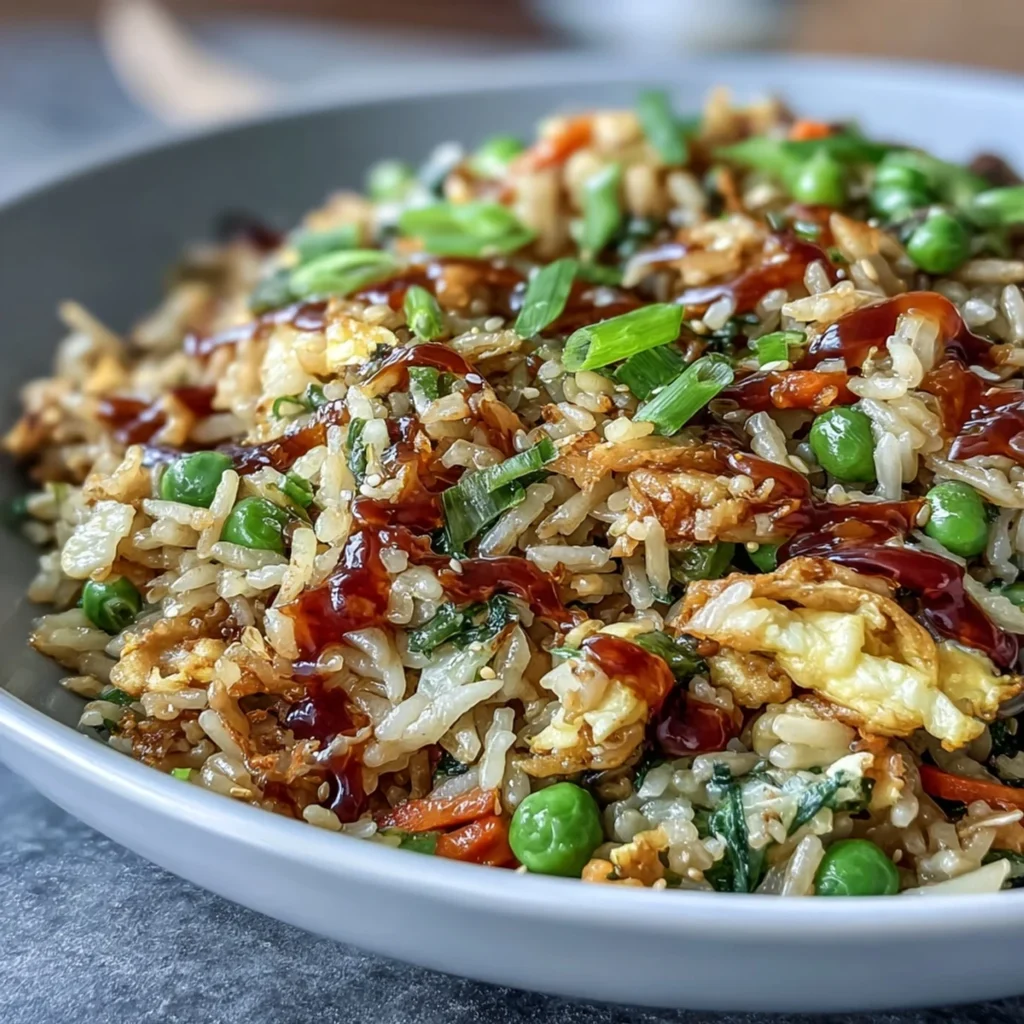
This vegetable fried rice recipe takes about 30 minutes from start to finish, and most of that time is just chopping vegetables. The actual cooking happens fast—really fast—which is how fried rice is supposed to work. You get crisp-tender vegetables, fluffy rice with a bit of char on the edges, and that restaurant-style taste that comes from high heat and the right technique. Whether you’re cooking for one or feeding a family, this recipe scales easily and uses ingredients you probably already have.
The best part? You can customize it completely. Got leftover vegetables in the fridge? Throw them in. Want it spicier? Add more heat. Prefer it simple? Keep it basic. This is the kind of recipe that gets better the more you make it because you’ll figure out exactly how you like it.
Ingredients
For the Rice:
- 3 cups cooked jasmine or long-grain white rice, preferably day-old and cold
- 3 tablespoons vegetable oil, divided
- 2 large eggs, lightly beaten
- 3 cloves garlic, minced
- 1 tablespoon fresh ginger, minced
- 1 cup carrots, diced small
- 1 cup frozen peas
- 1 cup corn kernels (fresh or frozen)
- 1 red bell pepper, diced
- 4 green onions, sliced (white and green parts separated)
- 1 cup cabbage, finely shredded
For the Sauce:
- 3 tablespoons soy sauce
- 1 tablespoon dark soy sauce (or regular soy sauce)
- 1 teaspoon sesame oil
- 1/2 teaspoon white pepper
- 1/4 teaspoon sugar
Optional Add-ins:
- 1/2 cup edamame
- 1/2 cup snap peas, sliced
- 1/2 teaspoon chili garlic sauce or sriracha
Instructions
Start by making sure your rice is cold. This is probably the most important step in fried rice. If you’re using fresh rice, spread it on a baking sheet and refrigerate it for at least an hour, or stick it in the freezer for 20 minutes. Cold rice separates easily and fries up instead of turning mushy. Break up any clumps with your hands before you start cooking.
Mix all your sauce ingredients in a small bowl and set it aside. Having everything ready before you turn on the heat makes the actual cooking process much smoother since things move quickly once you start.
Heat a large wok or the biggest skillet you own over high heat. Add one tablespoon of oil and swirl it around. Pour in the beaten eggs and let them sit for just a few seconds until they start to set on the bottom. Scramble them quickly, breaking them into small pieces. They should be just barely cooked—still a bit soft. Transfer them to a plate.
Add another tablespoon of oil to the same pan, still over high heat. Toss in the carrots first since they take the longest to cook. Stir-fry them for about two minutes until they start to soften but still have some bite. Add the bell pepper and the white parts of the green onions. Keep everything moving in the pan. After another minute or two, add the cabbage, peas, and corn. Stir-fry for another two minutes. The vegetables should be cooked but still crisp. If your pan seems dry, add a tiny splash of water rather than more oil—it creates steam and helps cook the vegetables faster.
Push all the vegetables to the sides of the pan, creating a well in the center. Add the remaining tablespoon of oil to that space. Drop in the minced garlic and ginger. Let them sizzle for about 15 seconds until fragrant. Now this is where it gets good—mix everything together, stirring the aromatics into the vegetables.
Add the cold rice to the pan. Break up any remaining clumps with your spatula. This part takes a little muscle. Press the rice against the hot pan, let it sit for a few seconds to get a little crispy, then toss it and press again. You want some of the rice to get that slightly charred, toasted quality. Keep doing this for about three to four minutes.
Pour the sauce mixture over the rice and toss everything together thoroughly. The rice should turn a light brown color from the soy sauce. Add the scrambled eggs back in, breaking them up a bit more if needed. Toss in the green parts of the green onions and give everything one final mix. Taste it and adjust the seasoning if needed—sometimes I add an extra splash of soy sauce or a pinch more white pepper.
Flavor & Texture Notes
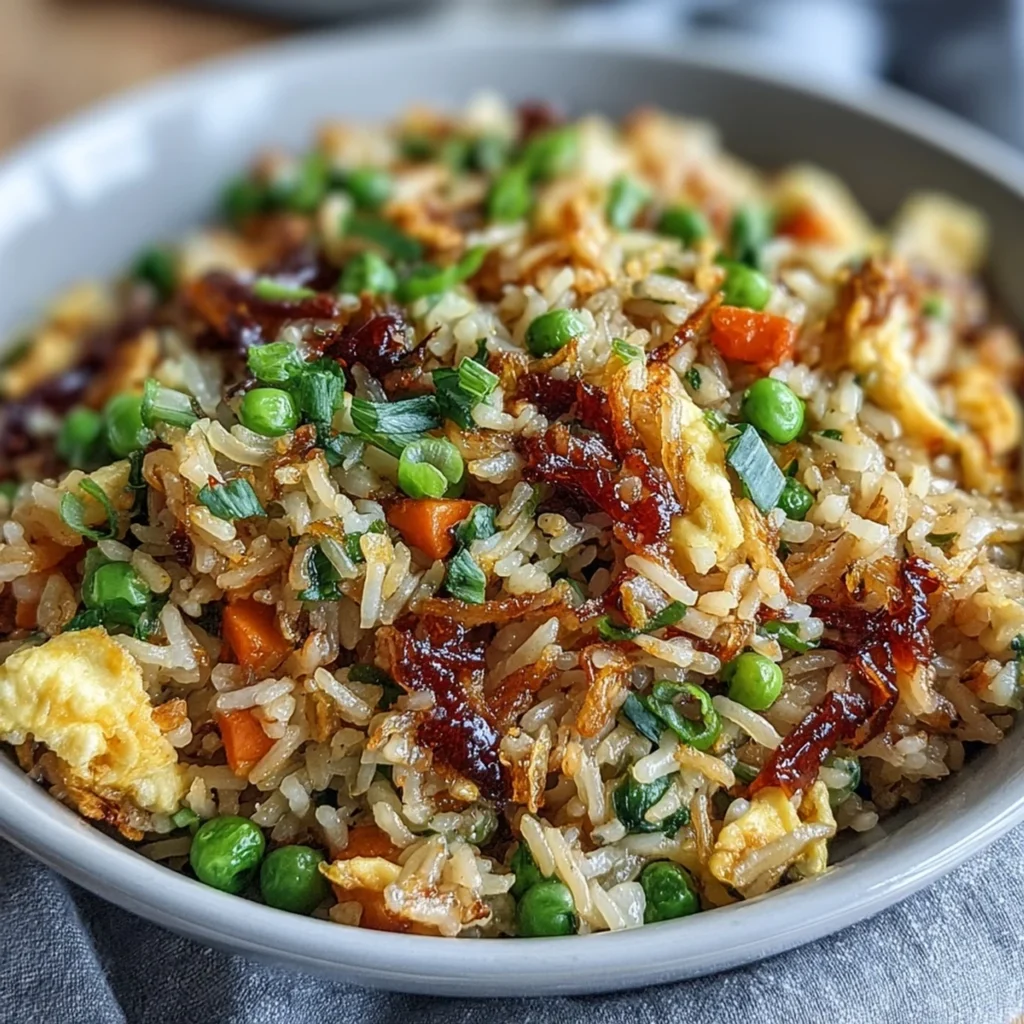
Good veggie fried rice has layers of texture that make it interesting to eat. The rice itself should be fluffy with some grains that have gotten a little crispy and golden on the outside. Those toasted bits add a subtle smokiness that you can’t get any other way. The vegetables stay crisp-tender, not soft or mushy. Carrots still have a slight crunch, bell peppers keep their structure, and the cabbage wilts just enough to be tender without losing its presence.
The flavor is savory and balanced, not salty or one-dimensional. You get the umami depth from the soy sauce, a hint of sweetness from the sugar and natural sweetness of the corn, and that distinctive aroma from the garlic and ginger that hits you right when you take a bite. The sesame oil adds a nutty finish, and the white pepper gives a gentle warmth that’s more subtle than black pepper. The eggs add richness and little pockets of soft texture that contrast nicely with the vegetables.
When you cook the rice properly with high heat, you get what people call “wok hei”—that breath of the wok flavor that makes restaurant fried rice taste the way it does. It’s a combination of the high heat, the slight char on the rice and vegetables, and the way the ingredients caramelize just a bit in the hot pan. It’s hard to describe but easy to recognize when you taste it.
Tips & Variations
Rice Matters: Day-old rice really is best. Fresh rice has too much moisture and will turn gummy. If you want to plan ahead, cook rice in the morning or even the night before and refrigerate it uncovered so it dries out a bit.
Vegetable Swaps: Use whatever vegetables you have. Broccoli florets, mushrooms, zucchini, snow peas, bean sprouts—they all work. Just pay attention to cooking times. Harder vegetables like broccoli go in first, softer ones like mushrooms or zucchini can go in later.
Protein Options: This is vegetarian as written, but you can easily add tofu, tempeh, or any cooked protein you like. Pan-fry cubed extra-firm tofu separately until crispy, then add it at the end. If you eat eggs but want more protein, use three or four eggs instead of two.
Make It Spicy: Add sliced fresh chilies with the garlic and ginger, or stir in chili garlic sauce or sriracha with the soy sauce. Start with a small amount and adjust to your taste.
Grain Alternatives: Brown rice works fine, though it has a chewier texture. Quinoa or cauliflower rice can substitute for a lower-carb version, but adjust cooking times since they handle heat differently than regular rice.
Sauce Adjustments: No dark soy sauce? Just use regular soy sauce—you’ll lose a little color depth but the flavor will still be good. For gluten-free fried rice, use tamari instead of soy sauce. If you prefer less sodium, use low-sodium soy sauce and adjust the amount to taste.
Storage & Make-Ahead
Veggie fried rice keeps well in the refrigerator for up to four days in an airtight container. The texture changes slightly—it won’t be as crispy—but it still tastes good. Reheat it in a hot skillet with a tiny bit of oil to bring back some of that fried texture, or microwave it if you’re in a hurry. Add a splash of water if it seems dry.
You can freeze fried rice for up to two months. Let it cool completely first, then pack it in freezer-safe containers or bags. Thaw it in the refrigerator overnight and reheat in a skillet. The vegetables will be softer after freezing, but it’s still convenient for quick meals.
For meal prep, you can chop all your vegetables ahead of time and store them in containers in the fridge. Mix your sauce in advance too. When you’re ready to cook, everything comes together in minutes. Some people even cook the rice days ahead specifically for making fried rice later in the week.
Serving Suggestions
Veggie fried rice works as a complete meal on its own, but it’s also great alongside other dishes. Serve it with spring rolls or dumplings for a more substantial dinner. It pairs well with simple steamed vegetables or a quick cucumber salad dressed with rice vinegar and sesame seeds.
For a bigger spread, serve it with miso soup or hot and sour soup. The fried rice is filling enough to be the main component, with the soup adding warmth and variety. If you want to add more protein, grilled or baked tofu on the side works perfectly. Teriyaki vegetables or stir-fried green beans also complement the flavors well.
Garnish options include extra sliced green onions, a sprinkle of sesame seeds, fresh cilantro, or a lime wedge on the side. A drizzle of extra sesame oil or a few drops of chili oil can add another flavor dimension right before serving. Some people like adding crispy fried garlic or shallots on top for extra crunch.
FAQ
Can I use brown rice instead of white rice? Yes, brown rice works in fried rice. It has a chewier texture and takes longer to cook initially, but once it’s cold, the process is the same. You might need to add a little extra oil or a splash of water while stir-frying since brown rice can be drier.
Why does my fried rice turn out mushy? This usually happens when the rice is too fresh and moist, or when the pan isn’t hot enough. Make sure you use cold, day-old rice and keep your heat high. Don’t overcrowd the pan either—if you’re making a large batch, cook it in two batches so the rice can actually fry instead of steam.
Can I make this without a wok? Absolutely. A large skillet or sauté pan works fine. The key is having enough surface area so the ingredients aren’t crowded. A wider pan gives you better results than a small, deep one. Cast iron skillets are especially good because they retain heat well.
What’s the difference between light and dark soy sauce? Light soy sauce is thinner and saltier—it’s what you use for seasoning. Dark soy sauce is thicker, slightly sweet, and less salty. It adds color and depth to fried rice. If you only have regular soy sauce, that’s fine. You might want to add a tiny bit of molasses or brown sugar to mimic the flavor of dark soy.
How do I prevent the vegetables from releasing too much water? Cook them over high heat and keep them moving. Don’t cover the pan, which traps steam. Pat frozen vegetables dry with a paper towel before adding them to the pan. If liquid does accumulate, tilt the pan and let it evaporate before adding the rice.
Conclusion
This veggie fried rice is one of those recipes that becomes part of your regular rotation once you make it a few times. It’s fast, flexible, and uses simple ingredients in a way that feels more special than the effort required. The technique matters more than fancy ingredients—high heat, cold rice, and keeping everything moving in the pan are what make it work.
Once you get the basic method down, you’ll start improvising based on what’s in your kitchen. That’s when it becomes your recipe, not just something you followed. Whether you’re making a quick weeknight dinner or using up leftover rice and vegetables, this is the kind of cooking that feels practical and satisfying at the same time. Give it a try, and you might find yourself making it more often than ordering takeout.