
Follow Me On Social Media!

Vegan Mushroom Stroganoff: A 50-Minute Creamy Comfort Meal.

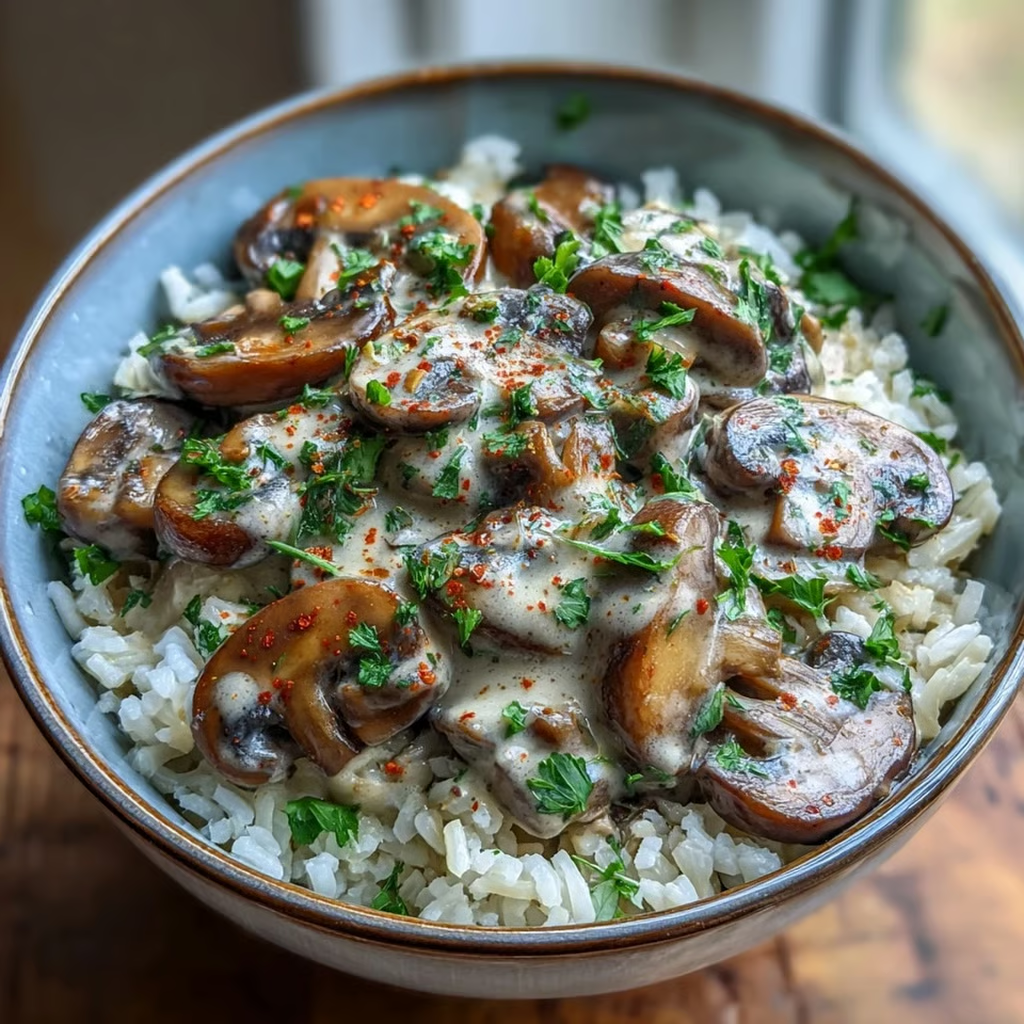
I’ll be honest—stroganoff wasn’t something I thought could work without dairy. Growing up, it was all about that heavy sour cream sauce coating tender beef. But when I started cooking for friends with different dietary needs, I realized mushrooms could do the heavy lifting here. They’ve got that meaty texture and earthy depth that makes this dish feel just as satisfying as the original, maybe even more so.
This vegan mushroom stroganoff comes together in about 50 minutes, which makes it perfect for weeknight cooking when you want something that feels special without the stress. The sauce gets its creaminess from cashews and a bit of plant-based milk, and there’s enough garlic and paprika to give it that classic stroganoff flavor profile. No weird aftertaste, no watery sauce—just a proper, stick-to-your-ribs meal that happens to be completely plant-based.
What really makes this recipe work is using a mix of mushrooms. I typically go with cremini and shiitake, but you can use whatever looks good at the store. The key is getting a good sear on them first, which concentrates their flavor and keeps them from getting soggy. Pair it with egg-free noodles or rice, and you’ve got a dinner that vegetarians, vegans, and mushroom lovers of all kinds will actually want seconds of.
Ingredients
For the stroganoff:
- 1 pound mixed mushrooms (cremini, shiitake, or button), sliced
- 2 tablespoons olive oil, divided
- 1 large yellow onion, thinly sliced
- 4 cloves garlic, minced
- 2 tablespoons tomato paste
- 1 tablespoon smoked paprika
- 1 teaspoon dried thyme
- 2 tablespoons all-purpose flour (or gluten-free flour blend)
- 2 cups vegetable broth
- 1 tablespoon soy sauce or tamari
- 1 tablespoon Dijon mustard
- ½ cup raw cashews, soaked in hot water for 15 minutes
- ¾ cup unsweetened plant-based milk (oat or soy work best)
- 2 tablespoons nutritional yeast
- Salt and black pepper to taste
- Fresh parsley, chopped, for garnish
For serving:
- 12 ounces wide egg-free noodles, cooked according to package directions
- Or 3 cups cooked rice or mashed potatoes
Instructions
Start by soaking your cashews in hot water. This softens them up so they blend into a completely smooth cream later. While they’re soaking, prep your mushrooms. Don’t wash them under running water—they’ll absorb it like sponges. Instead, wipe them clean with a damp paper towel. Slice them about ¼-inch thick so they cook evenly.
Heat 1 tablespoon of olive oil in a large, deep skillet over medium-high heat. Once it’s shimmering, add half the mushrooms in a single layer. This is important: don’t crowd the pan. You want them to brown, not steam. Let them sit undisturbed for about 3 minutes until they develop a golden-brown color on one side, then stir and cook another 2 minutes. Remove them to a plate and repeat with the remaining mushrooms and another splash of oil if needed.
Lower the heat to medium and add the remaining tablespoon of olive oil to the same skillet. Toss in your sliced onions with a pinch of salt. Cook them for about 8 minutes, stirring occasionally, until they’re soft and starting to turn golden at the edges. The salt helps draw out moisture and speeds up the cooking process.
Add the garlic, tomato paste, smoked paprika, and thyme to the onions. Stir everything together and cook for about 1 minute until the kitchen smells amazing. The tomato paste will darken slightly, which is exactly what you want—it’s caramelizing and adding depth to the sauce.
Sprinkle the flour over the onion mixture and stir it in. Let it cook for another minute to get rid of that raw flour taste. Now slowly pour in the vegetable broth while stirring constantly. This prevents lumps from forming. Add the soy sauce and Dijon mustard, then bring the whole thing to a gentle simmer. Let it bubble away for about 5 minutes until it thickens slightly.
While the sauce is simmering, drain your cashews and throw them in a blender with the plant-based milk and nutritional yeast. Blend on high for about 1 minute until it’s completely smooth and creamy. You shouldn’t see any cashew pieces at all.
Pour the cashew cream into the skillet and stir it into the sauce. Add the mushrooms back in along with any juices that collected on the plate. Stir everything together and let it simmer gently for another 5 minutes. The sauce will thicken up nicely and coat the mushrooms. Taste it and add salt and pepper as needed. I usually need about ½ teaspoon of salt and several good cracks of black pepper.
Serve the stroganoff over your cooked noodles, rice, or mashed potatoes. Finish with a generous handful of fresh parsley on top.
Flavor & Texture Notes
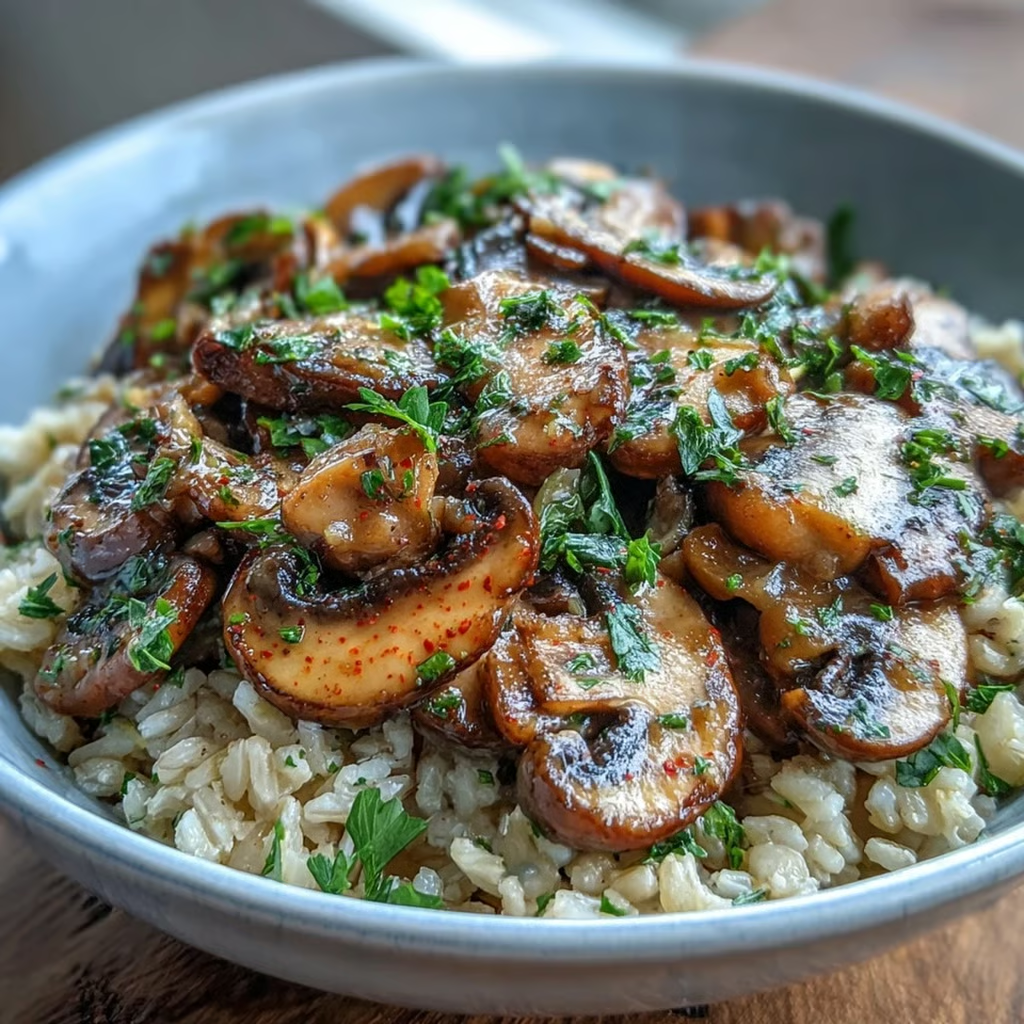
This stroganoff has a rich, savory quality that doesn’t feel like it’s missing anything. The mushrooms provide different textures—some pieces stay a bit firm and meaty, while others soften into the sauce. The cremini mushrooms give you that classic stroganoff earthiness, and if you use shiitakes, they add a deeper, almost smoky note.
The sauce itself is velvety without being heavy. It clings to the noodles the way a good stroganoff should, but you won’t feel weighed down after eating it. The cashew cream brings a subtle sweetness that balances the tanginess from the Dijon mustard and the umami punch from the soy sauce. The smoked paprika is what really ties it all together—it gives you that warm, slightly sweet pepper flavor that traditional stroganoff gets from sweet Hungarian paprika.
Texture-wise, you get a nice contrast between the tender mushrooms, the silky sauce, and whatever base you choose. Wide noodles are traditional and give you something substantial to twirl your fork around. The sauce pools in the center of each noodle, which is exactly what you want.
Tips & Variations
If you can’t find or don’t want to use cashews, sunflower seeds work as a substitute for a nut-free version. Soak and blend them the same way. The flavor will be slightly different but still creamy and good.
For a gluten-free version, use your preferred gluten-free flour blend for the roux and serve over rice or gluten-free pasta. Tamari instead of soy sauce keeps the seasoning gluten-free too.
Want more protein? Add a can of drained white beans or chickpeas when you return the mushrooms to the sauce. They’ll soak up the flavors and make the dish even more filling.
Fresh mushrooms make a difference here, but if you want to add dried porcini mushrooms for extra depth, rehydrate about ½ cup in hot water, chop them, and add them with the fresh mushrooms. Use the soaking liquid in place of some of the vegetable broth.
The smoked paprika is doing a lot of work here, but if you prefer a spicier kick, add ½ teaspoon of regular paprika and a pinch of cayenne pepper instead.
Some people like adding a splash of white wine when they add the broth. About ¼ cup works well if you want that extra layer of acidity. Let it reduce for a minute before adding the broth.
Storage & Make-Ahead
This stroganoff keeps well in an airtight container in the refrigerator for up to 4 days. The sauce may thicken as it sits, so when you reheat it, add a splash of vegetable broth or plant-based milk to loosen it up. Reheat gently on the stovetop over medium-low heat, stirring occasionally.
You can freeze the stroganoff for up to 3 months. Let it cool completely first, then transfer to freezer-safe containers. Thaw overnight in the refrigerator before reheating. The texture holds up surprisingly well—the cashew cream doesn’t separate like some plant-based sauces can.
If you’re meal-prepping, I’d suggest storing the stroganoff and noodles separately. The noodles can get mushy if they sit in the sauce for days. Cook fresh noodles or rice when you’re ready to eat, then heat the stroganoff and combine.
You can also prep components ahead. Slice the mushrooms and onions up to 2 days in advance and keep them in the fridge. The cashew cream can be made 3 days ahead and stored separately. When you’re ready to cook, everything comes together quickly.
Serving Suggestions
Wide egg-free noodles are the traditional choice, and they really do work best. Look for brands made with just flour and water, or ones made from chickpea or lentil flour if you want extra protein.
Mashed potatoes turn this into serious comfort food. The stroganoff acts almost like a gravy, and the combination is perfect for cold evenings.
Rice is the lighter option—I particularly like it over brown rice or a wild rice blend when I want something a bit nutty to contrast with the creamy sauce.
For sides, keep things simple and green. A crisp salad with a lemon vinaigrette cuts through the richness nicely. Roasted green beans or steamed broccoli work well too. Some crusty bread for soaking up extra sauce never hurts.
If you’re serving this for guests, consider setting up a little topping bar. Offer extra fresh parsley, some thinly sliced green onions, a sprinkle of extra nutritional yeast, or even some toasted pine nuts for crunch.
FAQ
Can I use a different type of plant-based milk? Yes, but stick with unsweetened, neutral-flavored options. Oat milk and soy milk work best because they’re creamy and don’t add any off flavors. Almond milk can work in a pinch, but avoid coconut milk—it’s too strong and will make the stroganoff taste tropical, which isn’t what you’re going for here.
Do I really need to soak the cashews? If you have a high-powered blender, you might get away with soaking them for just 10 minutes or even skipping the soak. But for most blenders, the 15-minute soak ensures you get a completely smooth, lump-free cream. It’s worth the wait.
Can I make this without nutritional yeast? You can, but the nutritional yeast adds a subtle cheesy, nutty flavor that really enhances the sauce. If you skip it, consider adding an extra teaspoon of Dijon mustard and maybe a squeeze of lemon juice to maintain that tanginess.
What if my sauce is too thick? Just thin it out with more vegetable broth or plant-based milk, adding a few tablespoons at a time until you reach the consistency you want. The sauce should coat the back of a spoon but still be pourable.
Can I use this sauce for other dishes? Absolutely. It works great as a gravy over baked potatoes, mixed into grain bowls, or even as a sauce for roasted vegetables. The flavor profile is versatile enough to adapt to different meals.
The best part about this vegan mushroom stroganoff is that it doesn’t feel like a substitution for anything—it’s just a genuinely good meal that happens to be plant-based. Whether you’re cooking for vegans, trying to eat less meat, or just looking for a new way to enjoy mushrooms, this one delivers. The 50-minute timeline includes everything from prep to plate, so you can have a proper, satisfying dinner without spending your whole evening in the kitchen. Give it a try on a night when you want something warming and filling. I think you’ll find yourself making it regularly.