
Follow Me On Social Media!

Smothered Chicken and Rice: The Southern Comfort Food That Cooks Itself.

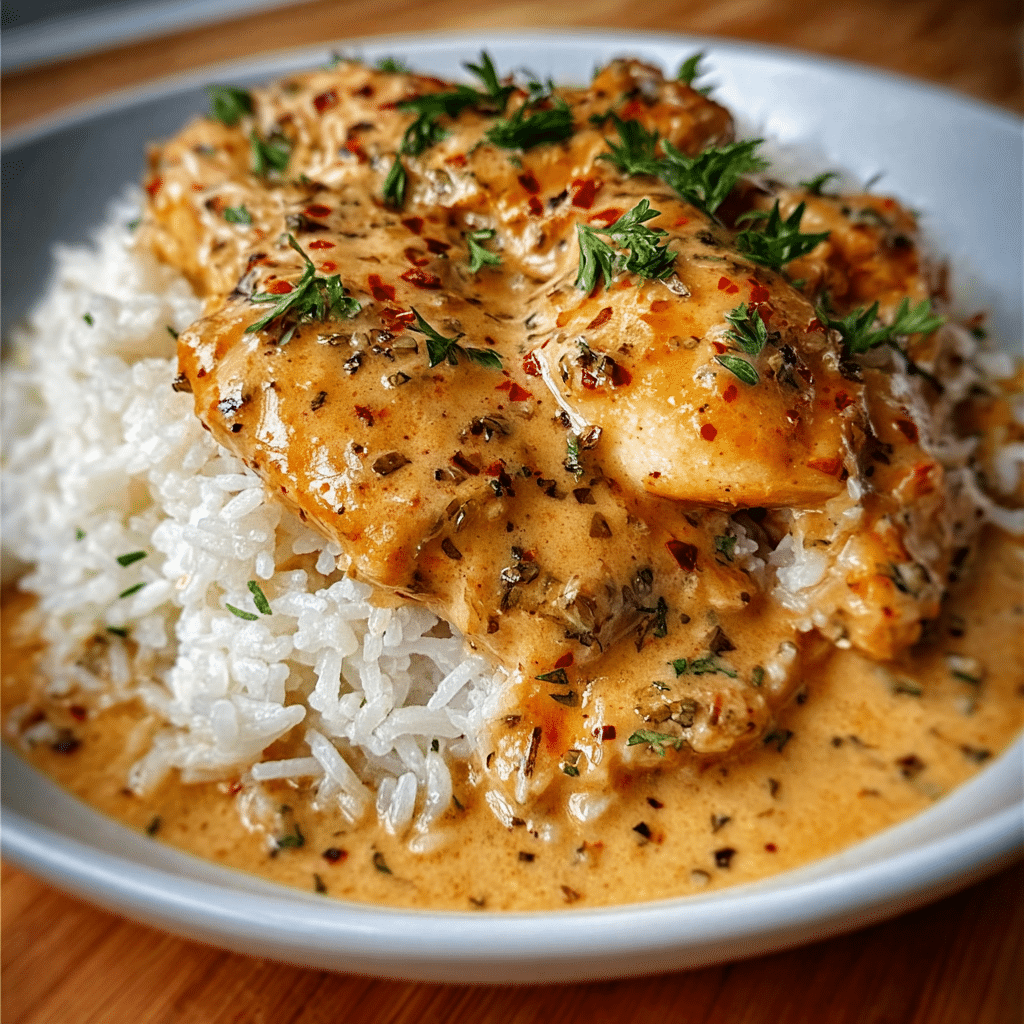
There’s something deeply comforting about walking into a kitchen where chicken is slowly simmering in its own rich gravy, filling the house with aromas that promise a satisfying meal ahead. This smothered chicken and rice recipe captures that exact feeling—it’s the kind of dish that turns any weeknight into something special, where tender chicken falls off the bone and creamy rice absorbs every drop of flavorful gravy.
I learned to make smothered chicken from my neighbor Mrs. Johnson, who had perfected her technique over decades of feeding her large family. She taught me that the secret isn’t in exotic spices or complicated techniques, but in patience and understanding how to build layers of flavor. The chicken gets dredged in seasoned flour, browned until golden, then slowly braised in a gravy that becomes richer and more complex as it cooks.
What makes this version special is how everything cooks together in one pot. The rice doesn’t just sit on the side—it becomes part of the dish, absorbing the chicken drippings and gravy to create something that’s part pilaf, part risotto, and completely satisfying. It’s the kind of meal that stretches easily to feed unexpected guests, uses simple ingredients you probably have on hand, and tastes even better as leftovers.
This smothered chicken and rice represents the best of Southern comfort food: honest ingredients treated with care, flavors that develop slowly, and a final result that feels like a warm hug on a plate. Whether you’re cooking for family dinner or meal prepping for the week, this recipe delivers the kind of deep satisfaction that only comes from food made with love and patience.
Ingredients
For the Chicken:
- 2 pounds bone-in chicken thighs and drumsticks (or 1 cut-up whole chicken)
- 1/2 cup all-purpose flour
- 2 teaspoons paprika
- 1 teaspoon garlic powder
- 1 teaspoon onion powder
- 1 teaspoon salt
- 1/2 teaspoon black pepper
- 1/4 teaspoon cayenne pepper
- 3 tablespoons vegetable oil
For the Rice and Gravy:
- 1 large yellow onion, thinly sliced
- 1 large bell pepper, cut into strips
- 3 cloves garlic, minced
- 3 tablespoons all-purpose flour (for gravy)
- 3 cups chicken broth
- 1 1/2 cups long-grain white rice
- 2 bay leaves
- 1 teaspoon dried thyme
- 1/2 teaspoon smoked paprika
- Salt and black pepper to taste
- 2 green onions, chopped (for garnish)
- Fresh parsley, chopped (for garnish)
Instructions
Start by preparing your chicken, which is the foundation of this entire dish. Pat each piece completely dry with paper towels—any moisture will prevent proper browning and create steam instead of that beautiful golden crust you’re after. In a shallow dish, combine the flour with paprika, garlic powder, onion powder, salt, pepper, and cayenne. This seasoned flour will not only coat the chicken but also help thicken the gravy later.
Dredge each piece of chicken in the seasoned flour mixture, pressing gently to ensure the coating adheres well. Shake off any excess flour, but don’t worry about getting every piece perfectly coated—a little unevenness adds character. Set the coated chicken on a plate while you heat your cooking vessel.
Choose a heavy-bottomed Dutch oven or large, deep skillet with a tight-fitting lid. Heat the vegetable oil over medium-high heat until it shimmers but doesn’t smoke. Working in batches to avoid overcrowding, brown the chicken pieces on all sides, about 4-5 minutes per side. The goal is a deep golden-brown color that will add incredible flavor to the final dish. Don’t rush this step—proper browning is what separates good smothered chicken from great smothered chicken.
Transfer the browned chicken to a plate, leaving behind all those beautiful browned bits in the pot. These fond bits are liquid gold for your gravy. Reduce the heat to medium and add the sliced onion and bell pepper to the same pot. Cook for 5-6 minutes, stirring occasionally, until the onion begins to soften and turn translucent. The vegetables will pick up some of that chicken flavor from the bottom of the pot.
Add the minced garlic and cook for another minute until fragrant. Sprinkle the 3 tablespoons of flour over the vegetables and stir constantly for 2-3 minutes. This creates a roux that will thicken your gravy and eliminate any raw flour taste. The mixture should turn slightly golden and smell nutty.
Gradually whisk in the chicken broth, scraping up all those browned bits from the bottom of the pot. The liquid will look lumpy at first, but keep whisking—it will smooth out. Add the bay leaves, thyme, and smoked paprika, then season with salt and pepper. Bring the mixture to a simmer.
Nestle the browned chicken pieces back into the pot, skin-side up if possible. The liquid should come about halfway up the chicken pieces—if it doesn’t, add a bit more broth or water. Cover the pot and reduce the heat to low. Let everything simmer gently for 30 minutes. This slow braising is what makes the chicken incredibly tender and infuses the gravy with deep flavor.
After 30 minutes, carefully remove the chicken pieces and set them aside temporarily. Stir the rice into the simmering gravy mixture, making sure all grains are coated and submerged. The rice will absorb the flavorful liquid as it cooks, becoming much more than just a side dish.
Return the chicken to the pot, nestling the pieces on top of the rice. Cover again and continue cooking for another 20-25 minutes, until the rice is tender and has absorbed most of the liquid. Resist the urge to lift the lid frequently—each peek releases steam and extends the cooking time.
Check for doneness by testing both the rice and chicken. The rice should be tender but not mushy, and the chicken should be fall-off-the-bone tender with an internal temperature of 165°F. If the rice needs more time but seems to be getting dry, add a bit more broth or water around the edges of the pot.
Flavor & Texture Notes
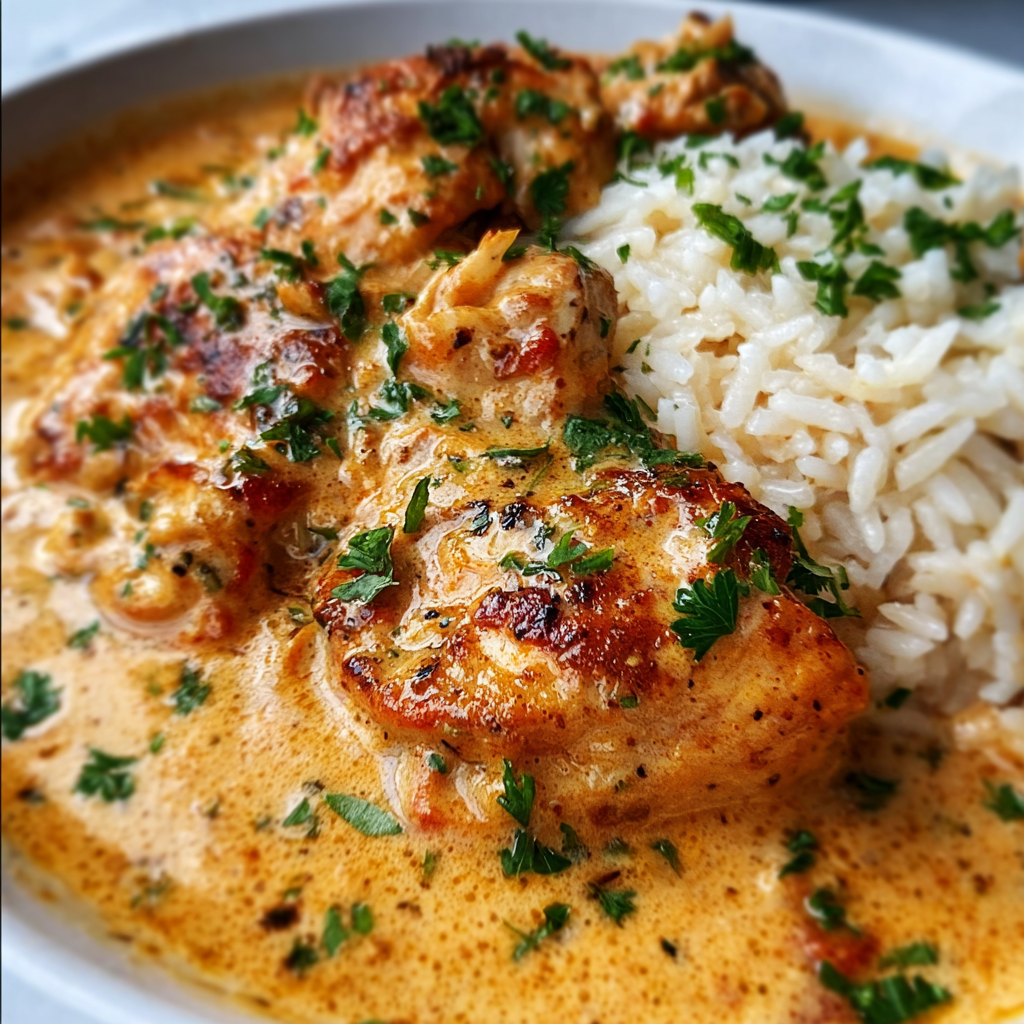
This smothered chicken and rice delivers comfort food at its finest. The chicken emerges incredibly tender, practically falling off the bone, with a rich, golden-brown exterior that’s developed deep flavors from the browning process. Each bite reveals layers of savory goodness—the initial seasoning from the flour coating, the complexity from slow braising, and the way the meat has absorbed the aromatic gravy.
The rice is far from ordinary. Instead of being a simple starch side, it becomes creamy and flavorful, having absorbed all the chicken drippings and seasoned broth. Each grain is separate but tender, with a texture that’s almost risotto-like in its richness. The vegetables add sweetness and depth—the onions become meltingly tender and sweet, while the bell peppers maintain just a bit of texture.
The gravy ties everything together with its velvety consistency and deep, savory flavor. It’s not thick like a heavy sauce, but substantial enough to coat the chicken and rice without being watery. The bay leaves and thyme add herbaceous notes that complement the smokiness from the paprika, while the garlic provides a subtle background warmth.
The overall experience is pure comfort—each forkful combines tender chicken, creamy rice, and rich gravy in perfect harmony. It’s the kind of dish that satisfies on multiple levels: the immediate pleasure of rich flavors, the comfort of familiar tastes, and the satisfaction of a meal that feels both nourishing and special.
Tips & Variations
Chicken Selection: Bone-in, skin-on pieces work best for this recipe because the bones add flavor to the braising liquid while the skin helps keep the meat moist. If you prefer white meat, chicken breasts work too, but reduce the initial braising time to 20 minutes before adding the rice to prevent overcooking.
Rice Variations: Long-grain white rice is traditional, but brown rice can be substituted with adjustments. Add an extra 1/2 cup of liquid and increase the cooking time by 10-15 minutes. Jasmine rice creates a slightly more fragrant dish, while basmati adds a subtle nutty flavor.
Vegetable Additions: This recipe is endlessly adaptable. Try adding diced celery with the onions and peppers for classic Creole flavors, or include sliced mushrooms for earthiness. Okra, tomatoes, or even corn kernels can be stirred in during the last 10 minutes of cooking.
Spice Level: Adjust the heat by increasing the cayenne pepper in the flour mixture or adding a diced jalapeño with the other vegetables. For a smokier flavor without heat, increase the smoked paprika or add a few drops of liquid smoke to the broth.
Dairy Additions: Some cooks finish their smothered chicken with a splash of heavy cream or a pat of butter stirred in at the very end. This creates an even richer gravy, though it’s certainly not necessary for a delicious result.
Make It Lighter: To reduce the oil content, you can brown the chicken in a non-stick pan with less oil, or even skip the browning step entirely. The flavor won’t be quite as deep, but you’ll still have a satisfying meal with less fat.
Storage & Make-Ahead
This dish actually improves with time, making it perfect for meal prep or preparing ahead for busy weeknights. The flavors continue to meld and deepen as the dish sits, and the rice absorbs even more of the delicious gravy. Store covered in the refrigerator for up to 4 days.
When reheating, add a splash of chicken broth or water to prevent the rice from drying out. Reheat gently on the stovetop over low heat, stirring occasionally, or in a 325°F oven covered with foil. The microwave works in a pinch, but stir halfway through and add liquid as needed to maintain the proper consistency.
For longer storage, this dish freezes well for up to 3 months. Let it cool completely before transferring to freezer-safe containers, leaving some room for expansion. Thaw overnight in the refrigerator before reheating. The texture of the rice may change slightly after freezing, but the flavors remain excellent.
You can also prepare components ahead of time. Brown the chicken up to a day in advance and store it covered in the refrigerator. The vegetables can be chopped and stored separately. When ready to cook, simply proceed with the recipe from the point of cooking the vegetables.
Serving Suggestions
This smothered chicken and rice is a complete meal in itself, but a few simple additions can round out the plate beautifully. A side of steamed or sautéed greens—collard greens, green beans, or broccoli—adds color and balances the richness of the dish. The slight bitterness of greens provides a nice contrast to the savory, comforting flavors.
Cornbread is a natural pairing that soaks up any extra gravy wonderfully. Whether you prefer sweet or savory cornbread, its crumbly texture complements the creamy rice perfectly. Buttermilk biscuits work equally well and add an extra touch of Southern comfort.
For a lighter accompaniment, consider a simple cucumber and tomato salad dressed with vinegar and herbs. The acidity and freshness provide a palate cleanser between bites of the rich main dish. A crisp coleslaw also works well, adding crunch and acidity to balance the meal.
Serve the dish in wide, shallow bowls that allow you to appreciate all the components together. Garnish with chopped green onions and fresh parsley for color and a final burst of fresh flavor. Don’t forget to remove the bay leaves before serving—nobody wants to bite into one of those.
FAQ
Why did my chicken turn out tough? Tough chicken usually results from cooking at too high heat or not cooking long enough. Smothered chicken needs low, gentle heat and time for the collagen in the meat to break down into gelatin. Make sure your pot is just barely simmering, not boiling vigorously, and give it the full cooking time specified in the recipe.
My rice turned out mushy. What went wrong? Mushy rice typically happens when there’s too much liquid or the heat is too high. Make sure you’re using long-grain rice, which holds its shape better than short-grain varieties. Also, resist lifting the lid frequently during cooking—each peek releases steam and can throw off the liquid ratios.
Can I use boneless chicken for this recipe? Yes, but you’ll lose some flavor since bones contribute richness to the braising liquid. If using boneless thighs, reduce the initial braising time to 15-20 minutes before adding the rice. Boneless breasts cook even faster and may become dry, so watch them carefully and consider adding them later in the process.
The gravy seems too thin. How can I thicken it? If your gravy is too thin after cooking, you can thicken it by making a slurry with 1 tablespoon of flour mixed with 2 tablespoons of cold water. Stir this into the simmering gravy and cook for a few minutes until thickened. Alternatively, simmer uncovered for a few minutes to reduce and concentrate the liquid.
Can I make this in a slow cooker? While possible, you’ll miss out on the browning step that adds so much flavor. If using a slow cooker, brown the chicken in a skillet first, then transfer everything to the slow cooker. Cook on low for 4-6 hours, adding the rice during the last 1-2 hours of cooking. You may need to adjust the liquid amounts since slow cookers don’t allow evaporation.
There’s something magical about a dish that transforms simple ingredients into something that feels like a celebration of comfort and flavor. This smothered chicken and rice embodies everything wonderful about home cooking—the way patient technique can coax incredible flavor from humble ingredients, how the aroma alone can make a house feel like home, and how sharing a meal like this creates memories that last long after the last bite. Don’t be surprised if this becomes one of those recipes you find yourself craving on busy days and making for special occasions alike.