
Follow Me On Social Media!

Remi’s Ratatouille Soup: The French-Inspired Vegetable Soup That Warms from the Inside Out.

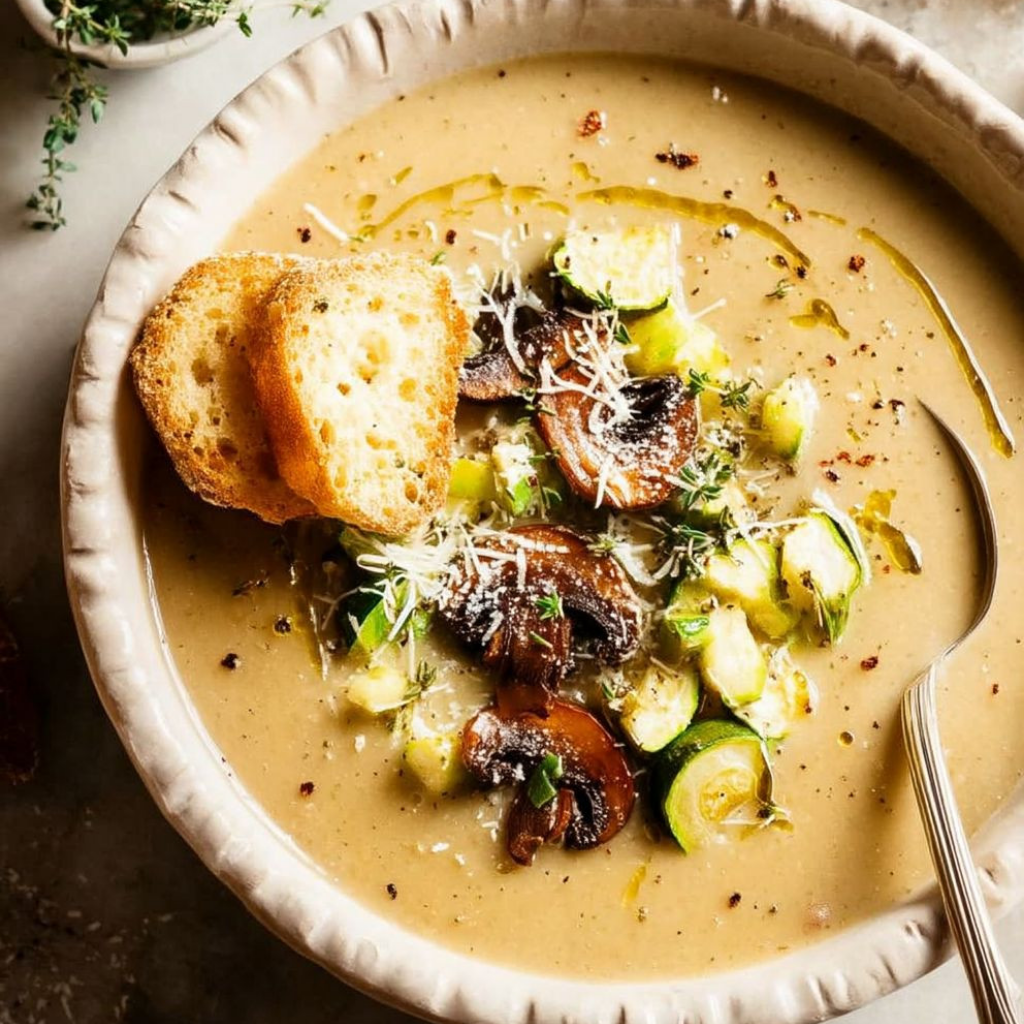
Sometimes the best recipes come from watching a beloved movie and thinking, “I need to eat that.” That’s exactly how this ratatouille soup was born. After watching Pixar’s Ratatouille for the hundredth time, I found myself craving those beautiful Provençal vegetables, but in a form that felt more practical for a weeknight dinner. The result is a soup that captures all the essence of traditional ratatouille—the eggplant, zucchini, bell peppers, and tomatoes—but transforms them into a comforting bowl that’s perfect for cooler weather.
What makes this ratatouille soup different from the classic layered vegetable dish is how the flavors meld together through gentle simmering. Each vegetable maintains its character while contributing to a rich, complex broth that tastes like summer in Provence. The technique of sautéing each vegetable separately before combining them ensures nothing gets mushy or loses its distinctive taste.
This recipe takes inspiration from both traditional French ratatouille and the hearty soups that warm you after a long day. It’s packed with vegetables, naturally vegan and gluten-free, and substantial enough to serve as a complete meal. The herbs—fresh basil, thyme, and a touch of oregano—transport you straight to the South of France, even if you’re eating it from your couch in sweatpants.
The beauty of this wholefood soulfood approach is that you’re getting pure vegetable goodness without any shortcuts or processed ingredients. Just honest, real food that happens to taste incredible and make your kitchen smell like a French countryside villa.
Ingredients
For the Soup Base:
- 3 tablespoons olive oil, divided
- 1 large onion, diced
- 4 cloves garlic, minced
- 1 medium eggplant (about 1 pound), cut into 1-inch cubes
- 2 medium zucchini, cut into half-moons
- 1 red bell pepper, diced
- 1 yellow bell pepper, diced
- 1 can (28 ounces) crushed tomatoes
- 2 cups vegetable broth
- 1 can (15 ounces) diced tomatoes with their juice
- 2 tablespoons tomato paste
- 1 teaspoon dried thyme
- 1 teaspoon dried oregano
- 1 bay leaf
- 1/2 teaspoon smoked paprika
- Salt and freshly ground black pepper to taste
For Finishing:
- 1/4 cup fresh basil leaves, torn
- 2 tablespoons fresh parsley, chopped
- 1 tablespoon balsamic vinegar
- Extra virgin olive oil for drizzling
Optional Toppings:
- Crusty bread for dipping
- Grated Parmesan or nutritional yeast
- Fresh herbs
- A dollop of pesto
Instructions
Start by preparing all your vegetables before you begin cooking. This French technique called mise en place makes the actual cooking process smooth and stress-free. Cut the eggplant into roughly 1-inch cubes and place them in a colander, sprinkling lightly with salt. Let them sit for about 15 minutes while you prep the other vegetables. This draws out excess moisture and any bitterness, resulting in better texture in your finished soup.
Heat 1 tablespoon of olive oil in a large, heavy-bottomed pot or Dutch oven over medium heat. Add the diced onion and cook for about 5 minutes, stirring occasionally, until it becomes soft and translucent. The onion forms the flavor foundation of your soup, so take your time with this step. Add the minced garlic and cook for another minute until fragrant, being careful not to let it brown.
Rinse the salted eggplant cubes and pat them dry with paper towels. Push the onion and garlic to the sides of the pot and add another tablespoon of olive oil to the center. Add the eggplant cubes and cook for 5-7 minutes, stirring occasionally, until they begin to soften and get some golden color on the edges. Eggplant acts like a sponge, so don’t worry if it seems to absorb all the oil—it will release moisture as it cooks.
Add the remaining tablespoon of olive oil along with the zucchini and bell peppers. Cook for another 5 minutes, stirring occasionally, allowing each vegetable to soften slightly while maintaining some structure. You want them to develop a bit of color but not become mushy.
Stir in the tomato paste and cook for about a minute, letting it caramelize slightly against the bottom of the pot. This deepens the tomato flavor and adds richness to your soup. Add the crushed tomatoes, diced tomatoes with their juice, vegetable broth, thyme, oregano, bay leaf, and smoked paprika. The smoked paprika adds a subtle depth that makes people wonder what your secret ingredient is.
Season generously with salt and pepper—vegetables need more seasoning than you think. Bring the soup to a boil, then reduce the heat to low and let it simmer gently for 25-30 minutes. This simmering time allows all the flavors to meld together while the vegetables become perfectly tender without falling apart.
After simmering, remove the bay leaf and taste your soup. This is the moment to adjust the seasoning. Add the balsamic vinegar, which brightens all the flavors and adds a subtle sweetness that balances the acidity of the tomatoes. Stir in the torn basil and chopped parsley, reserving some for garnish.
Flavor & Texture Notes
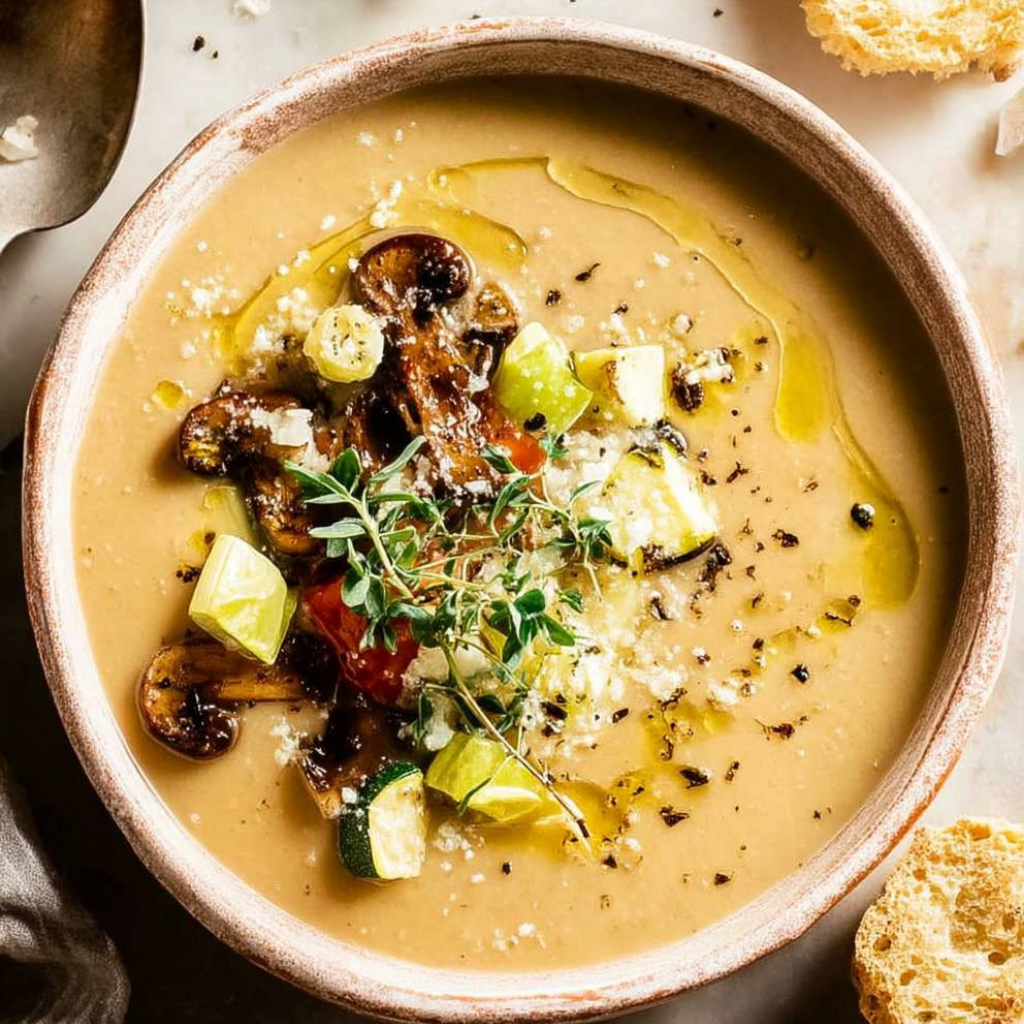
This ratatouille soup offers a beautiful balance of textures and flavors that evolve with each spoonful. The eggplant becomes silky and almost melts into the broth, adding body and a subtle earthiness. The zucchini maintains a slight bite, providing textural contrast against the softer vegetables.
The bell peppers contribute sweetness and a gentle crunch, while the tomato base creates a rich, slightly acidic broth that ties everything together. The herbs—thyme, oregano, and basil—provide that unmistakable Provençal character that makes you feel like you’re dining in the French countryside.
The smoked paprika adds an unexpected dimension of flavor that’s hard to pinpoint but essential to the soup’s depth. It creates a warmth that goes beyond simple heat, adding complexity without being obvious. The balsamic vinegar brightened finish ensures each bite feels complete and satisfying rather than one-dimensional.
The soup has enough body to feel substantial without being heavy. Each vegetable maintains its identity while contributing to a harmonious whole—exactly what great ratatouille should achieve. The broth itself becomes infused with all these flavors, making it just as important as the vegetables themselves.
Tips & Variations
Vegetable Substitutions: While the classic combination of eggplant, zucchini, and bell peppers is traditional, you can adapt based on what’s available. Summer squash works in place of zucchini, and you can add mushrooms for extra umami. Cherry tomatoes, halved and added near the end, provide bursts of fresh tomato flavor.
Texture Preferences: If you prefer a chunkier soup, cut your vegetables larger and reduce the simmering time to 20 minutes. For a more stew-like consistency, simmer longer until the vegetables break down further. You can also blend half the soup and mix it back in for a creamier texture while maintaining some chunks.
Protein Additions: While this soup is satisfying on its own, you can add white beans or chickpeas during the last 10 minutes of cooking for extra protein and heartiness. Cooked Italian sausage or ground turkey can be browned before adding the vegetables for a non-vegetarian version.
Herb Variations: Fresh herbs make a significant difference if you have them. Use fresh thyme and oregano instead of dried (triple the amount), and add fresh rosemary for a more rustic flavor profile. A handful of fresh spinach or arugula stirred in at the end adds nutrients and color.
Spice It Up: Add red pepper flakes with the garlic for gentle heat, or stir in a spoonful of harissa paste for North African-inspired warmth. A pinch of fennel seeds adds an interesting dimension that complements the Italian herbs.
Make It Heartier: Serve over cooked pasta, rice, or quinoa to transform the soup into an even more substantial meal. Pearl couscous is particularly good at soaking up the flavorful broth.
Storage & Make-Ahead
This ratatouille soup is one of those rare dishes that actually improves after a day in the refrigerator. The flavors continue to develop and meld, making it perfect for meal prep or batch cooking. Store in airtight containers in the refrigerator for up to 5 days, or freeze for up to 3 months.
When freezing, leave some headspace in your containers as the liquid will expand. The soup thaws beautifully and reheats well on the stovetop over medium-low heat. Add a splash of vegetable broth or water if it’s thickened too much during storage.
For best results when reheating, do it gently on the stovetop rather than in the microwave. This prevents the vegetables from becoming overly soft and maintains the soup’s texture. Add fresh herbs and a drizzle of good olive oil just before serving to brighten the flavors.
You can prep all the vegetables the night before and store them separately in the refrigerator, then cook the soup the next day. This makes it easier to get dinner on the table quickly when you’re short on time.
Serving Suggestions
This ratatouille soup is substantial enough to serve as a main course, especially when paired with crusty bread for dipping. A warm baguette or sourdough bread is perfect for soaking up every drop of the flavorful broth. Consider toasting the bread and rubbing it with a cut garlic clove for extra flavor.
For a more substantial meal, serve the soup over a base of cooked farro, brown rice, or pasta. The grains soak up the delicious broth while adding texture and making the meal even more filling. A simple arugula salad with lemon vinaigrette provides a nice peppery contrast to the sweet vegetables.
The soup looks beautiful served in wide, shallow bowls that showcase the colorful vegetables. Finish each serving with a drizzle of good extra virgin olive oil, a sprinkle of fresh herbs, and if you eat dairy, some shaved Parmesan cheese. For a vegan option, nutritional yeast provides a similar savory, cheesy flavor.
A glass of light red wine like Côtes du Rhône or a crisp rosé complements the Provençal flavors perfectly. For a non-alcoholic option, try sparkling water with a squeeze of lemon.
FAQ
Can I use frozen vegetables for this soup? Fresh vegetables work best because they maintain better texture and flavor. However, if you need to use frozen, choose individually quick-frozen (IQF) vegetables and add them directly to the soup without thawing. They’ll release more liquid, so you may need to reduce the amount of broth slightly or simmer longer to concentrate the flavors.
Why do I need to salt the eggplant before cooking? Salting eggplant serves two purposes: it draws out excess moisture that can make the soup watery, and it removes any potential bitterness. Modern eggplants are less bitter than older varieties, but salting still improves texture by preventing the eggplant from becoming too soft and mushy during the long simmer.
My soup tastes bland. What should I add? Vegetables need generous seasoning to shine. Add more salt gradually until the flavors pop—you’ll be surprised how much it needs. A splash of balsamic vinegar or lemon juice brightens everything. Make sure you’re using quality olive oil and fresh herbs, as these make a significant difference in the final flavor.
Can I make this in a slow cooker? Yes, though you’ll sacrifice some of the depth you get from sautéing vegetables individually. For best results, still sauté the onion, garlic, and eggplant first, then transfer everything to your slow cooker with the remaining ingredients. Cook on low for 6-8 hours or high for 3-4 hours. Add fresh herbs during the last 30 minutes.
How can I make this soup more filling? Add cooked white beans, chickpeas, or lentils for protein and substance. Serve over grains like quinoa or farro. You can also add small pasta shapes like ditalini or orzo during the last 10 minutes of cooking. A poached or soft-boiled egg on top adds richness and protein.
There’s something magical about a soup that transforms simple vegetables into something this satisfying and flavorful. This ratatouille soup proves that wholefood cooking doesn’t have to be boring or complicated—it just requires good ingredients, proper technique, and a little patience to let the flavors develop. Whether you’re a Ratatouille fan looking to recreate that movie magic or simply someone who wants a nourishing bowl of vegetables that actually tastes exciting, this recipe delivers. Make a big batch, and you’ll have the kind of leftovers that make you genuinely look forward to lunch.