
Follow Me On Social Media!

Quick Tilapia in Roasted Pepper Sauce: A Flavorful 20-Minute Weeknight Dinner.

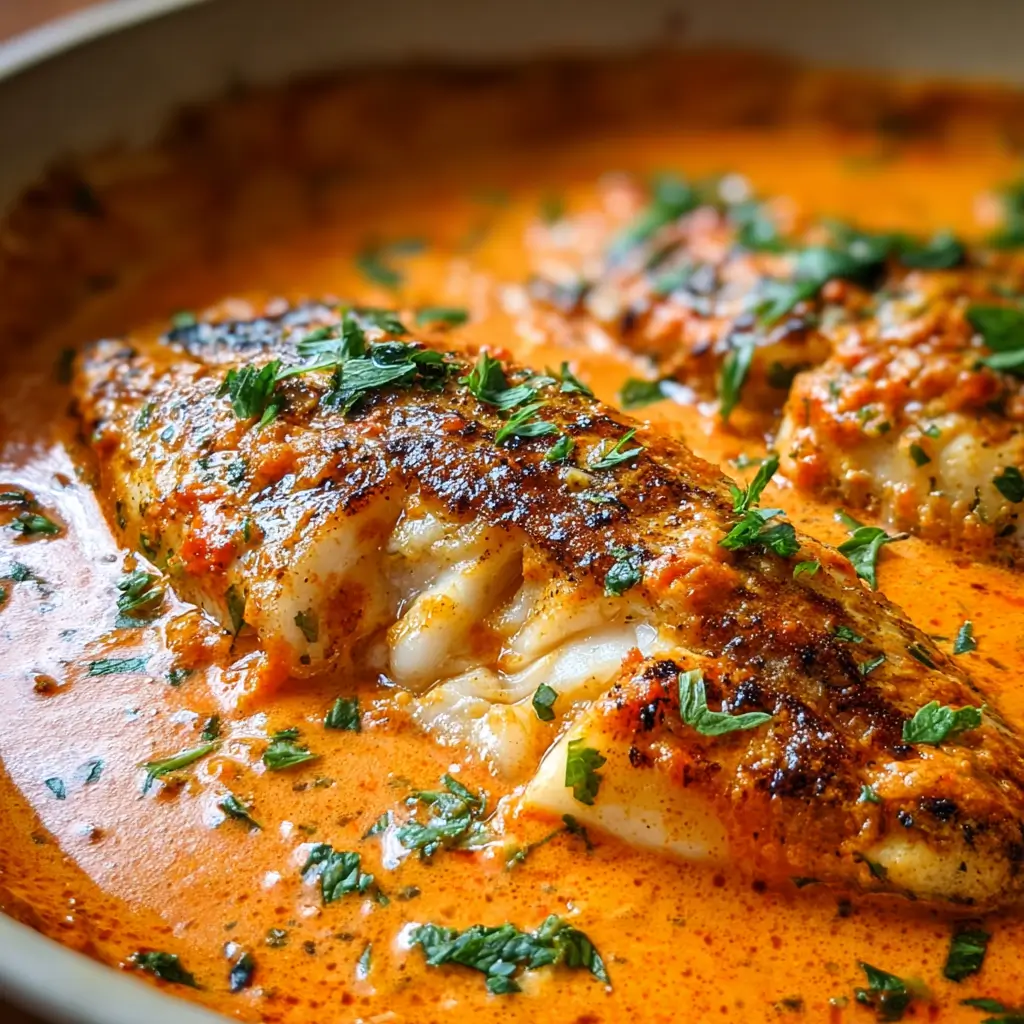
Tilapia gets a bad reputation for being bland, and I’ll be honest—I used to agree. Then I discovered that the problem wasn’t the fish itself, but how I was preparing it. This quick tilapia recipe with roasted pepper sauce changed everything. The mild flavor of tilapia turns out to be an asset when you pair it with something bold and vibrant, like this sweet and slightly smoky red pepper sauce.
I developed this recipe during a particularly hectic work week when I needed something healthy, fast, and interesting enough that I wouldn’t resort to takeout. The key was using jarred roasted red peppers, which give you all the flavor of home-roasted peppers without the time investment. Combined with garlic, a touch of cream, and fresh herbs, they create a sauce that tastes like you spent an hour in the kitchen when you really spent twenty minutes.
What makes this roasted pepper tilapia special is how the sauce transforms a simple piece of fish into something that feels restaurant-worthy. The peppers add sweetness and depth, the garlic provides aromatic punch, and a splash of cream ties everything together without making it heavy. The fish stays tender and flaky, soaking up the sauce while maintaining its delicate texture.
This tilapia recipe works perfectly for busy weeknights when you want real food without the fuss, or when you’re cooking for guests and need something impressive that won’t keep you trapped in the kitchen. It’s naturally gluten-free, can easily be made dairy-free, and pairs beautifully with everything from rice to crusty bread to simple roasted vegetables.
Ingredients
For the Fish:
- 4 tilapia fillets (about 6 ounces each)
- 1 tablespoon olive oil
- 1/2 teaspoon salt
- 1/4 teaspoon black pepper
- 1/2 teaspoon paprika
- 1/4 teaspoon garlic powder
For the Roasted Pepper Sauce:
- 1 jar (12 ounces) roasted red peppers, drained
- 3 cloves garlic, minced
- 2 tablespoons olive oil
- 1/4 cup heavy cream or coconut cream
- 1/2 cup chicken or vegetable broth
- 1 teaspoon tomato paste
- 1/2 teaspoon smoked paprika
- 1/4 teaspoon red pepper flakes (optional)
- Salt and black pepper to taste
- 1 tablespoon fresh basil or parsley, chopped
- 1 teaspoon lemon juice
Optional Garnishes:
- Fresh basil leaves
- Lemon wedges
- Grated Parmesan cheese
- Extra red pepper flakes
Instructions
Start by preparing the tilapia fillets, which cook quickly so you want everything ready to go. Pat the fish completely dry with paper towels—this is crucial for getting a nice sear and preventing the fish from steaming in its own moisture. Season both sides of each fillet with salt, pepper, paprika, and garlic powder. The paprika adds a subtle color and mild sweetness that complements the peppers beautifully.
While you season the fish, you can start the sauce since it takes just a few minutes to come together. Add the drained roasted red peppers to a blender or food processor. These jarred peppers are already cooked and tender, so they’ll puree into a smooth sauce with minimal effort. Blend until completely smooth—you’re looking for a texture like thick tomato sauce without any chunks.
Heat 2 tablespoons of olive oil in a large skillet over medium heat. Add the minced garlic and cook for about 30 seconds, stirring constantly, just until it becomes fragrant. Don’t let it brown or it will turn bitter. Immediately add the pureed roasted peppers to stop the garlic from cooking further.
Stir in the chicken broth, tomato paste, and smoked paprika. The tomato paste adds depth and helps thicken the sauce slightly, while the smoked paprika reinforces that roasted flavor. If you like some heat, add the red pepper flakes now. Let the sauce simmer for 2-3 minutes to allow the flavors to meld together.
Lower the heat and stir in the heavy cream, which gives the sauce a beautiful silky texture and mellows any sharpness from the peppers. Season with salt and pepper to taste. The sauce should coat the back of a spoon but still be pourable. If it’s too thick, add a splash more broth. Keep the sauce warm over very low heat while you cook the fish.
In a separate large skillet, heat 1 tablespoon of olive oil over medium-high heat until it shimmers. Carefully add the seasoned tilapia fillets, making sure not to overcrowd the pan. If your fillets are large, you might need to cook them in two batches. Let the fish cook undisturbed for 3-4 minutes on the first side. You’ll know it’s ready to flip when the edges turn opaque and the fish releases easily from the pan.
Gently flip each fillet and cook for another 2-3 minutes on the second side. Tilapia is done when it flakes easily with a fork and the internal temperature reaches 145°F. The fish should be opaque throughout with no translucent center. Be careful not to overcook it, as tilapia can become dry and tough when overdone.
Once the fish is cooked, you can either plate it and spoon the sauce over top, or for a more cohesive dish, carefully transfer the cooked fillets to the pan with the sauce. Let them nestle into the sauce for a minute, spooning some sauce over the top so the fish absorbs those flavors.
Finish with fresh lemon juice and chopped herbs stirred into the sauce. The lemon brightens everything and balances the richness of the cream. Serve immediately while the fish is hot and the sauce is velvety.
Flavor & Texture Notes
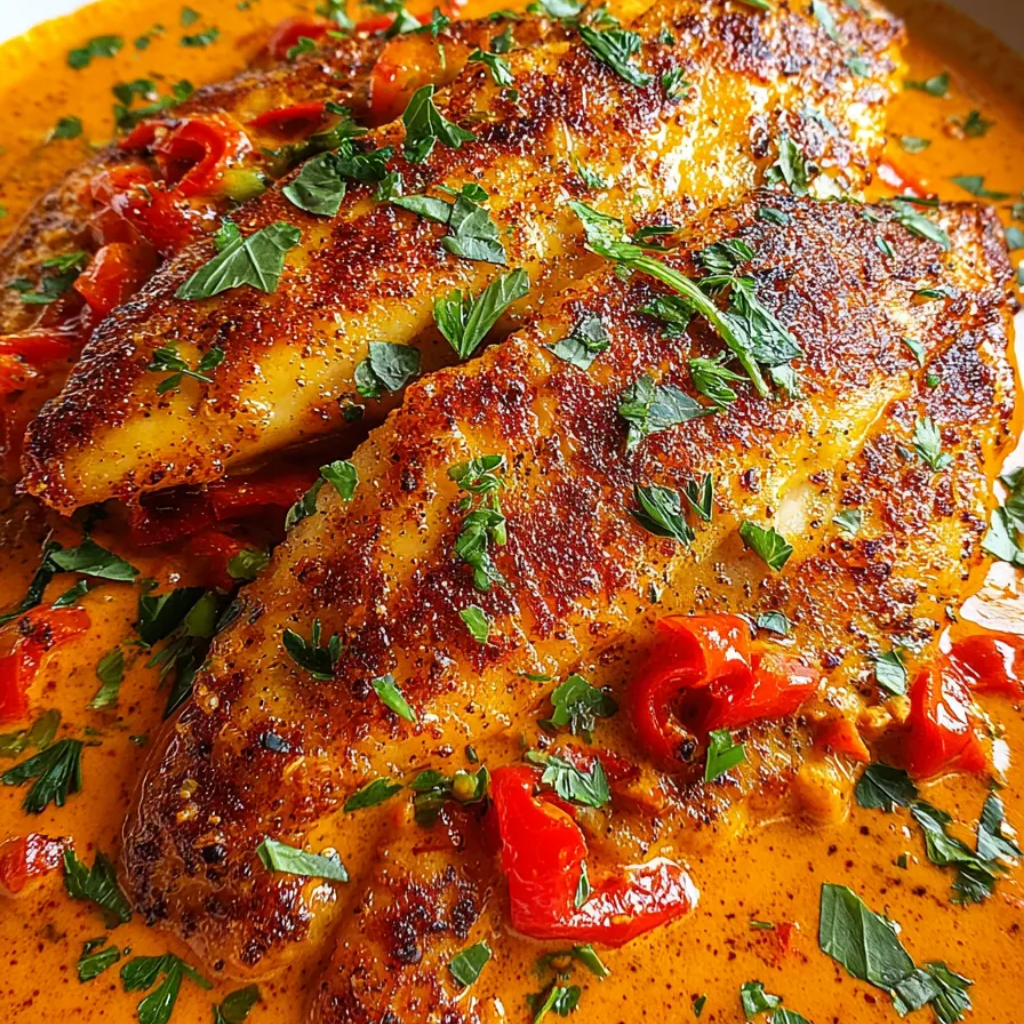
This quick tilapia dish delivers surprising complexity for something that comes together so fast. The roasted pepper sauce has a natural sweetness from the peppers themselves, balanced by the savory garlic and the subtle smokiness from the paprika. It’s not a thick, heavy sauce but rather a silky coating that enhances the fish without overwhelming it.
The tilapia remains tender and flaky with a mild flavor that acts as a perfect canvas for the bold sauce. When properly seasoned and cooked, it has a delicate sweetness that pairs beautifully with the peppers. The slight crust that forms on the outside from pan-searing adds textural interest while the inside stays moist and tender.
The cream in the sauce creates a luxurious mouthfeel without being heavy or cloying. It mellows the acidity of the peppers and helps the sauce cling to the fish. The fresh herbs at the end provide bright, green notes that keep the dish from feeling one-dimensional, while the lemon juice adds a bright acidity that makes each bite feel fresh.
The overall experience is sophisticated yet comforting—elegant enough for company but easy enough for a Tuesday night. It’s the kind of dish that makes you feel like you’re taking care of yourself with real food, not just grabbing whatever is quickest.
Tips & Variations
Fish Substitutions: While this recipe is designed for tilapia, the sauce works beautifully with other mild white fish like cod, halibut, sole, or sea bass. Salmon also pairs wonderfully with this sauce, though it’s richer. Adjust cooking times based on the thickness of your fillets—thicker fish will need a minute or two longer per side.
Dairy-Free Option: Replace the heavy cream with full-fat coconut cream for a dairy-free version that’s equally rich and creamy. You can also use cashew cream (blended soaked cashews with water) for a neutral flavor that won’t add coconut taste.
Sauce Variations: Add a tablespoon of capers for a briny punch, or stir in some sun-dried tomatoes for extra depth. A splash of white wine added before the broth creates a more complex sauce. For a Mediterranean twist, add some chopped kalamata olives.
Make It Spicier: Increase the red pepper flakes or add a pinch of cayenne to the sauce. You can also use spicy roasted peppers if you can find them, or add a small amount of harissa paste for North African flair.
Cooking Methods: While pan-searing is quick and gives great results, you can also bake the tilapia. Place seasoned fillets in a baking dish, pour the sauce over them, and bake at 400°F for 12-15 minutes. This hands-off method is great when cooking for a crowd.
Bulk Sauce: This roasted pepper sauce freezes beautifully. Make a double batch and freeze in portions for future quick meals. Thaw and reheat gently, whisking in the cream just before serving.
Storage & Make-Ahead
The roasted pepper sauce can be made up to 3 days in advance and stored in an airtight container in the refrigerator. Make it through the step before adding the cream, then reheat gently and stir in the cream just before serving. This makes weeknight cooking even faster—just cook the fish and reheat the sauce.
Cooked tilapia is best eaten immediately, as fish doesn’t reheat particularly well. However, leftovers can be stored in the refrigerator for up to 2 days. Reheat very gently in the microwave at 50% power, or flake the leftover fish and use it in tacos, salads, or pasta dishes where the texture change won’t be as noticeable.
The sauce freezes well for up to 2 months. Freeze it in portions (about 1 cup per container) so you can thaw just what you need. Thaw overnight in the refrigerator and reheat gently on the stovetop, adding a splash of broth if it’s too thick.
For meal prep, you can portion raw seasoned tilapia fillets and freeze them individually. When ready to cook, thaw in the refrigerator overnight and cook as directed. Having both components ready makes this truly a 15-minute meal.
Serving Suggestions
This tilapia in roasted pepper sauce pairs beautifully with simple sides that won’t compete with the bold sauce. Fluffy white rice or cauliflower rice for a low-carb option absorbs the sauce perfectly. Quinoa or couscous also work wonderfully and add extra protein and fiber to the meal.
For vegetables, consider roasted asparagus, sautéed green beans, or a simple arugula salad with lemon vinaigrette. Roasted zucchini or summer squash complement the Mediterranean flavors nicely. A side of garlicky sautéed spinach adds nutrients and pairs well with the sauce.
Crusty bread is essential for soaking up every bit of that roasted pepper sauce—it’s too good to waste. A simple baguette or ciabatta toasted with olive oil works perfectly. Garlic bread would be excellent here too.
For a complete meal presentation, place a scoop of rice or grain in the center of each plate, nestle the tilapia on top, and spoon the sauce generously over and around the fish. Garnish with fresh basil leaves and a lemon wedge. The vibrant red sauce against the white fish makes for a beautiful plate.
FAQ
Can I use fresh roasted peppers instead of jarred? Absolutely. You’ll need about 3-4 large red bell peppers, roasted until blackened, then peeled and seeded. The flavor will be even better, though jarred peppers are specifically chosen for this recipe because they make it quick and accessible. Fresh roasted peppers add about 30 minutes to your prep time but are worth it when you have extra time.
Why does my tilapia fall apart when I flip it? This usually happens when the fish isn’t fully dry before cooking, or when you try to flip it too soon. Make sure to pat the fillets completely dry and let them cook undisturbed until the edges are opaque and the bottom is golden. Use a thin, flexible spatula and slide it gently under the entire fillet before lifting. If a fillet does break, don’t worry—the sauce covers everything beautifully.
Can I make this sauce without a blender? You can chop the roasted peppers very finely and cook them longer to break them down, but the sauce won’t be as smooth. An immersion blender works well if you don’t have a regular blender. In a pinch, you could even use a potato masher, though you’ll have a chunkier sauce.
How do I know when tilapia is cooked through? Tilapia is done when it reaches an internal temperature of 145°F and flakes easily with a fork. The flesh should be opaque all the way through with no translucent center. It should feel firm but still give slightly when pressed. Overcooked tilapia becomes rubbery and dry, so err on the side of slightly underdone—carryover cooking will finish it.
Is tilapia a sustainable fish choice? It depends on where it’s sourced. Look for tilapia from the United States or Canada, which generally have better environmental standards. Avoid tilapia from China if possible. Check resources like Seafood Watch for current sustainability recommendations. If sustainability is a concern, you can use this same sauce with other more sustainable white fish like Pacific cod or U.S. catfish.
Weeknight dinners don’t have to be boring or repetitive, and this quick tilapia in roasted pepper sauce proves it. With minimal ingredients and less than thirty minutes from start to finish, you can have a meal that looks and tastes like something from a restaurant. The beauty of this recipe lies in its simplicity—good ingredients treated well, bold flavors that complement rather than overwhelm, and techniques that are straightforward enough for any home cook. Give it a try on your next busy evening, and you might find that tilapia becomes a regular part of your dinner rotation after all.