
Follow Me On Social Media!

Quick & Easy Homemade Butter Chicken: Restaurant-Quality Indian Curry in 30 Minutes.

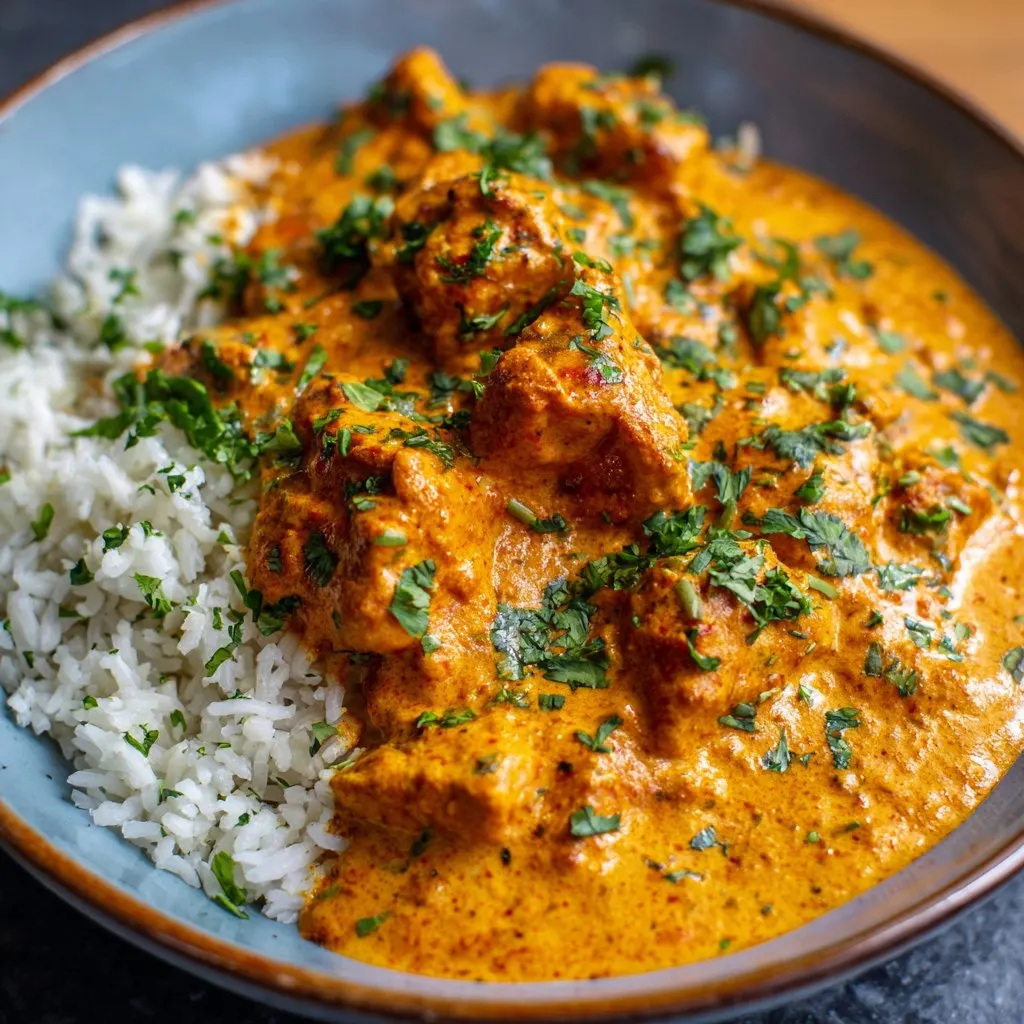
The first time I attempted butter chicken at home, I spent three hours grinding spices and following a complicated recipe that promised “authentic” results. The dish was good, but not worth the mountain of dishes or the stress. Then I discovered that the secret to great butter chicken isn’t complexity—it’s understanding which flavors matter most and how to build them efficiently. This streamlined version delivers all the creamy, aromatic comfort of the restaurant favorite in about 30 minutes, using ingredients you can find at any grocery store.
What makes this butter chicken recipe special is how it balances convenience with genuine flavor. Instead of toasting and grinding a dozen whole spices, we use a carefully chosen blend of ground spices that create depth without fuss. The sauce gets its signature richness from a combination of butter, cream, and crushed tomatoes, while garam masala and a touch of honey provide the warm, complex notes that make butter chicken so crave-worthy.
This homemade butter chicken proves that weeknight Indian cooking doesn’t have to mean takeout or complicated recipes that dirty every pot in your kitchen. The chicken stays tender and juicy, the sauce is silky and aromatic, and the whole thing comes together while your rice cooks. It’s become my go-to recipe when I want something comforting and exotic without spending my entire evening in the kitchen.
The best part? This recipe is endlessly adaptable to your heat preferences and dietary needs, and it actually tastes better the next day when the flavors have had time to meld together. Whether you’re new to Indian cooking or just looking for a reliable weeknight dinner that feels special, this butter chicken delivers every time.
Ingredients
For the Chicken:
- 2 pounds boneless, skinless chicken thighs or breasts, cut into bite-sized pieces
- 1/2 cup plain Greek yogurt
- 1 tablespoon fresh lemon juice
- 2 teaspoons garam masala
- 1 teaspoon ground cumin
- 1 teaspoon paprika
- 1/2 teaspoon turmeric
- 1/2 teaspoon salt
- 2 tablespoons vegetable oil
For the Sauce:
- 3 tablespoons butter
- 1 large onion, finely diced (about 1 1/2 cups)
- 4 cloves garlic, minced
- 1 tablespoon fresh ginger, minced
- 1 tablespoon garam masala
- 1 teaspoon ground cumin
- 1 teaspoon smoked paprika
- 1/2 teaspoon turmeric
- 1/4 teaspoon cayenne pepper (adjust to taste)
- 1 can (14 oz) crushed tomatoes
- 3/4 cup heavy cream
- 2 tablespoons tomato paste
- 2 tablespoons honey or brown sugar
- 1 teaspoon salt (or to taste)
- 1/4 cup fresh cilantro, chopped
For Serving:
- 4-6 cups cooked basmati rice
- Naan bread or pita
- Additional cilantro for garnish
- Lime wedges
Instructions
Start by marinating the chicken, which adds flavor and helps keep the meat tender during cooking. In a medium bowl, combine the Greek yogurt, lemon juice, garam masala, cumin, paprika, turmeric, and salt. Add the chicken pieces and toss until every piece is well coated. Let this marinate for at least 15 minutes while you prepare the other ingredients—longer is better if you have time, but even this brief marination makes a difference.
Heat the vegetable oil in a large, heavy-bottomed skillet or Dutch oven over medium-high heat. Remove the chicken from the marinade, letting excess drip off, and add it to the hot pan. Don’t overcrowd the pieces—work in batches if necessary. Cook for 5-6 minutes, turning occasionally, until the chicken is golden brown on most sides and cooked through. The chicken doesn’t need to be perfectly browned since it will finish cooking in the sauce, but getting some color adds flavor. Transfer the cooked chicken to a plate and set aside.
In the same pan, reduce heat to medium and add the butter. Once melted, add the diced onion and cook for 4-5 minutes, stirring occasionally, until softened and lightly golden. The onion should be translucent and sweet-smelling. Add the minced garlic and ginger, cooking for another minute until fragrant. This aromatic base is crucial for authentic flavor.
Add all the ground spices—garam masala, cumin, smoked paprika, turmeric, and cayenne—to the pan with the onions. Stir constantly for about 30 seconds until the spices are fragrant and well distributed. This brief toasting step intensifies the spice flavors and prevents them from tasting raw in the finished dish.
Stir in the tomato paste and cook for another minute, then add the crushed tomatoes. Bring the mixture to a simmer and let it cook for 5-6 minutes, stirring occasionally, until it thickens slightly and the raw tomato taste mellows. The sauce should be bubbling gently and starting to look rich and unified.
Pour in the heavy cream and add the honey, stirring to combine. The sauce will lighten in color and become beautifully creamy. Simmer for 3-4 minutes until the sauce reaches your desired consistency—it should coat the back of a spoon but still be pourable. If it gets too thick, add a splash of water or chicken broth.
Return the cooked chicken to the pan, along with any accumulated juices. Stir gently to coat all the pieces in the sauce, then simmer for 2-3 minutes to heat the chicken through and let the flavors meld. Taste and adjust the seasoning—you might need more salt, honey for sweetness, or cayenne for heat.
Remove from heat and stir in most of the fresh cilantro, reserving some for garnish. Let the curry rest for a few minutes before serving, which allows the flavors to settle and the sauce to thicken slightly.
Flavor & Texture Notes
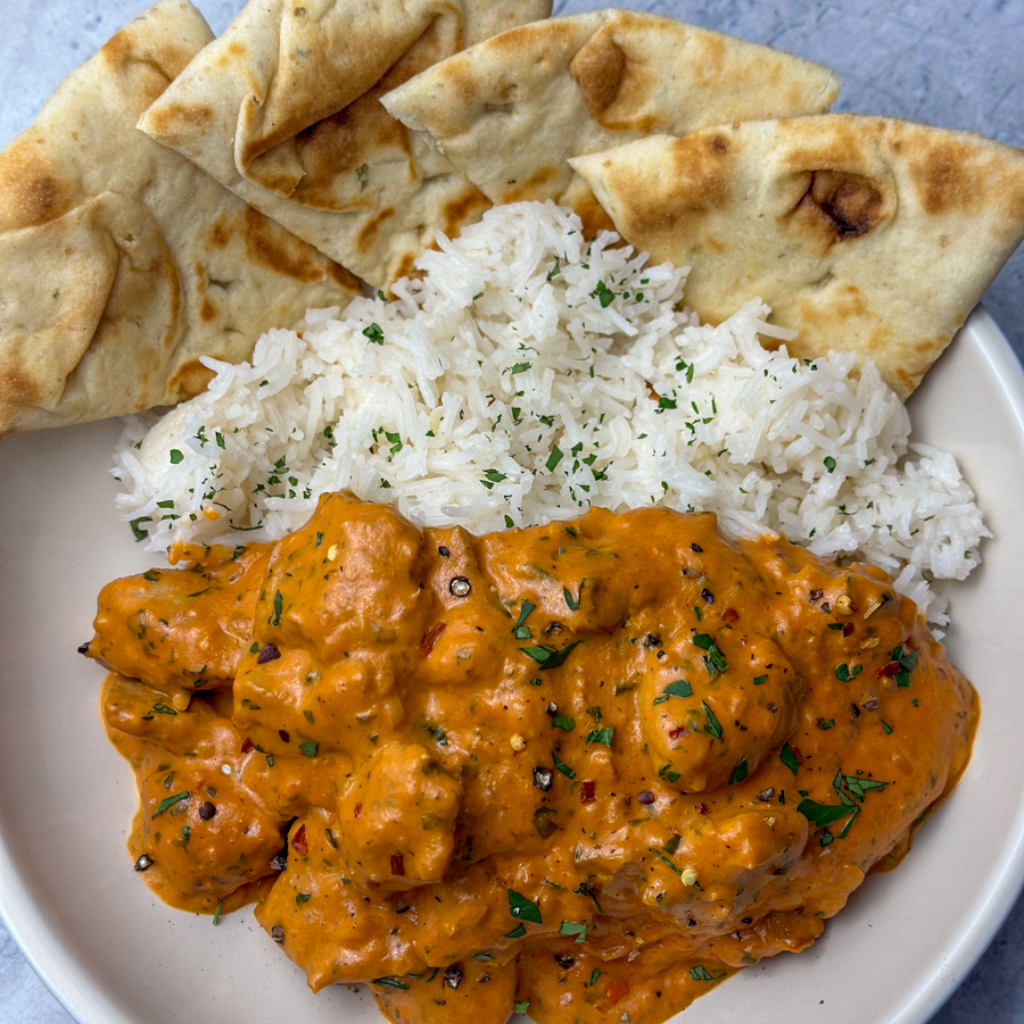
This butter chicken achieves that perfect balance of rich comfort and aromatic complexity that makes the dish so beloved. The sauce is velvety and luxurious, with a beautiful orange-red color from the tomatoes and spices. Each spoonful delivers layers of flavor—warm garam masala, earthy cumin, and sweet paprika, all rounded out by the richness of butter and cream.
The chicken pieces remain tender and juicy, having absorbed the yogurt marinade and finished cooking gently in the sauce. Each piece is thoroughly coated in the creamy curry, delivering the perfect ratio of protein to sauce in every bite. The brief searing adds subtle caramelized notes that enhance the overall depth of flavor.
The sauce itself has a wonderful consistency—thick enough to cling to the chicken and rice without being heavy or gloopy. The crushed tomatoes provide subtle texture and bright acidity that balances the richness, while the honey adds just enough sweetness to complement the warming spices without making the dish taste dessert-like.
Fresh cilantro adds bright, herbaceous notes that cut through the richness and provide color contrast. The overall effect is comforting and satisfying, with enough complexity to keep each bite interesting but familiar enough to appeal to all palates.
Tips & Variations
Chicken Choices: Dark meat thighs stay more tender and flavorful than chicken breasts, but either works well. If using breasts, be careful not to overcook them. Boneless, skinless pieces are most convenient, but you can use bone-in cuts—just increase the cooking time and remove the bones before serving.
Heat Level Control: Start with less cayenne and build up to your preferred spice level. Remember that the cream will mellow the heat, so the sauce might taste spicier while cooking than in the final dish. Hot sauce can be added at the table for individual preferences.
Dairy Alternatives: For a lighter version, substitute half-and-half or whole milk for the heavy cream, though the sauce won’t be quite as rich. Coconut cream makes an excellent dairy-free alternative that adds its own subtle tropical sweetness. Greek yogurt stirred in at the very end creates tanginess and creaminess.
Vegetable Additions: Peas, bell peppers, or chunks of potato can be added during the simmering stage. Frozen peas should be added in the last few minutes, while harder vegetables need more cooking time. Spinach wilts beautifully into the sauce during the last minute of cooking.
Spice Substitutions: If you can’t find garam masala, make a quick substitute with equal parts cinnamon, cardamom, and cloves, plus a pinch of nutmeg. For a smokier flavor, add a pinch of smoked paprika or a drop of liquid smoke. Curry powder can substitute for some of the individual spices, though the flavor will be different.
Make It Healthier: Use low-fat Greek yogurt in the marinade and reduce the butter and cream quantities. Coconut milk provides richness with different nutritional benefits than dairy cream.
Storage & Make-Ahead
Butter chicken is excellent for meal prep and actually improves in flavor after sitting overnight in the refrigerator. The spices continue to meld and deepen, creating an even more complex taste. Store in airtight containers for up to 4 days in the refrigerator or freeze for up to 3 months.
The chicken can be marinated up to 24 hours in advance, which only improves the flavor and tenderness. The entire dish can be made completely ahead of time and reheated gently on the stovetop with a splash of water or cream to restore the proper consistency.
When reheating, do so gently over medium-low heat, stirring occasionally. The cream may separate slightly if heated too aggressively, but gentle warming will bring it back together. Add fresh cilantro after reheating for the best flavor and color.
Portion leftovers with rice for easy grab-and-go lunches throughout the week. The curry reheats beautifully in the microwave, though stovetop reheating preserves the texture better.
Serving Suggestions
Traditional presentation calls for the butter chicken served over fluffy basmati rice, which soaks up the creamy sauce perfectly. The aromatic rice complements the spiced curry without competing with it. Warm naan bread or pita on the side is essential for scooping up every drop of sauce.
For a complete Indian meal, pair with simple sides like cucumber raita (yogurt with diced cucumber and mint), pickled onions, or a fresh salad with lemon dressing. The cool, crisp elements provide textural contrast and help balance the richness of the curry.
The dish looks beautiful garnished with fresh cilantro, a drizzle of cream, and lime wedges on the side. The bright green herbs against the orange curry create an appealing visual contrast that makes the dish Instagram-worthy.
Consider serving family-style with multiple small dishes of accompaniments, allowing everyone to customize their plate. This works especially well when feeding a crowd or introducing people to Indian flavors for the first time.
FAQ
Can I make this ahead of time? Yes! Butter chicken actually tastes better the next day as the flavors have time to meld. You can make it up to 3 days in advance and reheat gently on the stovetop. The chicken can be marinated up to 24 hours ahead, which only improves the flavor.
My sauce is too thin/thick. How do I fix it? If the sauce is too thin, simmer it uncovered for a few more minutes to reduce and thicken. If it’s too thick, add small amounts of water, chicken broth, or cream until you reach the desired consistency. Remember that the sauce will thicken slightly as it cools.
Can I use chicken breast instead of thighs? Absolutely, though thighs tend to stay more tender and juicy. If using breasts, cut them into smaller pieces and be careful not to overcook them. The internal temperature should reach 165°F, but no higher to avoid dryness.
Is this recipe very spicy? This version is mild to medium in heat, designed to appeal to most palates. The cream mellows the spices considerably. You can easily adjust the heat by varying the amount of cayenne pepper or adding hot sauce to taste. Start with less and build up to your preference.
What if I don’t have garam masala? You can make a simple substitute by mixing equal parts ground cinnamon, cardamom, and cloves, plus a small amount of nutmeg and black pepper. Alternatively, curry powder will work in a pinch, though the flavor will be different from traditional butter chicken.
There’s something magical about the moment when cream hits spiced tomato sauce and transforms into that silky, aromatic curry that defines great butter chicken. This quick version captures all that magic without the fuss, proving that sometimes the best comfort food comes from understanding which shortcuts enhance rather than compromise flavor. Make it once, and you’ll wonder why you ever ordered takeout when something this good was just 30 minutes away in your own kitchen.