
Follow Me On Social Media!

Mac and Cheese Meatloaf Casserole: The Ultimate Comfort Food Favorite That Everyone Loves.

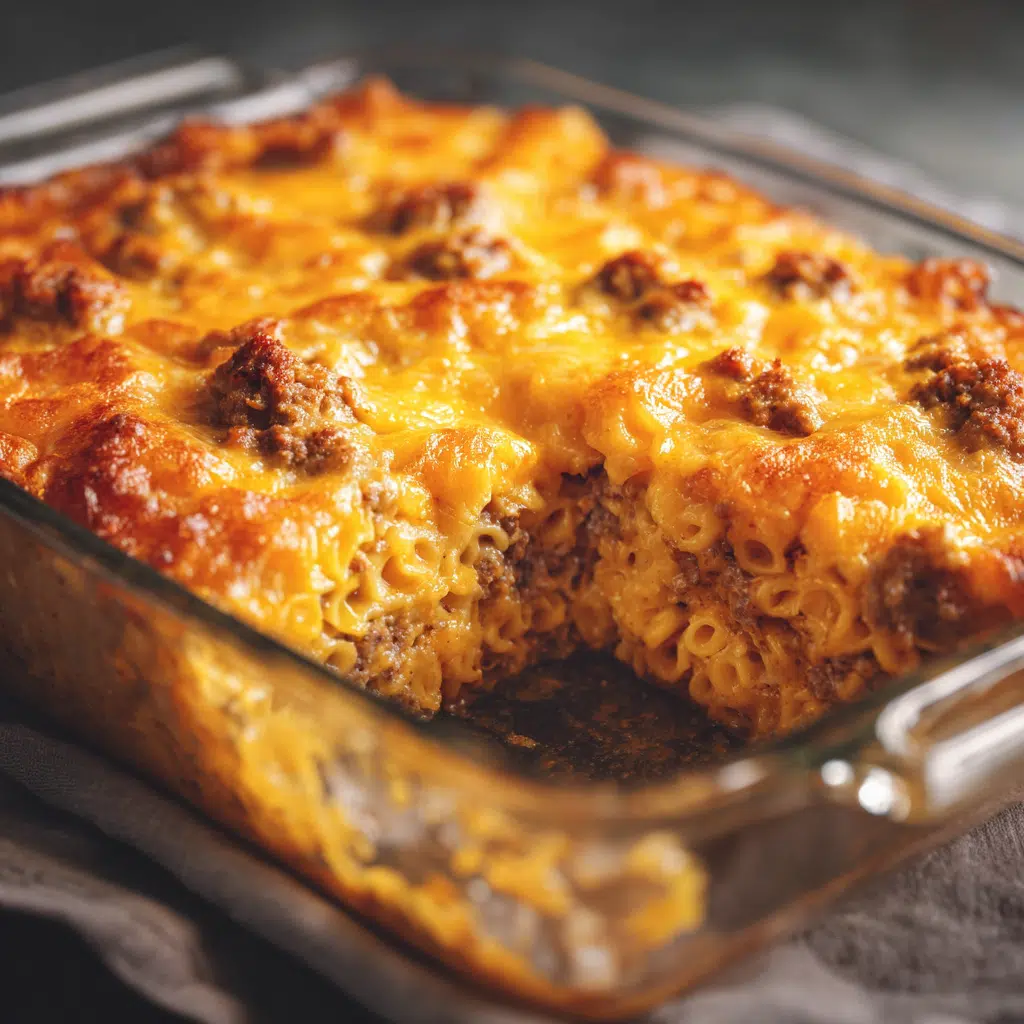
There’s something magical about dishes that combine two beloved comfort foods into one irresistible meal. This mac and cheese meatloaf casserole has earned its place as the ultimate comfort food favorite in households across America, and once you taste it, you’ll understand why. I first discovered this winning combination during a busy week when I needed something that would satisfy my entire family—from my picky seven-year-old to my husband who insists every meal needs meat. What started as a creative solution to dinner dilemmas became our most requested family recipe.
The brilliance of this comfort food favorite lies in how perfectly these classic dishes complement each other. The meatloaf layer provides satisfying, protein-rich substance while the creamy mac and cheese creates a luxurious top that keeps everything moist and adds that irresistible cheese factor. Instead of traditional meatloaf glaze, the cheese sauce becomes both flavor enhancer and moisture barrier, resulting in the most tender, flavorful meatloaf you’ve ever tasted. It’s the kind of dish that turns ordinary Tuesday nights into something special and guarantees there won’t be any leftovers.
This comfort food favorite has become my go-to recipe for everything from family dinners to potluck gatherings and those nights when only serious comfort food will do. Everything bakes together in one dish, which means minimal cleanup and maximum satisfaction. The best part is how this casserole bridges every age gap—kids love the familiar mac and cheese while adults appreciate the hearty meatloaf component, creating a meal that truly pleases everyone at the table.
Whether you’re looking for the perfect comfort food favorite to add to your dinner rotation, need a crowd-pleasing dish for your next gathering, or simply want to indulge in the ultimate cozy meal, this recipe delivers on all fronts. It’s proof that the best comfort foods often come from combining timeless classics in ways that make both elements even better than they are on their own.
Ingredients
For the Meatloaf Base:
- 2 pounds ground beef (80/20 blend works best)
- 1 large onion, finely diced
- 2 cloves garlic, minced
- 2 large eggs, beaten
- 1/2 cup breadcrumbs or panko
- 1/4 cup whole milk
- 2 tablespoons Worcestershire sauce
- 1 tablespoon ketchup
- 1 teaspoon dried thyme
- 1 teaspoon salt
- 1/2 teaspoon black pepper
- 1/4 teaspoon smoked paprika
For the Mac and Cheese Layer:
- 12 ounces elbow macaroni or cavatappi pasta
- 4 tablespoons butter
- 1/4 cup all-purpose flour
- 3 cups whole milk, warmed
- 8 ounces sharp cheddar cheese, grated
- 4 ounces Gruyere or Monterey Jack cheese, grated
- 1/2 teaspoon garlic powder
- 1/2 teaspoon mustard powder
- 1/4 teaspoon cayenne pepper
- Salt and pepper to taste
For the Topping:
- 1 cup panko breadcrumbs
- 2 tablespoons butter, melted
- 1/4 cup additional grated cheese
- 2 tablespoons fresh parsley, chopped
Instructions
Preheat your oven to 375°F and grease a 9×13-inch baking dish with butter or cooking spray. This large casserole dish is essential for accommodating both layers while ensuring even cooking throughout.
Start by cooking the pasta according to package directions until just shy of al dente—it should still have a slight bite since it will continue cooking in the oven. Drain the pasta and set aside. Slightly undercooking prevents the pasta from becoming mushy during the long baking time.
While the pasta cooks, prepare the meatloaf mixture. In a large bowl, combine the ground beef, diced onion, minced garlic, beaten eggs, breadcrumbs, milk, Worcestershire sauce, ketchup, thyme, salt, pepper, and smoked paprika. Using your hands or a large spoon, mix just until the ingredients are evenly distributed. Be careful not to overmix, which can result in a tough, dense meatloaf layer.
Press the meatloaf mixture evenly into the bottom of your prepared baking dish, creating a uniform layer about 3/4-inch thick. Make sure to press it into the corners and smooth the surface so the mac and cheese layer will sit evenly on top. This forms the hearty foundation of your casserole.
Now make the cheese sauce for your mac and cheese layer. In a large saucepan, melt the butter over medium heat. Whisk in the flour and cook for 1-2 minutes, stirring constantly to create a roux. This cooking step eliminates the raw flour taste and creates the base for a smooth sauce.
Gradually add the warmed milk, whisking constantly to prevent lumps from forming. Continue cooking, stirring frequently, until the sauce thickens enough to coat the back of a spoon, about 5-7 minutes. The sauce should be creamy and smooth.
Remove the saucepan from heat and add the grated cheeses, garlic powder, mustard powder, and cayenne pepper. Stir until the cheese melts completely and the sauce is smooth and creamy. Season with salt and pepper to taste—remember that the cheese adds saltiness, so taste before adding more salt.
Add the cooked pasta to the cheese sauce, stirring gently until every piece is well coated. The mixture should be creamy and unified, with no dry pasta visible. If it seems too thick, add a splash more milk to achieve the right consistency.
Carefully spoon the mac and cheese mixture over the raw meatloaf layer, spreading it evenly to the edges. The weight of the mac and cheese will help press the meatloaf layer together as it cooks. Try to distribute it evenly so every serving gets the perfect ratio of both components.
For the topping, combine the panko breadcrumbs with melted butter and the additional grated cheese. Sprinkle this mixture evenly over the mac and cheese layer. This creates a golden, crispy top that adds textural contrast to the creamy interior.
Cover the casserole tightly with aluminum foil and bake for 45 minutes. Remove the foil and continue baking for 15-20 minutes more, until the topping is golden brown and the internal temperature of the meatloaf layer reaches 160°F. The edges should be bubbling gently, and a knife inserted into the center should come out clean.
Let the casserole rest for 10-15 minutes before serving. This resting time allows the layers to set and makes cutting and serving much easier. The casserole will be very hot, so this cooling period is essential for both safety and presentation.
Flavor & Texture Notes
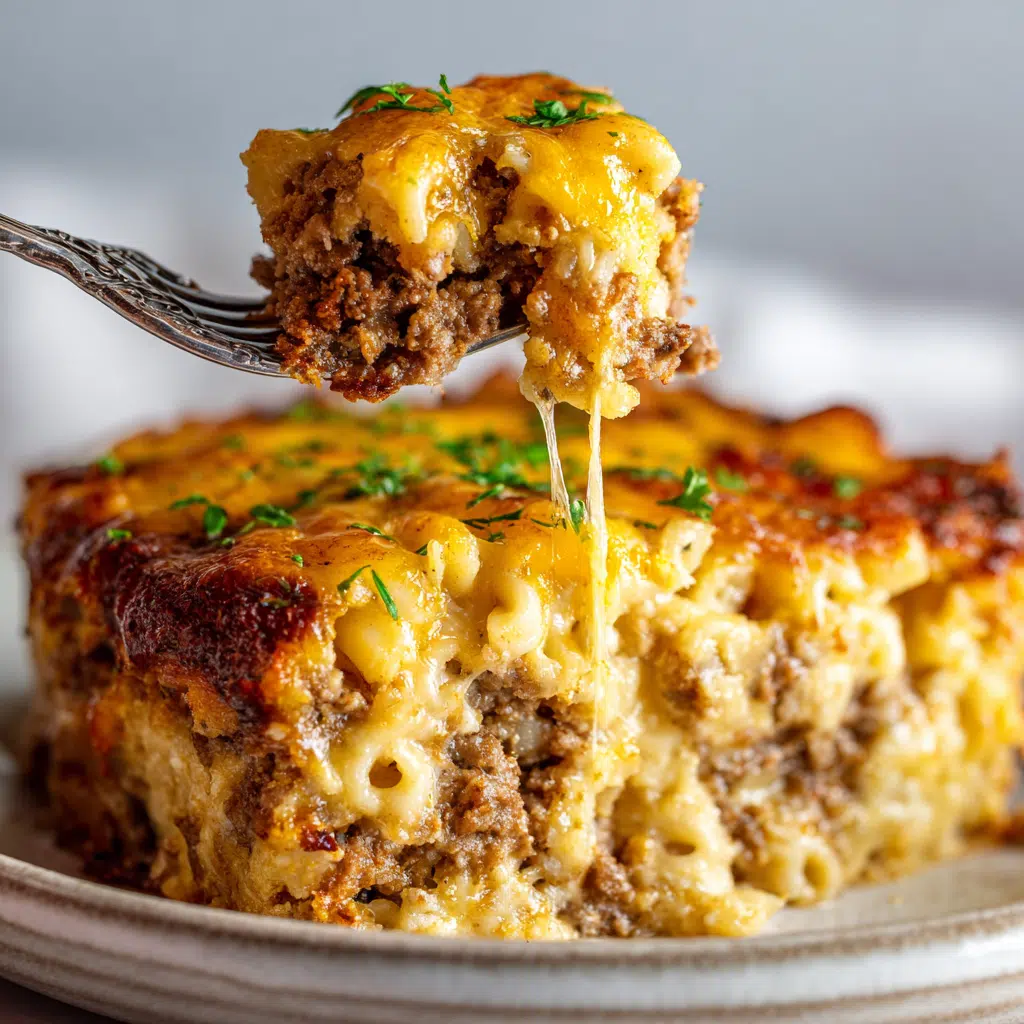
This mac and cheese meatloaf casserole creates an incredibly satisfying combination of textures and flavors that hits every comfort food note. The bottom meatloaf layer is savory and substantial, with the onions adding sweetness and the Worcestershire providing umami depth. The meat stays moist and tender thanks to the cheese sauce above, which prevents it from drying out during the long baking time.
The mac and cheese layer brings creamy richness that permeates the entire dish. The combination of sharp cheddar and Gruyere creates complexity—the cheddar provides that classic mac and cheese flavor while the Gruyere adds nutty sophistication. The pasta maintains just enough bite to provide textural interest without being mushy.
The crispy breadcrumb topping adds a delightful contrast to the creamy interior, providing that satisfying crunch that makes each bite more interesting. When you cut into a serving, you get distinct layers that work together harmoniously—the dense, flavorful meat base, the creamy, cheesy pasta middle, and the golden, crispy top.
Each forkful delivers waves of comfort—first the crunch of the topping, then the creamy cheese coating your palate, followed by the hearty satisfaction of well-seasoned ground beef. The flavors meld beautifully without any single element overwhelming the others.
Tips & Variations
Meat Alternatives: Ground turkey or a mixture of ground beef and pork work well in place of all beef. For a lighter version, try ground chicken, though you may need to add an extra egg to help bind the mixture. Italian sausage (removed from casings) creates a more flavorful base with built-in seasoning.
Cheese Combinations: Experiment with different cheese blends—smoked gouda and sharp cheddar, or pepper jack and Monterey for heat. Cream cheese can be added to the sauce for extra richness, while a sprinkle of Parmesan in the breadcrumb topping adds depth.
Vegetable Additions: Diced bell peppers, mushrooms, or jalapeños can be sautéed with the onions and added to the meatloaf layer. Frozen peas or corn kernels work well mixed into the mac and cheese for color and nutrition.
Make It Spicier: Add diced jalapeños to the meatloaf mixture, use pepper jack cheese in the mac and cheese, or include hot sauce in the cheese sauce. A pinch of chipotle powder in the meatloaf adds smoky heat.
Pasta Shapes: While elbows are classic, shells, rotini, or cavatappi all work well. The key is choosing shapes that hold cheese sauce effectively. Avoid long pasta like spaghetti, which doesn’t distribute as evenly in casserole form.
Prep-Ahead Tips: This casserole can be assembled completely and refrigerated overnight before baking. Add 10-15 minutes to the covered baking time if starting from cold. Individual portions can be assembled in smaller baking dishes for meal prep.
Storage & Make-Ahead
This casserole is excellent for meal prep and feeding crowds because it holds and reheats beautifully. The assembled casserole can be refrigerated for up to 2 days before baking, making it perfect for busy weeknight preparation or entertaining.
Leftover casserole keeps in the refrigerator for up to 4 days and can be frozen for up to 3 months. Cut into individual portions before freezing for easier reheating. When reheating from frozen, thaw overnight in the refrigerator, then warm in a 350°F oven until heated through.
For best results when reheating, cover with foil to prevent the top from over-browning and add a splash of milk if the mac and cheese seems dry. Individual portions reheat well in the microwave, though the oven maintains better texture.
The components can be partially prepared ahead—the meatloaf mixture can be made a day in advance and refrigerated, while the cheese sauce can be made several hours ahead and gently rewarmed when ready to assemble.
Serving Suggestions
This hearty casserole serves as a complete meal but pairs beautifully with simple sides that provide freshness and color contrast. A crisp green salad with vinaigrette cuts through the richness, while steamed green beans or roasted Brussels sprouts add nutritional balance.
Garlic bread or dinner rolls are welcome additions for those who want extra carbs, though the casserole is quite filling on its own. A simple coleslaw provides refreshing crunch and acidity that balances the creamy, rich flavors.
For presentation, let each serving show off the distinct layers by cutting clean squares with a sharp knife. Garnish with fresh parsley for color, or add a dollop of sour cream for those who want extra richness.
This casserole works wonderfully for potluck dinners, family gatherings, or casual entertaining. It’s the kind of dish that makes people ask for the recipe and creates lasting food memories around the dinner table.
FAQ
Can I use a different type of pasta? Yes, but choose shapes that hold cheese sauce well like shells, rotini, or penne. Avoid long pasta shapes like spaghetti or linguine, as they don’t distribute evenly in casserole form and are harder to serve cleanly.
How do I prevent the meatloaf layer from being greasy? Use ground beef that’s 80/20 or 85/15 lean-to-fat ratio—leaner beef can become dry, while fattier beef may release too much grease. You can also partially cook the meatloaf layer for 15 minutes, drain any excess fat, then add the mac and cheese layer.
My cheese sauce turned grainy. What went wrong? This usually happens when the sauce gets too hot or the cheese is added while the sauce is still boiling. Always remove the sauce from heat before adding cheese, and use freshly grated cheese rather than pre-shredded, which contains anti-caking agents that can cause graininess.
Can I make individual portions instead of one large casserole? Absolutely! Use 6-8 individual baking dishes or large ramekins. Reduce the baking time to about 25-30 minutes covered, then 10-15 minutes uncovered. This is perfect for meal prep or portion control.
How do I know when it’s fully cooked? The internal temperature of the meatloaf layer should reach 160°F when measured with a meat thermometer. The top should be golden brown and bubbling around the edges, and a knife inserted in the center should come out clean with no raw meat visible.
Sometimes the most memorable dishes come from the most unexpected combinations. This mac and cheese meatloaf casserole proves that comfort food innovation doesn’t have to be complicated—it just has to bring together flavors and textures that make people happy. Whether you’re feeding a hungry family, contributing to a potluck, or just want to try something that will make everyone at the table smile, this recipe delivers on every level. Give it a try, and prepare to have requests for seconds and the recipe itself.