
Follow Me On Social Media!

Korean-Style Turkey Stuffed Sweet Peppers: A Healthy Fusion Appetizer That Actually Delivers.

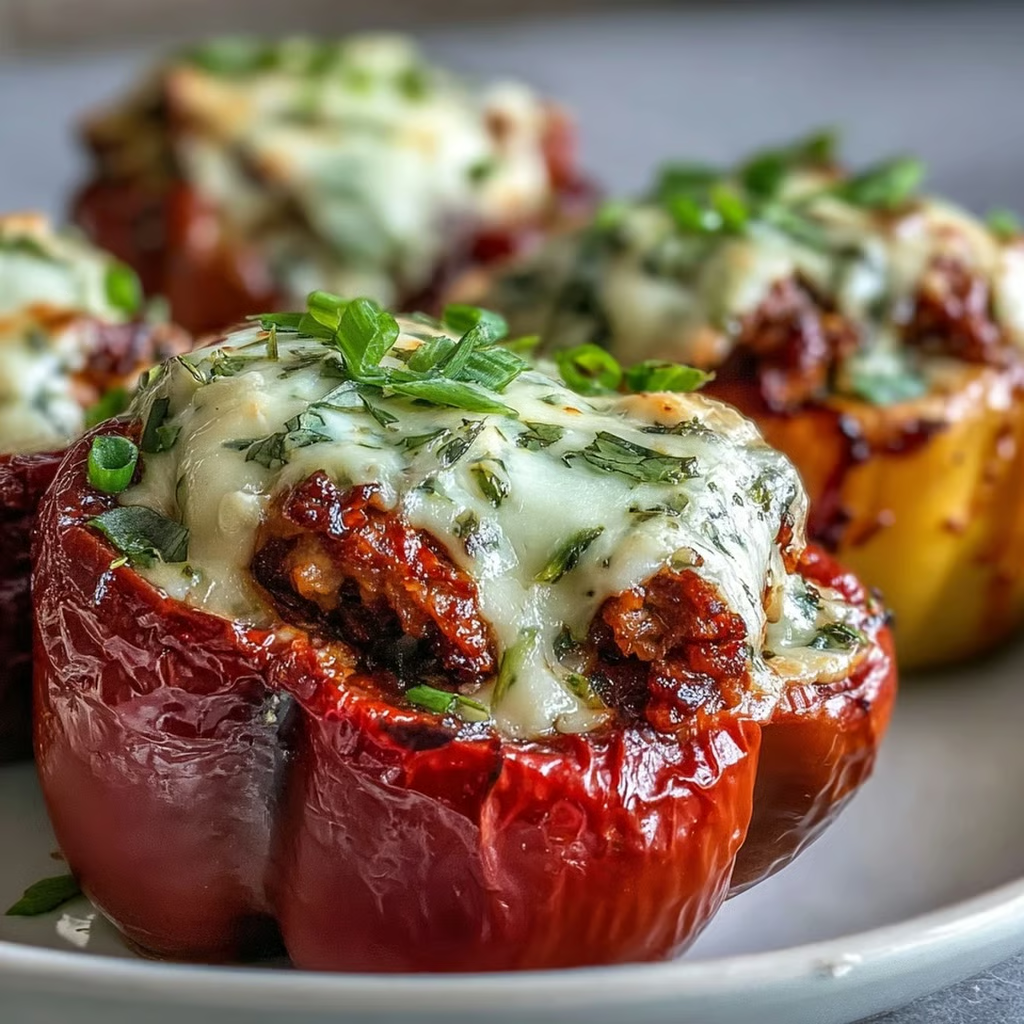
I started making these stuffed peppers on a random Tuesday when I had ground turkey thawing and a bag of mini sweet peppers that needed using. What began as pantry cleanup turned into something I now make at least twice a month. The combination of seasoned turkey with Korean-inspired flavors tucked into naturally sweet peppers hits that perfect spot between comfort food and something light enough that you don’t feel weighed down afterward.
This recipe came together after years of loving Korean lettuce wraps but wanting something with a bit more substance that could work as an appetizer for guests or a straightforward weeknight dinner. The peppers themselves bring natural sweetness that plays beautifully against the savory, slightly spicy turkey filling. You get the familiar warmth of gochugaru and sesame oil, but the whole thing feels fresh rather than heavy. These also happen to be naturally gluten-free and surprisingly filling despite being relatively light on calories.
What makes this recipe work so well is the texture contrast. The peppers soften just enough in the oven while keeping some bite, and the turkey stays moist thanks to a simple trick with a bit of broth mixed in. The topping of sesame seeds and scallions isn’t just for looks—it adds a final layer of nutty flavor and freshness that pulls everything together.
Ingredients
For the stuffed peppers:
- 12 mini sweet peppers (about 1 to 1.5 pounds total)
- 1 pound ground turkey (93% lean works well)
- 3 cloves garlic, minced
- 1 tablespoon fresh ginger, grated
- 3 scallions, white and light green parts finely chopped (reserve dark green parts for garnish)
- 2 tablespoons low-sodium soy sauce or tamari
- 1 tablespoon gochugaru (Korean red pepper flakes)
- 1 teaspoon toasted sesame oil
- 2 teaspoons rice vinegar
- 1 teaspoon honey or maple syrup
- ¼ cup low-sodium chicken or vegetable broth
- ½ teaspoon kosher salt
- ¼ teaspoon black pepper
- 1 tablespoon neutral oil (avocado or grapeseed)
For topping:
- 1 tablespoon sesame seeds (white or mixed)
- 2 scallions, dark green parts only, thinly sliced
- Optional: sriracha or gochujang for drizzling
Instructions
Start by preheating your oven to 375°F. While it heats, prepare the peppers by slicing them in half lengthwise. Remove the seeds and membranes—a small spoon works better than a knife for this. Arrange the pepper halves cut-side up in a baking dish or on a rimmed sheet pan. A light coating of cooking spray on the pan helps prevent sticking.
Heat the neutral oil in a large skillet over medium-high heat. Add the ground turkey, breaking it up with a wooden spoon or spatula. Let it cook undisturbed for about 2 minutes to get some browning on the bottom, then break it into smaller pieces. Cook for another 3 to 4 minutes until most of the pink is gone. The turkey doesn’t need to be completely cooked through at this stage since it will finish in the oven.
Push the turkey to the sides of the pan, creating a well in the center. Add the minced garlic, grated ginger, and chopped scallion whites to that center spot. Let them cook in the residual oil for about 30 seconds until fragrant. Then mix everything together.
Add the soy sauce, gochugaru, sesame oil, rice vinegar, honey, and broth to the pan. Stir well to combine. The broth is important here—it keeps the turkey moist and helps the flavors distribute evenly. Let this mixture simmer for 2 to 3 minutes, stirring occasionally, until most of the liquid has reduced but the filling still looks moist. Season with salt and pepper, tasting as you go since soy sauce already brings salt to the mix.
Spoon the turkey filling into each pepper half. You want them generously filled but not overflowing. Pack the filling in gently with the back of your spoon. Depending on the size of your peppers, you might have a little filling left over, which makes a great quick lunch wrapped in lettuce the next day.
Bake the stuffed peppers for 18 to 22 minutes. You’re looking for the peppers to soften and develop some slight charring on the edges while the filling gets a bit of color on top. They should be tender enough to cut easily but still hold their shape.
Remove from the oven and immediately sprinkle with sesame seeds and sliced scallion greens while everything is still hot. The residual heat will lightly toast the sesame seeds and soften the scallions just a touch. If you want extra heat, this is the time to add thin drizzles of sriracha or a small dollop of gochujang on each pepper.
Flavor & Texture Notes
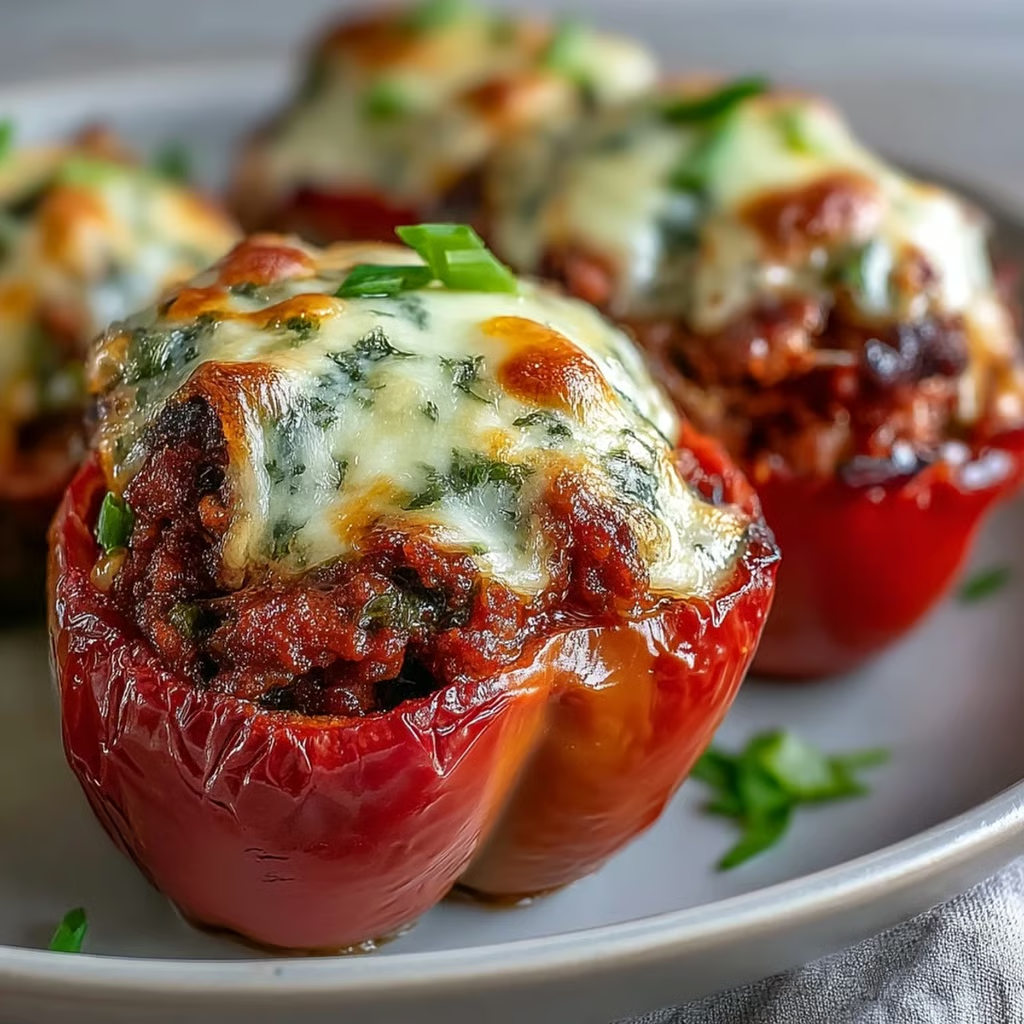
The first thing you notice when you bite into these is the gentle sweetness of the pepper itself, which balances the savory, slightly funky notes from the soy sauce and the warmth from the gochugaru. The peppers develop a tender texture that still has enough structure to hold together—they’re not mushy or falling apart.
The turkey filling has a satisfying meatiness without feeling dense. The sesame oil adds this subtle nutty quality that rounds out all the other flavors. Gochugaru brings heat, but it’s not the kind that smacks you in the face. It builds gradually and sits comfortably in the background with a slightly sweet, smoky character that’s different from cayenne or regular crushed red pepper.
Texture-wise, you get a nice contrast between the smooth turkey filling and the crisp sesame seeds on top. The scallions add little bursts of freshness and a mild onion flavor that cuts through the richness. Each bite feels complete—you’re not searching for something extra to make it more interesting.
Tips & Variations
If you can’t find gochugaru, you can substitute with about 1½ teaspoons of regular red pepper flakes, though the flavor will be sharper and less complex. Some stores label gochugaru as “Korean chili flakes” or “Korean red pepper powder.” It’s worth seeking out if you can—it makes a real difference.
Ground chicken works just as well as turkey in this recipe. For a leaner option, try 99% fat-free ground turkey, but add an extra tablespoon of broth to compensate for the lower fat content. Ground pork brings richer flavor if you’re not concerned about keeping things light.
To make this recipe lower in sodium, use coconut aminos instead of soy sauce and skip the added salt until you taste the final filling. You’ll likely find you don’t need it.
For a vegetarian version, substitute the turkey with finely crumbled firm tofu or tempeh. Press the tofu well to remove excess moisture first, then crumble and cook it the same way you would the turkey. Add an extra teaspoon of sesame oil to compensate for the lack of fat from meat.
If mini sweet peppers aren’t available, use regular bell peppers cut into quarters. You’ll need about 3 large bells. The cooking time might increase by 5 to 7 minutes since bell peppers are thicker.
Want to add vegetables to the filling? Finely diced mushrooms, zucchini, or carrots work well. Cook them with the garlic and ginger until softened before adding the turkey. This stretches the recipe further and adds extra nutrients.
Storage & Make-Ahead
These stuffed peppers keep well in an airtight container in the refrigerator for up to 4 days. Reheat them in a 350°F oven for about 10 minutes, or microwave individual portions for 1 to 2 minutes. The peppers will soften a bit more upon reheating, but they still taste great.
You can prep these several hours ahead. Fill the raw peppers with the cooked turkey mixture, cover the pan with plastic wrap, and refrigerate until you’re ready to bake. Add about 5 minutes to the cooking time if baking straight from the fridge.
The turkey filling itself freezes reasonably well for up to 2 months. Thaw it overnight in the refrigerator, then fill fresh peppers and bake as directed. I don’t recommend freezing the already-stuffed peppers—the texture of the peppers suffers too much from freezing and thawing.
For meal prep, make a double batch of the filling. Use half for the peppers and save the rest for grain bowls, lettuce wraps, or stirred into fried rice later in the week.
Serving Suggestions
These peppers work beautifully as an appetizer for gatherings. Arrange them on a platter with small picks for easy grabbing. They’re filling enough that 2 to 3 halves per person usually does the trick for an appetizer portion.
As a main course, serve 4 to 6 pepper halves per person alongside steamed jasmine rice or cauliflower rice. A simple cucumber salad dressed with rice vinegar and a pinch of sugar makes a cooling side dish that complements the warmth of the gochugaru.
For a complete Korean-inspired spread, pair these with kimchi, quick-pickled radishes, and a bowl of miso soup. The contrast of temperatures and textures makes for a satisfying meal.
These also pack well for lunches. Put a few in a container with some mixed greens and a drizzle of sesame-ginger dressing. They’re good cold or at room temperature, though I prefer them slightly warm.
If you’re serving these at a party, set out small bowls of extra gochujang, sriracha, and toasted sesame seeds so guests can customize their heat level and toppings.
FAQ
Can I use regular-sized bell peppers instead of mini sweet peppers?
Yes, absolutely. Cut large bell peppers into quarters lengthwise after removing the seeds and membranes. You’ll get about 12 pieces from 3 large peppers. Increase the baking time to 25 to 30 minutes since bell peppers are thicker and take longer to soften. The flavor will be slightly more vegetal and less sweet, but they work well.
Is gochugaru very spicy?
Gochugaru has a moderate heat level—milder than cayenne but more present than paprika. It also brings sweetness and a slight smokiness that regular red pepper flakes don’t have. If you’re sensitive to spice, start with 2 teaspoons and add more to taste. You can always serve extra on the side for those who want more heat.
Can I make these in an air fryer?
Yes, and they cook a bit faster. Preheat your air fryer to 360°F. Arrange the stuffed peppers in a single layer (you may need to work in batches depending on your air fryer size). Cook for 12 to 15 minutes until the peppers are tender and the filling is lightly browned on top. Check at the 10-minute mark to prevent overcooking.
What can I substitute for sesame oil?
Toasted sesame oil has a distinctive nutty flavor that’s hard to replicate exactly, but if you need a substitute, try a small amount of tahini (about 2 teaspoons) mixed with a neutral oil. Regular olive oil won’t give you the same flavor profile but will work in a pinch. The dish just won’t have that characteristic Korean taste.
Are these keto-friendly?
Yes, this recipe fits well into a keto diet. Each stuffed pepper half has minimal carbohydrates, coming mainly from the peppers themselves and the small amount of honey. If you want to reduce carbs further, substitute the honey with a keto-friendly sweetener or simply omit it. The recipe still tastes balanced without it.
Wrapping Up
These Korean-style turkey stuffed peppers have become one of those recipes I turn to when I want something that feels special but doesn’t require complicated techniques or hard-to-find ingredients. They satisfy that craving for bold flavors while still being light enough that you don’t need a nap afterward.
The combination of sweet peppers and savory turkey seasoned with Korean flavors just works. It’s familiar enough to appeal to most palates but interesting enough that people always ask for the recipe. Whether you’re making them for meal prep, serving them at a gathering, or just want a straightforward dinner that happens to be healthy, these stuffed peppers deliver without requiring you to spend hours in the kitchen.
Give them a try the next time you’re looking for something different from the usual rotation. They might just become one of your regular recipes too.