
Follow Me On Social Media!

Kentucky Cream Pull Candy: The Traditional Southern Confection That’s Worth the Arm Workout.

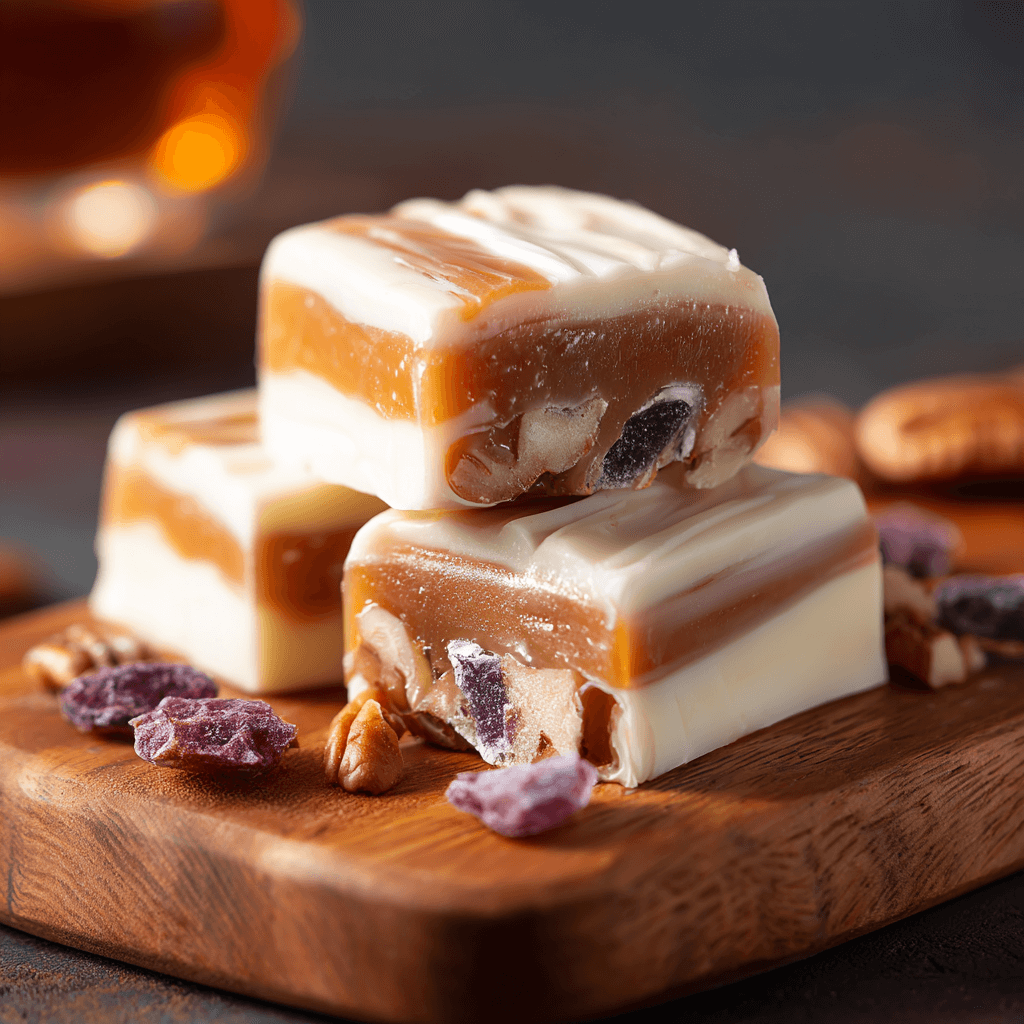
My first encounter with Kentucky cream pull candy came at a county fair in rural Kentucky, where I watched a woman my grandmother’s age stretch ribbons of glossy white candy with practiced ease. She made it look effortless—pull, fold, pull, fold—while explaining that her grandmother had taught her the exact same way. That candy, with its impossibly creamy texture and subtle vanilla sweetness, tasted unlike anything I’d ever experienced. It wasn’t chewy like taffy, but it wasn’t hard like a mint either. It existed somewhere beautifully in between.
This traditional Kentucky candy has been made in Appalachian kitchens for generations, particularly around the holidays. What makes cream pull candy special is the pulling process itself—similar to taffy pulling but with a completely different result. The vigorous pulling incorporates thousands of tiny air bubbles into the candy, transforming it from a clear, glassy mixture into an opaque, silky confection that literally melts on your tongue.
Making Kentucky pull candy is admittedly a project. It requires a candy thermometer, careful attention to temperature, and genuine physical effort during the pulling stage. But the result is something you simply cannot buy in stores—a piece of edible history that tastes like vanilla cream and Christmas mornings and simpler times. The process itself becomes a tradition, often done with family members taking turns pulling the hot candy.
This recipe stays true to the old-fashioned method while providing modern measurements and clear temperature guidelines. It’s perfect for anyone wanting to connect with traditional Southern foodways or create a unique homemade gift that will genuinely surprise people.
Ingredients
For the Candy Base:
- 2 cups granulated sugar
- 1 cup heavy cream
- 1/2 cup water
- 1/4 cup light corn syrup
- 1/4 teaspoon salt
- 2 tablespoons unsalted butter
- 1 teaspoon vanilla extract (or 1/2 teaspoon peppermint extract)
For Preparation:
- Butter for greasing (about 2 tablespoons)
- Additional butter for hands during pulling
Equipment Needed:
- Candy thermometer
- Heavy-bottomed saucepan (at least 3-quart capacity)
- Marble slab, large buttered baking sheet, or silicone mat
- Kitchen scissors (buttered)
- Parchment paper for storage
Instructions
Before you begin cooking, prepare your work surface and gather all equipment. This candy moves quickly once it reaches temperature, so having everything ready is crucial. Generously butter a marble slab or large rimmed baking sheet. If using a baking sheet, make sure it has sides to contain the hot syrup. Have your candy thermometer ready and test it in boiling water to ensure accuracy—it should read 212°F at sea level.
Combine the sugar, heavy cream, water, corn syrup, and salt in a heavy-bottomed saucepan. The heavy bottom is important for even heat distribution and preventing scorching. Stir the mixture constantly over medium heat until the sugar completely dissolves. You should no longer feel any grittiness when you rub a bit between your fingers, though be careful—it’s hot.
Once the sugar dissolves, increase the heat to medium-high and clip your candy thermometer to the side of the pan, making sure the bulb doesn’t touch the bottom. Stop stirring at this point. Stirring during the cooking process can cause crystallization, which will make your candy grainy instead of smooth.
Let the mixture cook undisturbed until it reaches exactly 260°F on your candy thermometer. This is the hard ball stage, and precision matters here. At this temperature, a small amount dropped into cold water will form a firm but pliable ball. The cooking process usually takes 15-20 minutes depending on your stove and pan. Watch carefully as it approaches temperature—the last 10 degrees happen quickly.
The moment the candy reaches 260°F, remove it from heat immediately. Add the butter and vanilla extract but do not stir. The residual heat will melt the butter. Carefully pour the hot syrup onto your prepared buttered surface. Don’t scrape the pan—any crystallized bits stuck to the sides can make the finished candy grainy.
Let the candy cool for 2-3 minutes until it’s cool enough to touch but still very warm. The edges will begin to firm up first. Using a buttered spatula or butter on your hands, fold the edges toward the center repeatedly. This begins the cooling process and helps achieve an even temperature throughout the candy mass.
When the candy is cool enough to handle comfortably—warm but not burning—it’s time to pull. Butter your hands generously. Gather the candy into a mass and begin pulling it like taffy, stretching it out to arm’s length and folding it back on itself. This is where the magic happens and where you’ll understand why it’s called “pull” candy.
Continue pulling and folding for 10-15 minutes. Your arms will get tired—this is normal and actually part of the traditional experience. As you pull, the candy will gradually change from translucent amber to opaque cream-white. This color change indicates that you’ve incorporated enough air. The candy will also begin to lose its gloss and develop a satiny, matte appearance.
When the candy becomes difficult to pull and starts to hold its shape, it’s ready for the final stage. Quickly pull it into a long rope about 3/4 inch thick. Using buttered kitchen scissors, cut the rope into 1-inch pieces, letting them fall onto a buttered surface or parchment paper. Work quickly—the candy becomes harder to cut as it cools.
Let the cut pieces sit at room temperature for several hours or overnight. They’ll firm up and develop that characteristic creamy, crystalline texture that makes Kentucky cream candy unique. The pieces will have a slight sheen but shouldn’t be sticky.
Flavor & Texture Notes
Kentucky cream pull candy has a texture unlike any other confection. It’s not chewy, not hard, but somewhere mysteriously in between. When you bite into a piece, it has initial resistance, then suddenly yields and begins to dissolve almost instantly on your tongue. The thousands of tiny air bubbles you incorporated during pulling create this melt-in-your-mouth quality.
The flavor is remarkably pure and clean—sweet but not cloying, with the gentle richness of cream and a clear vanilla note. It’s not as intensely sweet as some modern candies because the pulling process and cream base provide a subtle mellowness. The vanilla should taste natural and warming, not artificial.
As the candy sits in your mouth, it slowly dissolves into a creamy sweetness that coats your palate. There’s no stickiness, no residue—it simply melts away. This dissolving quality is what distinguished properly made pull candy from similar confections. If your candy is chewy instead of creamy, it wasn’t pulled enough or didn’t reach the correct temperature.
The appearance is equally distinctive. Properly pulled candy is opaque white with a subtle sheen, not glossy but not completely matte either. Each piece should look smooth and creamy, almost like a small cloud or a piece of porcelain.
Tips & Variations
Temperature Accuracy: Invest in a good candy thermometer or use an instant-read digital thermometer. Even 5 degrees off can mean the difference between perfect candy and a chewy disaster. If you live at high altitude, reduce the target temperature by about 2 degrees for every 1,000 feet above sea level.
Weather Matters: Like many traditional candies, Kentucky pull candy is best made on cool, dry days. High humidity can affect the setting process and make the candy sticky. If you must make it on a humid day, reduce the final cooking temperature by 2-3 degrees.
Flavor Variations: While vanilla is traditional, peppermint extract creates wonderful Christmas candy. Use only 1/2 teaspoon as peppermint is stronger than vanilla. You can also try almond extract, lemon extract, or even a few drops of orange oil. Add flavorings after cooking, not before.
Pulling Partners: Traditionally, pull candy was a two-person job. If you have someone to help, you can work together, each holding one end and pulling. This makes the process easier and more fun. Just make sure both people have well-buttered hands.
Color Additions: For special occasions, you can add a tiny amount of food coloring before pulling. Add just a drop or two—you want pastel shades, not intense colors. The pulling will distribute the color throughout.
Troubleshooting Texture: If your candy is too hard, you cooked it past 260°F. If it’s too soft or chewy, you didn’t cook it quite enough or didn’t pull it sufficiently. The pulling process is crucial—it’s what creates that unique creamy texture.
Storage & Make-Ahead
Kentucky cream pull candy keeps well when stored properly. Once the pieces have fully set (usually overnight), wrap each piece individually in wax paper or candy wrappers. This prevents them from sticking together and protects them from moisture.
Store wrapped candies in an airtight container at room temperature for up to 3 weeks. Don’t refrigerate—the moisture in the refrigerator will make them sticky. Keep them in a cool, dry place away from direct sunlight and heat sources.
These candies make excellent gifts. Package them in small cellophane bags tied with ribbon, or arrange them in decorative tins lined with parchment paper. Because they’re individually wrapped, they travel well and can be shipped to friends and family.
Unlike some candies that improve with age, pull candy is best enjoyed within a few weeks of making. Over time, it can become slightly harder or develop a grainy texture as the sugar continues to crystallize. This doesn’t make it unsafe, just less pleasant texturally.
Serving Suggestions
Kentucky cream pull candy is traditionally served as an after-dinner treat or enjoyed with coffee or tea. The creamy, vanilla sweetness pairs beautifully with strong black coffee or Earl Grey tea. In Kentucky, it’s often part of holiday candy assortments alongside bourbon balls and divinity.
These candies look beautiful arranged on a vintage plate or in a candy dish as part of a dessert spread. Their pure white color makes them particularly appropriate for weddings, baby showers, or winter holidays. Mix them with other traditional candies for a nostalgic candy buffet.
Consider packaging small batches as party favors or hostess gifts. Include a small note explaining the traditional process and the effort involved—this transforms them from simple candy into a meaningful, handmade gift that people truly appreciate.
For a special presentation, arrange the candies in clear glass jars or apothecary containers. Their creamy white color against glass looks elegant and showcases the traditional craftsmanship.
FAQ
Why did my candy turn out grainy instead of smooth? Graininess usually comes from sugar crystallization, which happens when the mixture is stirred during cooking or if sugar crystals from the side of the pan fall into the mixture. Make sure to stop stirring once the sugar dissolves, and never scrape the pan when pouring the hot syrup. Using corn syrup helps prevent crystallization.
My arms are getting tired. How long do I really need to pull? You need to pull for at least 10 minutes, though 15 is better. This is genuinely hard work—that’s why traditional recipes often suggest pulling with a partner. If you absolutely must take a break, work the candy into a ball and let it rest for a minute, but don’t let it cool too much or it will become too stiff to pull.
Can I make this without a candy thermometer? While it’s possible to use the cold water test (dropping syrup into cold water to check consistency), a thermometer is really recommended for consistent results. Candy making is precise, and guessing the temperature often leads to disappointing results. Candy thermometers are inexpensive and make the process much more reliable.
What’s the difference between this and taffy? While the pulling technique is similar, the final texture is completely different. Taffy is chewy and stays pliable. Kentucky cream candy, when pulled properly, develops a creamy, crystalline structure that melts in your mouth rather than requiring chewing. The temperature and ingredients also differ from traditional taffy.
Can I use half-and-half instead of heavy cream? Heavy cream is important for the proper texture and richness. Half-and-half has less butterfat and more water, which will affect both the cooking time and final texture. Stick with heavy cream for authentic results. The cream is what gives this candy its characteristic richness and mouthfeel.
Making Kentucky cream pull candy connects you to a tradition that stretches back generations in Appalachian kitchens. Yes, it requires effort and attention, but that’s part of what makes it special. In a world of instant gratification and store-bought everything, there’s something deeply satisfying about making candy the same way your great-grandmother might have. The aching arms, the anticipation as the candy changes color, the first taste of that impossibly creamy texture—it’s all part of creating something that’s not just food, but a piece of edible history. Roll up your sleeves, butter your hands, and discover why this traditional confection has survived for over a century.