
Follow Me On Social Media!

Juicy Keto Feta Burgers with Mediterranean Herbs and Garlic.

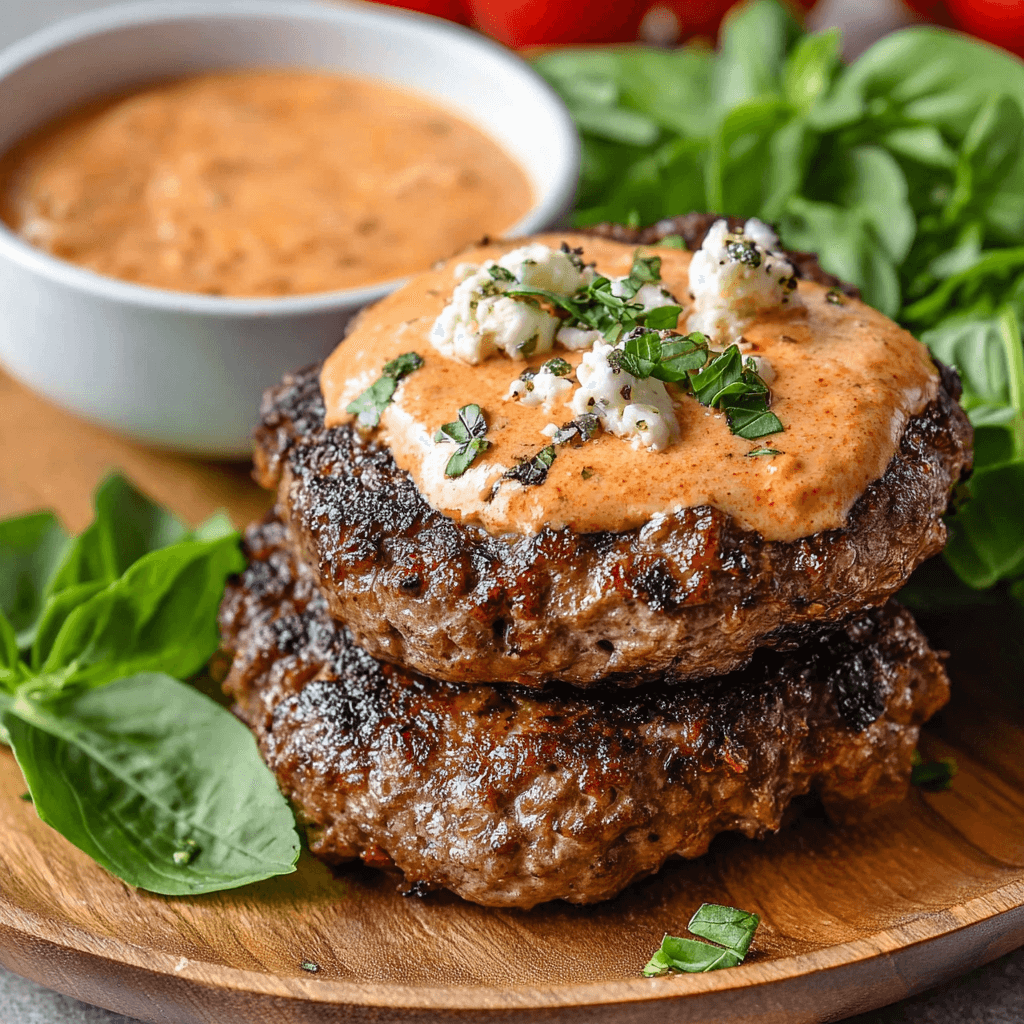
One of the most common hurdles people face when transitioning to a ketogenic or low-carb lifestyle is the perceived loss of the “classic” meal. We often think of a burger as a package deal—the meat, the cheese, and the bun. When you remove the bread, there is a sudden pressure on the patty to perform. It can no longer hide behind a brioche bun or a mountain of condiments. It has to be juicy, seasoned to perfection, and structurally sound enough to stand on its own.
These Keto Feta Burgers are my solution to the “boring burger” problem. By incorporating the cheese directly into the meat rather than just melting it on top, we solve the two biggest issues with lean beef: dryness and lack of seasoning. Feta is a unique tool in a cook’s arsenal; it doesn’t melt into a puddle like cheddar or mozzarella. Instead, it softens, creating little pockets of warm, briny saltiness that season the meat from the inside out.
I’ve found that these are particularly useful for meal prep because the moisture from the feta keeps the beef from becoming rubbery when reheated—a rarity for ground meat. Whether you’re cooking these on a cast-iron skillet on a rainy Tuesday or tossing them on the grill for a summer gathering, these burgers bring a Mediterranean flair that feels sophisticated but remains entirely approachable for any home cook.
Ingredients for the Perfect Low-Carb Burger
The secret to a great keto burger is the fat content. Since we aren’t using bread to soak up juices, we need the meat itself to be flavorful. I always recommend an 80/20 blend of ground beef. The 20% fat content ensures the burger stays succulent even at higher cooking temperatures.
The Burger Base
- 2 lbs (900g) ground beef (80% lean, 20% fat)
- 6 oz (170g) high-quality feta cheese, crumbled (look for sheep’s milk feta in brine for the best texture)
- 1/4 cup fresh parsley, finely chopped
- 2 cloves garlic, finely minced or grated
- 1 tablespoon dried oregano
- 1 teaspoon onion powder
- 1/2 teaspoon red pepper flakes (optional, for a subtle warmth)
- 1 teaspoon fine sea salt (be cautious, as feta is naturally salty)
- 1/2 teaspoon freshly cracked black pepper
The Binding and Moisture
- 1 large egg, lightly beaten
- 1 tablespoon Worcestershire sauce (ensure it is a brand without added sugars)
- 1 tablespoon extra virgin olive oil (for the skillet)
Step-by-Step Instructions
Prepare the Meat Mixture
In a large mixing bowl, combine the ground beef, minced garlic, parsley, oregano, onion powder, red pepper flakes, salt, and pepper. Use your hands or a sturdy fork to gently break up the meat.
Add the beaten egg and the Worcestershire sauce. The egg acts as a binder, which is especially important in keto burgers where we lack the starch from breadcrumbs to hold things together. The Worcestershire sauce provides an “umami” depth that mimics the flavor of a long-simmered sauce.
Fold in the Feta
Add the crumbled feta cheese to the bowl. This is the stage where you must be careful. You want to fold the feta into the meat just until it is evenly distributed. If you over-mix, the feta will break down into tiny grains and disappear. You want visible chunks of cheese in your final patty—these create the “pockets” of flavor that define this recipe.
Shape the Patties
Divide the mixture into 6 to 8 equal portions, depending on how large you like your burgers. Gently roll each portion into a ball and then flatten it into a disc about 1 inch thick.
Using your thumb, make a slight indentation in the center of each patty. This is a classic chef’s trick: burgers tend to puff up in the middle as they cook, turning into “footballs.” The indentation ensures they stay flat and cook evenly, providing a better surface for toppings.
The Chill Phase
If time permits, place the formed patties on a plate, cover them, and let them rest in the refrigerator for 20 to 30 minutes. Chilling the meat allows the fat to firm up and the flavors of the garlic and herbs to permeate the beef. It also helps the patties hold their shape when they hit the hot pan.
Cook to Your Preference
On the Stovetop: Heat a large cast-iron skillet or heavy-bottomed pan over medium-high heat. Add the tablespoon of olive oil. Once the oil is shimmering but not smoking, add the patties (do not crowd the pan; cook in batches if necessary).
Sear the burgers for 4 to 5 minutes per side. You are looking for a deep, brown crust—this is the Maillard reaction, which provides that characteristic “grilled” flavor even when cooking indoors. For a medium-rare burger, aim for an internal temperature of 145°F (63°C); for medium, aim for 160°F (71°C).
On the Grill: Ensure your grates are clean and well-oiled. Grill over direct medium-high heat for about 5 minutes per side. Avoid pressing down on the burgers with a spatula; this squeezes out the juices and the softening feta.
Rest the Meat
Once cooked, transfer the burgers to a clean plate or cutting board and let them rest for at least 5 minutes. This allows the juices to redistribute through the meat. If you cut into a burger immediately, the juices will run out, leaving you with a dry meal.
Flavor and Texture Notes
These burgers offer a complex profile that far exceeds a standard beef patty. The first thing you’ll notice is the aroma—the dried oregano and fresh garlic create a savory, herbal scent that feels distinctly Mediterranean.
When you take a bite, the texture is the standout feature. The beef is tender and juicy, but every few bites you encounter a soft, warm nugget of feta cheese. The feta provides a sharp, tangy, and salty contrast to the rich, fatty beef. The parsley adds a hit of freshness that prevents the meat from feeling too heavy. There is a beautiful balance here between the charred, crusty exterior and the creamy, cheesy interior.
Tips and Variations
- The Lamb Swap: For a truly traditional Mediterranean experience, replace half of the ground beef with ground lamb. Lamb and feta are a classic pairing, and the gamey richness of the lamb stands up perfectly to the strong herbs.
- Goat Cheese Option: If you aren’t a fan of the brininess of feta, you can use firm goat cheese crumbles instead. This will result in a creamier, milder flavor profile.
- Spice it Up: If you want more heat, finely chop a jalapeño or a Fresno chili and mix it into the beef along with the garlic.
- Fresh Herbs: While dried oregano is great for that concentrated flavor, feel free to use fresh mint or dill in addition to the parsley. These herbs are frequently used in Greek cooking and add a bright, cooling element to the meat.
Storage and Make-Ahead Guidance
These burgers are incredibly freezer-friendly. You can shape the raw patties and freeze them with pieces of parchment paper in between each one. When you’re ready to eat, you can even cook them from frozen—just add 2 to 3 minutes per side to the cooking time.
Stored in an airtight container in the refrigerator, the cooked burgers will stay fresh for up to 4 days. To reheat, I recommend using a skillet over low heat with a lid. Adding a teaspoon of water to the pan creates steam that helps keep the burger moist without overcooking it. Avoid the microwave if possible, as it can cause the fats to separate and make the meat feel greasy.
Serving Suggestions
Since these are keto-friendly, the bun is off the table, but that doesn’t mean you have to miss out on the experience.
- The Lettuce Wrap: Use large, sturdy leaves of Butter lettuce or Romaine to create a “bun.” The crunch of the lettuce provides a great textural contrast to the soft meat and cheese.
- The Mediterranean Bowl: Serve the patty over a bed of baby spinach or arugula. Top with sliced cucumbers, cherry tomatoes, Kalamata olives, and a big dollop of full-fat Greek Tzatziki sauce.
- Roasted Sides: These pair beautifully with roasted radishes (which taste remarkably like potatoes when cooked) or grilled zucchini spears drizzled with lemon juice.
- The “Bun” Alternative: If you really miss the bread, serve these on a toasted “chaffle” (a keto waffle made of egg and cheese) or between two large roasted portobello mushroom caps.
FAQ
Why is my feta falling out of the burger?
This usually happens if the feta crumbles are too large or if the meat isn’t “packed” firmly enough around the cheese. Try to crumble the feta into pea-sized pieces and ensure you give the patty a firm (but not aggressive) squeeze when shaping.
Can I use fat-free feta?
I would strongly advise against it. Fat-free feta doesn’t soften the same way and can often have a rubbery or chalky texture when heated. In a keto recipe, we want those healthy fats for flavor and satiety.
Do I need to use an egg?
While you can make these without an egg, the feta and herbs can sometimes compromise the structural integrity of the beef. The egg acts as a “glue” that keeps everything together, especially if you are cooking on an outdoor grill where the patties might stick to the grates.
My burgers are too salty. What happened?
Feta varies wildly in salt content depending on the brand and whether it was packed in brine. If you know your feta is particularly salty, reduce the added sea salt in the meat mixture to a half-teaspoon.
Conclusion
Mastering the art of the bunless burger is all about intensifying the flavors within the meat itself. These Keto Feta Burgers prove that you don’t need a lot of complicated ingredients to create a meal that feels complete. They are a celebration of simple, high-quality ingredients used in a way that respects the traditional flavors of the Mediterranean.