
Follow Me On Social Media!

Japanese Fried Chicken (Karaage): The Crispiest, Most Flavorful Chicken You’ll Ever Make.

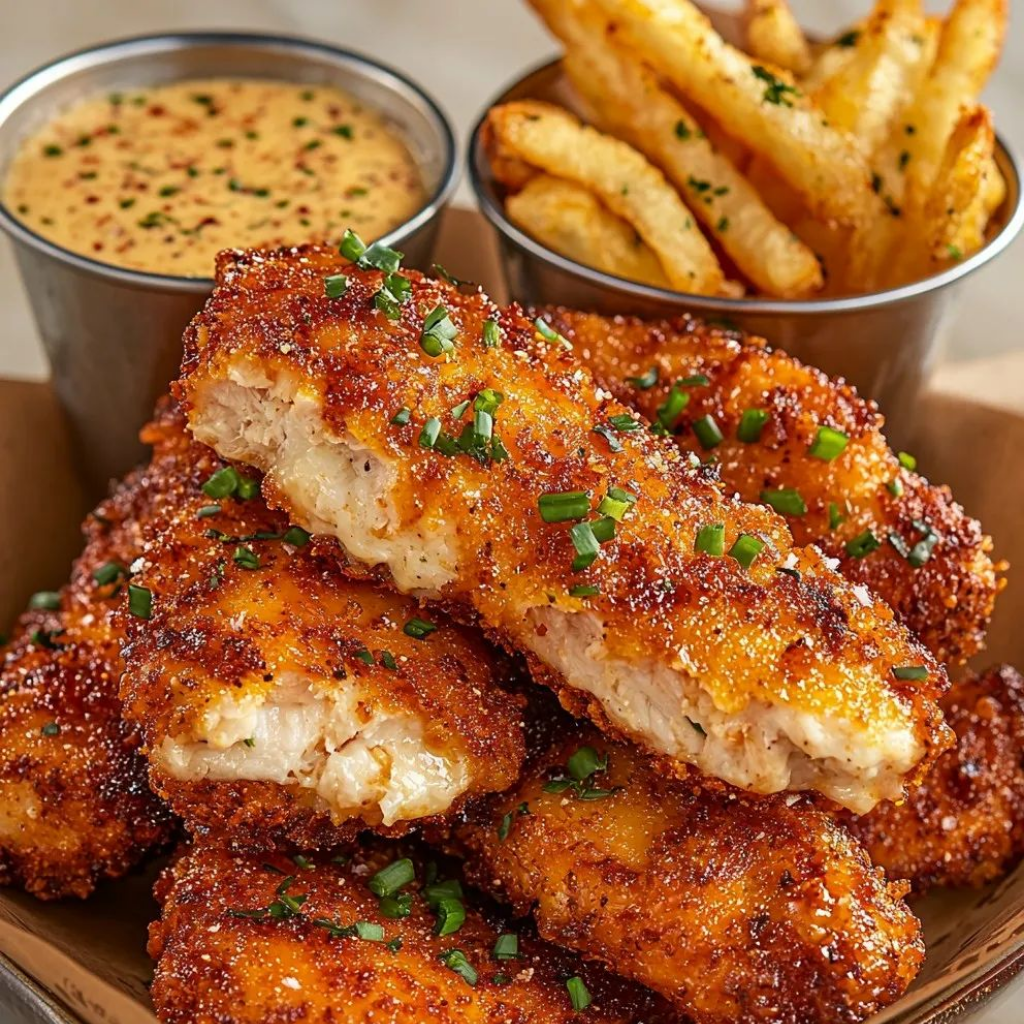
There’s something magical about the first bite of perfectly made karaage. The outside shatters with an audible crunch, giving way to impossibly juicy chicken that’s been marinated in a blend of soy sauce, ginger, and garlic. It’s the kind of food that stops conversations mid-sentence and has people reaching for seconds before they’ve finished their first piece.
I discovered authentic karaage during a late-night food crawl through Tokyo’s Shibuya district, where a tiny yakitori stand served what I still consider the gold standard of Japanese fried chicken. The owner, an elderly man who spoke no English, watched me devour piece after piece with obvious pride. When I attempted to compliment him in broken Japanese, he simply smiled and handed me another plate.
That experience sparked a years-long quest to recreate that perfect balance of crispy exterior and tender interior at home. After countless batches and technique adjustments, I’ve cracked the code. The secret lies in the marinade timing, the double-coating method, and most importantly, the oil temperature control that most home cooks overlook.
What sets karaage apart from other fried chicken styles isn’t just the Japanese technique—it’s the way each element works together. The marinade penetrates deep into the meat, the potato starch creates an incredibly light and crunchy coating, and the relatively quick frying time ensures the chicken stays succulent. This isn’t heavy, greasy fried chicken. It’s elevated comfort food that happens to be surprisingly approachable for home cooks.
Ingredients
For the Chicken and Marinade:
- 2 pounds boneless chicken thighs, cut into 2-inch pieces
- 3 tablespoons soy sauce
- 2 tablespoons sake (or dry white wine)
- 1 tablespoon fresh ginger, grated
- 3 cloves garlic, minced
- 1 teaspoon sesame oil
- 1/2 teaspoon white pepper
- 1/4 teaspoon salt
For the Coating:
- 1 cup potato starch (or cornstarch as substitute)
- 1/4 cup all-purpose flour
- 1 teaspoon garlic powder
- 1/2 teaspoon ground ginger
- Pinch of salt
For Frying:
- 4-6 cups neutral oil (vegetable or canola)
- Lemon wedges for serving
- Japanese mayonnaise (optional)
Instructions
Start by preparing the chicken pieces. Cut the thighs into roughly uniform chunks—about 2 inches works perfectly. Uniform sizing ensures even cooking, which is crucial for achieving that perfect texture throughout. Pat the pieces dry with paper towels before marinating.
In a large bowl, whisk together the soy sauce, sake, grated ginger, minced garlic, sesame oil, white pepper, and salt. The marinade should smell fragrant and balanced—not too salty or too gingery. Add the chicken pieces and toss until every piece is well-coated. Cover and refrigerate for at least 30 minutes, though 2-4 hours produces even better results.
While the chicken marinates, prepare your coating mixture. In a shallow dish, combine the potato starch, flour, garlic powder, ground ginger, and a pinch of salt. Whisk everything together until uniform. The potato starch is what creates that signature light, crispy texture, so don’t skip it if you can help it.
About 30 minutes before you’re ready to fry, remove the chicken from the refrigerator. Let it come closer to room temperature while you heat the oil. This step prevents the internal temperature shock that can lead to uneven cooking.
Heat your oil to 340°F in a heavy-bottomed pot or deep fryer. The temperature is more critical than you might think—too hot and the outside burns before the inside cooks, too cool and you’ll end up with greasy, soggy chicken. Use a thermometer if you have one.
Remove each piece of chicken from the marinade, letting excess liquid drip off, then dredge thoroughly in the starch mixture. Press the coating gently into the chicken to help it adhere, but don’t pack it on too heavily. A light, even coating is what you’re after.
Fry the chicken in small batches—never overcrowd the pot, as this drops the oil temperature dramatically. Each batch should take about 4-5 minutes, until the pieces are golden brown and register 165°F internally. The coating should look crispy and sound hollow when tapped with tongs.
Transfer finished pieces to a wire rack set over a baking sheet. This allows air circulation around the chicken, keeping the coating crisp while subsequent batches finish. If you need to keep it warm, a 200°F oven works perfectly.
Flavor & Texture Notes
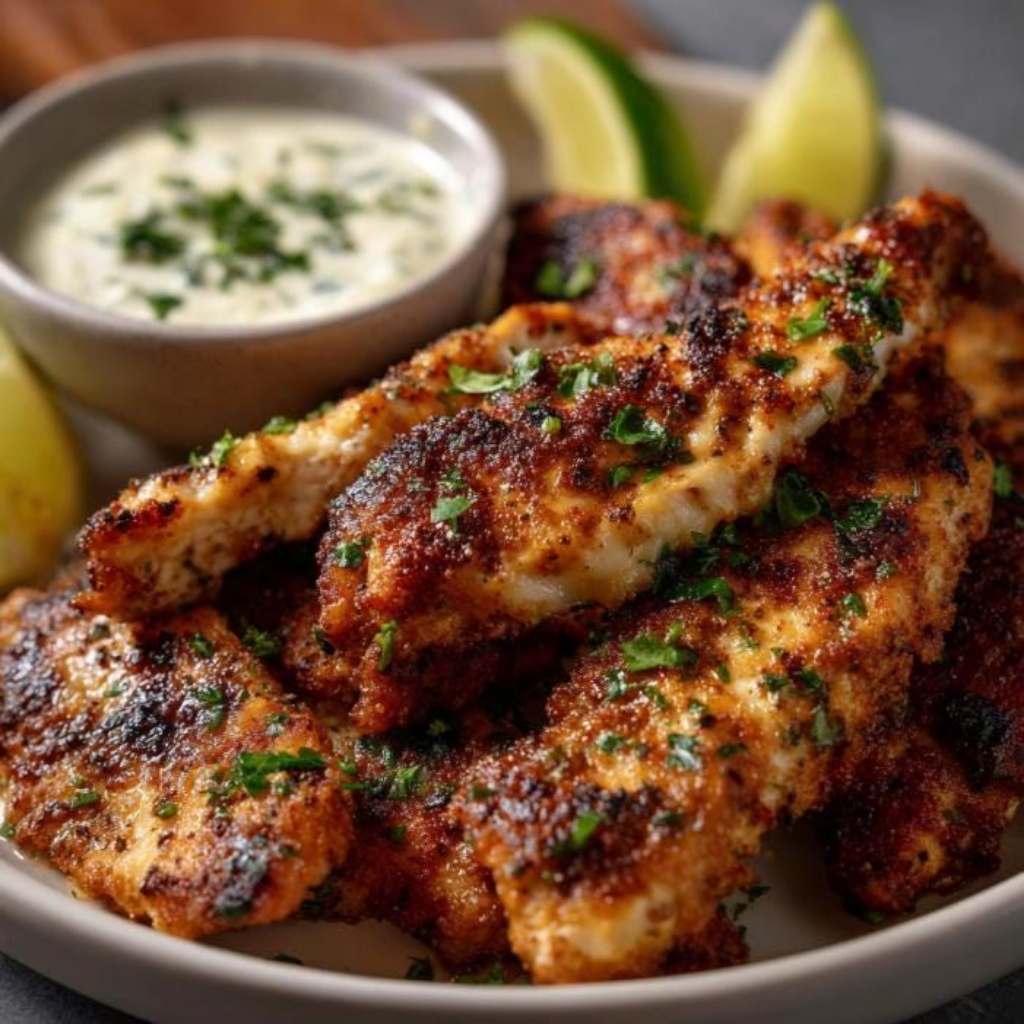
Perfect karaage delivers a symphony of textures and flavors that unfold with each bite. The exterior coating shatters audibly—it should be light enough that you can hear it crack when you bite down. This gives way to incredibly tender, juicy chicken that pulls apart easily with a fork.
The flavor profile balances savory and aromatic elements beautifully. The soy sauce provides depth and umami, while the ginger adds a subtle warmth that doesn’t overpower. Garlic rounds out the marinade with its mellow richness, and the sesame oil contributes a nutty background note that ties everything together.
What surprises many people is how light karaage feels compared to Western-style fried chicken. The potato starch coating doesn’t absorb oil the way flour-heavy batters do, resulting in chicken that feels satisfying without being heavy. Each piece should feel substantial but not greasy, with the coating providing textural contrast rather than masking the chicken’s natural flavor.
The white pepper adds a subtle heat that’s more aromatic than spicy—it enhances the other flavors rather than competing with them. When done correctly, you’ll notice how clean the finish is, with no lingering greasiness or overwhelming seasoning.
Tips & Variations
The marinade timing makes a significant difference in the final result. While 30 minutes is the minimum, marinating for 2-4 hours allows the flavors to penetrate deeper into the meat. Overnight is even better if you’re planning ahead, but beyond 24 hours, the texture can become too soft.
If you can’t find potato starch, cornstarch works as a substitute, though the texture will be slightly different. Potato starch creates a lighter, more delicate coating, while cornstarch produces something a bit more substantial. Both work well—it’s just a matter of preference.
For a spicier version, add a teaspoon of grated fresh chili or a pinch of cayenne pepper to the marinade. Some cooks like to add a tablespoon of miso paste for extra umami depth, though this changes the flavor profile significantly.
Chicken thighs are strongly recommended over breasts for this recipe. The higher fat content keeps the meat moist during frying, and the flavor is more robust. If you must use breasts, reduce the cooking time slightly and watch the internal temperature carefully.
The oil temperature really matters. If you don’t have a thermometer, test with a small piece of the coating mixture—it should sizzle immediately when dropped in the oil but not violently. Adjust your heat accordingly and give the oil time to recover between batches.
Storage & Make-Ahead
Fresh karaage is undeniably best, but leftovers can be successfully reheated if stored properly. Allow the chicken to cool completely before refrigerating in a container lined with paper towels. The paper towels absorb any residual moisture that could make the coating soggy.
Properly stored karaage keeps for up to 3 days in the refrigerator. To reheat, use a 400°F oven for 8-10 minutes rather than the microwave, which will make the coating chewy. An air fryer works exceptionally well for reheating—about 5 minutes at 375°F brings back most of the original crispiness.
The marinade can be prepared up to a week ahead and stored in the refrigerator. The coating mixture can be mixed and stored in an airtight container for several weeks. Having these components ready makes the actual cooking process much more manageable.
For make-ahead entertaining, you can marinate the chicken and prepare the coating mixture the day before. The actual frying should be done as close to serving time as possible for the best texture.
Serving Suggestions
Karaage shines as an appetizer with cold Japanese beer or sake, but it’s equally at home as a main course. Serve it over steamed rice with a side of pickled vegetables for a complete meal, or tuck pieces into flour tortillas with shredded cabbage and spicy mayo for fusion tacos.
The traditional accompaniment is simply lemon wedges and Japanese mayonnaise for dipping. The bright acidity of the lemon cuts through the richness perfectly, while the mayo provides a creamy contrast. Some people enjoy it with a small dish of soy sauce mixed with a few drops of rice vinegar.
For a more substantial meal, pair karaage with miso soup, steamed edamame, and a simple cucumber salad. The clean, fresh flavors complement the rich chicken beautifully. It also works wonderfully in bento boxes—the coating holds up well at room temperature.
Consider serving it alongside other Japanese favorites like gyoza or yakitori for a varied appetizer spread. The different textures and cooking methods create an interesting contrast that keeps people engaged throughout the meal.
FAQ
Can I use chicken breasts instead of thighs? You can, but thighs are strongly recommended. They stay much more tender during frying due to their higher fat content. If using breasts, pound them slightly to ensure even thickness and reduce the cooking time by about a minute per batch.
What if I can’t find potato starch? Cornstarch makes an acceptable substitute, though the texture will be slightly different. You can also use a mixture of cornstarch and rice flour (3:1 ratio) for something closer to the original texture. All-purpose flour works in a pinch but creates a heavier coating.
How do I know when the oil temperature is right without a thermometer? Drop a small amount of the coating mixture into the oil. It should sizzle immediately and rise to the surface within a few seconds. If it sinks and bubbles slowly, the oil isn’t hot enough. If it browns within seconds, the oil is too hot.
Can I make this gluten-free? Absolutely. Replace the all-purpose flour in the coating with rice flour or additional potato starch. Make sure your soy sauce is gluten-free (tamari works perfectly), and you’ll have a completely gluten-free version that tastes just as good.
Why is my coating not staying crispy? The most common causes are oil that’s not hot enough, overcrowding the pot, or not draining the chicken properly after frying. Make sure your oil maintains 340°F, fry in small batches, and always drain on a wire rack rather than paper towels.
There’s something deeply satisfying about mastering a technique that seems simple but relies on precise timing and temperature control. This karaage recipe rewards attention to detail with chicken that’s genuinely restaurant-quality. The marinade does most of the flavor work for you, while the coating technique ensures that perfect crunch every time. Once you’ve made this a few times, you’ll find yourself craving it regularly—and wondering why you ever settled for ordinary fried chicken.