
Follow Me On Social Media!

Instant Pot Spaghetti: The One-Pot Pasta That Actually Works (No Mushy Noodles!).

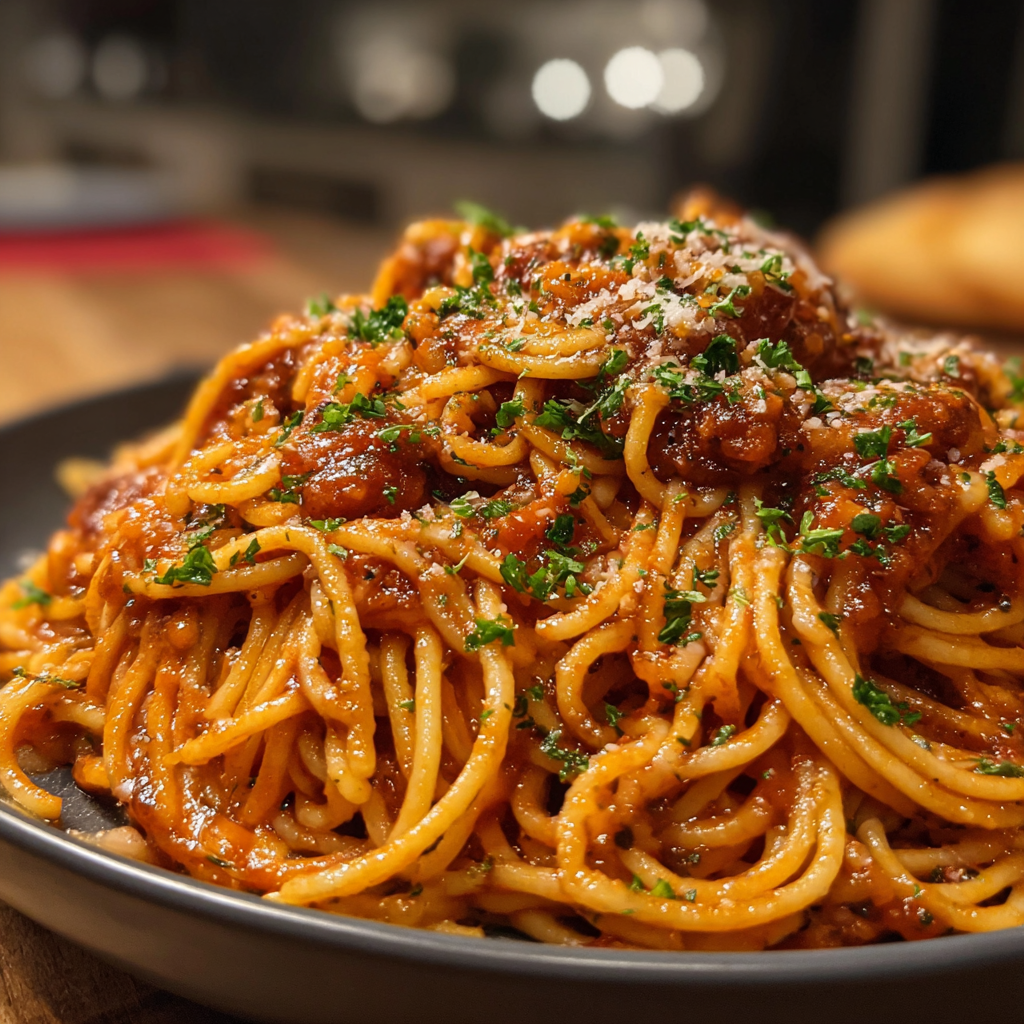
I’ll be honest—I was skeptical about making pasta in the Instant Pot for the longest time. Too many horror stories of mushy, overcooked noodles and watery sauces had me convinced that some things were just meant to be done the traditional way. Then a particularly chaotic weeknight changed my perspective entirely. With a sink full of dishes, hungry kids, and exactly 20 minutes before bedtime, I threw caution to the wind and tried this one-pot spaghetti method. The result? Perfectly cooked pasta with a rich, flavorful sauce and exactly one pot to wash.
This Instant Pot spaghetti recipe solves the biggest problems with pressure cooker pasta: timing and texture. The key is understanding how pasta behaves under pressure and adjusting your liquid ratios accordingly. Unlike stovetop cooking where you use lots of water that gets drained away, pressure cooking pasta means the starch stays in the pot, naturally thickening your sauce while the noodles cook to the perfect al dente texture.
What makes this recipe special is the layering technique that prevents the dreaded “burn” message while ensuring even cooking. The sauce ingredients go in first, creating a protective layer, then the pasta gets arranged on top with just enough liquid to cook properly. The result is a complete meal that tastes like it simmered for hours but comes together in under 30 minutes total.
This isn’t just a weeknight shortcut—though it certainly excels there. It’s a genuinely delicious way to make spaghetti that happens to be incredibly convenient. The concentrated cooking method actually intensifies flavors in ways that traditional pasta cooking can’t match.
Ingredients
For the Sauce Base:
- 1 tablespoon olive oil
- 1 medium onion, diced (about 1 cup)
- 4 cloves garlic, minced
- 1 pound ground beef or Italian sausage
- 1 can (28 ounces) crushed tomatoes
- 1 can (14.5 ounces) diced tomatoes, undrained
- 2 tablespoons tomato paste
- 2 teaspoons Italian seasoning
- 1 teaspoon dried basil
- 1/2 teaspoon dried oregano
- 1 teaspoon salt
- 1/2 teaspoon black pepper
- 1/4 teaspoon red pepper flakes (optional)
For the Pasta:
- 1 pound spaghetti, broken in half
- 3 cups beef or chicken broth
- 1 cup water
For Serving:
- 1/2 cup freshly grated Parmesan cheese
- 2 tablespoons fresh basil, chopped
- Additional Parmesan for serving
Instructions
Turn your Instant Pot to sauté mode and heat the olive oil until it shimmers. This initial step builds the foundation of flavor that makes this dish taste like it cooked all day. Add the diced onion and cook for 3-4 minutes until it becomes translucent and starts to soften. The onion should release its moisture and begin to caramelize slightly around the edges.
Add the minced garlic and cook for another 30 seconds until fragrant. Be careful not to let it brown—burnt garlic will add a bitter note that can’t be undone. The combination of sautéed onion and garlic creates an aromatic base that permeates the entire dish.
Add the ground beef or sausage, breaking it up with a wooden spoon as it browns. Cook for 5-7 minutes until the meat is no longer pink and has developed some color. If using particularly fatty meat, you may want to drain some of the excess fat, but leave a little for flavor. The browning process adds crucial depth to the final sauce.
Stir in the tomato paste and cook for 1 minute, letting it caramelize slightly. This step is important—raw tomato paste can taste harsh, but cooking it briefly mellows the flavor and adds richness to the sauce. The paste will darken and become fragrant.
Add the crushed tomatoes, diced tomatoes with their juice, Italian seasoning, basil, oregano, salt, pepper, and red pepper flakes if using. Stir everything together to combine. The mixture should be fairly thick at this point—don’t worry, the pasta cooking liquid will thin it out to the perfect consistency.
Now comes the crucial layering step that prevents burning and ensures even cooking. Without stirring, layer the broken spaghetti noodles over the sauce mixture in a crisscross pattern. This prevents the noodles from clumping together and ensures even liquid distribution. Pour the broth and water evenly over the pasta, but do not stir. The liquid should just barely cover the noodles.
Secure the Instant Pot lid and set the valve to sealing. Cook on high pressure for 8 minutes. This timing works for regular spaghetti—if you’re using thicker pasta like linguine, add 1-2 minutes. For thinner pasta like angel hair, reduce the time to 6 minutes.
When the cooking time is complete, allow for a 10-minute natural pressure release, then carefully quick-release any remaining pressure. This partial natural release prevents the pasta from overcooking while ensuring the sauce has time to thicken properly.
Remove the lid and give everything a good stir. The pasta will look quite saucy at first, but it will absorb more liquid as it sits. If the consistency seems too thick, add a splash of broth or water. If it’s too thin, select sauté mode and simmer with the lid off for a few minutes until it reaches your desired thickness.
Taste and adjust seasonings as needed. The concentrated cooking method means flavors can be quite intense, so you might want to add a pinch of sugar to balance acidity or more salt to enhance the overall flavor profile.
Flavor & Texture Notes
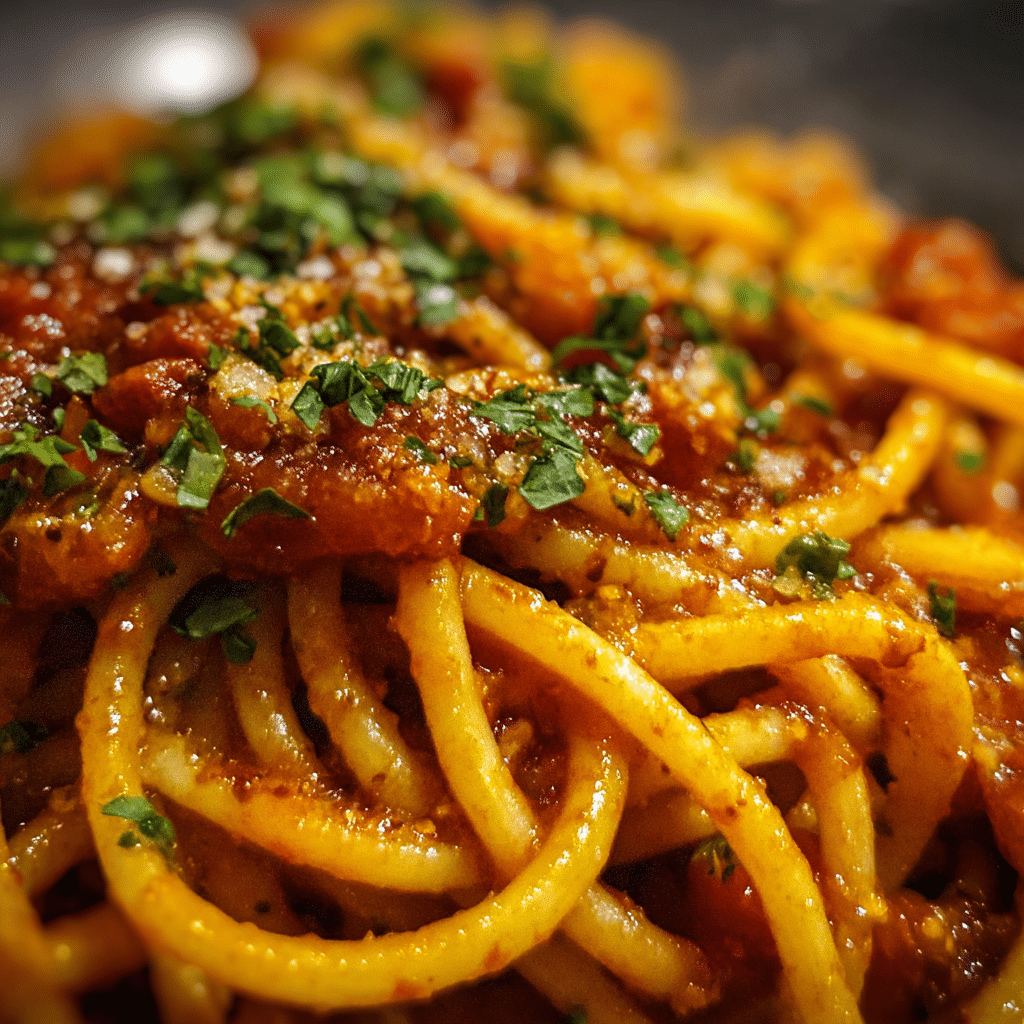
This Instant Pot spaghetti delivers remarkably well-developed flavors despite the quick cooking time. The pressure cooking process intensifies the tomato flavors while the meat becomes incredibly tender and well-integrated with the sauce. The pasta absorbs flavors as it cooks, rather than just being coated with sauce afterward.
The texture is where this method really shines. The spaghetti comes out perfectly al dente—not mushy like many pressure cooker pasta disasters. The key is the precise liquid measurement and timing. The pasta has just enough bite to feel satisfying, while the sauce clings beautifully to each strand.
The sauce itself develops a rich, concentrated flavor that tastes like it simmered for hours. The initial sautéing of aromatics creates depth, while the pressure cooking melds all the flavors together beautifully. The natural starch released from the pasta helps thicken the sauce to the perfect consistency without any flour or cream.
The overall dish has a hearty, comfort-food quality that’s deeply satisfying. Each forkful delivers perfectly seasoned pasta with chunks of tender meat in a robust tomato sauce that’s neither too thick nor too thin.
Tips & Variations
Pasta Shape Matters: This recipe works best with long pasta that’s broken in half. Spaghetti, linguine, and fettuccine all work well. Avoid short pasta shapes like penne or rotini, which cook differently under pressure and may result in uneven textures.
Liquid Ratios: The 4:1 ratio of total liquid to pasta weight is crucial. Too little liquid and you’ll get the dreaded “burn” message; too much and your pasta will be mushy. Stick to the measurements until you get comfortable with the technique.
Meat Variations: Ground turkey, chicken, or even plant-based meat alternatives work well. You can also omit meat entirely and add vegetables like bell peppers, zucchini, or mushrooms during the sauté phase. For vegetarian versions, use vegetable broth instead of meat broth.
Cheese Integration: While Parmesan is classic, try stirring in some cream cheese or ricotta during the final stirring phase for an ultra-creamy sauce. Mozzarella added at the end creates a cheese-pull effect that’s particularly appealing to kids.
Spice Level: Adjust heat with red pepper flakes, or add diced jalapeños during the sauté phase for fresh heat. Italian sausage instead of ground beef automatically adds more complex spicing.
Vegetable Additions: Frozen vegetables like spinach, peas, or corn can be stirred in after cooking. Fresh vegetables should be added during the sauté phase to prevent overcooking.
Storage & Make-Ahead
This Instant Pot spaghetti keeps wonderfully in the refrigerator for up to 4 days. The flavors actually improve overnight as they have time to meld together. Store in airtight containers and reheat gently on the stovetop with a splash of broth or water to loosen the sauce.
For reheating, avoid the microwave if possible—it tends to make the pasta gummy. Instead, reheat in a skillet over medium-low heat, stirring gently and adding liquid as needed to restore the proper consistency.
This recipe doubles easily if you have a larger Instant Pot, making it perfect for meal prep or feeding a crowd. The cooking time remains the same, but you may need an extra minute or two of natural pressure release.
Individual portions can be frozen for up to 3 months. Thaw overnight in the refrigerator and reheat as directed above. The texture is best when not frozen, but it’s still quite good and incredibly convenient for busy nights.
Serving Suggestions
This hearty spaghetti pairs beautifully with a simple Caesar salad or mixed greens dressed with balsamic vinaigrette. The acidic greens provide a nice contrast to the rich, tomatoey pasta. Garlic bread is classic, though you might find the dish is satisfying enough on its own.
For wine pairings, try a medium-bodied red like Chianti or Sangiovese, which complement the tomato-based sauce without overpowering it. If you prefer white wine, a crisp Pinot Grigio works well, especially if you’ve made a lighter version without meat.
Serve in warmed bowls with plenty of freshly grated Parmesan and a sprinkle of fresh basil. A small dish of red pepper flakes on the side allows diners to customize their heat level.
This makes an excellent family dinner, but it’s also sophisticated enough for casual entertaining. Set up a little Parmesan station with a microplane grater and let guests add their own cheese—there’s something satisfying about grating fresh cheese that elevates even a simple pasta dinner.
FAQ
Why does my pasta come out mushy? This usually happens when there’s too much liquid or the pressure release was done too quickly. Stick to the exact liquid measurements and always do a 10-minute natural release before quick-releasing. Also, make sure you’re using the correct pasta shape—short pasta and very thin pasta don’t work well with this method.
I keep getting the “burn” message. What am I doing wrong? The burn message typically occurs when there’s not enough liquid or when ingredients are sticking to the bottom. Make sure to deglaze the pot well after browning the meat, and don’t stir once you’ve added the pasta and liquid. The layering technique is crucial for preventing hot spots.
Can I use fresh tomatoes instead of canned? Fresh tomatoes don’t provide enough liquid for proper pressure cooking and may result in burning. Canned tomatoes also have a more concentrated flavor that works better in this cooking method. If you want to use fresh tomatoes, stick to traditional stovetop cooking methods.
How do I know if I need more liquid? The liquid should just barely cover the pasta when you look down into the pot. If you can see pasta sticking up significantly above the liquid level, add a bit more broth. But be conservative—too much liquid is harder to fix than too little.
Can I add cream to make it creamy? Dairy can curdle under pressure, so it’s best to add cream, cream cheese, or sour cream after cooking is complete. Stir it in during the final mixing phase when the pot is off heat. This prevents curdling and gives you better control over the final texture.
Sometimes the best recipes come from necessity rather than inspiration. This Instant Pot spaghetti was born from those hectic weeknights when you need something satisfying, homemade, and fast. What started as a shortcut has become one of my most-requested dinners—proof that convenience doesn’t have to mean sacrificing flavor. Once you master the technique, you’ll find yourself reaching for the Instant Pot for pasta night more often than you’d expect. It’s not just about saving time; it’s about creating something genuinely delicious with minimal effort and cleanup.