
Follow Me On Social Media!

Honey Soy Salmon Recipe: Quick 30-Minute Weeknight Dinner.

There’s something incredibly satisfying about a recipe that makes you look like you spent hours in the kitchen when really, you were done in half the time it takes to stream an episode of your favorite show. This honey soy salmon is exactly that kind of recipe. I started making it on those evenings when I wanted something that felt special but didn’t have the energy for anything complicated. The glaze comes together in minutes, the salmon cooks quickly, and the result is a beautiful piece of fish with a glossy, caramelized coating that tastes like it came from a restaurant.
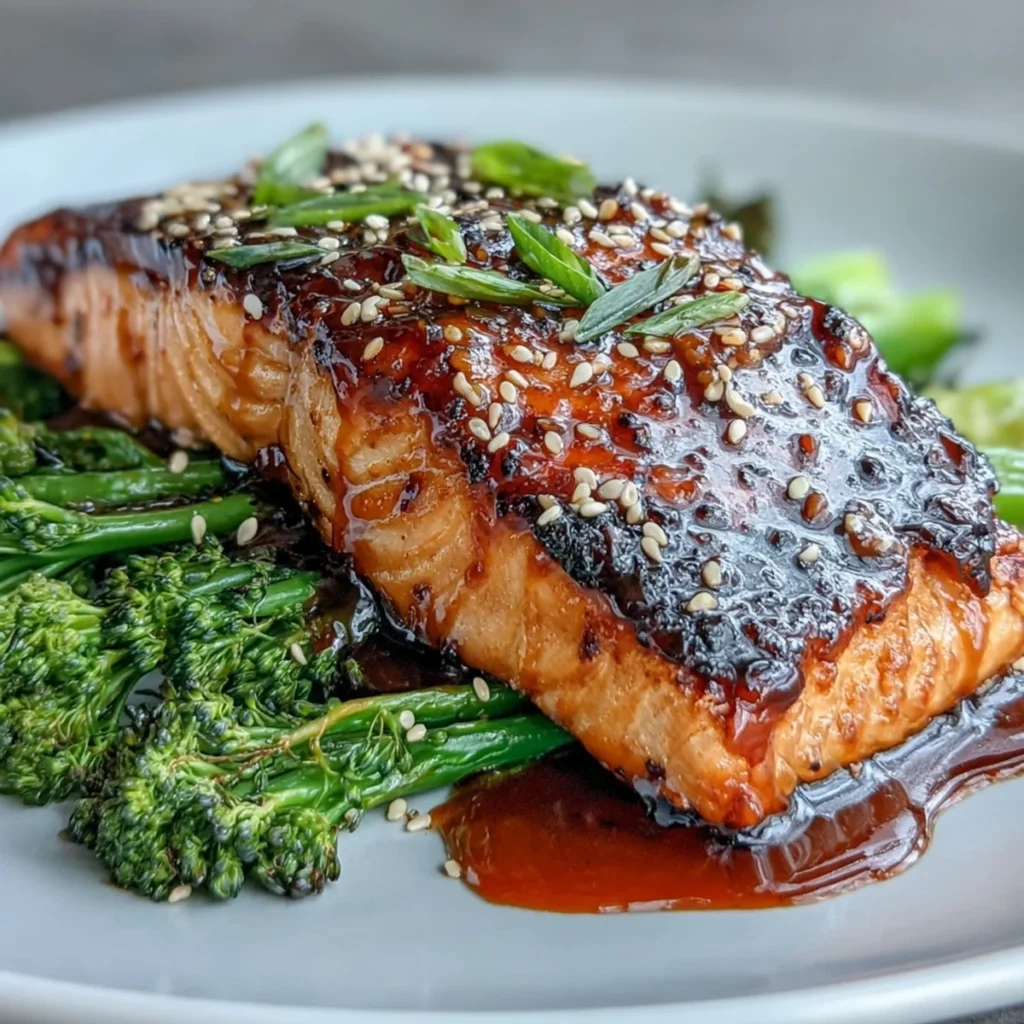
What makes this honey soy salmon work so well is the balance. The sweetness from honey meets the salty depth of soy sauce, with just enough acidity and garlic to keep things interesting. The salmon itself stays tender and flaky inside while developing that gorgeous golden-brown exterior. It’s the kind of meal that works for a regular Tuesday but also feels fancy enough for guests. And because it’s ready in 30 minutes, you’re not stuck at the stove while everyone else relaxes.
This recipe has become my go-to when I need something reliable. It works whether you’re cooking for one or scaling up for a family. The ingredients are straightforward, the method is simple, and the results are consistently good. No fancy techniques required—just a hot pan, a few minutes of your time, and you’ve got a proper meal.
Ingredients
For the Salmon:
- 4 salmon fillets (about 6 ounces each, skin-on or skinless)
- 1 tablespoon olive oil or vegetable oil
- Salt and black pepper to taste
For the Honey Soy Glaze:
- 3 tablespoons soy sauce (regular or low-sodium)
- 3 tablespoons honey
- 2 cloves garlic, minced
- 1 tablespoon rice vinegar (or apple cider vinegar)
- 1 teaspoon fresh ginger, grated
- 1/2 teaspoon sesame oil
- 1/4 teaspoon red pepper flakes (optional, for a touch of heat)
- 1 teaspoon cornstarch mixed with 1 tablespoon water (for thickening)
For Serving:
- Sesame seeds
- Sliced green onions
- Lime wedges
Instructions
Start by patting your salmon fillets dry with paper towels. This step matters more than you might think—excess moisture prevents the fish from getting a good sear and makes it harder for the glaze to stick properly. Season both sides with a light sprinkle of salt and pepper. Don’t go heavy on the salt since the soy sauce in the glaze will add plenty of saltiness later.
While the salmon sits, make your glaze. In a small bowl, whisk together the soy sauce, honey, minced garlic, rice vinegar, grated ginger, sesame oil, and red pepper flakes if you’re using them. The mixture should be smooth and well combined. Have your cornstarch slurry ready nearby—you’ll add it later to thicken the glaze into that glossy coating we’re after.
Heat your oil in a large skillet over medium-high heat. You want the pan hot enough that the salmon will sizzle when it hits the surface, but not so hot that the honey in the glaze will burn later. Once the oil shimmers, carefully place the salmon fillets in the pan. If you’re using skin-on salmon, start with the skin side down. Let the salmon cook undisturbed for about 4-5 minutes. This is where patience pays off—moving the fish too early can cause it to stick or tear.
After those first few minutes, the salmon should release easily from the pan and have a nice golden color on the cooked side. Flip the fillets gently and cook for another 3-4 minutes on the second side. The exact timing depends on the thickness of your fillets, but you’re looking for the fish to be just cooked through and still slightly translucent in the very center. It will continue cooking a bit from residual heat.
Once the salmon is nearly done, reduce the heat to medium-low and pour the honey soy mixture into the pan around the fillets. The liquid will bubble up immediately—this is normal. Let it simmer for about a minute, then add your cornstarch slurry while stirring the sauce gently. The glaze will start to thicken within 30 seconds or so. Use a spoon to baste the salmon with the glaze repeatedly, coating each piece thoroughly. This builds up those beautiful layers of flavor and creates that shiny finish.
Let the salmon cook in the glaze for another minute or two, continuing to spoon the sauce over the top. You’ll know it’s ready when the glaze has reduced to a syrupy consistency and clings to the fish instead of running off. Remove the pan from heat and transfer the salmon to serving plates. Spoon any remaining glaze from the pan over each piece.
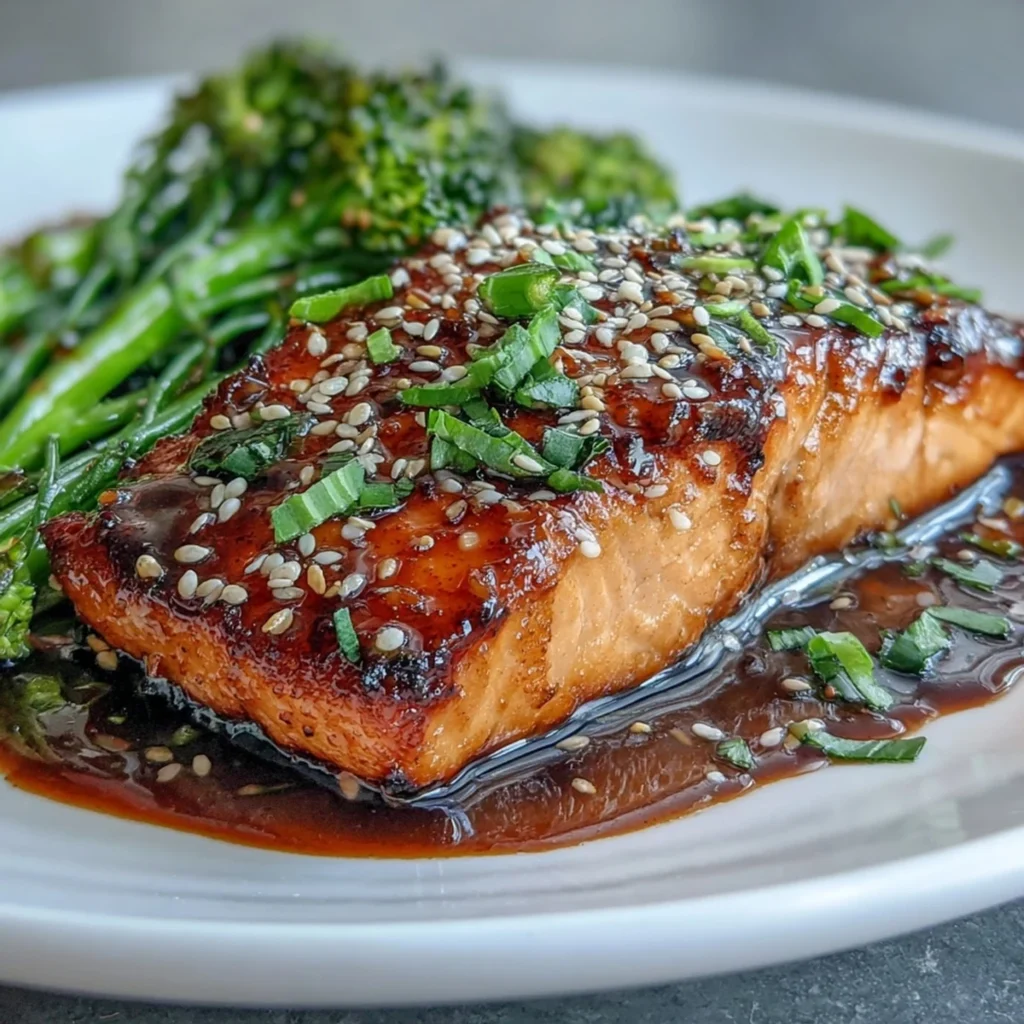
Finish with a sprinkle of sesame seeds and sliced green onions for color and texture. A lime wedge on the side adds a bright, citrusy element that cuts through the richness nicely.
Flavor & Texture Notes
The glaze on this honey soy salmon strikes a balance that keeps each bite interesting. The honey brings a natural sweetness that caramelizes slightly in the hot pan, creating little pockets of deeper, almost toasty flavor. The soy sauce provides that savory, umami-rich backbone that makes the salmon taste fuller and more complex. You’ll notice the garlic and ginger working in the background—not overpowering, just adding warmth and a subtle aromatic quality.
The texture is where this recipe really shines. The outside of the salmon gets this beautiful golden crust with a slight tackiness from the glaze, almost lacquered in appearance. When you cut into it, the fish inside is tender and flaky, breaking apart easily with a fork. The contrast between the glazed exterior and the soft, buttery interior is what makes this dish feel more elevated than its simple preparation would suggest.
The rice vinegar adds a gentle tang that prevents the honey from making things too sweet. It’s bright without being sharp, just enough to wake up your palate between bites. If you added the red pepper flakes, you’ll get tiny hints of heat that build gradually rather than hitting you all at once. The sesame oil contributes a nutty undertone that rounds everything out.
Tips & Variations
If you can’t find fresh salmon or prefer a budget-friendly option, frozen salmon works perfectly fine here. Just make sure to thaw it completely and pat it extra dry before cooking. Excess water from frozen fish can dilute the glaze and prevent proper browning.
For a thicker glaze, double the cornstarch slurry or let the sauce reduce a bit longer. If you accidentally make it too thick, add a splash of water or more soy sauce to thin it back out. The glaze should coat a spoon but still drip off slowly.
Try swapping the honey for maple syrup or agave nectar if that’s what you have on hand. The flavor shifts slightly—maple adds an earthier sweetness, while agave stays more neutral—but both work well with the soy sauce base. Brown sugar is another option; use about 2 tablespoons and add a little extra water to help it dissolve.
If you’re not a fan of ginger, you can leave it out entirely. The recipe still works without it, though you’ll lose some of that warm, spicy complexity. Similarly, if raw garlic is too strong for your taste, use garlic powder instead—about 1/2 teaspoon will give you a milder garlic presence.
Want to make this recipe work for other proteins? The glaze pairs beautifully with chicken thighs, pork chops, or even firm tofu. Adjust cooking times accordingly—chicken and pork need to reach a safe internal temperature, while tofu just needs enough time to absorb the flavors and crisp up a bit.
For a gluten-free version, use tamari instead of regular soy sauce. Check that your other ingredients don’t contain hidden gluten, and you’re good to go. The taste remains virtually identical.
Storage & Make-Ahead
Cooked honey soy salmon keeps well in an airtight container in the refrigerator for up to 3 days. The glaze will firm up when cold, but it loosens again when you reheat the fish. To reheat, use a low oven (around 275°F) for 10-12 minutes, or warm it gently in a covered pan on the stove with a splash of water to prevent drying out. Microwaving works in a pinch but can make the salmon rubbery if you’re not careful—use 50% power and check every 30 seconds.
You can prep the glaze mixture ahead of time and store it in a jar in the fridge for up to a week. Just give it a good shake before using since the ingredients may separate. The salmon itself is best cooked fresh, as raw fish doesn’t store well for more than a day or two.
If you’re meal prepping, cook the salmon fully, let it cool, and portion it out with your sides. The glaze reheats better than you might expect and still tastes great even after a few days. This makes it a solid option for lunch boxes or quick weeknight reheats.
Freezing cooked glazed salmon isn’t ideal since the texture changes and becomes a bit mushy upon thawing, but if you must, wrap individual portions tightly in plastic wrap and aluminum foil. Use within a month and thaw overnight in the refrigerator before reheating.
Serving Suggestions
This honey soy salmon pairs naturally with rice—white, brown, jasmine, or even cauliflower rice if you’re keeping things low-carb. The rice soaks up any extra glaze on the plate, which is half the pleasure of the meal. Steamed or roasted vegetables work well alongside: broccoli, bok choy, snap peas, or green beans all complement the flavors without competing.
For something a bit different, serve the salmon over a simple Asian-style slaw made with shredded cabbage, carrots, and a light sesame dressing. The crunch and freshness balance the richness of the fish nicely. Soba noodles or rice noodles tossed with a little sesame oil and soy sauce make another excellent base.
If you want to go the grain bowl route, layer your rice or quinoa with edamame, sliced cucumber, avocado, and the salmon on top. Drizzle any leftover glaze over everything and add some pickled ginger or a soft-boiled egg for extra interest.
For a lighter presentation, serve the salmon on a bed of mixed greens with a simple vinaigrette. The warm fish slightly wilts the greens, and the honey soy glaze acts almost like a warm dressing itself.
FAQ
Can I use frozen salmon for this recipe? Yes, just make sure it’s completely thawed and very dry before cooking. Frozen salmon tends to release more moisture, so extra patting with paper towels is important to get a good sear and help the glaze adhere properly.
What if I don’t have rice vinegar? Apple cider vinegar or white wine vinegar work as substitutes. Start with a bit less since they can be sharper than rice vinegar, and add more if needed. Even fresh lemon or lime juice can work in a pinch, though the flavor profile shifts slightly toward citrus.
How do I know when the salmon is cooked through? The fish should be opaque throughout and flake easily with a fork. If you’re unsure, you can use an instant-read thermometer—salmon is done at 145°F. It’s better to slightly undercook than overcook, as residual heat will finish the job while you’re plating.
Can I make this without the cornstarch? You can skip it, but the glaze will be thinner and more sauce-like rather than syrupy and coating. It will still taste good, just won’t have that glossy, restaurant-style finish. If you prefer a thinner consistency, go ahead and leave it out.
Is this recipe kid-friendly? Most kids enjoy the sweet and savory combination, though you might want to skip the red pepper flakes and go easy on the ginger if they’re sensitive to spice. The honey makes it appealing to younger palates, and the mild flavor of salmon works better than stronger fish varieties for picky eaters.
Conclusion
This honey soy salmon proves that weeknight cooking doesn’t have to be boring or complicated. With just a handful of ingredients and half an hour, you can put together a meal that feels thoughtful and tastes genuinely good. The glaze does most of the heavy lifting, transforming simple salmon fillets into something that looks and tastes like you put in serious effort.
The beauty of this recipe is its flexibility. Make it as written, or adjust it based on what’s in your pantry or what your family prefers. Use it as a template for other proteins, or keep it in rotation as your reliable salmon go-to. Either way, you’ll have a solid recipe that delivers consistent results without demanding much from you. Give it a try next time you need dinner on the table quickly but don’t want to compromise on flavor.