
Follow Me On Social Media!

Homemade Pepperoni Pizza with Ricotta Cheese.

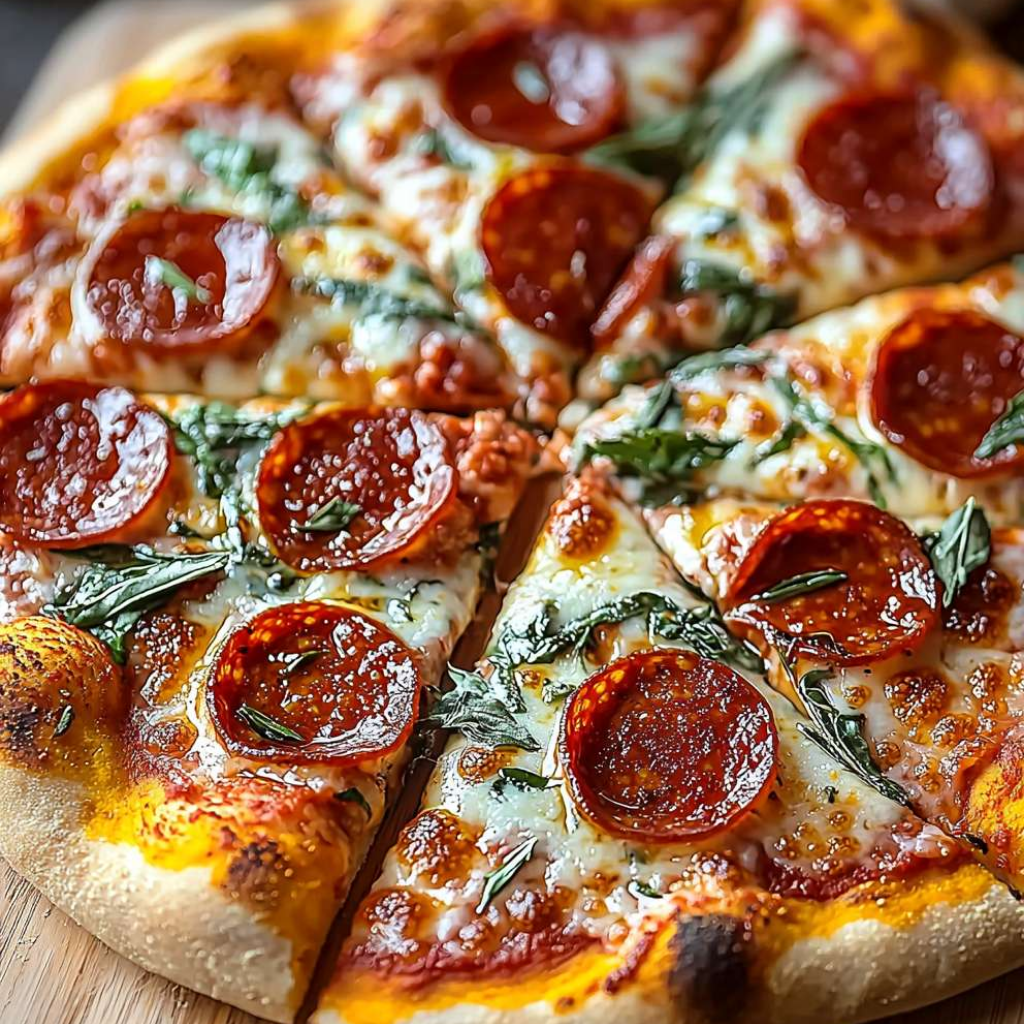
There’s something magical about the combination of spicy pepperoni and creamy ricotta that transforms an ordinary pizza night into something memorable. While most people reach for mozzarella as their go-to pizza cheese, ricotta brings a completely different dimension to the table – literally and figuratively.
I discovered this winning combination during a late-night cooking experiment when I found myself with leftover ricotta from making lasagna and a craving for pizza that wouldn’t quit. What started as a “let’s see what happens” moment has become one of my most requested recipes among friends and family. The ricotta doesn’t just add creaminess; it creates pockets of rich, slightly sweet flavor that balance beautifully against the bold, salty kick of quality pepperoni.
This isn’t your typical delivery pizza. The ricotta creates a luxurious base that holds moisture without making the crust soggy, while the pepperoni gets perfectly crispy around the edges. Whether you’re looking to elevate your homemade pizza game or simply want to try something different from the usual cheese blend, this pepperoni pizza with ricotta delivers both comfort and sophistication in every bite.
Ingredients
For the Pizza Dough:
- 3 cups bread flour
- 1 cup warm water (110°F)
- 2 teaspoons active dry yeast
- 1 tablespoon olive oil
- 1 teaspoon salt
- 1 teaspoon sugar
For the Pizza Assembly:
- 1 batch pizza dough (above) or 1 pound store-bought dough
- 1 cup whole milk ricotta cheese
- 1/2 cup pizza sauce or marinara
- 4 ounces pepperoni, sliced
- 1/2 cup fresh mozzarella, torn into small pieces
- 2 tablespoons grated Parmesan cheese
- 1 clove garlic, minced
- 1 tablespoon fresh basil, chopped (plus extra for garnish)
- 1/2 teaspoon dried oregano
- 1/4 teaspoon red pepper flakes (optional)
- 2 tablespoons olive oil
- Salt and black pepper to taste
Instructions
Begin by preparing your pizza dough if making from scratch. In a large bowl, combine the warm water, yeast, and sugar. Let this mixture sit for about 5 minutes until it becomes foamy – this tells you the yeast is active and ready to work. Add the olive oil, then gradually mix in the flour and salt until a rough dough forms.
Turn the dough onto a lightly floured surface and knead for 8-10 minutes until it becomes smooth and elastic. The dough should spring back when you poke it gently. Place it in an oiled bowl, cover with a damp towel, and let it rise in a warm spot for 1 hour until doubled in size.
While the dough rises, prepare your ricotta mixture. In a medium bowl, combine the ricotta cheese with minced garlic, chopped basil, oregano, and a pinch of salt and pepper. Mix gently until just combined – you want to keep the ricotta’s natural texture rather than making it completely smooth.
Preheat your oven to 475°F. If you have a pizza stone, place it in the oven during preheating. This high temperature is crucial for achieving that perfect balance of crispy crust and properly melted toppings.
Once the dough has doubled, punch it down gently and turn it onto a floured surface. Roll or stretch the dough into a 14-inch circle. Don’t worry about making it perfectly round – rustic shapes often look more appealing and taste just as good. Transfer the dough to a pizza pan or parchment paper if using a pizza stone.
Brush the dough lightly with olive oil, which creates a barrier that prevents the crust from getting soggy. Spread the pizza sauce evenly across the surface, leaving about an inch border for the crust. The key here is restraint – too much sauce will make your pizza soggy, while too little leaves you with dry spots.
Now comes the fun part: distributing the ricotta. Instead of spreading it like traditional cheese, drop spoonfuls of the seasoned ricotta mixture evenly across the pizza. These dollops will create pockets of creamy richness that contrast beautifully with the other elements.
Arrange the pepperoni slices over and around the ricotta, allowing some pieces to overlap slightly. This creates varying levels of crispiness – some pieces will get extra crispy while others stay slightly chewy. Scatter the torn mozzarella pieces throughout, filling in gaps between the ricotta and pepperoni.
Sprinkle the Parmesan cheese over everything, followed by the red pepper flakes if you enjoy a bit of heat. The Parmesan will create beautiful golden spots as it bakes, adding both visual appeal and sharp, nutty flavor.
Bake for 12-15 minutes, or until the crust is golden brown and the cheese is bubbly with some nicely browned spots. The ricotta should look set but not dried out, and the pepperoni edges should be slightly crispy and curled.
Remove from the oven and let the pizza rest for 2-3 minutes – this brief cooling period helps the cheese set slightly and prevents a molten cheese disaster when you take your first bite. Garnish with fresh basil leaves and a light drizzle of olive oil before slicing.
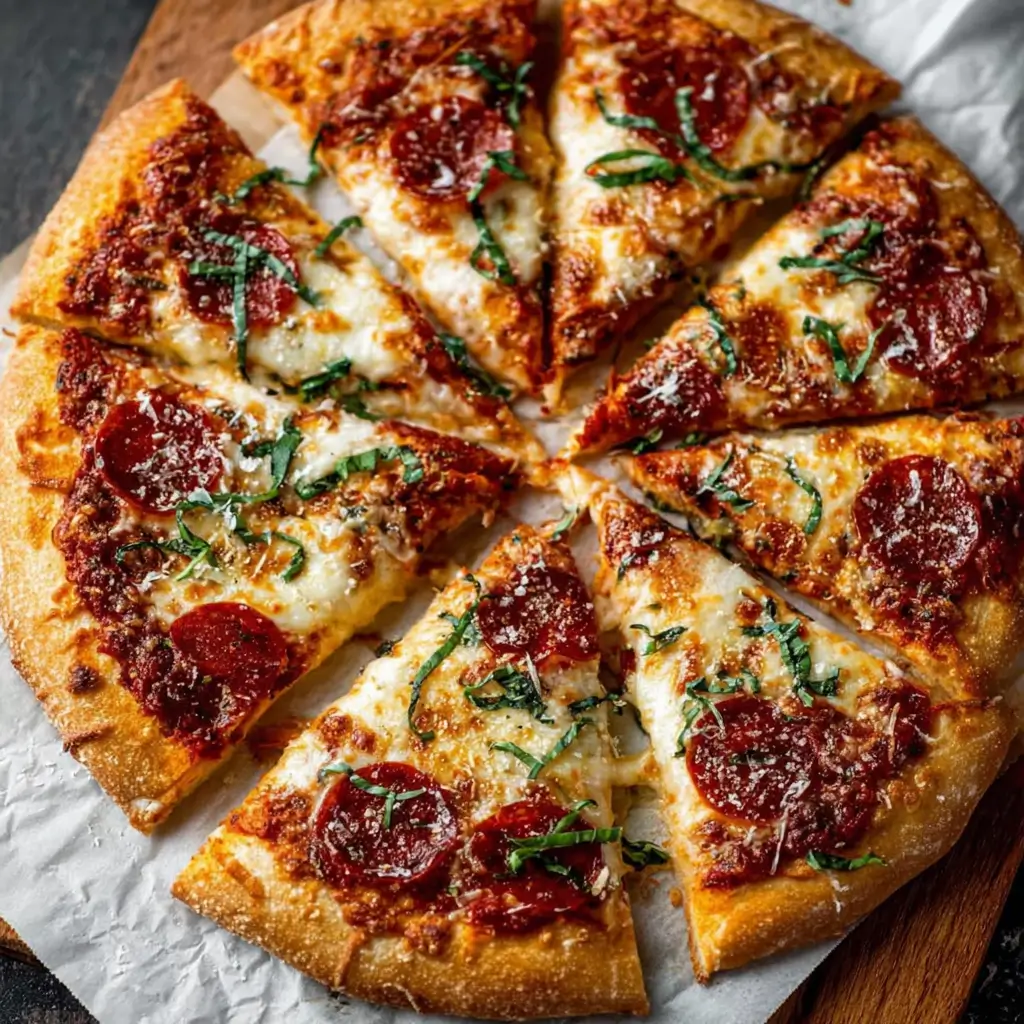
Flavor & Texture Notes
This pizza delivers a complex flavor profile that goes well beyond typical pepperoni pizza. The ricotta provides a creamy, slightly sweet base that mellows the saltiness of the pepperoni while adding richness without overwhelming heaviness. Unlike stretchy mozzarella, ricotta creates distinct pockets of creaminess that burst with flavor when you bite into them.
The pepperoni develops crispy, slightly charred edges that provide textural contrast against the smooth ricotta, while the fresh mozzarella adds that classic pizza cheese pull we all crave. The garlic-herb ricotta mixture brings aromatic depth, and the Parmesan contributes sharp, nutty notes that tie everything together.
The crust achieves that perfect balance – crispy on the bottom with a slight char, yet tender enough to showcase the toppings without competing with them. Each bite offers different textures and flavor intensities, making this pizza interesting from first slice to last.
Tips & Variations
For the best results, use whole milk ricotta rather than part-skim versions. The higher fat content creates better texture and richer flavor. If your ricotta seems watery, drain it in a fine-mesh strainer for 15 minutes before mixing with the seasonings.
Consider upgrading your pepperoni game by visiting a good deli or Italian market. Artisanal pepperoni often has better spice blends and less grease than standard supermarket versions. Cup-and-char pepperoni, which curls into little cups as it cooks, creates perfect grease-catching vessels that intensify the flavor.
For a white pizza variation, skip the tomato sauce entirely and brush the dough with olive oil mixed with minced garlic. This lets the ricotta and pepperoni flavors shine even brighter. Add some caramelized onions or roasted red peppers for extra sweetness and color.
Vegetarian versions work beautifully by replacing pepperoni with roasted vegetables like bell peppers, mushrooms, or zucchini. Sun-dried tomatoes provide a similar intensity to pepperoni while keeping the pizza meat-free.
If you’re short on time, store-bought pizza dough works perfectly well. Just let it come to room temperature for easier stretching, and don’t skip the olive oil brush – it really does prevent sogginess.
For those avoiding gluten, cauliflower crusts pair surprisingly well with ricotta toppings, though you’ll want to pre-bake the crust for extra crispiness before adding toppings.
Storage & Make-Ahead
Leftover pizza keeps well in the refrigerator for up to 3 days when stored in airtight containers. For the best reheating results, use a skillet over medium heat rather than the microwave. Place slices in the dry skillet, cover with a lid, and heat for 2-3 minutes until the bottom crisps up and the toppings warm through.
The ricotta mixture can be prepared up to 2 days ahead and refrigerated. In fact, letting it sit allows the flavors to meld beautifully. The pizza dough can also be made ahead – after the initial rise, punch it down, wrap tightly, and refrigerate for up to 24 hours or freeze for up to 3 months.
If you want to prep entire pizzas ahead, assemble them on parchment paper-lined baking sheets, wrap well with plastic wrap, and freeze. Bake directly from frozen, adding 3-5 extra minutes to the cooking time.
Serving Suggestions
This rich pizza pairs wonderfully with simple sides that won’t compete with its bold flavors. A crisp arugula salad dressed with lemon vinaigrette provides peppery freshness that cuts through the richness. Caesar salad also works well, especially if you use the same Parmesan you put on the pizza.
For drinks, consider a medium-bodied red wine like Chianti or Sangiovese, which complement both the pepperoni and ricotta beautifully. Beer lovers should reach for something with enough hops to balance the richness – an IPA or pale ale works perfectly. Even sparkling water with lemon provides a refreshing palate cleanser between slices.
If serving at a party, cut this pizza into smaller squares rather than traditional triangles. The ricotta topping is rich enough that smaller portions allow people to try more variety if you’re serving multiple pizzas.
FAQ
Can I use low-fat ricotta cheese? While you can substitute low-fat ricotta, the texture and flavor won’t be quite as rich and creamy. Whole milk ricotta provides better browning and doesn’t release as much moisture during baking, which helps prevent a soggy crust.
How do I prevent the ricotta from making my pizza soggy? The key is using ricotta that isn’t too wet and not over-saucing the pizza. If your ricotta seems watery, drain it first. Also, brush the dough with olive oil before adding toppings – this creates a moisture barrier.
Can I make this pizza without a pizza stone? Absolutely. A regular baking sheet or pizza pan works fine. For extra crispiness, preheat your pan in the oven for a few minutes before adding the dough, or place your pan on the lowest oven rack during baking.
What’s the best way to reheat leftover pizza? Skip the microwave and use a skillet instead. Heat slices in a dry skillet over medium heat, covered, for 2-3 minutes. This reheats the toppings while re-crisping the bottom crust.
Can I freeze this pizza? Yes, both baked and unbaked pizzas freeze well for up to 3 months. Wrap individual slices or whole pizzas tightly in plastic wrap and aluminum foil. Baked pizza can be reheated directly from frozen in a 350°F oven for 10-15 minutes.
This pepperoni pizza with ricotta proves that sometimes the best discoveries come from simple experimentation. The combination creates something familiar yet surprising – comfort food with an elegant twist that works equally well for casual family dinners or entertaining friends. Once you try this creamy, savory variation, regular pepperoni pizza might start feeling a little incomplete.