
Follow Me On Social Media!

Gochujang Butter Brussels Sprouts: The Perfect Balance of Heat and Richness.

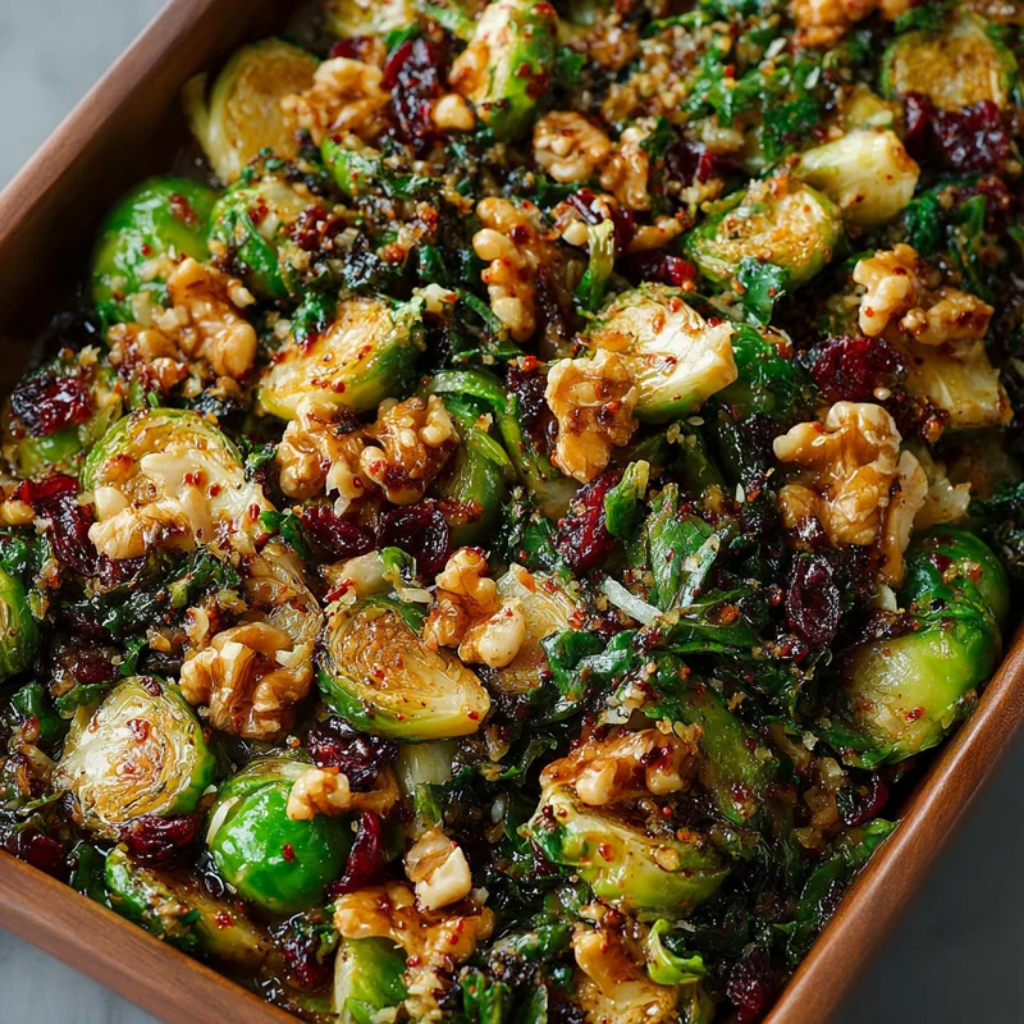
Last winter, I found myself staring at yet another bag of Brussels sprouts in my fridge, wondering how to make them exciting enough that my family would actually finish them. That’s when I remembered the jar of gochujang sitting in my pantry—a Korean chili paste I’d bought months earlier for a single recipe and promptly forgotten about. What started as an experimental pairing has become one of our most requested side dishes, and for good reason.
This gochujang butter Brussels sprouts recipe transforms humble vegetables into something genuinely crave-worthy. The fermented Korean chili paste brings a complex heat that’s both sweet and savory, while butter mellows everything into perfect harmony. Unlike traditional roasted Brussels sprouts that can sometimes taste bitter or one-dimensional, this version offers layers of flavor that keep you coming back for more.
The beauty of this dish lies in its simplicity. You don’t need specialty equipment or hard-to-find ingredients beyond the gochujang itself, which has become increasingly available in regular grocery stores. The technique is straightforward enough for a weeknight dinner, yet impressive enough to serve at your next dinner party. Plus, it works beautifully alongside everything from grilled meats to grain bowls, making it one of those versatile recipes you’ll find yourself making again and again.
Ingredients
For the Brussels Sprouts:
- 2 pounds fresh Brussels sprouts, trimmed and halved
- 3 tablespoons neutral oil (vegetable or avocado oil work well)
- 1 teaspoon kosher salt
- 1/2 teaspoon black pepper
For the Gochujang Butter:
- 4 tablespoons unsalted butter, softened
- 2 tablespoons gochujang paste (adjust to taste preference)
- 1 tablespoon honey or maple syrup
- 1 tablespoon rice vinegar
- 2 cloves garlic, minced
- 1 teaspoon sesame oil
For Garnish:
- 2 green onions, thinly sliced
- 1 tablespoon sesame seeds, toasted
- Fresh cilantro leaves (optional)
Instructions
Start by preheating your oven to 425°F (220°C). This high temperature is crucial for achieving the crispy, caramelized edges that make Brussels sprouts irresistible. While the oven heats, prepare your vegetables by trimming the stem ends and removing any yellowed outer leaves. Cut each sprout in half lengthwise, which creates more surface area for browning and allows the flavors to penetrate better.
In a large bowl, toss the halved Brussels sprouts with the neutral oil, salt, and pepper. Make sure every piece gets coated evenly—this step ensures consistent browning and seasoning throughout. Spread the sprouts in a single layer on a large rimmed baking sheet, cut side down. Don’t overcrowd them; use two baking sheets if necessary. Overcrowding leads to steaming rather than roasting, and you’ll miss out on those beautifully caramelized edges.
Roast the Brussels sprouts for 18-22 minutes, until the cut sides are deeply golden brown and the outer leaves are crispy. The timing can vary depending on the size of your sprouts, so start checking at the 18-minute mark. You want them tender when pierced with a fork, but with enough structure to hold their shape.
While the sprouts are roasting, prepare the gochujang butter. In a small bowl, combine the softened butter, gochujang paste, honey, rice vinegar, minced garlic, and sesame oil. Mix everything together until smooth and well incorporated. The mixture should be glossy and deep reddish-brown in color. Taste and adjust the gochujang if you prefer more or less heat—remember, you can always add more, but you can’t take it away.
Once the Brussels sprouts are perfectly roasted, remove them from the oven and immediately add dollops of the gochujang butter mixture while they’re still hot. The residual heat will melt the butter, creating a glossy coating that clings to every surface. Toss everything together gently but thoroughly, ensuring each sprout gets coated with the flavorful butter.
Transfer the finished Brussels sprouts to a serving platter and garnish with sliced green onions, toasted sesame seeds, and fresh cilantro if using. Serve immediately while they’re still warm and the butter is glossy.
Flavor & Texture Notes
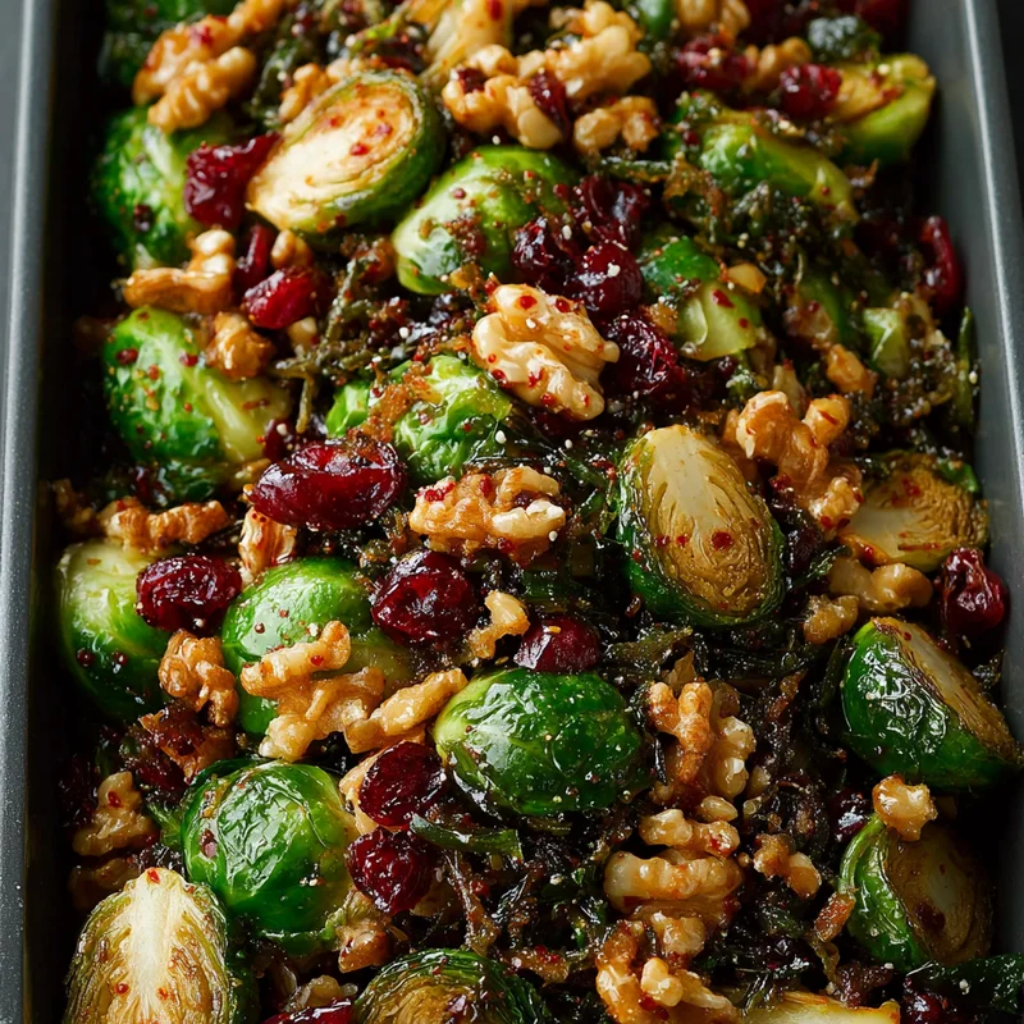
The first bite of these gochujang butter Brussels sprouts delivers a perfect balance of textures and flavors. The exterior leaves become incredibly crispy during roasting, almost like vegetable chips, while the interior remains tender and slightly sweet. The gochujang butter creates a glossy coating that’s simultaneously spicy, sweet, and umami-rich.
The heat from the gochujang builds gradually rather than hitting you all at once. It’s the kind of warmth that enhances rather than overwhelms the natural earthiness of the Brussels sprouts. The fermented quality of gochujang adds depth that regular chili paste simply can’t match—there’s a subtle funkiness that plays beautifully against the butter’s richness.
The honey balances the heat while amplifying the natural sweetness that develops when Brussels sprouts caramelize. Rice vinegar adds just enough acidity to brighten everything up and prevent the dish from feeling heavy. The sesame oil contributes a nutty finish that ties all the Korean flavors together, while the garlic provides aromatic depth throughout.
Each bite offers different textural experiences depending on which part of the sprout you’re eating. The crispy outer leaves provide satisfying crunch, while the tender hearts offer more substantial, almost meaty bites. The overall effect is complex and satisfying in a way that makes these vegetables feel more like a treat than a healthy obligation.
Tips & Variations
The key to perfect Brussels sprouts is getting them properly dried after washing. Any excess moisture will create steam in the oven, preventing the crispy edges you’re after. After washing and trimming, pat them completely dry with paper towels or let them air dry for a few minutes before tossing with oil.
If you can’t find gochujang at your local grocery store, check Asian markets or order online. In a pinch, you can substitute with sriracha mixed with a small amount of miso paste, though the flavor will be different. For those who prefer less heat, start with just 1 tablespoon of gochujang and add more to taste.
This recipe works well with different sizes of Brussels sprouts, but larger ones may need an extra 3-5 minutes of roasting time. Very small sprouts can be left whole if you prefer, though halving them still gives better results for browning and flavor absorption.
For a vegan version, substitute the butter with vegan butter or additional sesame oil mixed with a tablespoon of tahini. The texture will be slightly different, but the flavors remain delicious. You can also add other vegetables to the sheet pan—carrots, cauliflower, or broccoli all work well with this same treatment.
If you want to add protein, consider tossing in some crispy bacon bits or toasted nuts like almonds or peanuts during the final mixing step. For extra freshness, a squeeze of lime juice right before serving brightens everything up beautifully.
Storage & Make-Ahead
These Brussels sprouts are best served immediately while the butter is still glossy and the textures are at their peak. However, leftovers keep in the refrigerator for up to three days in a covered container.
To reheat, spread them on a baking sheet and warm in a 350°F (175°C) oven for 5-7 minutes, just until heated through. Avoid microwaving, which will make the crispy leaves soggy.
You can prepare the gochujang butter mixture up to three days in advance and store it covered in the refrigerator. Let it come to room temperature before using, or the cold butter won’t distribute evenly over the hot vegetables.
The Brussels sprouts can be trimmed and halved up to a day ahead. Store them in a sealed container in the refrigerator, but make sure they’re completely dry before roasting to maintain crispiness.
Serving Suggestions
These gochujang butter Brussels sprouts pair beautifully with grilled or roasted meats, particularly pork, chicken, or beef. They’re substantial enough to serve alongside simple preparations like grilled steak or roasted chicken thighs, where they add both color and complex flavors to the plate.
For vegetarian meals, they work wonderfully over steamed rice or quinoa, turning into a satisfying main dish with the addition of a fried egg on top. They also complement other Korean-inspired dishes perfectly—try them alongside bulgogi, Korean fried chicken, or even as a side for Korean barbecue.
The flavors also work well in grain bowls or as part of a larger spread of small plates. Consider serving them with other roasted vegetables, some pickled items for acidity, and perhaps some steamed rice or noodles for a complete meal.
For entertaining, these Brussels sprouts make an excellent addition to holiday tables or dinner parties. They’re visually striking with their glossy coating and colorful garnishes, and the flavors are universally appealing without being too exotic for conservative palates.
FAQ
Can I use frozen Brussels sprouts for this recipe? Fresh Brussels sprouts work much better for this preparation. Frozen sprouts contain too much moisture and won’t develop the crispy, caramelized edges that make this dish special. If you must use frozen, thaw them completely and pat them very dry before roasting, and expect slightly different results.
How spicy is gochujang, and can I adjust the heat level? Gochujang has a moderate heat level—spicier than sriracha but milder than many hot sauces. The heat builds gradually and is balanced by sweetness. Start with less gochujang than the recipe calls for if you’re sensitive to spice, and add more to taste after mixing with the other butter ingredients.
What can I substitute for gochujang if I can’t find it? While nothing exactly replicates gochujang’s complex flavor, you can mix 2 teaspoons sriracha with 1 teaspoon each of miso paste and brown sugar as a substitute. The result will be different but still delicious. Many grocery stores now carry gochujang in their international aisles.
Can I make this recipe in an air fryer? Yes, air fryers work well for Brussels sprouts. Cook at 375°F (190°C) for 12-15 minutes, shaking the basket halfway through. The timing may vary depending on your air fryer model and the size of your sprouts. Add the gochujang butter immediately after cooking while they’re still hot.
Why do my Brussels sprouts sometimes taste bitter? Bitterness usually comes from overcooking or using old Brussels sprouts. Choose firm, bright green sprouts without yellowing leaves. Don’t cook them beyond tender—they should still have some bite to them. The sweetness from proper caramelization and the honey in the gochujang butter also help balance any natural bitterness.
This gochujang butter Brussels sprouts recipe proves that vegetables can be just as exciting and crave-worthy as any other dish on your table. The combination of Korean flavors with proper roasting technique creates something that’s both familiar and exotic, comforting and exciting. Whether you’re looking to convert Brussels sprouts skeptics in your family or simply want to add more interesting vegetables to your repertoire, this recipe delivers every time. Give it a try, and don’t be surprised if it becomes one of your most requested dishes—it certainly has in my house.