
Follow Me On Social Media!

Ginger Scallion Noodles: A 30-Minute Recipe That Actually Delivers.

There’s something about ginger scallion noodles that makes them feel like a secret you’ve been let in on. Maybe it’s because they’re so simple that you wonder why you haven’t been making them all along. Or maybe it’s the way the sharp bite of fresh ginger mellows into something aromatic and warm when it hits hot oil, mixing with the grassy sweetness of scallions to create a sauce that clings to every strand of noodle.
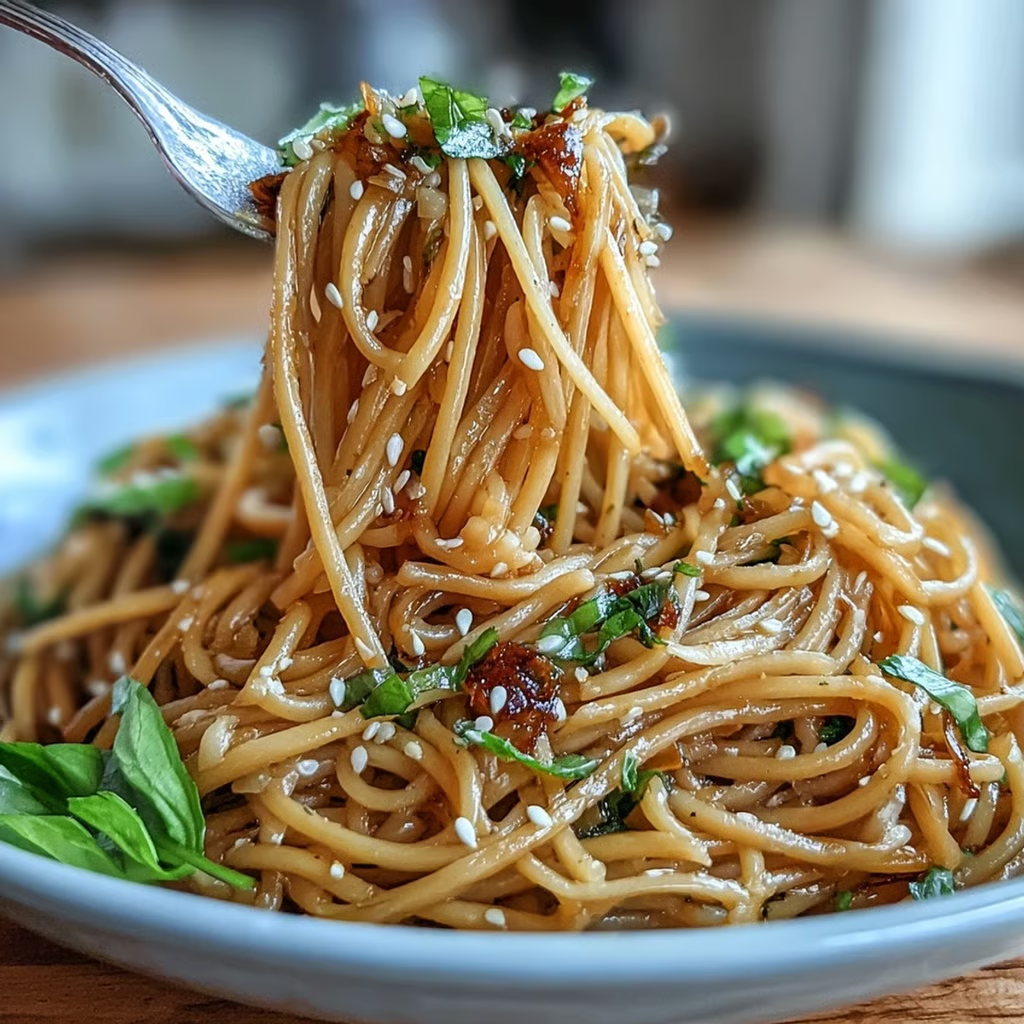
This recipe comes from the tradition of Cantonese ginger scallion oil—a staple condiment that transforms plain ingredients into something worth sitting down for. The beauty here is in the technique: infusing oil with aromatics to build deep flavor quickly, then tossing it with noodles that have just enough chew to hold the sauce without getting heavy. It’s the kind of meal that works equally well as a quick weeknight dinner or a side dish when you’re cooking for friends. And yes, it really does take about 30 minutes from start to finish, with most of that time being hands-off.
What makes this version work is the balance. You get the warmth from ginger without it overwhelming everything else. The scallions add a mild onion flavor that’s fresh rather than harsh. A touch of soy sauce brings saltiness and umami, while a small amount of sugar rounds out the edges. It’s not trying to be fancy—it’s just really good noodles.
Ingredients
For the Noodles:
- 12 oz fresh or dried Chinese egg noodles (or lo mein noodles)
- 1 tablespoon neutral oil (for tossing)
For the Ginger Scallion Oil:
- ½ cup neutral oil (vegetable, canola, or grapeseed)
- 3-inch piece fresh ginger, peeled and julienned into thin matchsticks
- 6 scallions, white and light green parts separated from dark green tops, all thinly sliced
- ¾ teaspoon salt
- ¼ teaspoon sugar (optional, but recommended)
For the Sauce:
- 2 tablespoons soy sauce
- 1 tablespoon rice vinegar
- 1 teaspoon sesame oil
- ¼ teaspoon white pepper (or black pepper)
Optional Additions:
- Toasted sesame seeds for garnish
- Extra scallion greens for topping
- Chili oil or red pepper flakes if you want heat
Instructions
Cook the Noodles
Bring a large pot of water to a rolling boil. Add your noodles and cook according to package directions—usually 3 to 5 minutes for fresh noodles, 6 to 8 minutes for dried. You want them tender but still slightly firm, with a bit of bounce when you bite into them. Fresh noodles often cook faster than you expect, so start checking at the 3-minute mark.
Once they’re done, drain them in a colander and rinse briefly under cool water to stop the cooking. This also rinses off excess starch that can make them gummy. Shake off the water well, then toss the noodles with about a tablespoon of neutral oil to keep them from sticking while you prepare the sauce.
Make the Ginger Scallion Oil
This is where the magic happens. Heat the half cup of neutral oil in a small saucepan or skillet over medium heat. You want the oil warm but not smoking—around 300°F if you’re checking with a thermometer, though you don’t need to be that precise. Add the julienned ginger and the white and light green parts of the scallions. The oil should bubble gently around the aromatics, not violently sizzle.
Let this cook for about 3 to 4 minutes, stirring occasionally. You’ll notice the ginger and scallions softening and the oil taking on a golden tint. The kitchen will start to smell really good—sharp and aromatic at first, then mellowing into something more complex. You’re looking for the scallions to turn slightly golden and the ginger to soften without browning too much.
Remove the pan from the heat and immediately stir in the salt and sugar. The residual heat will dissolve the sugar. Add the dark green scallion tops now—they’ll wilt in the hot oil and add a fresh, bright note that balances the cooked aromatics. Let this sit while you mix the sauce.
Mix the Sauce
In a small bowl, whisk together the soy sauce, rice vinegar, sesame oil, and white pepper. This becomes the seasoning base that ties everything together. The vinegar adds a slight tang that cuts through the richness of the oil, while the sesame oil brings a nutty depth.
Combine Everything
Transfer your cooked noodles to a large mixing bowl. Pour the ginger scallion oil over the noodles—make sure to get all the aromatics, not just the oil. They’re packed with flavor. Add the soy sauce mixture and toss everything together using tongs or chopsticks. Work it around so every strand gets coated. The noodles should look glossy and smell incredible.
Taste and adjust. If you want more saltiness, add a splash more soy sauce. If it needs brightness, another small splash of vinegar does the trick. Some people like an extra drizzle of sesame oil here too.
Serve
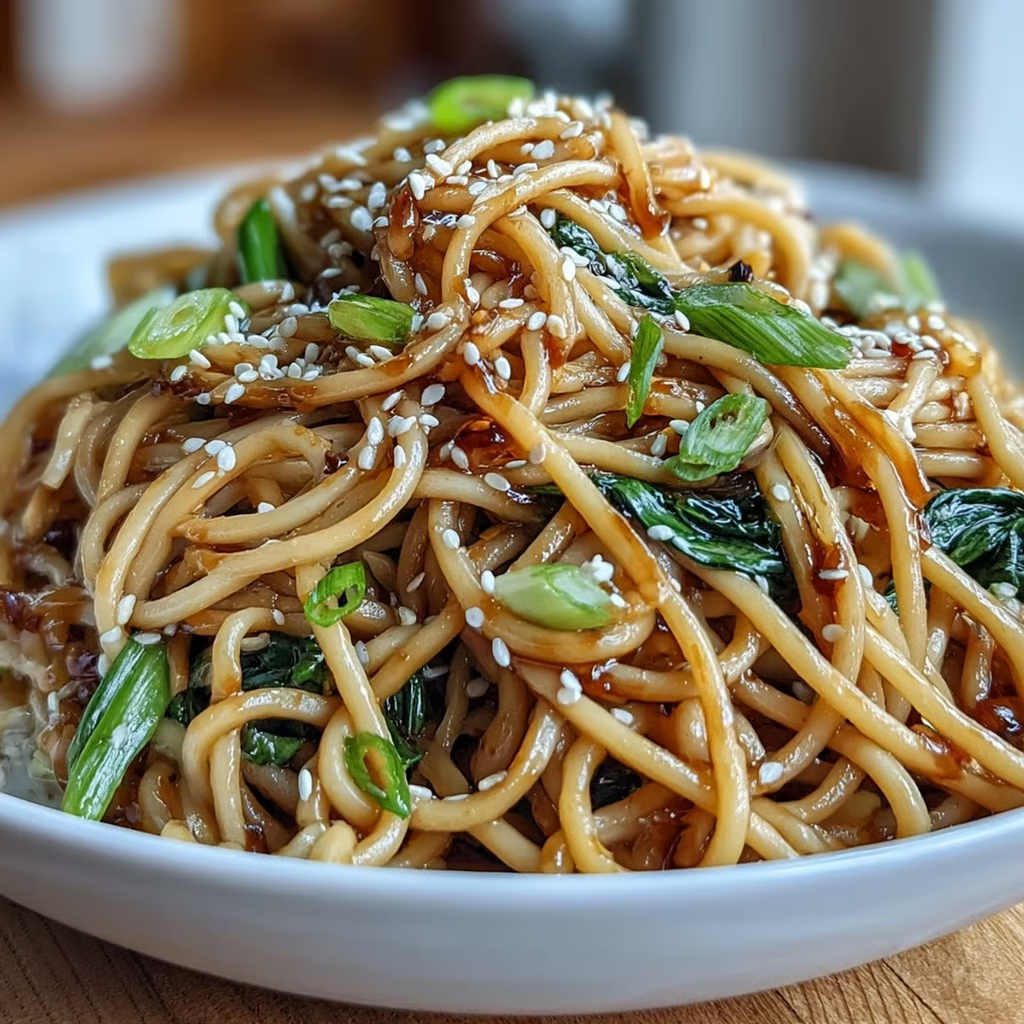
Transfer to a serving bowl or individual plates. Sprinkle with toasted sesame seeds if you’re using them, and add extra sliced scallion greens on top for color and freshness. If you want heat, now’s the time to drizzle on some chili oil or sprinkle red pepper flakes.
Flavor & Texture Notes
The first thing you notice is the aroma—ginger hits you first, followed by the sweeter, milder scent of cooked scallions. When you take a bite, the noodles have a pleasant chew, neither mushy nor tough. They’re slippery from the oil in the best way, so they slide around your chopsticks a bit.
The flavor builds as you eat. The ginger gives warmth without spiciness, more aromatic than sharp. The scallions add layers—the cooked white parts are sweet and mellow, while the fresh green tops still have some bite. The soy sauce brings savory depth, and the vinegar keeps everything from feeling heavy or one-note. The sesame oil works in the background, adding a subtle nuttiness you might not identify immediately but would miss if it weren’t there.
The texture of the ginger and scallion pieces matters too. They’re soft but still present, giving you something to chew on beyond just the noodles. If you’ve added sesame seeds, they provide tiny pops of crunch. The white pepper adds a different kind of heat than black pepper would—it’s more floral, less straightforward.
Overall, it feels clean and satisfying. Not heavy like cream-based pasta, but substantial enough that you’re not hungry an hour later. The flavors are clear and distinct rather than muddled together.
Tips & Variations
Noodle Options: If you can’t find Chinese egg noodles, fresh ramen noodles work well here. Dried spaghetti or linguine will do in a pinch—just cook them al dente. Rice noodles change the dish quite a bit, making it lighter and more slippery, but they’re a good gluten-free option if you adjust your expectations.
Protein Additions: This recipe is vegetarian as written, but it pairs well with proteins. Shredded rotisserie chicken tossed in at the end makes it more filling. Pan-fried tofu cubes add texture. Quickly sautéed shrimp with a bit of garlic fits the flavor profile nicely. A soft-boiled egg on top turns it into a more complete meal.
Adjusting the Ginger: Ginger intensity varies depending on how fresh it is and how much you use. If you’re cautious about ginger, start with a smaller piece—maybe 2 inches instead of 3. You can always add more next time. Conversely, if you’re a ginger lover, use up to 4 inches of ginger.
Making It Spicy: The base recipe has a gentle heat from white pepper, but if you want more, there are several options. Toss in some thinly sliced fresh red chili peppers when you’re cooking the ginger and scallions. Drizzle chili oil over the finished dish. Or mix in a spoonful of chili crisp—the kind with crunchy bits adds texture too.
Vegan Adaptation: Use a good quality soy sauce or tamari to ensure it’s vegan-friendly. Most other ingredients are already plant-based.
Adding Vegetables: Blanched bok choy, snap peas, or spinach can bulk this up. Add them to the noodles just before tossing with the sauce. Cucumber ribbons on the side provide a cool, crunchy contrast.
Oil Quantity: Half a cup of oil might seem like a lot, but remember it’s distributed across the entire dish and some of it stays in the bowl. If you want to use less, you can cut it to a third of a cup, though the sauce won’t coat as thoroughly.
Storage & Make-Ahead
These noodles are best eaten right after making them, when the aromatics are freshest and the noodles haven’t had time to soak up all the sauce. That said, they’ll keep in an airtight container in the refrigerator for up to 2 days.
The noodles will firm up and clump together as they cool. When you’re ready to eat them again, you have two options. You can eat them cold—they work surprisingly well as a cold noodle dish, especially if you toss them with some fresh cucumber or lettuce. Or you can reheat them gently in a skillet with a splash of water or additional oil to loosen them up. Microwave reheating works too but tends to make the texture less appealing.
The ginger scallion oil itself can be made ahead and stored in the refrigerator for up to a week. Just make the oil portion and keep it in a jar. When you’re ready to make the noodles, cook them fresh and toss them with the pre-made oil and sauce. This actually makes weeknight cooking even faster.
If you’re meal prepping, keep the components separate. Store the cooked, oiled noodles in one container, the ginger scallion oil in another, and the soy sauce mixture in a third. Combine them when you’re ready to eat, either cold or reheated.
Don’t freeze these noodles. The texture suffers significantly, and they turn mushy when thawed.
Serving Suggestions
Ginger scallion noodles work in several contexts. As a main dish, they’re light enough that you might want to pair them with something else—maybe some quickly sautéed greens or a simple cucumber salad dressed with rice vinegar and a pinch of salt.
They’re excellent as a side dish for grilled or roasted meats. The aromatic quality complements everything from grilled chicken thighs to roasted pork tenderloin. They also work alongside steamed or pan-fried fish—the ginger echoes traditional Cantonese preparations.
For a larger meal, serve these noodles as part of a spread with other dishes. They fit well into a casual dinner with potstickers, stir-fried vegetables, and maybe some marinated tofu or braised mushrooms.
They’re also great for potlucks and gatherings because they can be served at room temperature. Make them an hour or so before serving and let them sit—the flavors meld together nicely.
If you’re eating them on their own, top them with a soft-boiled egg, some pickled vegetables, or a handful of roasted peanuts for added protein and texture.
FAQ
Can I use ground ginger instead of fresh?
Not really. Ground dried ginger has a completely different flavor profile—it’s sharper and more concentrated, with less of the fresh, aromatic quality you need here. Fresh ginger is essential for this recipe to work properly. If you absolutely can’t get fresh ginger, consider making a different noodle dish instead.
What if my noodles get sticky after cooking?
This usually happens if you don’t toss them with oil immediately after draining or if you let them sit too long before adding the sauce. To fix sticky noodles, run them under warm water briefly to loosen them, drain well, then toss with a bit more oil before adding your sauce.
Can I make this gluten-free?
Yes, with adjustments. Use rice noodles instead of wheat-based noodles and make sure your soy sauce is gluten-free (tamari or coconut aminos work). The flavor will be different—rice noodles are more delicate—but it’s still good.
Why does my ginger scallion oil taste bitter?
This usually means you cooked the aromatics too hot or too long, causing them to brown too much or burn. Keep the heat at medium and watch carefully. The oil should bubble gently, not aggressively. The ginger and scallions should soften and turn golden, not dark brown.
Can I add vegetables to the dish?
Absolutely. Blanched greens like bok choy or yu choy work particularly well. Thinly sliced bell peppers, snap peas, or shredded carrots can be tossed in at the end. Just keep in mind that this recipe is built around the simplicity of noodles with aromatic oil, so don’t add so many vegetables that they overshadow the main components.
Final Thoughts
The thing about ginger scallion noodles is they don’t try to be more than they are. There’s no complicated technique to master, no hard-to-find ingredients, no precise timing that makes or breaks the dish. You’re just cooking aromatics in oil and tossing them with noodles. But somehow, with those few simple steps, you end up with something that tastes like you put in way more effort than you did.
This is the kind of recipe that becomes part of your regular rotation once you make it a few times. It’s fast enough for a Tuesday night when you’re tired. It’s interesting enough that you won’t get bored of it. And it’s flexible enough that you can adapt it based on what you have in your kitchen or what sounds good that day. Once you’ve got the basic technique down, you’ll start playing with it—more ginger one time, a handful of spinach another, maybe some chili crisp when you’re in the mood for heat.
Give it a try. Get your ginger and scallions ready, put a pot of water on to boil, and spend the next half hour making something simple that tastes really, really good.