
Follow Me On Social Media!

Easy Miso Soup Recipe | Authentic Japanese Comfort in 20 Minutes

There’s something quietly magical about a bowl of miso soup. It’s the kind of dish that doesn’t announce itself with fanfare, yet it anchors nearly every Japanese meal with its warm, umami-rich presence. I remember the first time I made it at home—I’d assumed it required some secret technique or hard-to-find ingredients. Turns out, authentic miso soup is surprisingly straightforward, built on just a handful of pantry staples that come together in less time than it takes to cook rice.
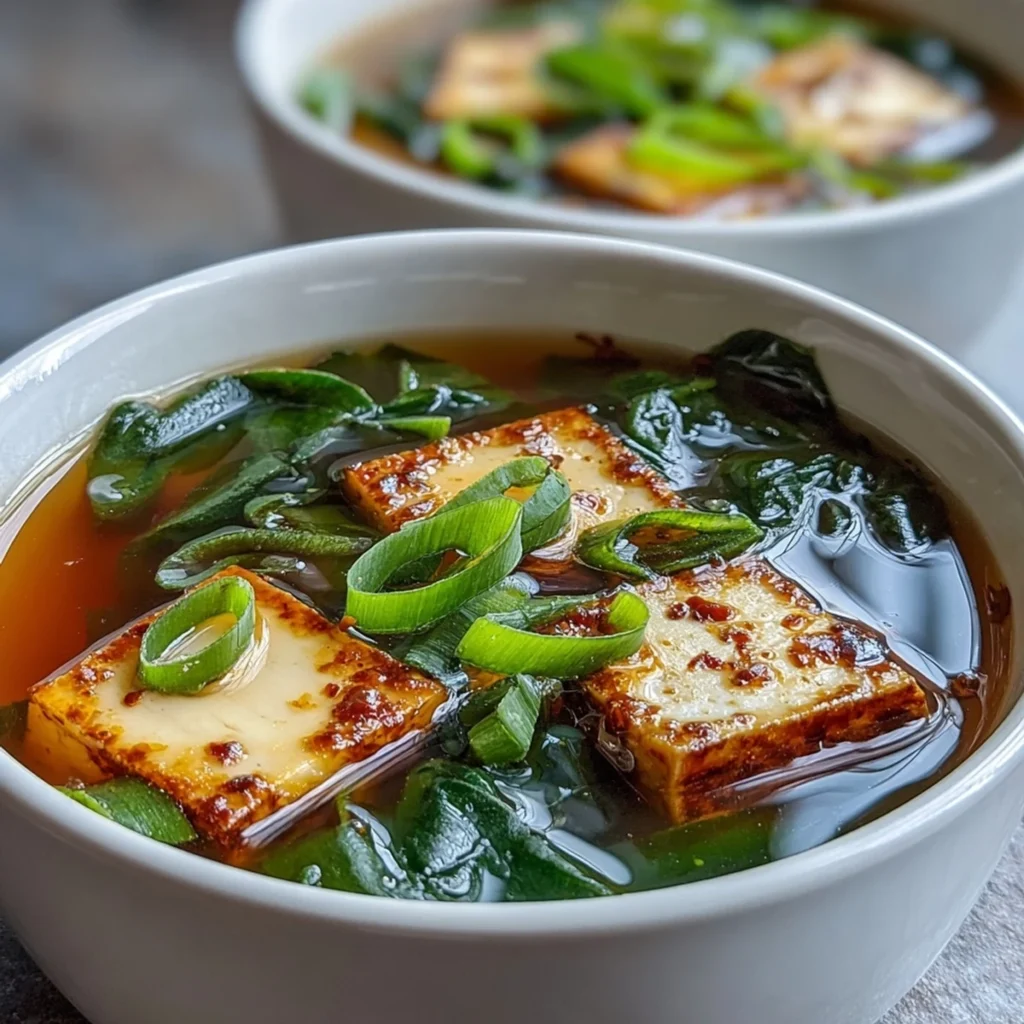
What makes this version special is its simplicity. This isn’t a recipe weighed down with complicated steps or obscure ingredients. Instead, it focuses on the fundamentals: good dashi stock, quality miso paste, silky tofu, and a handful of wakame seawame. The result is a clean, nourishing soup that tastes like it came from a Tokyo kitchen, ready in about 20 minutes from start to finish. Whether you’re looking for a light lunch, a soothing dinner starter, or something comforting when you’re under the weather, this Japanese miso soup delivers every time.
Ingredients
For the Dashi (Japanese Stock):
- 4 cups water
- 1 piece kombu (dried kelp), about 4×4 inches
- 1 cup bonito flakes (katsuobushi)
For the Soup:
- 3 tablespoons miso paste (white, red, or mixed)
- 8 ounces silken tofu, cut into small cubes
- 2 tablespoons dried wakame seaweed
- 2 green onions, thinly sliced
- Optional: 1 teaspoon soy sauce for depth
Note: If you’re short on time, you can substitute instant dashi powder (1 tablespoon dissolved in 4 cups hot water) for the homemade dashi stock.
Instructions
Make the Dashi Stock
Fill a medium pot with 4 cups of cold water and add the kombu. Let it sit for about 10 minutes if you have time—this cold soak extracts more flavor, though you can skip it in a pinch. Place the pot over medium heat and bring it almost to a boil. Just before the water reaches a full boil, remove the kombu with tongs and discard it. Boiling the kombu can make the stock taste bitter, so timing matters here.
Once the kombu is out, bring the water to a full boil, then immediately remove the pot from heat. Add the bonito flakes and let them steep for 3-4 minutes. The flakes will sink as they release their smoky, oceanic flavor into the water. Strain the stock through a fine-mesh sieve lined with cheesecloth or a coffee filter, pressing gently on the bonito flakes to extract every drop of flavor. Your dashi is now ready.
Prepare the Soup Base
Return the strained dashi to the pot and bring it back to a gentle simmer over medium-low heat. While the stock is warming, soak the dried wakame in a small bowl of cold water for about 5 minutes. It will expand significantly, so don’t use too much—two tablespoons of dried seaweed is plenty. Drain the wakame once it’s rehydrated and set it aside.
Add the Tofu and Wakame
When the dashi is simmering, add the cubed tofu and drained wakame. Let them heat through for 2-3 minutes. The tofu should be warmed but not falling apart, and the wakame should be tender. Keep the heat low enough that the soup isn’t boiling aggressively—miso soup should be gentle, not turbulent.
Dissolve the Miso
This step is crucial for smooth, lump-free soup. Scoop out about half a cup of the hot dashi into a small bowl. Add the miso paste to this bowl and whisk it with a fork or small whisk until it’s completely dissolved and smooth. Once it’s silky and there are no clumps, pour the miso mixture back into the pot and stir gently to combine. Never add miso paste directly to the pot—it won’t dissolve properly and you’ll end up with grainy bits throughout your soup.
Turn off the heat immediately after adding the miso. Boiling miso destroys its beneficial probiotics and can make the flavor harsh and overly salty. The soup should be hot but not bubbling.
Finish and Serve
Ladle the soup into bowls and garnish with sliced green onions. If you want a touch more depth, add a few drops of soy sauce to each bowl. Serve immediately while it’s steaming hot.
Flavor & Texture Notes
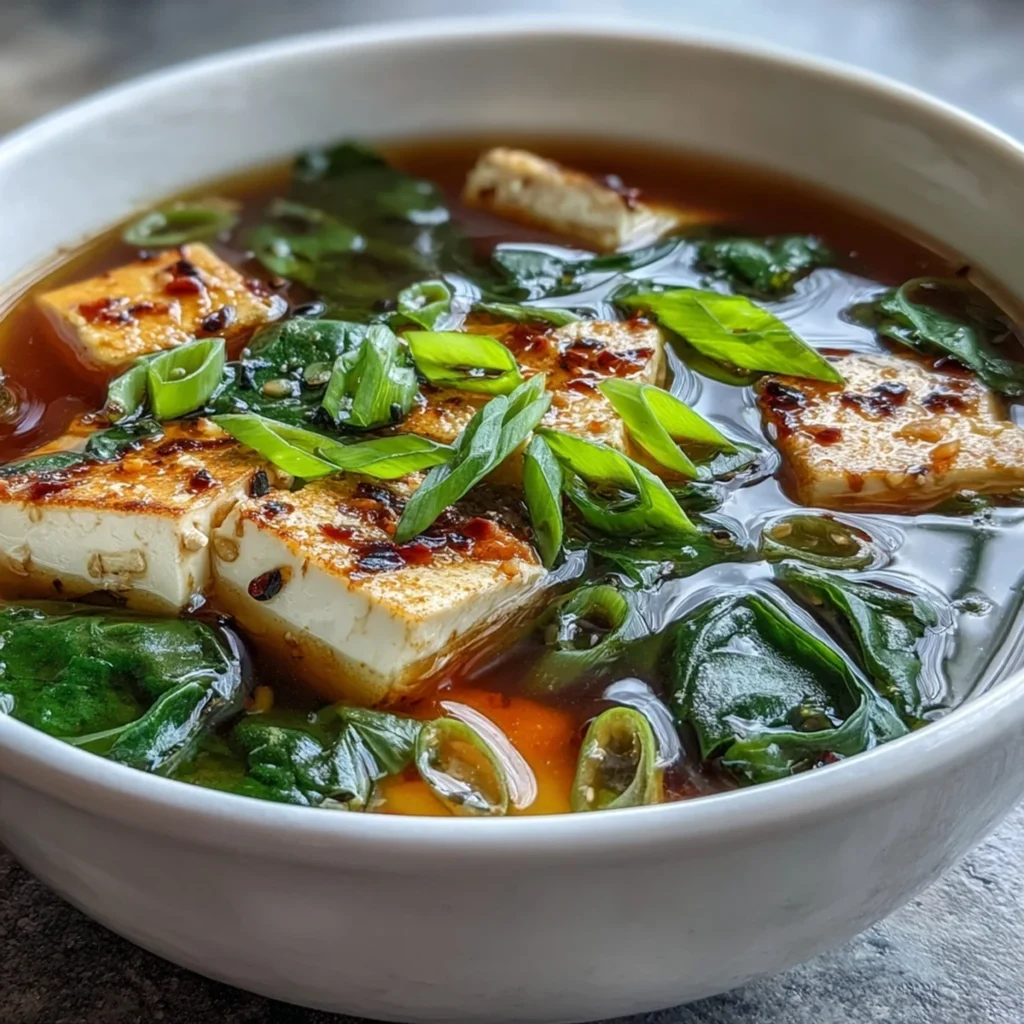
Good miso soup has a savory depth that’s hard to describe if you’ve never tasted it. The dashi provides a subtle, almost briny backbone—not fishy, but oceanic in a clean way. The miso paste brings fermented richness, with white miso offering sweeter, mellower notes and red miso delivering earthier, more robust flavor. Many cooks blend both types for balance.
The tofu adds creamy pockets of softness that soak up the broth, while the wakame contributes a gentle chew and a hint of mineral freshness. Green onions on top give a sharp, bright finish that cuts through the richness. The overall texture is silky and light, never heavy or thick. Each spoonful feels restorative, the kind of warmth that settles into your chest and makes you breathe a little deeper.
Tips & Variations
Choosing Your Miso: White miso (shiro miso) is mild and slightly sweet, perfect for a lighter soup. Red miso (aka miso) is saltier and more intense, ideal for cold weather. Many Japanese home cooks use a blend. Start with less miso than you think you need—you can always add more, but you can’t take it back.
Vegetarian Version: Use kombu-only dashi (skip the bonito flakes and let the kombu steep longer, about 20 minutes). You can also add dried shiitake mushrooms to the kombu soak for deeper umami flavor.
Add More Vegetables: Thinly sliced mushrooms, baby spinach, shredded cabbage, or daikon radish all work beautifully. Add heartier vegetables when you add the tofu so they have time to soften.
Protein Boost: Small cooked shrimp, thin slices of fish, or even leftover salmon flakes make excellent additions. Add them at the same time as the tofu to warm through.
Quick Weeknight Hack: Keep instant dashi powder in your pantry. It’s not quite as nuanced as homemade, but it’s perfectly acceptable and cuts the cooking time down to under 10 minutes total.
Don’t Have Wakame? Fresh spinach or thinly sliced nori sheets work as substitutes, though the flavor will be slightly different.
Storage & Make-Ahead
Miso soup is best enjoyed fresh, but you can prep components ahead. Make the dashi stock up to 3 days in advance and store it in the fridge. Cut your tofu and soak your wakame earlier in the day. When you’re ready to eat, just heat the dashi, add the tofu and wakame, and dissolve the miso at the last minute.
If you need to store leftover soup, keep it in an airtight container in the refrigerator for up to 2 days. Reheat gently on the stovetop over low heat—don’t microwave it if you can avoid it, as the tofu can become rubbery and the miso flavor can turn flat. The tofu may break down slightly after storage, but the flavor will still be good.
Don’t freeze miso soup. The tofu texture suffers badly, and the miso separates in an unappealing way when thawed.
Serving Suggestions
In Japan, miso soup is typically served alongside steamed rice and appears at breakfast, lunch, and dinner. It’s a standard component of a traditional Japanese breakfast along with grilled fish, pickles, and rice. For a simple weeknight dinner, pair it with salmon teriyaki, chicken katsu, or vegetable tempura. The soup acts as a palate cleanser between bites of richer foods.
Miso soup also shines as a light lunch on its own, especially if you bulk it up with extra tofu, mushrooms, and greens. Serve it with onigiri (rice balls) or a simple cucumber salad for a balanced meal. It’s also wonderful when you’re feeling under the weather—the warm broth and probiotics from the miso can be genuinely comforting and easy on the stomach.
For presentation, use proper Japanese soup bowls if you have them—the wide, shallow shape is traditional. Otherwise, any small bowl works fine. Don’t overfill the bowls; leave some space at the top so the soup looks elegant rather than sloshed to the edges.
FAQ
Can I use different types of tofu?
Yes, though silken tofu is traditional because of its creamy, delicate texture. Firm tofu works too—just cut it into smaller cubes so it heats through quickly. Avoid extra-firm tofu, which can feel too dense and out of place in the light broth.
What if my miso soup tastes too salty?
Add more dashi or plain hot water to dilute it. You can also add a bit more tofu or wakame to absorb some of the saltiness. Next time, start with less miso paste—different brands vary significantly in salt content.
Is miso soup healthy?
Miso is a fermented food rich in probiotics, which support gut health. The soup is low in calories and provides protein from the tofu and minerals from the seaweed. It’s also hydrating and warming. Just be mindful of sodium levels if you’re watching salt intake—you can use low-sodium miso paste if needed.
Can I make miso soup without dashi?
Technically yes, but the flavor won’t be as authentic. You could use vegetable broth, but it will taste more like vegetable soup with miso rather than true miso soup. The dashi is what gives the soup its distinctive umami character. If you’re in a pinch, a light chicken or mushroom broth is closer than plain water.
Why does my miso form clumps in the soup?
This happens when you add the paste directly to the hot liquid. Always dissolve the miso in a small amount of warm broth first, whisking until completely smooth, then stir that mixture back into the pot. This technique ensures even distribution and a silky texture throughout.
How do I know when the soup is done?
Miso soup doesn’t really “cook” in the traditional sense. Once you’ve added the dissolved miso, the soup is done. It just needs to be hot enough to serve. Remember to turn off the heat as soon as the miso goes in—overcooking will damage the flavor and kill the beneficial bacteria.
Conclusion
Making miso soup at home is one of those small cooking skills that feels like unlocking a secret. Once you’ve made it a few times, it becomes second nature—the kind of recipe you can make without really thinking, your hands moving through the steps while your mind wanders elsewhere. There’s comfort in that kind of muscle-memory cooking, especially when the result is something this nourishing and satisfying.
The beauty of this recipe is its adaptability. Once you have the basic technique down, you can adjust it to your taste, your mood, or whatever vegetables are sitting in your fridge. More miso for a bolder flavor, less for something gentler. Extra tofu when you need protein, handfuls of greens when you’re craving vegetables. It’s the kind of foundation recipe that grows with you as a cook.
So grab some miso paste, find a piece of kombu, and give it a try. Twenty minutes from now, you’ll be holding a bowl of something genuinely special—warm, deeply savory, and completely yours.