
Follow Me On Social Media!

Decadent French Lobster Thermidor: The Classic That’s Worth the Effort.

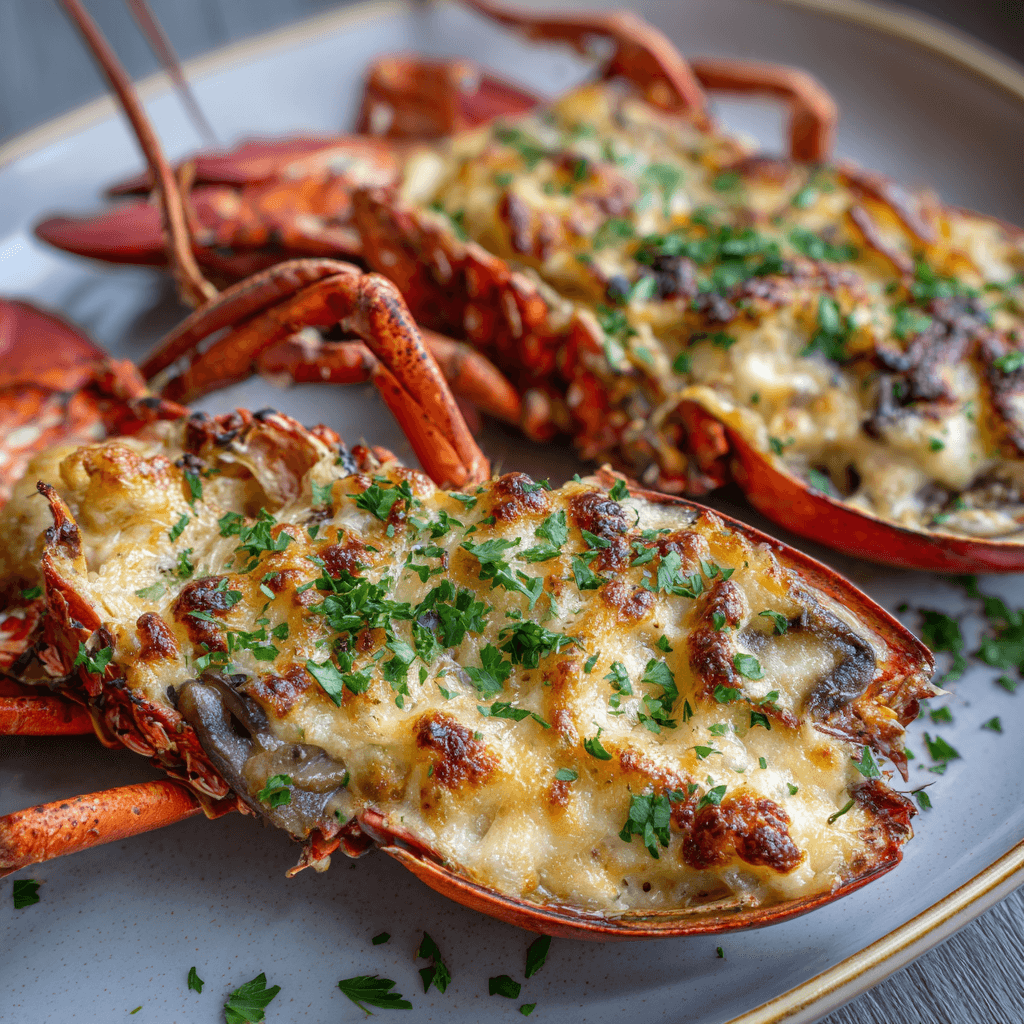
Some dishes exist purely to impress. Lobster Thermidor is one of them—a classic French preparation where lobster meat is bathed in a brandy-spiked cream sauce enriched with Gruyère cheese, then piled back into the shells and broiled until golden. It’s theatrical, luxurious, and tastes like pure indulgence. This is not a Tuesday night dinner. This is the recipe you pull out for anniversaries, marriage proposals, or when you simply want to cook something that feels like an event.
The history behind this dish is as dramatic as its presentation. Created in 1894 at a Parisian restaurant to commemorate the opening of a play called “Thermidor,” the recipe has remained largely unchanged for over a century. That kind of culinary staying power means something—this combination of sweet lobster, rich sauce, and sharp cheese simply works. The technique might seem intimidating at first glance, but it’s actually a series of straightforward steps that anyone comfortable in the kitchen can master.
What makes Lobster Thermidor special isn’t just the premium ingredients or the fancy French name. It’s how the sauce amplifies the lobster’s natural sweetness without overwhelming it. The brandy adds depth and sophistication, the mustard provides a subtle sharpness that cuts the richness, and the cheese creates that golden, bubbling top that makes everyone’s mouth water when it comes out from under the broiler.
This recipe is for those moments when you want to create a memory, not just a meal. It’s cooking as theater, food as celebration. And yes, it tastes every bit as good as it looks.
Ingredients
For the Lobster:
- 2 whole lobsters (1.5-2 pounds each), live or cooked
- 4 quarts water
- 1/4 cup salt (for boiling)
- Ice bath for shocking
For the Thermidor Sauce:
- 4 tablespoons unsalted butter
- 2 shallots, finely minced
- 8 ounces mushrooms (button or cremini), finely diced
- 3 tablespoons all-purpose flour
- 1 cup heavy cream
- 1/2 cup whole milk
- 1/4 cup cognac or brandy
- 1/4 cup dry white wine
- 2 tablespoons Dijon mustard
- 1 teaspoon dry mustard powder
- 1/4 teaspoon cayenne pepper
- 1/4 teaspoon paprika
- Salt and white pepper to taste
- 3 egg yolks
- 2 tablespoons fresh tarragon, chopped (or 1 teaspoon dried)
- 1 tablespoon fresh parsley, chopped
- 1 teaspoon lemon juice
For Topping:
- 3/4 cup Gruyère cheese, finely grated
- 1/4 cup Parmesan cheese, finely grated
- 2 tablespoons panko breadcrumbs
- 1 tablespoon melted butter
- Extra paprika for color
For Serving:
- Lemon wedges
- Fresh parsley or tarragon sprigs
- Crusty French bread
Instructions
If using live lobsters, fill a large pot with 4 quarts of water and add 1/4 cup salt. Bring to a rolling boil. Prepare an ice bath in a large bowl. When the water is boiling vigorously, add the lobsters head-first and cover the pot. Boil for 8-10 minutes for 1.5-pound lobsters, or 12-14 minutes for 2-pound lobsters. The shells should be bright red when done.
Use tongs to transfer the lobsters immediately to the ice bath to stop the cooking. Let them cool for 10 minutes. This shocking process prevents overcooking and makes the meat easier to remove from the shell. If using pre-cooked lobsters, skip this step and proceed directly to removing the meat.
Once cool enough to handle, extract the lobster meat carefully to keep it in large pieces. Twist off the claws and knuckles, crack them with a lobster cracker or the back of a knife, and remove the meat. Separate the tail from the body by twisting. Use kitchen shears to cut along the underside of the tail and remove the meat in one piece. Remove and discard the dark vein running through the tail. Reserve the empty tail shells—these will serve as your presentation vessels.
Cut the lobster meat into bite-sized pieces, about 1-inch chunks. Place in a bowl, cover, and refrigerate while you make the sauce. Rinse and dry the tail shells thoroughly, removing any bits of meat or membrane. Set them aside on a baking sheet.
For the Thermidor sauce, melt the butter in a large, heavy-bottomed saucepan over medium heat. Add the minced shallots and cook for 2-3 minutes until softened and fragrant but not browned. Add the diced mushrooms and cook for 5-7 minutes, stirring occasionally, until they’ve released their moisture and it has mostly evaporated. The mushrooms should be golden and significantly reduced in volume.
Sprinkle the flour over the mushroom mixture and stir constantly for 2 minutes to cook out the raw flour taste. This creates a roux that will thicken your sauce. Gradually add the heavy cream and milk, whisking constantly to prevent lumps. The mixture will be quite thick at first but will thin as you add more liquid.
Add the cognac and white wine, whisking until smooth. Bring the sauce to a gentle simmer and cook for 8-10 minutes, stirring frequently, until it thickens enough to coat the back of a spoon. The sauce should be creamy and luxurious but still pourable. If it becomes too thick, thin with a splash of milk.
Stir in the Dijon mustard, dry mustard powder, cayenne pepper, paprika, tarragon, and parsley. Season with salt and white pepper to taste. White pepper is traditional because it doesn’t leave visible black specks, but black pepper works fine if that’s what you have.
In a small bowl, whisk the egg yolks until smooth. Temper them by slowly adding about 1/2 cup of the hot sauce to the yolks while whisking constantly. This gradually raises the temperature of the yolks without scrambling them. Pour the tempered yolk mixture back into the sauce, whisking constantly. Cook for 2-3 minutes more over low heat until the sauce thickens further. Do not let it boil or the eggs will curdle. Remove from heat and stir in the lemon juice.
Add the lobster meat to the sauce, folding gently to coat without breaking up the chunks. Reserve about 1/2 cup of the sauce without lobster for spooning over the top later.
Preheat your broiler to high and position a rack about 6 inches from the heat source. Arrange the cleaned lobster tail shells on a baking sheet. Divide the lobster mixture evenly among the shells, mounding it generously. Spoon a bit of the reserved plain sauce over the top of each filled shell.
In a small bowl, combine the grated Gruyère, Parmesan, and panko breadcrumbs with the melted butter. Sprinkle this mixture generously over each filled shell. Dust lightly with paprika for color and a subtle smoky note.
Broil for 3-5 minutes, watching carefully, until the cheese is melted and golden brown with some darker spots. The topping should be bubbling and the edges slightly caramelized. Don’t walk away from the broiler—things can go from perfect to burnt in seconds.
Remove from the oven and let rest for 2-3 minutes before serving. The filling will be extremely hot. Garnish with fresh herb sprigs and lemon wedges. Serve immediately while hot and bubbly.
Flavor & Texture Notes
Lobster Thermidor delivers layers of rich, complex flavors that justify its reputation as one of French cuisine’s most celebrated dishes. The lobster meat remains sweet and tender, its delicate flavor enhanced rather than overwhelmed by the sauce. Proper cooking ensures the meat has a firm yet yielding texture that’s satisfying to bite through.
The Thermidor sauce is where the magic happens. It’s intensely creamy and smooth with a sophisticated depth from the cognac and wine. The alcohol cooks off but leaves behind a complex, slightly sweet undertone that adds dimension. The mushrooms contribute earthy umami notes that complement the lobster’s sweetness beautifully.
The mustard provides essential balance—both Dijon and dry mustard add a subtle sharpness and slight heat that prevents the sauce from being one-dimensionally rich. The cayenne adds barely perceptible warmth that enhances without announcing itself. Fresh tarragon brings an anise-like, herbal quality that’s classic with seafood, while lemon juice at the end brightens everything.
The cheese topping transforms under the broiler into a golden, bubbling crust with concentrated savory flavor. Gruyère melts beautifully and provides nutty, slightly sweet notes, while Parmesan adds sharp, salty depth. The panko breadcrumbs create textural contrast—crispy bits that give way to creamy sauce and tender lobster beneath.
The overall experience is decadent and memorable, with each bite offering contrasting textures and complementary flavors. It’s rich enough to be satisfying in moderate portions, which is good because this is definitely special occasion food.
Tips & Variations
Lobster Options: Live lobsters provide the best flavor and texture, but pre-cooked lobster tails from the grocery store work well and save time. You can also use frozen lobster tails—thaw completely, steam until just cooked through, and proceed with the recipe. Figure on 1-1.5 cups of lobster meat total for this recipe.
Alcohol Substitutions: If you prefer not to use cognac, substitute with additional white wine or use chicken or fish stock with a splash of lemon juice. The flavor won’t be quite as sophisticated, but it still works. Sherry makes an interesting alternative that adds its own complexity.
Cheese Variations: If you can’t find Gruyère, Swiss cheese is the closest substitute. A combination of sharp white cheddar and Parmesan also works. Avoid pre-shredded cheese if possible—it contains anti-caking agents that prevent smooth melting. Grate your own for the best texture.
Make It Easier: Skip removing the meat from the shells entirely. Simply halve the lobster tails lengthwise, remove the vein, and spoon the sauce directly over the meat in the shell. This is less traditional but much simpler and still impressive.
Without a Broiler: If your oven doesn’t have a broiler or you’re nervous about using it, bake at 425°F for 8-10 minutes until the cheese is melted and starting to brown. The results won’t be quite as dramatic but will still be delicious.
Portion Control: This recipe easily serves 4 people when accompanied by sides, or 2 people as an extremely indulgent main course. For a dinner party, serve smaller portions as an appetizer—one lobster can serve 4-6 people as a first course.
Storage & Make-Ahead
The sauce can be made up to 24 hours ahead and stored in the refrigerator. Stop before adding the lobster meat and cheese topping. Reheat the sauce gently over low heat, whisking to restore smoothness, then proceed with adding the lobster and finishing the dish.
The lobster meat can be extracted from the shells and refrigerated up to 24 hours ahead. Store in an airtight container with a damp paper towel over the top to prevent drying out. This advance prep makes the day-of assembly much faster and less hectic.
You can assemble the entire dish (lobster meat in sauce in shells with cheese topping) up to 4 hours before serving. Cover tightly with plastic wrap and refrigerate. When ready to serve, let it sit at room temperature for 20 minutes, then broil as directed, adding an extra minute or two since it’s starting cold.
Leftover Lobster Thermidor keeps in the refrigerator for up to 2 days. Reheat gently in a 325°F oven until warmed through, about 10-12 minutes. The texture won’t be quite as good as fresh, and the cheese topping will lose its crispness, but it’s still tasty. You can re-broil briefly to crisp the top.
This dish doesn’t freeze well due to the cream sauce and egg yolks, which can separate when thawed. Make and serve fresh for the best results.
Serving Suggestions
Lobster Thermidor is rich and substantial enough to be the centerpiece of an elegant meal. Keep sides simple and light to balance the richness. A crisp green salad with champagne vinaigrette provides refreshing contrast. Roasted asparagus or haricots verts (thin French green beans) add color and a slight bitter note that cuts through the cream.
For starch, consider buttery new potatoes, rice pilaf, or even French fries—the classic bistro pairing. Crusty French bread is essential for soaking up every drop of sauce. Some traditionalists serve this with no starch at all, letting the lobster and sauce be the entire focus.
Wine pairing is crucial for a dish this special. A rich, oaked Chardonnay stands up to the cream and cheese beautifully. Champagne or dry sparkling wine provides bubbles and acidity that cut through the richness. White Burgundy (which is Chardonnay from Burgundy, France) is the traditional pairing and worth the splurge for special occasions.
Present this on your best plates or serving platters. The dramatic presentation of lobster shells filled with golden, bubbling sauce needs no additional garnish beyond fresh herbs and lemon. Dim the lights, light some candles, and make the moment feel as special as the food.
This is the kind of dish that deserves to be served with ceremony. Bring the baking sheet to the table and plate individual portions in front of your guests for maximum drama. Provide lobster crackers and small forks for getting every bit of meat from the shells.
FAQ
Do I really need to use live lobsters? No, but they do provide the best flavor and you get the shells for presentation. Pre-cooked lobster tails work well—look for them in the seafood section of your grocery store. You can also buy just lobster meat, though you’ll miss the dramatic shell presentation. For presentation, you can purchase empty lobster shells online or serve the Thermidor in individual gratin dishes.
My sauce curdled when I added the egg yolks. What went wrong? This happens when the egg yolks are added to sauce that’s too hot or not properly tempered. Always whisk the yolks first, then slowly add hot sauce to them while whisking constantly. Once tempered, add them back to the main sauce over low heat. If your sauce does curdle, you can sometimes save it by immediately transferring to a blender and blending until smooth.
Can I make this with other seafood? Absolutely. This preparation works beautifully with large shrimp, scallops, or even crab meat. The cooking method remains the same, though you’ll obviously skip the shell presentation unless using shrimp with shells on. Some versions use a mixture of seafood for a more economical but still impressive dish.
Is cognac essential, or can I skip the alcohol entirely? Cognac adds significant depth and sophistication to the sauce, but you can make this without it. Substitute with additional wine or use chicken stock with a splash of lemon juice. The dish will still be good but won’t have quite the same complex flavor profile. The alcohol cooks off, leaving only flavor behind.
Why did my cheese topping not brown properly? Your broiler might not have been hot enough, or the rack was positioned too far from the heat source. Broilers vary significantly—some take 10 minutes to fully heat. Make sure the broiler has been preheating for at least 5 minutes and position the rack 4-6 inches from the heat. Watch carefully and don’t be afraid to leave it under longer if needed.
What if I don’t have lobster crackers or special tools? A meat mallet, the back of a heavy knife, or even a rolling pin works to crack shells. Kitchen shears are invaluable for cutting through the tail shell. For eating, regular small forks work fine, though seafood forks make it easier to extract meat from tight spaces.
There are recipes you make because they’re quick or easy or healthy, and then there are recipes you make because they’re extraordinary. Lobster Thermidor falls firmly in the latter category. It’s unapologetically luxurious, requiring both premium ingredients and a bit of technique, but the payoff is a dish that creates moments people remember. This is the recipe for marriage proposals, milestone anniversaries, or simply when you want to prove to yourself that you can create something truly special. The combination of sweet lobster, rich cream sauce, cognac depth, and golden cheese creates one of French cuisine’s most celebrated dishes for good reason. Make it once for a special occasion, and it might just become your signature dish for every celebration that follows.