
Follow Me On Social Media!

Crockpot Beef Stew: The Ultimate Hearty Comfort Food for Busy Days.

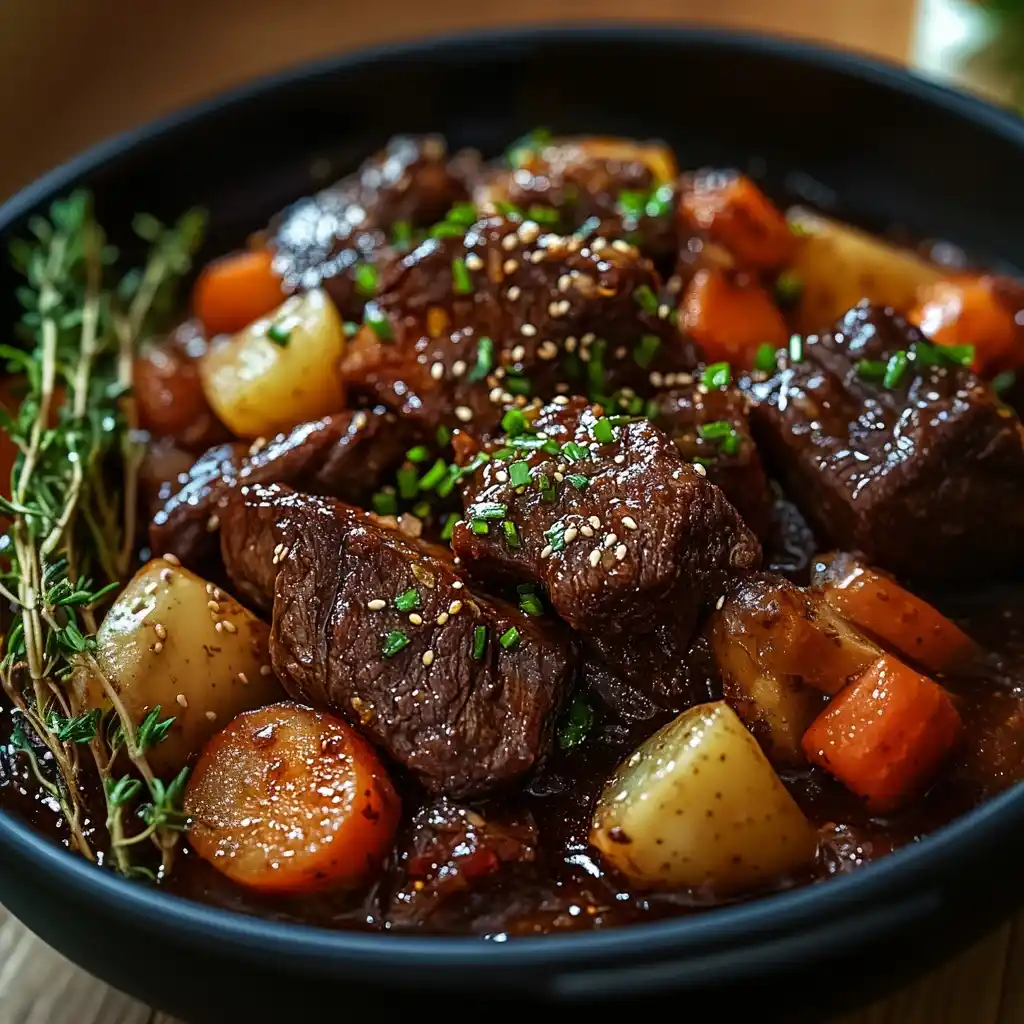
There’s a particular kind of satisfaction that comes from walking through your door after a long day to the smell of beef stew that’s been cooking for hours. Your house smells like someone’s been cooking all day, but you did the work eight hours ago in your pajamas. This crockpot beef stew is that kind of recipe—the one that makes you feel like you have your life together even when you absolutely don’t.
I learned to make beef stew from my father, who made it on the stovetop with careful attention and constant stirring. His version was excellent, but required an afternoon of monitoring. This slow cooker adaptation captures all those deep, rich flavors while you’re at work, running errands, or doing literally anything else. The long, gentle cooking breaks down tough cuts of beef into tender pieces that fall apart at the touch of a fork, while the vegetables soften and absorb all those savory flavors.
What sets this crockpot beef stew apart from the usual throw-everything-in approach is taking fifteen minutes at the start to brown the meat and build a proper flavor foundation. That step alone transforms the stew from good to genuinely great. The beef develops a caramelized crust that adds depth, and deglazing the pan with wine or broth picks up all those browned bits that create richness in the final dish.
This recipe works beautifully for meal prep, feeding a crowd, or just knowing you have something substantial waiting for you at the end of a hectic day. It’s the kind of comfort food that feels like a warm hug in a bowl, and it actually tastes better the next day when the flavors have had time to meld together even more.
Ingredients
For the Stew:
- 2.5 pounds beef chuck roast, cut into 1.5-inch cubes
- 1/4 cup all-purpose flour
- 2 teaspoons salt, divided
- 1 teaspoon black pepper, divided
- 3 tablespoons olive oil or vegetable oil
- 1 large yellow onion, diced
- 4 cloves garlic, minced
- 1/2 cup red wine (or additional beef broth)
- 4 cups beef broth (low-sodium recommended)
- 2 tablespoons tomato paste
- 2 tablespoons Worcestershire sauce
- 2 bay leaves
- 1 teaspoon dried thyme
- 1 teaspoon dried rosemary
For the Vegetables:
- 1 pound baby potatoes, halved (or regular potatoes cut into chunks)
- 4 medium carrots, peeled and cut into 1-inch pieces
- 3 celery stalks, cut into 1-inch pieces
- 8 ounces mushrooms, quartered
- 1 cup frozen peas (added at the end)
For Finishing:
- 2 tablespoons cornstarch mixed with 2 tablespoons cold water (optional, for thicker stew)
- 2 tablespoons fresh parsley, chopped
- Salt and pepper to taste
Instructions
Start by preparing the beef, which is the foundation of this stew. Pat the beef cubes completely dry with paper towels—this is crucial for getting a good sear. Any moisture on the surface will cause the meat to steam instead of brown. Cut the beef into uniform pieces so they cook evenly. Some recipes call for smaller cubes, but larger chunks hold up better during the long cooking time without becoming stringy.
In a large bowl, toss the beef cubes with flour, 1 teaspoon of salt, and 1/2 teaspoon of black pepper. The flour helps create a crust during browning and will also help thicken the stew as it cooks. Make sure each piece is lightly coated.
Heat a large skillet over medium-high heat and add 2 tablespoons of oil. When the oil shimmers, add the beef in batches—don’t crowd the pan. You want enough space between pieces for proper browning, not steaming. Let each piece sit undisturbed for 2-3 minutes before flipping to develop a deep brown crust. This takes patience, but it’s worth it. Brown all sides of the beef, then transfer to your slow cooker. Repeat with remaining beef, adding more oil between batches if needed.
In the same skillet, add the remaining tablespoon of oil if the pan looks dry. Add the diced onion and cook for 3-4 minutes until it starts to soften and pick up some of the browned bits from the beef. Add the garlic and cook for another 30 seconds until fragrant.
Pour in the red wine to deglaze the pan, using a wooden spoon to scrape up all those flavorful browned bits stuck to the bottom. Let the wine reduce by half, which takes about 2 minutes. This concentrates the flavor and cooks off the harsh alcohol taste. If you’re not using wine, use 1/2 cup of beef broth instead and scrape the pan just as thoroughly.
Transfer the onion mixture to the slow cooker with the beef. Add the beef broth, tomato paste, Worcestershire sauce, bay leaves, thyme, rosemary, and the remaining salt and pepper. Stir everything together, making sure the tomato paste is fully dissolved into the liquid.
Add the potatoes, carrots, celery, and mushrooms to the slow cooker, pushing them down into the liquid as much as possible. The vegetables don’t need to be completely submerged—they’ll release moisture as they cook and everything will settle.
Cover the slow cooker and cook on low for 8-10 hours or on high for 4-5 hours. The stew is ready when the beef is fork-tender and the vegetables are soft. If you’re home, give it a stir once or twice during cooking, but it’s not necessary.
About 30 minutes before serving, taste the stew and adjust the seasoning. Remove and discard the bay leaves. If you want a thicker stew, mix the cornstarch with cold water to make a slurry, then stir it into the stew. Cover and cook on high for another 15-20 minutes until thickened.
Add the frozen peas during the last 10 minutes of cooking—they just need to heat through and will turn mushy if added earlier. Stir in the fresh parsley right before serving.
Flavor & Texture Notes
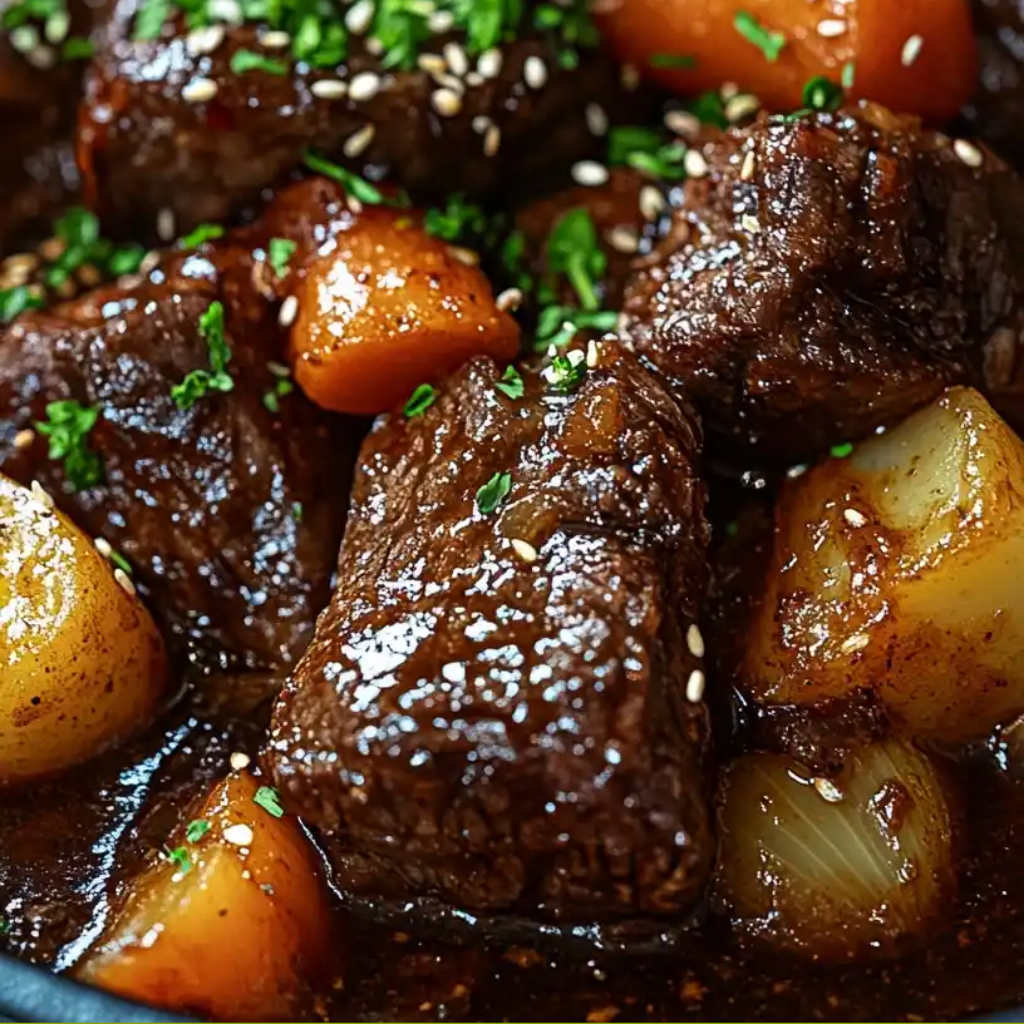
This crockpot beef stew delivers deep, savory flavors that taste like they’ve been developing for days. The beef becomes incredibly tender, with edges that almost dissolve while the center maintains some structure. Each piece is thoroughly seasoned and rich with the concentrated flavors of the broth.
The vegetables each contribute something different to the overall experience. Potatoes become creamy and absorb the beefy broth like little flavor sponges. Carrots add natural sweetness that balances the savory elements, while celery provides an earthy undertone. Mushrooms bring an umami depth that makes the whole stew taste richer and more complex.
The broth itself is the star—thick enough to coat a spoon but not gloppy, with layers of flavor from the wine, Worcestershire sauce, herbs, and all those caramelized drippings from browning the meat. It’s the kind of gravy-like liquid that makes you want to soak it up with crusty bread.
The texture contrasts keep each bite interesting: tender beef that yields to your fork, soft vegetables that still have some structure, and the bright pop of peas that add freshness at the end. Fresh parsley brings a burst of color and a slight peppery note that lifts all the deeper flavors.
Tips & Variations
Meat Selection: Chuck roast is ideal because it has enough fat and connective tissue to stay moist during long cooking. Stew meat from the store often works, but check that it’s actually chuck and not tougher round cuts. Avoid lean cuts—they’ll become dry and stringy in the slow cooker.
Browning Shortcuts: If you’re genuinely short on time, you can skip browning the meat, though the stew won’t have quite the same depth. To partially compensate, add an extra tablespoon of tomato paste and use a richer beef broth or add a splash of beef base concentrate.
Wine Alternatives: If you don’t cook with alcohol, substitute with more beef broth plus a tablespoon of balsamic vinegar, which provides similar acidity and depth. Apple cider vinegar works too but use less—about 2 teaspoons.
Vegetable Variations: Add parsnips alongside the carrots for extra sweetness. Turnips or rutabaga work well for an earthier flavor. In summer, add green beans or zucchini during the last 30 minutes of cooking. Pearl onions make the stew feel more elegant.
Thickening Methods: Besides cornstarch, you can mash some of the cooked potatoes against the side of the slow cooker and stir them back in—this creates a natural thickener. Another option is to remove 1 cup of liquid, whisk in a tablespoon of flour, then stir it back in.
Herb Adjustments: Fresh herbs are wonderful if you have them. Add fresh thyme sprigs and rosemary at the beginning, then remove them before serving. Stir in fresh herbs like parsley, chives, or even dill right before serving for bright flavor.
Make It Richer: Add a tablespoon of butter at the end for extra richness. Some cooks add a splash of cream or stir in some sour cream just before serving for a stroganoff-like quality.
Storage & Make-Ahead
Beef stew is one of those magical dishes that improves with time. Store leftovers in airtight containers in the refrigerator for up to 4 days. The flavors deepen and meld together even more, making day-two stew arguably better than day-one stew.
For longer storage, this stew freezes beautifully for up to 3 months. Let it cool completely, then portion into freezer-safe containers, leaving about an inch of headspace for expansion. Thaw overnight in the refrigerator and reheat gently on the stovetop, adding a splash of broth if it’s too thick.
You can prep the ingredients the night before for easier morning assembly. Cut all the vegetables, cube and flour the beef, and store everything separately in the refrigerator. In the morning, brown the meat if you have time, or just combine everything and turn on the slow cooker.
The stew reheats beautifully in the microwave for quick lunches, or on the stovetop over low heat. Add a splash of water or broth if it’s thickened too much during storage—the starches continue to absorb liquid over time.
Serving Suggestions
This hearty beef stew is a complete meal on its own, but a few additions can elevate it even further. Crusty sourdough bread or a warm baguette is essential for soaking up that rich broth. Butter the bread generously—you’re already committed to comfort food, so go all in.
For a classic pairing, serve the stew over buttered egg noodles or mashed potatoes. This turns it into an even more substantial meal and stretches it to feed more people. Creamy polenta also works wonderfully as a base.
A simple side salad with a sharp vinaigrette provides a fresh contrast to the rich stew. Try arugula or mixed greens with a lemon-dijon dressing. The acidity and bitterness cut through the heavy, savory flavors beautifully.
For drinks, a robust red wine like Cabernet Sauvignon or Malbec pairs perfectly with the beef. If you prefer beer, a dark stout or brown ale complements the deep flavors. Hot tea or cider works nicely on particularly cold days.
This stew looks beautiful served in wide, shallow bowls that show off the chunky vegetables and beef. Garnish with extra fresh parsley and a few turns of black pepper. Serve with the bread on the side or torn into pieces directly in the bowl.
FAQ
Can I cook this on high instead of low to save time? Yes, you can cook on high for 4-5 hours instead of low for 8-10 hours. The texture will be slightly different—the beef will be tender but might not have that complete fall-apart quality that longer cooking provides. If you have the time, low and slow produces better results, but high heat works when you need dinner faster.
Why is my beef tough after cooking all day? This usually means it hasn’t cooked long enough. Chuck roast needs time to break down the connective tissue—keep cooking until it’s truly fork-tender. Occasionally, you might have a particularly tough cut that needs extra time. Also, make sure you’re using chuck roast, not a lean cut like sirloin, which will never become tender in a slow cooker.
Do I really need to brown the meat first? While not absolutely necessary, browning creates significantly more flavor through the Maillard reaction. It adds depth and complexity that you simply can’t achieve by just dumping raw meat in the slow cooker. If you’re short on time, you can skip it, but try it at least once to taste the difference.
Can I make this in an Instant Pot instead? Absolutely. Brown the meat using the sauté function, add all ingredients except peas and cornstarch, and cook on high pressure for 35-40 minutes. Let the pressure release naturally for 10 minutes, then quick release. Add peas, thicken if desired, and finish as directed. The flavor won’t be quite as developed as slow cooking, but it’s good when you need dinner fast.
My stew is too watery. How do I fix it? Remove about 1 cup of liquid and simmer it in a saucepan on the stove until reduced by half, then return it to the stew. Or use the cornstarch slurry method mentioned in the recipe. You can also remove the lid during the last 30-60 minutes of cooking to allow some evaporation. Mashing some of the potatoes into the broth creates natural thickening too.
There’s something deeply satisfying about a meal that practically cooks itself while filling your home with the kind of aromas that make everyone suddenly appear in the kitchen asking when dinner will be ready. This crockpot beef stew represents everything good about slow cooking—minimal active work that produces maximum flavor and comfort. Whether you’re new to slow cooking or a seasoned pro, this recipe delivers consistent results that will have you coming back to it again and again, especially when the weather turns cold and all you want is something warm, hearty, and completely satisfying.