
Follow Me On Social Media!

Crispy Chicken Dumplings: A Gluten-Free Appetizer That Actually Delivers.

I’ve made a lot of dumplings in my life, but the crispy chicken dumplings I’m sharing today hold a special place in my kitchen. They came about during one of those weekends when I was cooking for friends with different dietary needs—someone mentioned they missed getting takeout dumplings because most places use wheat wrappers. That comment stuck with me, and after several rounds of testing (and a few hilarious failures involving rice paper that dissolved instantly), I landed on this version. These gluten-free chicken dumplings get genuinely crispy on the bottom while staying tender on top, and they’re packed with flavor that doesn’t lean on heavy sauces to taste good.
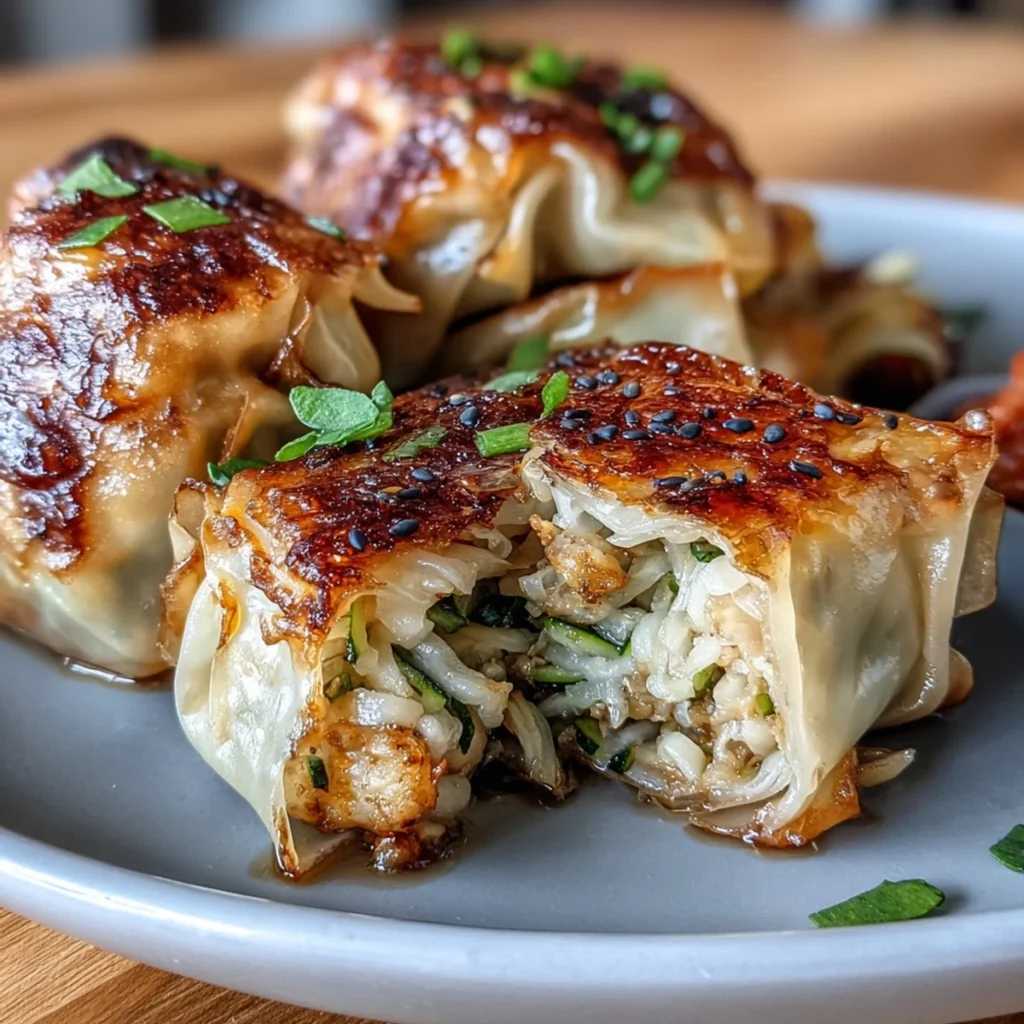
What makes these different from typical gluten-free versions is the cooking method. Instead of trying to replicate traditional dumpling wrappers with gluten-free flour blends that often turn gummy or fall apart, I use rice paper wrappers and employ a steam-then-fry technique that creates an incredible contrast in texture. The filling is straightforward—ground chicken seasoned with ginger, garlic, and green onions—but the real magic happens when these hit the pan. You get golden, crispy bottoms that shatter when you bite into them, followed by tender, juicy filling that’s aromatic without being overpowering.
These work beautifully as an appetizer for gatherings, a light dinner paired with a simple salad, or even meal prep for the week. They reheat surprisingly well, which isn’t something I can say about most dumplings. And because the ingredient list is clean and the process is more forgiving than you’d expect, they’ve become my go-to whenever I want something that feels special but doesn’t require hours in the kitchen.
Ingredients
For the filling:
- 1 pound ground chicken (not extra lean—you want some fat for moisture)
- 3 green onions, finely chopped
- 2 cloves garlic, minced
- 1 tablespoon fresh ginger, grated
- 2 tablespoons gluten-free tamari or coconut aminos
- 1 tablespoon rice vinegar
- 1 teaspoon sesame oil
- 1/2 teaspoon white pepper
- 1/4 teaspoon sea salt
- 1 cup napa cabbage, finely chopped and squeezed dry
- 1 medium carrot, grated and squeezed dry
For the wrappers and cooking:
- 20-24 rice paper rounds (8-inch diameter)
- 2 tablespoons neutral oil (avocado or grapeseed work well)
- 1/2 cup water for steaming
For the dipping sauce:
- 3 tablespoons gluten-free tamari
- 1 tablespoon rice vinegar
- 1 teaspoon sesame oil
- 1/2 teaspoon chili oil or sriracha (optional)
- 1 green onion, thinly sliced
Instructions
Start with your filling because it needs a few minutes to rest, which helps the flavors blend together. In a large mixing bowl, combine the ground chicken with the green onions, garlic, and grated ginger. Add the tamari, rice vinegar, sesame oil, white pepper, and salt. Use your hands or a fork to mix everything together until it’s well combined but not overworked—you’re not making meatballs, so don’t knead it.
Now fold in the cabbage and carrot. This is important: make sure you’ve squeezed out as much liquid as possible from these vegetables. I usually wrap them in a clean kitchen towel and twist hard. Excess moisture will make your dumplings soggy and harder to crisp up later. Mix the vegetables into the chicken just until distributed. Let this mixture sit while you prep your workspace.
Set up your dumpling assembly station with a shallow dish of warm water, a clean damp towel, and a baking sheet lined with parchment paper. Rice paper can be tricky at first, but once you get the hang of it, the process moves quickly. Dip one rice paper round into the warm water for about 3-4 seconds—just until it starts to soften. It will continue softening as you work, so don’t wait for it to become completely pliable in the water or it’ll turn into a sticky mess.
Lay the softened wrapper on your work surface or the damp towel. Place about 1 tablespoon of filling in the center, slightly closer to one edge. Fold that near edge over the filling, then fold in the sides like you’re wrapping a small burrito, and roll it up tightly. The rice paper will seal to itself as it dries. Place the finished dumpling on your prepared baking sheet, seam side down. Repeat with the remaining wrappers and filling.
Here’s where these dumplings become special. Heat a large skillet (preferably nonstick or well-seasoned cast iron) over medium-high heat. Add about 1 tablespoon of oil and swirl to coat the bottom. Place the dumplings in the pan in a single layer, leaving a bit of space between them. Let them cook undisturbed for 2-3 minutes until the bottoms turn golden brown.
Once you see that color developing, carefully add about 1/4 cup of water to the pan—stand back slightly because it will steam and sputter. Immediately cover the pan with a lid and reduce the heat to medium. Let the dumplings steam for 6-7 minutes. This cooks the chicken through and softens the top part of the wrapper.
Remove the lid and let any remaining water evaporate. If the pan looks dry, add a tiny drizzle of oil around the edges. Increase the heat back to medium-high and let the dumplings cook for another 2-3 minutes to really crisp up the bottoms. You’ll hear them sizzling—that’s what you want. When you peek underneath and see deep golden-brown color, they’re ready.
While the dumplings cook, whisk together all the dipping sauce ingredients in a small bowl. The combination of tamari, vinegar, and sesame oil creates a balanced sauce that complements the dumplings without overwhelming them.
Flavor & Texture Notes
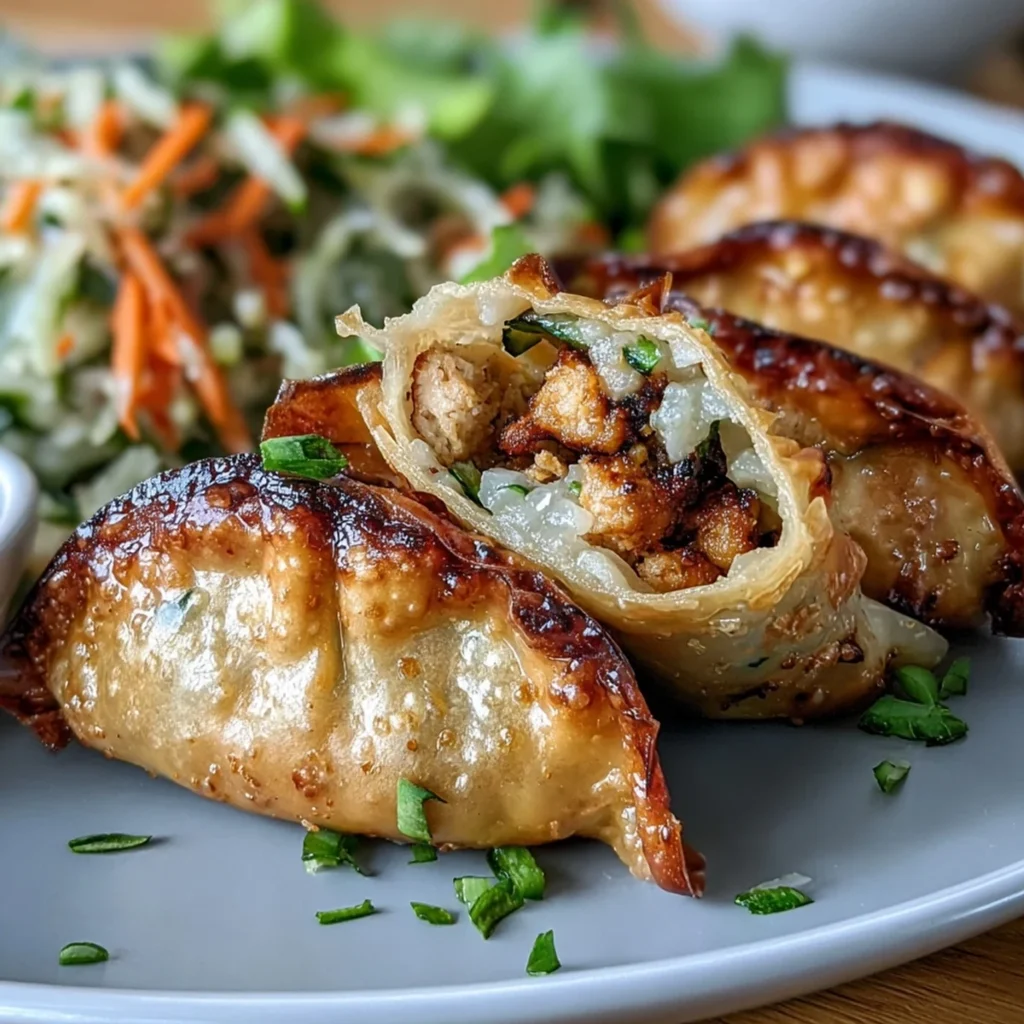
The first bite of these dumplings is always satisfying—you get that audible crunch from the crispy bottom, which gives way to the tender steamed portion of the wrapper. The rice paper has a mild, slightly chewy quality that’s different from wheat wrappers but works beautifully here. It doesn’t compete with the filling.
The chicken filling stays juicy thanks to the fat content in the meat and the moisture from the vegetables. Ginger and garlic provide warmth without heat, while the sesame oil adds a nutty undertone. White pepper gives a subtle, earthy spice that’s more complex than black pepper. The green onions and cabbage add freshness and a bit of bite, and the carrot contributes a hint of sweetness that rounds everything out.
What I appreciate most is that these don’t taste like they’re trying to be something they’re not. They’re not pretending to be wheat-wrapper dumplings—they have their own identity. The rice paper texture is lighter, almost delicate on top, while the bottom develops this incredible lacquered crispness that stays crunchy even after a few minutes on your plate.
Tips & Variations
If you can’t find ground chicken or prefer something else, ground turkey or pork work equally well. Pork will give you a richer flavor, while turkey stays lean and mild. For a vegetarian version, substitute crumbled firm tofu (squeezed dry) mixed with finely chopped mushrooms for umami depth.
The vegetables can be adjusted based on what you have. Bok choy works in place of napa cabbage, and you can add water chestnuts for extra crunch. Some people like a touch of honey or maple syrup in the filling for subtle sweetness—start with 1 teaspoon if you want to try it.
Rice paper sizes vary, so if you can only find smaller rounds, just use less filling per dumpling. Larger rounds can hold more, but be careful not to overstuff them or they’ll be difficult to seal and might burst during cooking.
For extra crispy bottoms, some cooks add a slurry of cornstarch and water to the pan instead of plain water. Mix 1 tablespoon of cornstarch with your steaming water for a lacey, ultra-crispy bottom that’s restaurant-quality.
If you don’t have a lid that fits your skillet, aluminum foil crimped around the edges works in a pinch. The key is trapping the steam so the chicken cooks through while the tops of the dumplings soften.
Storage & Make-Ahead
Uncooked dumplings can be frozen for up to 3 months. Arrange them in a single layer on a baking sheet and freeze until solid, then transfer to a freezer bag. Cook them straight from frozen—just add an extra 2-3 minutes to the steaming time.
Cooked dumplings keep in the refrigerator for 3-4 days in an airtight container. Reheat them in a hot skillet with a small amount of oil to re-crisp the bottoms. Microwaving works if you’re in a rush, but you’ll lose that crispy texture.
The filling can be prepared a day ahead and kept refrigerated, which actually helps the flavors develop. Wait to wrap them until the day you plan to cook them, as assembled dumplings can get sticky if they sit too long.
Serving Suggestions
These dumplings shine as an appetizer for dinner parties or game day spreads. Arrange them on a platter with the dipping sauce in the center and garnish with extra sliced green onions and sesame seeds.
For a complete meal, serve them alongside a simple cucumber salad dressed with rice vinegar, or pair them with steamed edamame and miso soup. They also work well with stir-fried vegetables or a light Asian-style slaw.
If you’re feeling ambitious, set up a dumpling bar with multiple dipping sauces—try a spicy peanut sauce, a sweet chili sauce, or a simple mixture of ginger and scallions in vinegar.
FAQ
Can I bake these instead of pan-frying them? You can, but you won’t get the same crispy bottom texture. If you need to bake them for convenience, preheat your oven to 400°F, brush the dumplings with oil, and bake for 18-20 minutes, flipping halfway through. They’ll be cooked through but softer overall.
Why are my rice paper wrappers tearing? This usually happens when the water is too hot or you’re soaking them too long. Use warm, not hot water, and only dip for a few seconds. The wrapper should still feel slightly firm when you remove it—it continues to soften as you work with it.
Can I make these ahead and cook them later in the day? Yes, but place them on a parchment-lined tray and cover with a damp towel so they don’t dry out. They’ll hold at room temperature for about 2 hours, or refrigerate them for up to 4 hours. Just know that refrigerated dumplings might stick together slightly, so handle them gently.
What if I don’t have tamari—will regular soy sauce work? Regular soy sauce contains gluten, so it defeats the purpose of making these gluten-free. Stick with tamari (which is naturally gluten-free) or coconut aminos for a soy-free option that’s also gluten-free.
How do I know when the chicken is fully cooked? The steaming step cooks the filling through. If you’re unsure, cut one dumpling open after the steaming phase—the chicken should be completely white with no pink remaining and should read 165°F on a meat thermometer if you want to be precise.
Wrapping Up
Making your own crispy chicken dumplings might sound like a weekend project, but once you get into a rhythm, they come together faster than you’d think. The process is actually pretty forgiving—rice paper is more cooperative than traditional dumpling dough, and the steam-fry method is nearly foolproof.
What I love most about this recipe is that it doesn’t feel like a compromise. Nobody’s going to eat these and think “these are good for gluten-free dumplings.” They’re just good dumplings, period. The crispy-tender contrast, the flavorful filling, and the way they hold up to dipping sauce make them something you’ll want to make again, whether you’re avoiding gluten or not.
So grab some rice paper, get your skillet ready, and make a batch. Your kitchen will smell amazing, and you’ll have a freezer stocked with appetizers for the next time friends come over. These dumplings have earned their place in regular rotation at my house, and I think they’ll do the same in yours.