
Follow Me On Social Media!

Creamy Garlic Shrimp Pasta: The 20-Minute Dinner That Feels Like Restaurant Magic.

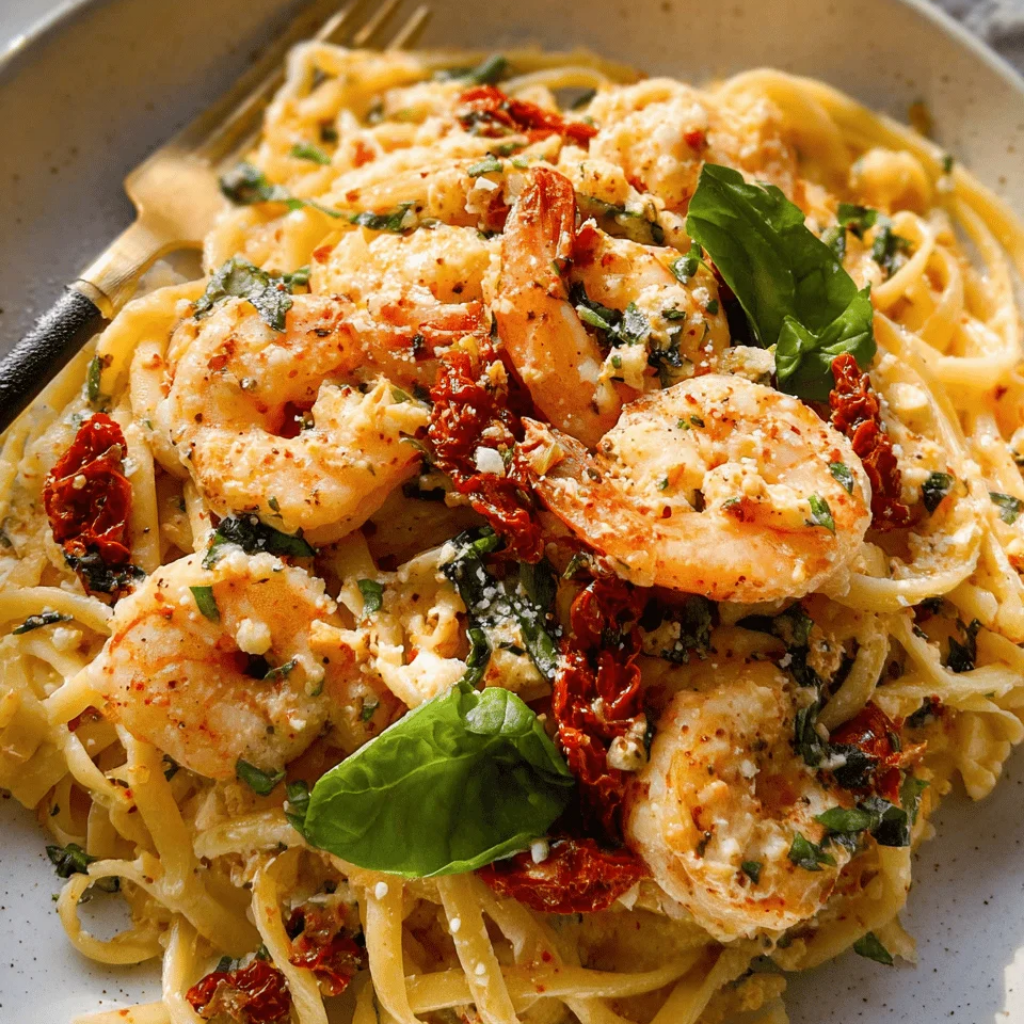
There’s something almost magical about the way garlic hits hot olive oil—that immediate sizzle and the aroma that fills your kitchen within seconds. It’s a sound and smell that promises good things are about to happen. This creamy garlic shrimp pasta captures that exact moment and turns it into a complete meal that somehow feels both elegant and comforting.
I developed this recipe during one of those weeks when everything felt chaotic. Work was overwhelming, the grocery store felt like a maze, and I needed something that would make me feel like I had my life together—even if just for dinner. The beauty of this dish lies in its simplicity: tender shrimp cooked just until they curl, plenty of garlic that becomes sweet and fragrant, and a silky cream sauce that coats every strand of pasta without being heavy.
What makes this garlic shrimp pasta different from others you might have tried is the technique of cooking the garlic slowly to develop its sweetness, then using the pasta cooking water to create a sauce that actually clings to the noodles instead of pooling at the bottom of the bowl. The result is a restaurant-quality dish that comes together faster than you can decide what to watch on Netflix.
This recipe works beautifully for busy weeknights when you want something special without the fuss, or when you’re cooking for someone you want to impress. The ingredients are simple enough that you probably have most of them already, but the combination creates something that feels much more sophisticated than the effort required.
Ingredients
For the Pasta:
- 12 ounces linguine or fettuccine pasta
- 1 pound large shrimp, peeled and deveined (tails removed)
- 3 tablespoons olive oil
- 6 cloves garlic, thinly sliced
- 1/2 teaspoon red pepper flakes
- 1/2 cup dry white wine (or additional pasta water)
- 3/4 cup heavy cream
- 1/2 cup freshly grated Parmesan cheese, plus more for serving
- 3 tablespoons fresh lemon juice
- 2 tablespoons fresh parsley, finely chopped
- Salt and freshly ground black pepper to taste
Optional Additions:
- 2 tablespoons butter for extra richness
- 1/4 cup sun-dried tomatoes, chopped
- 2 cups fresh baby spinach
Instructions
Start by bringing a large pot of well-salted water to a boil. The water should taste like mild seawater—this is your chance to season the pasta from the inside out. Add the pasta and cook according to package directions until just shy of al dente, usually about a minute less than the package suggests. Before draining, reserve 1 cup of the starchy pasta cooking water. This liquid gold will help create your silky sauce.
While the pasta cooks, pat the shrimp completely dry with paper towels and season generously with salt and pepper. Heat 2 tablespoons of olive oil in a large skillet over medium-high heat until it shimmers but doesn’t smoke. Add the shrimp in a single layer, making sure not to overcrowd the pan. Cook for 1-2 minutes per side until they turn pink and develop a light golden crust. The shrimp should curl into a loose C-shape—if they curl into tight spirals, they’re overcooked. Transfer the shrimp to a plate and set aside.
In the same skillet, reduce the heat to medium and add the remaining tablespoon of olive oil. Add the sliced garlic and red pepper flakes, stirring constantly for about 30 seconds until the garlic becomes fragrant and just barely golden. Be careful here—garlic can go from perfect to burnt in moments, and burnt garlic will make your entire dish bitter.
Pour in the white wine (if using) and let it simmer for about a minute to cook off the harsh alcohol flavor. The liquid should reduce by about half. If you’re skipping the wine, you can add 1/4 cup of the reserved pasta water at this point instead.
Lower the heat to medium-low and slowly pour in the heavy cream, stirring continuously. The mixture might look separated at first, but keep stirring—it will come together. Let the cream simmer gently for 2-3 minutes until it thickens slightly. You’re not looking for a thick sauce at this point, just something that coats the back of a spoon lightly.
Add the drained pasta directly to the skillet along with about 1/2 cup of the reserved pasta water. Using tongs, toss everything together vigorously. The starchy pasta water will help the cream sauce cling to each strand of pasta instead of sliding off. If the sauce seems too thick, add more pasta water a splash at a time until you achieve a silky consistency that coats the pasta without being gloppy.
Remove the skillet from heat and immediately add the Parmesan cheese, tossing constantly to prevent clumping. The residual heat will melt the cheese perfectly. Add the cooked shrimp back to the pan along with the lemon juice and half of the fresh parsley. Toss gently to combine, and taste for seasoning. You’ll likely need more salt and pepper than you think.
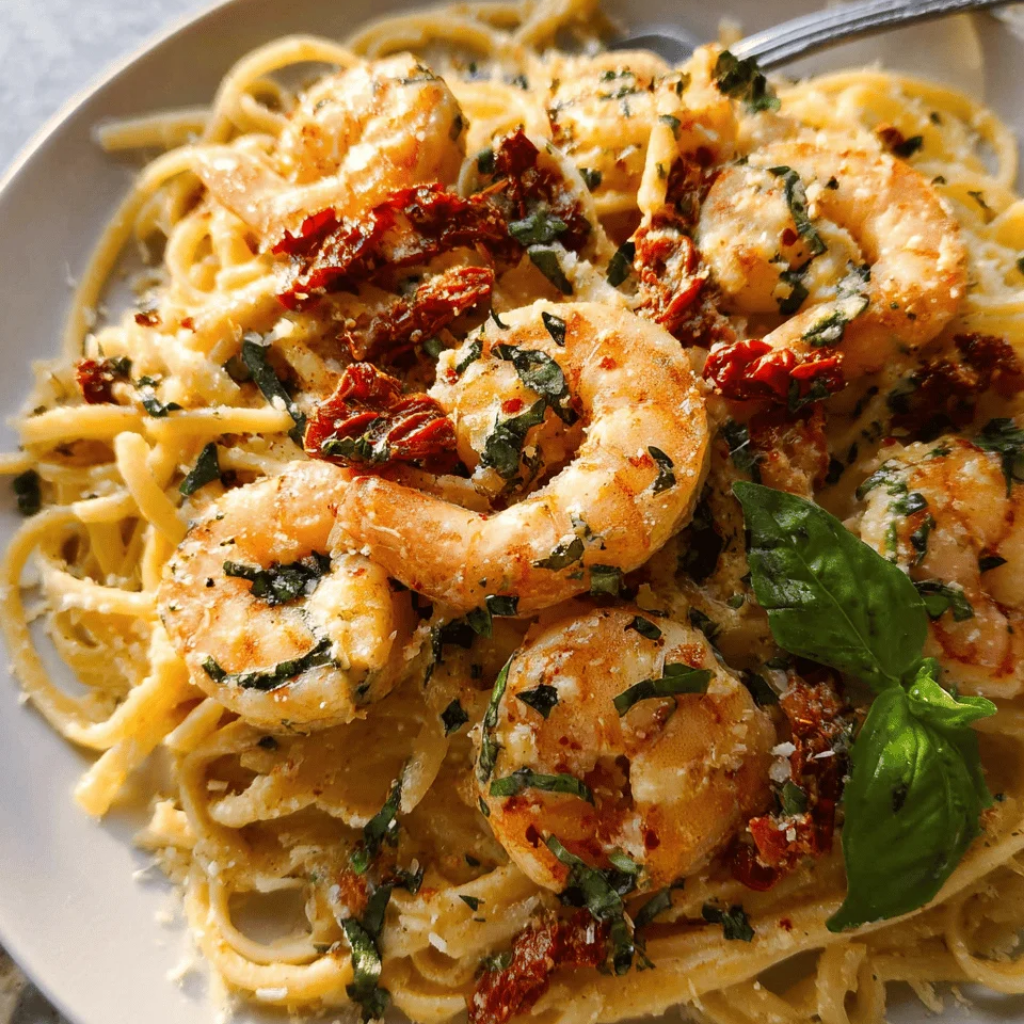
Flavor & Texture Notes
This creamy shrimp pasta strikes a beautiful balance between richness and brightness. The garlic provides a sweet, nutty foundation that permeates every bite without being overwhelming. The cream sauce is velvety and luxurious but not heavy—it coats your palate without leaving you feeling weighed down.
The shrimp remain tender and juicy with a subtle sweetness that pairs perfectly with the garlic. Each piece has a slight firmness that contrasts nicely with the silky pasta. The lemon juice adds a bright acidity that cuts through the richness and makes each bite feel fresh and complete.
The pasta itself absorbs some of the creamy sauce while maintaining its al dente texture, creating a satisfying chew that holds up to the other components. Fresh parsley adds small bursts of herbaceous flavor and a pop of color that makes the dish feel vibrant rather than monotone.
The overall experience is sophisticated comfort food—something that feels special enough for date night but familiar enough for a Tuesday dinner when you need something good to happen in your day.
Tips & Variations
Shrimp Selection: Large shrimp (16-20 count per pound) work best for this recipe because they’re substantial enough to stand up to the pasta and cream sauce. Avoid pre-cooked shrimp, which will become rubbery when reheated. If your shrimp still have tails, removing them before cooking will make eating much easier.
Wine Substitutions: If you prefer not to use wine, substitute with additional pasta cooking water or a splash of white wine vinegar mixed with a bit of chicken broth. The acid helps balance the richness of the cream.
Dairy Alternatives: For a lighter version, you can replace half the heavy cream with half-and-half, though the sauce won’t be quite as rich. Greek yogurt stirred in at the very end (off the heat) can add tanginess while reducing calories.
Vegetable Additions: Baby spinach wilts beautifully into this dish—add it during the last minute of cooking. Sun-dried tomatoes bring a concentrated sweetness that complements the garlic. Cherry tomatoes, halved and added with the shrimp, provide fresh acidity and color.
Pasta Choices: While linguine and fettuccine are classic choices, this sauce works well with penne, rigatoni, or even angel hair pasta. Just adjust the cooking time accordingly and remember that thicker pastas may need a bit more sauce.
Protein Swaps: This same technique works beautifully with scallops, chicken breast cut into strips, or even mushrooms for a vegetarian version. Adjust cooking times as needed—scallops need even less time than shrimp.
Storage & Make-Ahead
This pasta is best enjoyed immediately while the sauce is silky and the shrimp are at their most tender. However, leftovers can be stored in the refrigerator for up to 2 days. When reheating, add a splash of cream or pasta water to help restore the sauce’s consistency, and warm gently over low heat to prevent the shrimp from becoming tough.
The components can be partially prepared ahead of time. You can cook the shrimp earlier in the day and store them covered in the refrigerator, then add them back to the pan during the final step. The garlic can be sliced in advance, and the Parmesan can be grated ahead of time.
For the best results when reheating leftovers, transfer the pasta to a skillet with a splash of cream or milk rather than using the microwave. Stir gently over low heat until warmed through, adding the reserved shrimp during the last minute to prevent overcooking.
Serving Suggestions
This creamy garlic shrimp pasta pairs beautifully with a crisp Caesar salad or simple arugula dressed with lemon and olive oil. The peppery greens provide a nice contrast to the rich pasta. Garlic bread might seem redundant given the garlic in the pasta, but a crusty piece of sourdough or focaccia for sopping up any extra sauce is never unwelcome.
For wine pairings, a crisp Pinot Grigio or Sauvignon Blanc complements the dish without competing with the garlic and cream. If you prefer red wine, a light Pinot Noir won’t overpower the delicate shrimp.
The pasta looks elegant when served in warmed shallow bowls with an extra sprinkle of Parmesan and a few turns of freshly cracked black pepper on top. A small wedge of lemon on the side allows diners to add extra brightness as desired.
For a complete meal, consider starting with a light appetizer like bruschetta or a simple antipasto plate, and finishing with something refreshing like lemon sorbet or fresh berries.
FAQ
How do I know when shrimp are properly cooked? Properly cooked shrimp will be pink and opaque throughout, with no gray or translucent areas. They should curl into a loose C-shape—if they’re curled into tight spirals, they’re overcooked. The texture should be firm but tender, not rubbery. Large shrimp typically need just 1-2 minutes per side.
Can I make this dish without wine? Absolutely. The wine adds depth and helps deglaze the pan, but you can substitute it with additional pasta cooking water, a splash of chicken broth, or even a teaspoon of white wine vinegar mixed with a few tablespoons of water. The dish will still be delicious without wine.
Why is my sauce not creamy or clinging to the pasta? This usually happens when the pasta water isn’t starchy enough or when the sauce is too hot when you add the cheese. Make sure to cook the pasta in well-salted water and reserve some of that starchy water before draining. When combining everything, remove the pan from heat before adding the Parmesan to prevent it from becoming grainy.
Can I use frozen shrimp for this recipe? Yes, but make sure to thaw them completely and pat them very dry before cooking. Frozen shrimp often release more water, which can make your sauce watery. Thaw them in the refrigerator overnight or under cold running water, then pat dry with paper towels before seasoning.
How can I prevent the garlic from burning? Keep the heat at medium or medium-low when cooking the garlic, and stir constantly. Slice the garlic thinly so it cooks evenly, and watch it carefully—it should become fragrant and just barely golden. If it starts to brown too quickly, remove the pan from heat for a moment and add the wine or pasta water to stop the cooking process.
There’s something deeply satisfying about creating a restaurant-quality meal in your own kitchen, especially when it comes together this easily. This creamy garlic shrimp pasta proves that impressive doesn’t have to mean complicated, and that the best dishes often come from treating simple ingredients with care and attention. Whether you’re cooking for yourself after a long day or preparing dinner for someone special, this recipe delivers comfort, flavor, and a little bit of that kitchen magic we all crave. Give it a try, and don’t be surprised if it becomes one of those recipes you find yourself making again and again.