
Follow Me On Social Media!

Classic Chicken Caesar Salad – Crisp, Creamy & Protein-Packed.

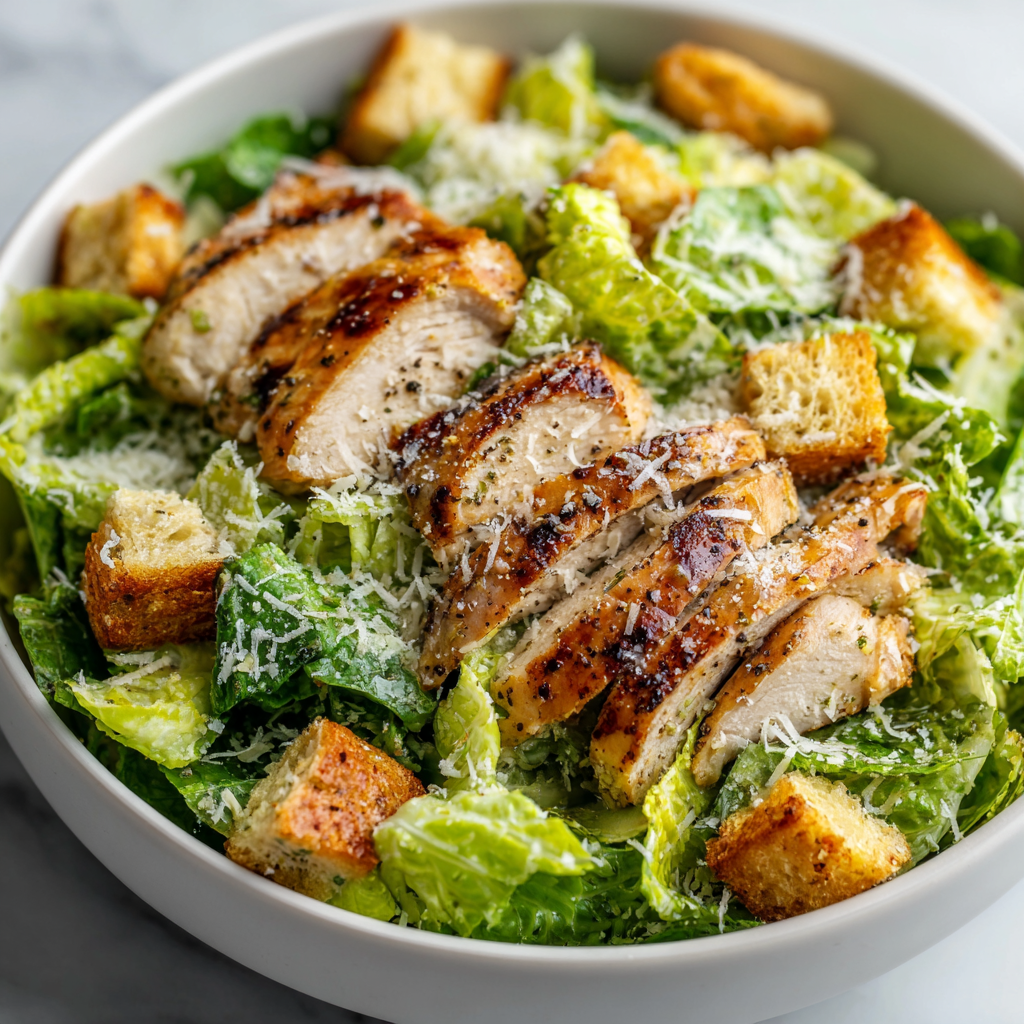
There is a reason the Caesar salad remains the most ordered dish in the history of the modern bistro. It is the “little black dress” of the culinary world—timeless, reliable, and perfectly balanced. Whether you are sitting in a high-end steakhouse or throwing together a quick lunch on a Tuesday, the combination of sharp citrus, salty umami, and crisp greens never fails to satisfy.
Today is Sunday, December 21, 2025. It is the winter solstice, the shortest day of the year. While much of our cooking lately has centered around heavy roasts and slow-cooked stews, there is something incredibly refreshing about a high-protein meal that feels light yet substantial. This Classic Chicken Caesar Salad is exactly that. It isn’t just a bowl of lettuce; it is a masterclass in textural contrast. You have the cold, watery snap of Romaine hearts, the jagged crunch of golden sourdough croutons, the savory char of a perfectly seared chicken breast, and a dressing so rich and velvet-like that it ties the whole experience together.
Many people shy away from making Caesar salad at home because they think the dressing is too complicated or they are intimidated by the traditional inclusion of anchovies. But here is a secret: those little fish are the engine room of flavor. They provide a depth that salt alone cannot achieve. In this guide, we are going to break down the technique of building a real-deal Caesar from scratch—no bottled dressings, no soggy croutons. This is about honoring the original spirit of the dish created by Caesar Cardini back in the 1920s, but with a modern, protein-packed focus that fits into a healthy, active lifestyle.
Ingredients
To make a salad this iconic, you cannot hide behind mediocre ingredients. Every element needs to be fresh. The dressing is an emulsion, meaning it relies on the quality of your oil and the freshness of your garlic to truly sing.
The Protein
- 1.5 lbs chicken breast: Boneless and skinless. Look for air-chilled chicken if possible, as it sears better without releasing excess water.
- 1 tbsp olive oil: For the pan.
- 1/2 tsp garlic powder: For a subtle background note.
- Salt and cracked black pepper: To taste.
The Hand-Cut Croutons
- 3 cups sourdough bread: Cut into 1-inch cubes. Sourdough provides a superior tang and a much heartier crunch than white bread.
- 2 tbsp extra virgin olive oil.
- 1/4 tsp sea salt.
- 1/4 tsp dried oregano: For a hint of herbal complexity.
The Signature Caesar Dressing
- 2 small garlic cloves: Minced into a paste.
- 2 to 3 anchovy fillets: Finely minced (or 1 tsp anchovy paste).
- 1 large egg yolk: Room temperature. This is the emulsifier that makes the dressing creamy.
- 2 tsp Dijon mustard: Adds a sharp, vinegary kick.
- 2 tbsp fresh lemon juice: About half a large, juicy lemon.
- 1/2 cup neutral oil: Avocado oil or a light olive oil works best. Avoid heavy extra virgin oil here as it can become bitter when emulsified.
- 1/2 cup Parmigiano-Reggiano: Freshly grated.
- 1/2 tsp Worcestershire sauce: For that final hit of savory depth.
The Greens
- 3 large heads of Romaine lettuce: Use only the inner, crisper leaves (the hearts).
- Extra Parmesan cheese: For shaving over the top at the end.
Instructions
The key to a professional-grade Caesar salad is the order of operations. You want your chicken to be rested, your croutons to be cool enough to stay crunchy, and your dressing to be perfectly chilled before they all meet in the bowl.
1. Master the Croutons
Preheat your oven to 375°F (190°C). In a large bowl, toss your sourdough cubes with the olive oil, salt, and oregano. Spread them out in a single layer on a baking sheet. Bake for 10 to 12 minutes, shaking the pan halfway through. You are looking for a deep golden hue and a texture that is crisp all the way through but still has a slight “give” in the center. Set them aside to cool completely. A hot crouton will wilt your lettuce faster than anything else.
2. Sear the Chicken
Pat the chicken breasts dry with a paper towel—this is the most important step for a good sear. Season both sides with salt, pepper, and garlic powder. Heat a heavy skillet or cast-iron pan over medium-high heat with a tablespoon of oil. Once the pan is shimmering, add the chicken. Cook for about 6 to 7 minutes per side, depending on thickness, until the internal temperature reaches 165°F (74°C).
Remove the chicken from the pan and let it rest on a cutting board for at least 8 minutes. If you slice it immediately, all the moisture will run out, leaving you with dry meat. After resting, slice the chicken into thin strips or bite-sized medallions.
3. Build the Dressing
While the chicken rests, let’s make the soul of the salad. In a medium bowl, combine the minced garlic and anchovies. Use the back of a spoon to mash them into a smooth paste against the side of the bowl. Whisk in the egg yolk, lemon juice, Dijon mustard, and Worcestershire sauce.
Now, the emulsion: very slowly—literally drop by drop at first—whisk in your oil. If you pour too fast, the dressing will break and become oily. As the mixture starts to thicken and turn pale, you can increase the pour to a thin, steady stream. Once all the oil is incorporated, stir in the grated Parmesan cheese. Taste the dressing. It should be sharp, salty, and thick enough to coat a spoon.
4. Prep the Romaine
Wash the Romaine hearts in cold water and dry them thoroughly. A salad spinner is your best friend here. If the leaves are wet, the dressing won’t stick, and you’ll end up with a watery mess at the bottom of the bowl. Tear the leaves into bite-sized pieces rather than chopping them with a knife; the irregular edges of torn leaves hold onto the dressing much better.
5. The Final Assembly
In a large wooden bowl (if you have one), add the lettuce and about half of the dressing. Toss gently with your hands or large spoons until every inch of every leaf is glistening. Add the croutons and half of the sliced chicken, along with another spoonful of dressing. Give it one more light toss.
Top the salad with the remaining chicken, generous shavings of Parmesan cheese, and a few extra cracks of black pepper. Serve immediately.
Flavor & Texture Notes
The first thing you’ll notice about this salad is the volume. The Romaine hearts provide a clean, watery “thump” with every bite, a refreshing vehicle for the richness of the sauce. The dressing itself is a complex landscape: it starts with the bright, acidic punch of fresh lemon, followed by the creamy, fatty weight of the egg and oil. Then comes the finish—that lingering, savory umami from the anchovies and the nutty, sharp bite of the aged Parmesan.
The sourdough croutons aren’t just a garnish; they act as a sponge, soaking up just enough dressing to be flavorful while maintaining a jagged, structural crunch. The chicken, if rested properly, is juicy and warm, providing a soft, savory contrast to the cold, crisp greens. It is a meal that engages every part of the palate—salt, fat, acid, and a significant amount of satisfying crunch.
Tips & Variations
Every cook has their own “tweak” for a Caesar. Here are a few ways to adapt this recipe to your preferences:
- The Vegetarian Swap: If you want to skip the anchovies, replace them with 1 tablespoon of drained capers, finely minced. You will get that same briny, salty hit without the fish.
- The Kale Twist: For a heartier version that holds up well for meal prep, use half Romaine and half shredded Lacinato kale. The kale adds a pleasant bitterness and extra vitamins.
- The Lighter Version: If you want to cut down on the oil, you can replace half of the oil in the dressing with plain Greek yogurt. It will be tangier and less traditional, but still very satisfying and high in protein.
- Extra Umami: Some chefs like to add a teaspoon of nutritional yeast or a tiny bit of white miso paste to the dressing to really amplify that “savory” factor.
Storage & Make-Ahead
A dressed Caesar salad does not store well—it will become soggy within twenty minutes. However, the components are excellent for make-ahead planning.
- Dressing: You can make the dressing up to 3 days in advance. Keep it in a sealed glass jar in the fridge. The oil might solidify slightly, so let it sit at room temperature for 10 minutes and give it a good shake before using.
- Chicken: Cooked chicken stays fresh for 3 to 4 days. You can eat it cold on the salad or give it a quick 30-second warm-up in a pan.
- Croutons: Keep these in an airtight container at room temperature for up to 5 days. Do not refrigerate them, or they will lose their crunch.
- Lettuce: Prep your Romaine, dry it completely, and store it in a produce bag with a dry paper towel to absorb any leftover moisture.
Serving Suggestions
For a classic bistro feel, serve this salad on chilled plates. It’s a wonderful main course on its own, but it also pairs beautifully with a bowl of tomato basil soup or a piece of grilled salmon.
If you are hosting a dinner party, consider “The Tableside Caesar.” Keep the lettuce in a large bowl and whisk the dressing right in front of your guests. There is something theatrical and inviting about seeing the ingredients come together. Pair this with a crisp, dry white wine—like a Sauvignon Blanc or a Pinot Grigio—to cut through the creaminess of the dressing.
FAQ
Do I really have to use raw egg yolk? Traditional Caesar dressing uses a raw yolk for that iconic velvet texture. If you are concerned about raw eggs, you can use a high-quality store-bought mayonnaise as your base (about 1/2 cup) and skip the oil and egg yolk steps. Just whisk the garlic, anchovies, and lemon directly into the mayo.
How do I get my chicken to not be rubbery? The “rubber” texture usually comes from overcooking or cooking straight from the fridge. Let your chicken sit on the counter for 15 minutes to take the chill off before searing, and always use a meat thermometer to pull it at exactly 165°F.
Can I use pre-grated Parmesan? The stuff in the green shaker bottle will not work here. It doesn’t melt into the dressing and has a sandy texture. For the best flavor, buy a wedge of Parmigiano-Reggiano and grate it yourself. The difference is night and day.
Is it okay to use a blender for the dressing? Yes! If you find whisking by hand tedious, you can put all the dressing ingredients except the oil into a blender or small food processor. Turn it on and slowly drizzle the oil through the top. It will result in an even creamier, thicker emulsion.
Conclusion
The Classic Chicken Caesar Salad is a reminder that you don’t need a pantry full of exotic ingredients to create a world-class meal. It is about the harmony of simple, high-quality items: the zing of a lemon, the crunch of good bread, and the savory power of a well-cooked protein.
As we celebrate the winter solstice today, this salad offers a bright, energetic break from the heavier holiday fare. It’s a dish that makes you feel good—fueling your body with protein and greens while still satisfying that deep craving for something rich and indulgent. So, grab a whisk, find the freshest Romaine you can, and enjoy the process of building a masterpiece in a bowl.