
Follow Me On Social Media!

Classic BeaverTails: Golden, Chewy & Canadian-Style.

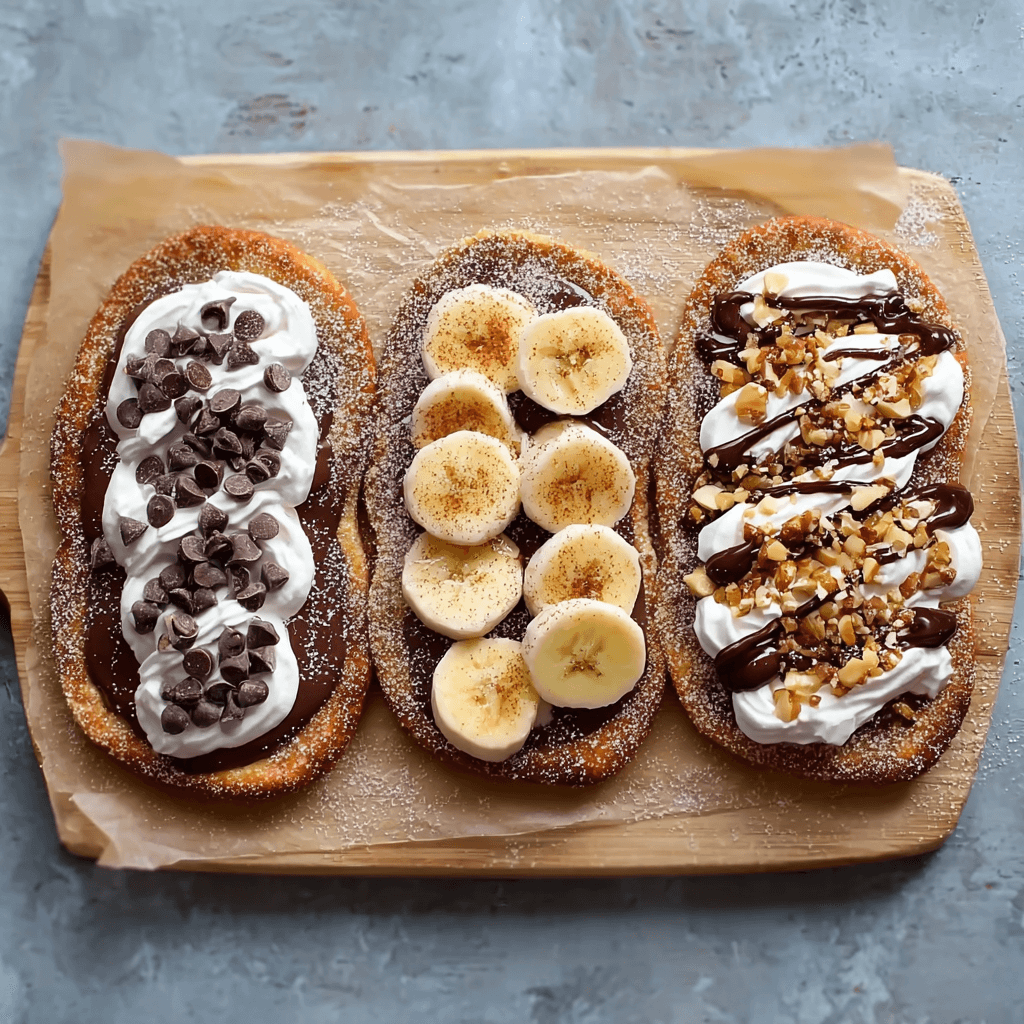
If you’ve ever wandered through a winter festival in Ottawa or stood in line at a ski resort in the Rockies, you know the scent: a nostalgic blend of frying dough, toasted cinnamon, and fresh lemon. BeaverTails (or Queues de Castor) are a Canadian staple—a hand-stretched, fried dough pastry that manages to be crisp on the outside and wonderfully bready and chewy on the inside.1
Unlike a donut, which is airy and cake-like, a BeaverTail is yeast-leavened and dense enough to hold heavy toppings without collapsing. It’s a “winter warmer” that has become a year-round symbol of Canadian comfort.
Ingredients for the Perfect Dough
The key to a true BeaverTail is a rich, enriched dough. The addition of milk and egg gives it that signature chew that separates it from standard “elephant ears” or fry bread.
| Component | Ingredient | Amount | Purpose |
| The Base | Warm Water | 1/2 cup | To bloom the yeast |
| Active Dry Yeast | 1 packet (2 1/4 tsp) | For the lift and chew | |
| Warm Milk | 1/2 cup | Adds richness and softness | |
| Granulated Sugar | 1/3 cup | Feeds the yeast and sweetens | |
| The Enrichment | Unsalted Butter | 1/4 cup | Melted; for a tender crumb |
| Large Egg | 1 | Provides structure | |
| Vanilla Extract | 1 tsp | For aromatic depth | |
| The Structure | All-Purpose Flour | 3 1/2 to 4 cups | The foundation |
| Salt | 1/2 tsp | To balance the sweetness | |
| The Fry | Neutral Oil | For frying | Canola or vegetable oil |
Step-by-Step Instructions
1. Bloom the Yeast
In a large bowl, combine the warm water, a pinch of the sugar, and the yeast. Let it sit for 5–10 minutes until it becomes foamy. If it doesn’t foam, your yeast might be expired!
2. Mix the Dough
Whisk in the warm milk, remaining sugar, melted butter, egg, vanilla, and salt. Gradually add the flour, one cup at a time, until a soft dough forms.
3. The Knead and Rise
Turn the dough onto a floured surface and knead for 5–8 minutes until smooth and elastic. Place in a greased bowl, cover, and let rise in a warm spot for about 1 hour, or until doubled in size.
4. Shape the “Tails”
Punch the dough down and divide it into 10–12 equal pieces. Roll each piece into an oval, then use your hands to stretch it into a long, flat shape—resembling a beaver’s tail.
Pro Tip: Keep the dough relatively thin (about 1/4 inch). It will puff up significantly once it hits the hot oil.
5. The Golden Fry
Heat 2–3 inches of oil in a heavy skillet or deep fryer to 375°F (190°C). Carefully slide one “tail” into the oil. Fry for about 45–60 seconds per side until deep golden brown.
6. The Classic Finish
Immediately toss the hot pastry into a bowl of cinnamon sugar. For the authentic “Killaloe Sunrise” experience, serve with a fresh wedge of lemon to squeeze over the top.2
The Icon: The “Killaloe Sunrise”
While you can put almost anything on a BeaverTail, the Killaloe Sunrise is the gold standard. The acidity of the lemon juice reacts with the cinnamon sugar to create a thin, zesty glaze that cuts right through the richness of the fried dough. It’s the flavor that started it all back in 1978.
Other Popular Toppings:
- The Classic: Just cinnamon and sugar.
- Maple Butter: A thick spread of maple cream topped with walnuts.
- The “Avalanche”: Cheesecake spread, skor bits, and caramel sauce.
- Chocolate Hazelnut: A thick layer of Nutella topped with sliced bananas or strawberries.3
Flavor and Texture Notes
A BeaverTail is a textural journey. The very edge of the pastry is usually the crispiest, having been thin enough to “shatter” slightly. As you move toward the center, the dough becomes thicker and more bread-like, absorbing the toppings and providing a satisfying, yeasty chew.
The flavor is warm and buttery. Because the dough isn’t overly sweet on its own, it acts as a neutral canvas for the intense sweetness of the toppings.
Tips for Success
- Oil Temperature is Key: If the oil is too cold, the dough will absorb too much fat and become greasy. If it’s too hot, the outside will burn before the inside is cooked. Use a thermometer!
- Don’t Over-Flour: When kneading, use just enough flour to keep it from sticking. A “tacky” dough results in a much softer, more tender pastry.
- Serve Fast: BeaverTails are best eaten within minutes of leaving the fryer. As they cool, the sugar can become grainy and the dough will lose its “pillowy” interior.
FAQ
Can I bake these instead of frying?
You can, but the texture will be more like a flatbread or a bun. The iconic “BeaverTail” experience relies on the quick, high-heat sear of frying to create that golden crust.
Can I make the dough ahead of time?
Yes! You can let the dough rise in the refrigerator overnight. Cold fermentation actually develops a deeper, more “sourdough-like” flavor that is delicious.
How do I reheat them?
If you have leftovers (which is rare!), the best way to reheat is in a 400°F (200°C) air fryer or oven for 2 minutes to regain the crispness. Avoid the microwave, as it will make the dough rubbery.
Conclusion
Classic BeaverTails are more than just a dessert; they are a bit of Canadian heritage you can make in your own kitchen. They represent the joy of simple, high-quality ingredients transformed by fire and sugar into something truly special.