
Follow Me On Social Media!

Baked Salmon with Lemon Butter – Easy 30-Minute Dinner That Never Disappoints.

Salmon is one of those proteins that intimidates people more than it should. The fear of overcooking it, or the assumption that a really good salmon dinner requires restaurant-level skill, keeps a lot of home cooks from making it regularly. This lemon butter baked salmon changed my perspective entirely. It takes 30 minutes from start to finish, uses ingredients you likely already have, and produces a result so consistently good that I make it at least twice a month.
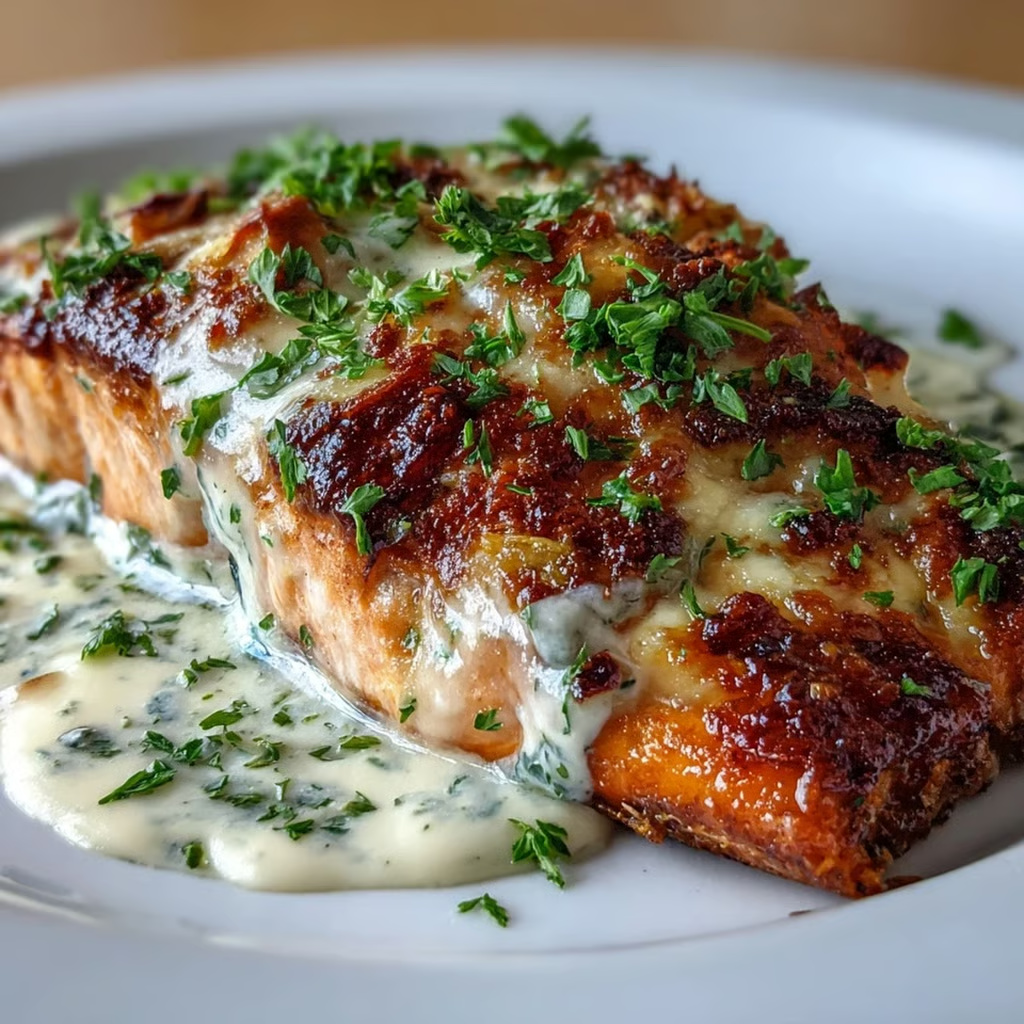
The secret isn’t technique – it’s the lemon butter. A simple compound of butter, fresh lemon, garlic, and herbs spooned over the salmon before baking melts into the fish as it cooks, basting it from above and below simultaneously. The result is salmon that’s tender, flaky, and deeply flavorful rather than dry or bland. The lemon butter creates a glossy, golden surface and a sauce that collects in the pan – something you’ll want to spoon over every single bite.
This recipe works for a quiet Tuesday night dinner as well as it does for a dinner party where you want something impressive without spending hours in the kitchen. Once you make it the first time, it becomes one of those reliable recipes you reach for again and again.
Ingredients
For the Salmon:
- 4 salmon fillets (6 oz each, skin-on or skinless)
- Salt and black pepper
- 1 teaspoon garlic powder
- 1 teaspoon smoked paprika (optional, adds subtle depth)
- 1 tablespoon olive oil
For the Lemon Butter:
- 4 tablespoons unsalted butter
- 4 cloves garlic, minced
- Zest of 1 lemon
- 3 tablespoons fresh lemon juice (about 1 large lemon)
- 1 tablespoon fresh parsley, finely chopped
- 1 teaspoon fresh thyme leaves (or ½ teaspoon dried)
- Salt and black pepper to taste
- Pinch of red pepper flakes (optional)
For Serving:
- Lemon slices or wedges
- Extra fresh parsley
- Flaky sea salt
Instructions
Preheat your oven to 400°F and line a baking dish or rimmed baking sheet with aluminum foil. Lining the pan is important – the lemon butter will caramelize and stick, and foil makes cleanup effortless. A baking dish with sides keeps the lemon butter pooled around the salmon rather than spreading across a flat sheet pan.
Take your salmon out of the refrigerator about 15 minutes before baking. Bringing it closer to room temperature helps the fish cook more evenly throughout rather than being done on the outside and cold in the center.
Pat the salmon fillets completely dry with paper towels. This step is easy to skip but makes a real difference – surface moisture prevents proper browning and dilutes your seasoning. Dry salmon browns better and absorbs flavors more effectively.
Arrange the salmon fillets in your prepared baking dish, skin-side down if using skin-on. Leave a small gap between fillets so the heat circulates around each one. Drizzle with olive oil and use your fingers to coat the top and sides of each fillet.
Season the salmon generously with salt, black pepper, and garlic powder. If using smoked paprika, add it now. Press the seasoning gently into the surface. The salmon should look well-seasoned, not just dusted.
Now make the lemon butter. Melt the butter in a small saucepan over medium-low heat or in a microwave-safe bowl. Add the minced garlic and let it sizzle gently in the hot butter for about 1 minute – you want it to become fragrant without browning. Add the lemon zest, lemon juice, parsley, thyme, a pinch of salt and pepper, and red pepper flakes if using. Stir everything together. The butter will look slightly separated from the lemon juice – that’s normal and it will come together as it bakes.
Spoon the lemon butter generously over each salmon fillet, making sure to distribute the garlic and herbs across all of them. Pour any remaining butter into the bottom of the dish. You’ll notice it pools around the salmon – this is exactly what you want, as it creates a basting liquid that keeps everything moist during baking.
Place lemon slices on top of or alongside the salmon for presentation and extra flavor. As the slices heat in the oven, they release their juices into the butter below.
Bake for 12–16 minutes depending on the thickness of your fillets. The general rule is 10 minutes per inch of thickness at 400°F. A 1-inch fillet will take about 12–13 minutes for medium, slightly glossy in the center. For fully cooked through, aim for 14–15 minutes.
The salmon is done when it flakes easily with a fork at the thickest part and the flesh has turned from translucent to opaque. If you have an instant-read thermometer, 125°F is medium (slightly translucent center, very moist), 130°F is medium-well (fully opaque, still moist), and 145°F is fully cooked by USDA standards. Most chefs and home cooks prefer 130°F for the best texture.
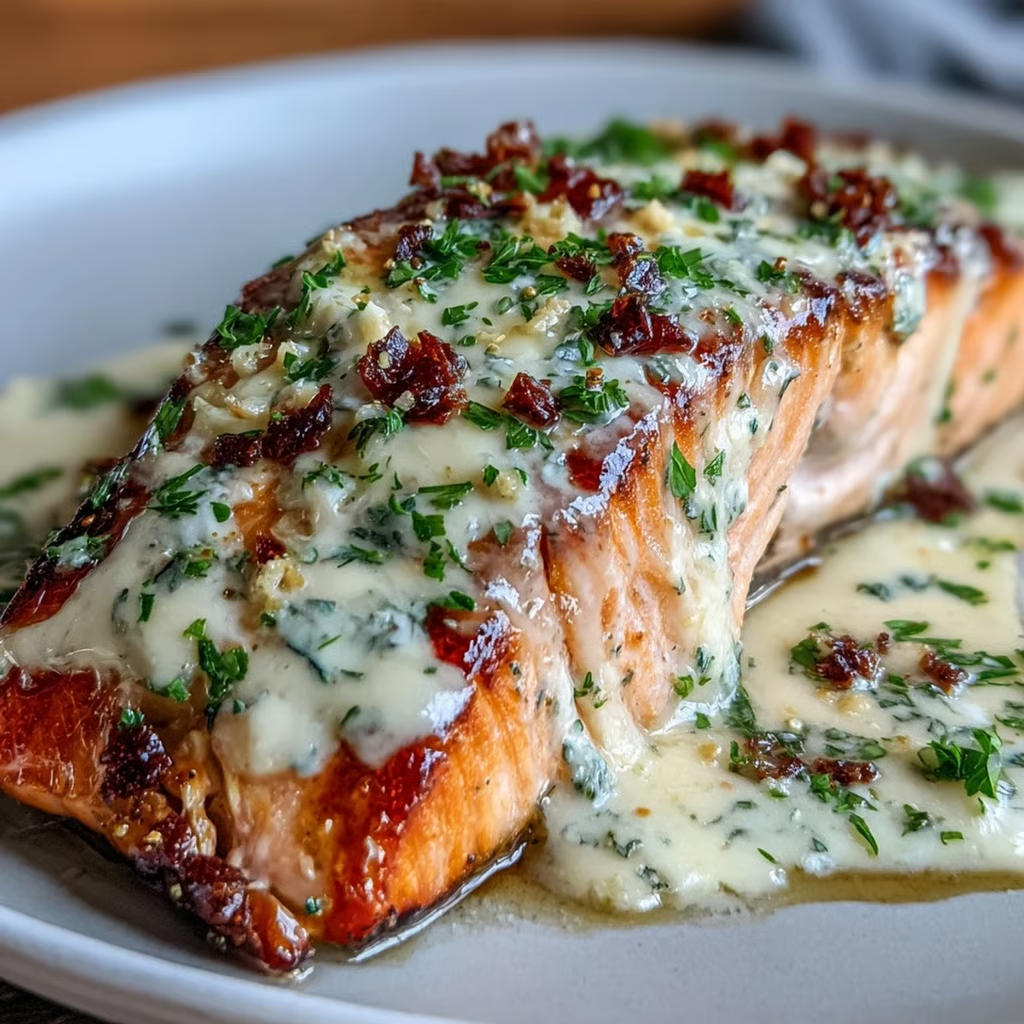
Remove from the oven and let the salmon rest for 2 minutes before serving. Spoon the lemon butter that has collected in the pan over the top of each fillet. This final basting step adds extra shine and flavor. Garnish with fresh parsley, flaky sea salt, and lemon wedges.
Flavor & Texture Notes
Properly cooked salmon has a texture that’s firm enough to hold together but tender enough that it yields to gentle pressure and separates easily into large, silky flakes. The flesh should be moist throughout with no dry or chalky patches. At medium doneness, the very center has a slight translucency and a buttery, almost custardy quality that’s difficult to describe but unmistakably good.
The lemon butter creates a glossy coating on the surface that browns lightly around the edges during baking. The top of each fillet will have golden, caramelized patches where the butter reduced against the heat. The herbs on the surface get slightly crispy and intensified in flavor.
The butter sauce that pools in the pan becomes deeply flavored from the salmon’s natural fats dripping into it during baking. By the time you spoon it back over the cooked fish, it’s a rich, garlicky, herby emulsion with concentrated lemon that tastes like something a restaurant put real effort into.
The lemon is prominent but balanced. Lemon zest provides aromatic citrus oils and a slightly floral quality. Fresh lemon juice adds bright acidity. Together they make every other flavor taste more vivid without tipping the dish into tartness. The garlic is savory and aromatic without being sharp. The herbs add freshness and color. The smoked paprika, if used, adds a barely-there smoky quality that makes people wonder what the ingredient is without being able to identify it.
Skin-on salmon develops a slightly crispy skin on the bottom where it rests against the hot pan – worth leaving on even if you don’t eat it, as it protects the flesh and adds flavor to the butter underneath.
Tips & Variations
Salmon quality matters here because the dish is simple and doesn’t hide behind heavy sauces. Wild-caught salmon (sockeye, coho, king) has more intense flavor and deeper color than farmed Atlantic salmon. Both taste good with this preparation, but wild varieties offer more complexity. Fresh salmon almost always outperforms frozen in texture, though properly thawed frozen salmon works well.
For the most even cooking, try to choose fillets of similar thickness. Thin tail-end pieces will overcook by the time thicker center cuts are done. If your fillets vary significantly in size, tent the thinner ones loosely with foil midway through baking.
Make this with a honey garlic variation by adding 1 tablespoon of honey to the lemon butter. The honey caramelizes during baking and creates a slightly sweet, sticky glaze. It’s particularly good if you want something that feels more indulgent.
An herb crust adds texture and visual appeal. Mix 3 tablespoons of panko breadcrumbs with 1 tablespoon of parmesan, 1 teaspoon of lemon zest, and 1 teaspoon of olive oil. Press it onto the top of each fillet before baking. It creates a crispy topping that contrasts with the tender fish.
Add capers to the lemon butter for a piccata-inspired version. Their briny, puckery flavor is a natural partner for salmon and lemon.
Make this completely dairy-free by using good quality olive oil instead of butter. The flavor won’t be as rich, but a generous amount of olive oil with lemon and garlic creates a beautifully flavorful result.
Storage & Make-Ahead
Baked salmon is one of the better fish dishes for leftovers because the lemon butter keeps it from drying out. Store cooled fillets in an airtight container in the refrigerator for up to 3 days.
Reheat gently. The microwave works but tends to make the texture rubbery – if using it, cover the salmon loosely and heat at 50% power in 30-second intervals until just warm. A better method is to place the salmon in a covered skillet with a tablespoon of water or broth over low heat for about 5 minutes. This gentle steaming keeps it moist.
Leftover salmon is excellent served cold over salads, flaked into pasta with olive oil and capers, mixed into scrambled eggs, or served with crackers as a quick lunch. Cold leftover salmon has a firmer texture that works well in these applications.
Don’t try to freeze cooked salmon – the texture deteriorates significantly when thawed. Freeze raw salmon and cook it fresh instead.
For partial make-ahead, mix the lemon butter up to 3 days ahead and refrigerate it. Bring it to room temperature before spooning over the salmon so it’s pourable rather than solid.
Serving Suggestions
Baked salmon with lemon butter is a complete protein that pairs effortlessly with a wide range of sides. Steamed or roasted asparagus is the classic pairing – the clean, slightly bitter flavor of asparagus and lemon butter salmon is a combination that works every time. Roasted broccolini, green beans, or Brussels sprouts also work beautifully.
For starches, roasted baby potatoes or mashed potatoes let the sauce shine, as the butter pools into every crevice. Rice pilaf, couscous, or orzo absorb the lemon butter excellently and make the meal feel complete without much effort.
A simple arugula salad with shaved parmesan and lemon vinaigrette mirrors the lemon in the salmon and provides freshness. The peppery bitterness of arugula cuts through the butter richness perfectly.
For a lighter meal, serve over a grain bowl with quinoa, cucumber, cherry tomatoes, and a dollop of tzatziki. The salmon becomes the protein component of a Mediterranean-inspired bowl.
Wine pairing is straightforward: any unoaked or lightly oaked white wine works well. A crisp Sauvignon Blanc is a natural match for the lemon and herbs. Pinot Gris or a dry Riesling bring their own fruit complexity that complements the salmon. For those who prefer red wine, a light Pinot Noir is gentle enough not to overwhelm delicate fish.
For a special occasion dinner, serve on warmed plates with extra lemon butter sauce drizzled over the top, asparagus alongside, and a small mound of herb-flecked rice. It looks elegant with minimal effort.
FAQ
How do I know when salmon is done without a thermometer? Press the thickest part gently with your finger or a fork. It should feel firm but give slightly, similar to pressing the base of your thumb when your hand is relaxed. The flesh should flake when you test with a fork and should have turned from translucent dark pink to lighter opaque pink. If the center still looks very dark and translucent, give it another 2 minutes.
My salmon sticks to the foil. How do I prevent this? Make sure your foil is well-coated with cooking spray or a thin layer of oil before adding the salmon. You can also bake it on a bed of lemon slices, which acts as a natural rack and prevents sticking. Non-stick foil also works well.
The lemon butter is separating in the pan. Is that normal? Yes, completely normal. Butter and lemon juice don’t form a permanent emulsion without an emulsifier. The sauce will look separated in the pan, but when you spoon it over the salmon it coats beautifully. A quick stir before spooning helps.
Can I make this with frozen salmon? Yes. Thaw it completely in the refrigerator overnight, then pat it very dry before seasoning. Never bake salmon from frozen – it will steam rather than bake and the texture will be uneven and watery.
Can I use a different fish with this recipe? This lemon butter preparation works beautifully with most firm white fish as well – cod, halibut, sea bass, and tilapia all respond well. Cooking times will vary based on thickness, and white fish is less forgiving than salmon when overcooked since it lacks the same fat content, so watch the time closely.
The skin is sticking to everything. Should I remove it before baking? Leave the skin on during baking – it protects the flesh from direct heat and the pan. If you don’t want to eat it, simply slide the fillet off the skin with a spatula when serving. The flesh separates cleanly from the skin once cooked.
This baked salmon with lemon butter is proof that weeknight cooking doesn’t have to choose between fast and genuinely good. The combination of tender, flaky fish and that simple butter sauce is satisfying in a way that feels effortless because it actually is. Make this once, and the 30-minute cook time and handful of pantry ingredients will have you reaching for it every week. It’s reliable, adaptable, and consistently better than you’d expect from something so simple.