Follow Me On Social Media!

Watermelon Feta Salad: A 15-Minute Summer Recipe That Actually Tastes Good.

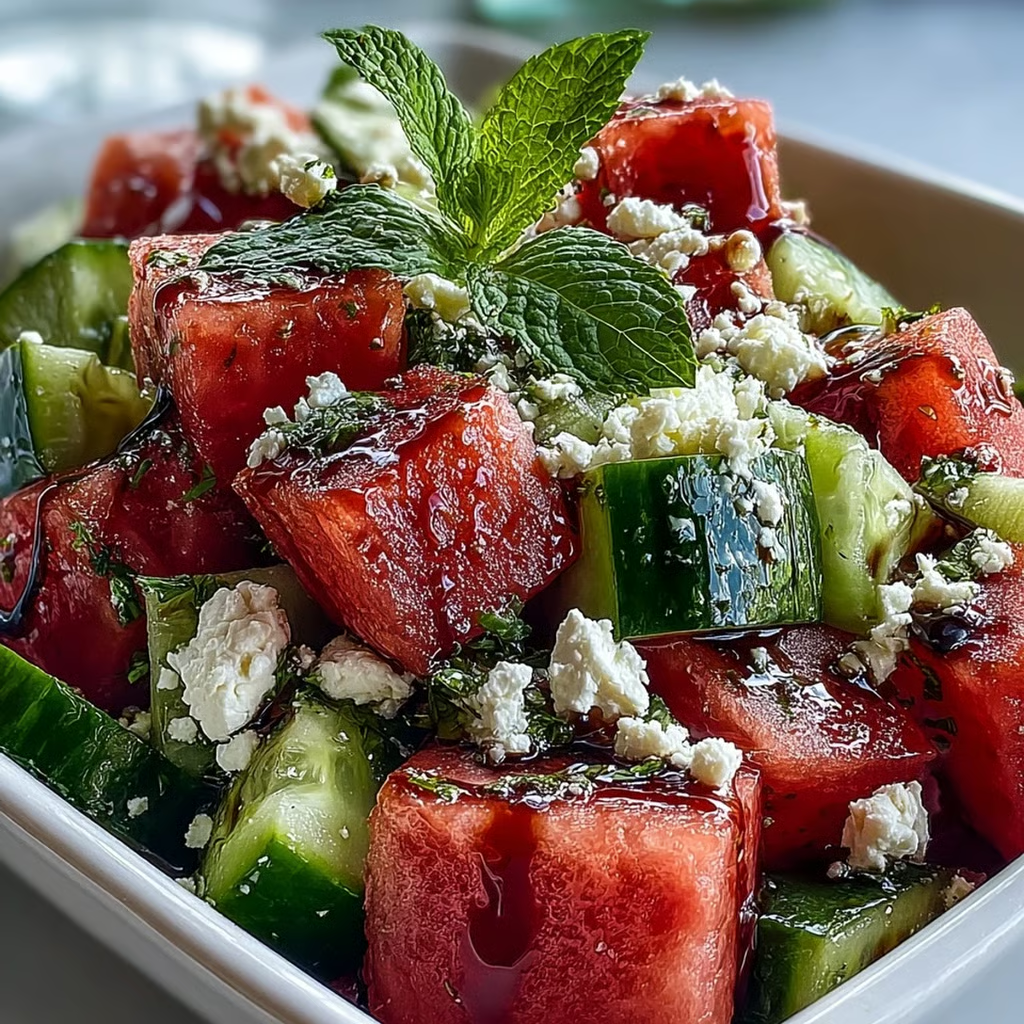
I’ll be honest—the first time someone told me to put cheese on watermelon, I thought they’d lost it. But one sweltering July afternoon, a friend served this combination at a backyard gathering, and I’ve been making it ever since. There’s something about the way cold, sweet watermelon plays against salty feta that just works, especially when you’re too hot to think about turning on the stove.
This watermelon feta salad takes about 15 minutes from start to finish, which makes it perfect for those nights when you want something fresh but can’t be bothered with complicated prep. It’s become my go-to for potlucks, picnics, and those evenings when dinner needs to happen fast. The beauty of this recipe is that it doesn’t try too hard—just good ingredients doing their thing together.
What makes this salad stand out is the balance. You’ve got juicy fruit, creamy cheese, crisp cucumber, and a simple dressing that ties everything together without drowning it. It’s substantial enough to feel like a real meal but light enough that you won’t feel weighed down, which is exactly what you want when it’s 85 degrees outside.
Ingredients
For the Salad:
- 6 cups seedless watermelon, cut into 1-inch cubes (about half a small watermelon)
- 1 cup feta cheese, crumbled or cubed (about 6 ounces)
- 1 large cucumber, halved lengthwise and sliced
- ½ small red onion, thinly sliced
- ⅓ cup fresh mint leaves, roughly torn
- ¼ cup fresh basil leaves, torn
- Optional: 2 cups baby arugula or mixed greens
For the Dressing:
- 3 tablespoons extra virgin olive oil
- 2 tablespoons fresh lime juice (about 1 lime)
- 1 tablespoon honey or maple syrup
- ¼ teaspoon sea salt
- Freshly ground black pepper to taste
- Optional: pinch of red pepper flakes for heat
Instructions
Start by prepping your watermelon. Cut it into bite-sized cubes, roughly an inch on each side. You want pieces that are big enough to feel substantial but small enough to get a bit of everything in one forkful. Toss any seeds you find, even though you’re using seedless watermelon—there are always a few stragglers.
While you’re cutting, place the watermelon pieces on a clean kitchen towel or paper towels for a minute. This helps absorb some of the excess juice, which keeps your salad from getting watery. It’s a small step, but it makes a real difference in the final result.
Slice your cucumber in half lengthwise, then cut it into half-moons about a quarter-inch thick. If your cucumber has large, tough seeds, scrape them out with a spoon. The red onion should be sliced as thin as you can manage—a mandoline helps here, but a sharp knife works fine. If raw onion is too sharp for your taste, soak the slices in cold water for five minutes, then drain them. This mellows out the bite without losing the crunch.
Tear your mint and basil by hand rather than chopping with a knife. When you cut herbs with a blade, they can bruise and turn dark. Tearing keeps them looking fresh and green, plus it releases their oils more gradually, which means better flavor distribution throughout the salad.
In a small bowl or jar, whisk together the olive oil, lime juice, honey, salt, and pepper. Taste it—the dressing should be bright and balanced, not too sweet or too tart. Adjust as needed. If you’re using red pepper flakes, add them now.
In a large serving bowl, combine the watermelon, cucumber, and red onion. If you’re adding greens, toss them in as well. Drizzle about three-quarters of the dressing over everything and gently toss with your hands or a large spoon. You want to coat everything evenly without smashing the watermelon.
Add the feta cheese and herbs on top, then drizzle with the remaining dressing. Give it one more gentle toss. The cheese should stay mostly intact, providing little pockets of creamy, salty contrast against the sweet watermelon.
Serve immediately, or chill for up to 30 minutes before serving. This salad is best eaten within an hour of assembly, while everything is still crisp and the watermelon hasn’t released too much liquid.
Flavor & Texture Notes
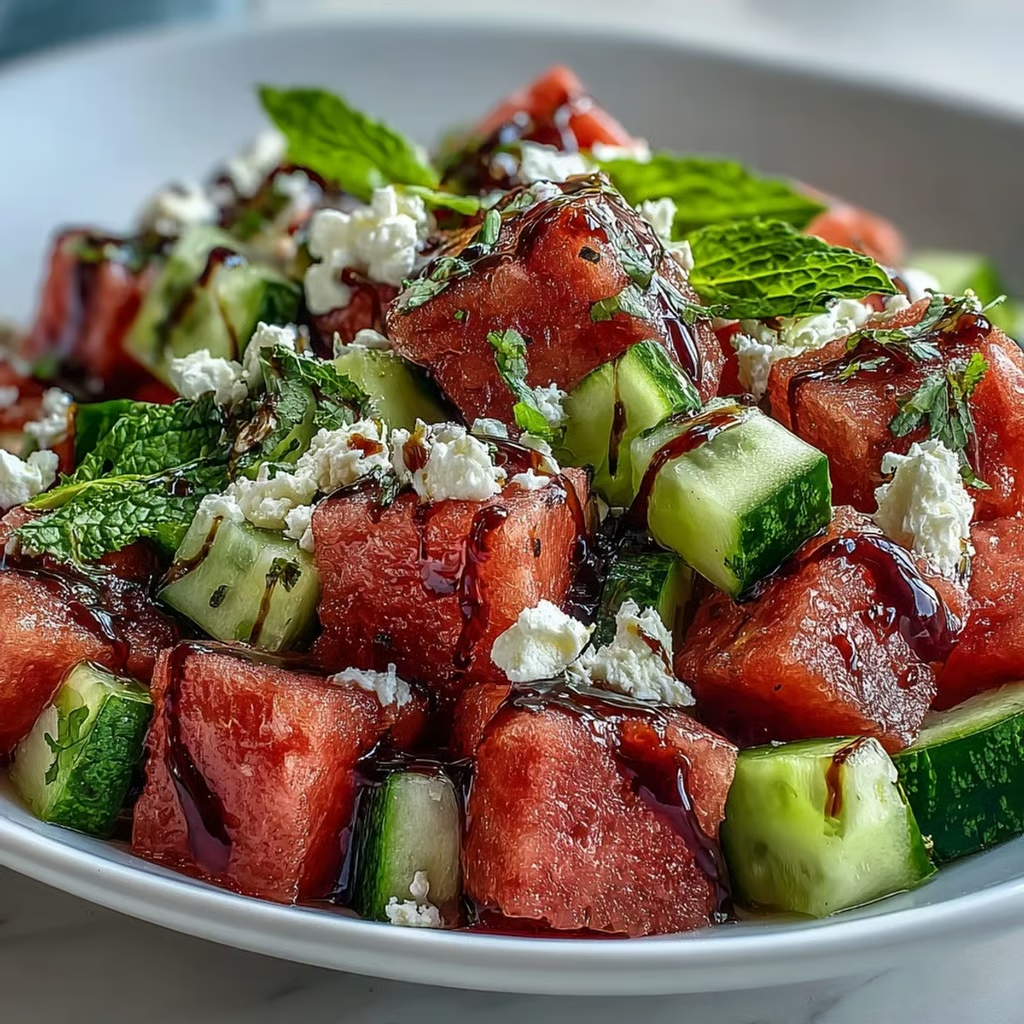
The first bite gives you cold, crisp watermelon with its clean, almost floral sweetness. Then the feta kicks in—creamy and tangy, with that characteristic salty punch that makes you reach for another forkful. The cucumber adds a fresh, vegetal crunch that keeps things interesting, while the red onion provides sharp little bursts of flavor that wake up your palate.
Mint is the herb that really makes this work. It brings a cool, slightly sharp note that feels natural next to the watermelon, almost like the salad version of a mojito. The basil adds a peppery, slightly sweet layer that rounds everything out. Together, they make the whole thing taste bright and summery without being one-dimensional.
The lime dressing is subtle but essential. It doesn’t compete with the watermelon’s natural sweetness—instead, it highlights it while adding just enough acid to keep everything balanced. The honey brings a gentle roundness that ties the sweet and savory elements together, and the olive oil gives the salad a pleasant richness without making it heavy.
Texture-wise, you’ve got a lot going on. Juicy watermelon, creamy cheese, crunchy cucumber, crisp onion, and tender herbs all play together. Nothing gets mushy or boring. Each bite is a little different depending on what you spear with your fork, which is part of what makes this salad so easy to eat.
Tips & Variations
If you’re not a feta person, try goat cheese or ricotta salata. Goat cheese will be tangier and creamier, while ricotta salata is milder and drier, closer to feta’s texture. For a dairy-free version, use marinated tofu cubes or skip the cheese entirely and add toasted pepitas for crunch and protein.
Swap the lime for lemon if that’s what you have. The flavor will be slightly different—a bit rounder, less sharp—but it works well. You can also use white balsamic vinegar for a more traditional approach, though I find lime keeps things feeling lighter.
Add some heat by including thinly sliced jalapeño or serrano pepper. The spice plays surprisingly well with the sweet watermelon, especially if you’re serving this alongside grilled meat or fish. A drizzle of balsamic glaze over the finished salad adds a sweet-tart dimension that some people really enjoy, though I think it’s just as good without.
For a heartier version, add grilled chicken, shrimp, or chickpeas. Quinoa or farro would work too if you want to turn this into a more substantial grain bowl situation. Avocado cubes are another option—they make the salad richer and more filling without changing the overall flavor profile too much.
If you can find them, Persian cucumbers are great here. They’re crunchier and have fewer seeds than regular cucumbers. English cucumbers work well too. Just avoid the waxy, thick-skinned supermarket cucumbers if you can—they don’t have the same fresh taste.
Try different herb combinations. Cilantro and mint together give it a Southeast Asian vibe. Dill and parsley make it feel more Mediterranean. Tarragon adds an interesting anise-like note that pairs well with the watermelon’s sweetness.
Storage & Make-Ahead
This salad doesn’t store well as a finished dish. Once the watermelon sits with the salt and dressing, it starts releasing liquid, and everything gets soggy within a few hours. If you need to prep ahead, keep the components separate until you’re ready to serve.
You can cube the watermelon and store it in an airtight container in the fridge for up to a day. Same with the cucumber and onion—keep them in separate containers. Make the dressing up to three days ahead and store it in a jar in the fridge. Give it a good shake before using since the oil and lime juice will separate.
Crumble or cube your feta and keep it refrigerated. Tear the herbs right before assembling the salad, as they’ll wilt and brown if you do it too far in advance.
If you have leftovers, they’ll keep for a few hours in the fridge, but expect the texture to change. The watermelon will release juice, making everything a bit soupy. You can drain off some of the excess liquid and add a handful of fresh greens to perk it up, but honestly, this is a salad best enjoyed fresh.
Serving Suggestions
This salad works as a light lunch on its own, especially if you add some protein like grilled chicken or chickpeas. It’s also a strong side dish for summer cookouts—it pairs particularly well with grilled lamb, chicken kebabs, or spicy sausages. The cool, sweet elements help balance out rich or spicy grilled meats.
Try it alongside Mediterranean dishes like falafel, hummus, and pita. The flavor profile fits right in with that cuisine. It’s also good next to simple grilled fish, especially something mild like halibut or sea bass that won’t compete with the salad’s freshness.
For presentation, serve it in a large, shallow bowl or on a platter rather than a deep bowl. This lets people see all the colors and ingredients, which makes it more appealing. A wide wooden bowl works nicely for a casual, rustic look.
If you’re bringing this to a gathering, transport the components separately and assemble on-site. It takes just a few minutes to toss everything together, and the salad will taste much better than if you’d mixed it hours earlier.
FAQ
Can I use regular watermelon instead of seedless? Yes, but you’ll need to pick out the seeds as you cut, which takes extra time. Seedless makes prep faster and eating more enjoyable since you don’t have to watch out for seeds.
Why is my salad watery? Watermelon releases liquid when it sits with salt and acid. Pat the cubed watermelon dry before adding it to the salad, don’t overdress, and serve within an hour of assembly. Using slightly less dressing than you think you need also helps.
Can I make this vegan? Absolutely. Skip the feta and add nutritional yeast for a cheesy flavor, or use vegan feta if you can find it. The salad is still good without any cheese substitute—just increase the herbs and add some toasted nuts or seeds for texture.
What if I don’t like mint? Use all basil, or try cilantro, parsley, or dill instead. Each herb will give the salad a different character, but they all work with watermelon. Start with less than the recipe calls for, taste, and add more if you want.
How do I know if my watermelon is ripe? Look for a creamy yellow spot on the bottom where it sat on the ground. The watermelon should feel heavy for its size and sound hollow when you tap it. If you can, smell the stem end—it should have a sweet, slightly fruity smell.
This watermelon feta salad is one of those recipes that looks impressive but requires almost no actual cooking skill. You’re basically just cutting things up and tossing them together, yet somehow it always gets compliments. Maybe it’s the unexpected pairing of sweet and salty, or maybe people just appreciate something that tastes fresh and light when the weather’s hot. Either way, it’s worth the 15 minutes it takes to make, and you’ll probably find yourself coming back to it all summer long.