Follow Me On Social Media!

Crispy Feta Fried Eggs: A 12-Minute Breakfast That Changes Everything.

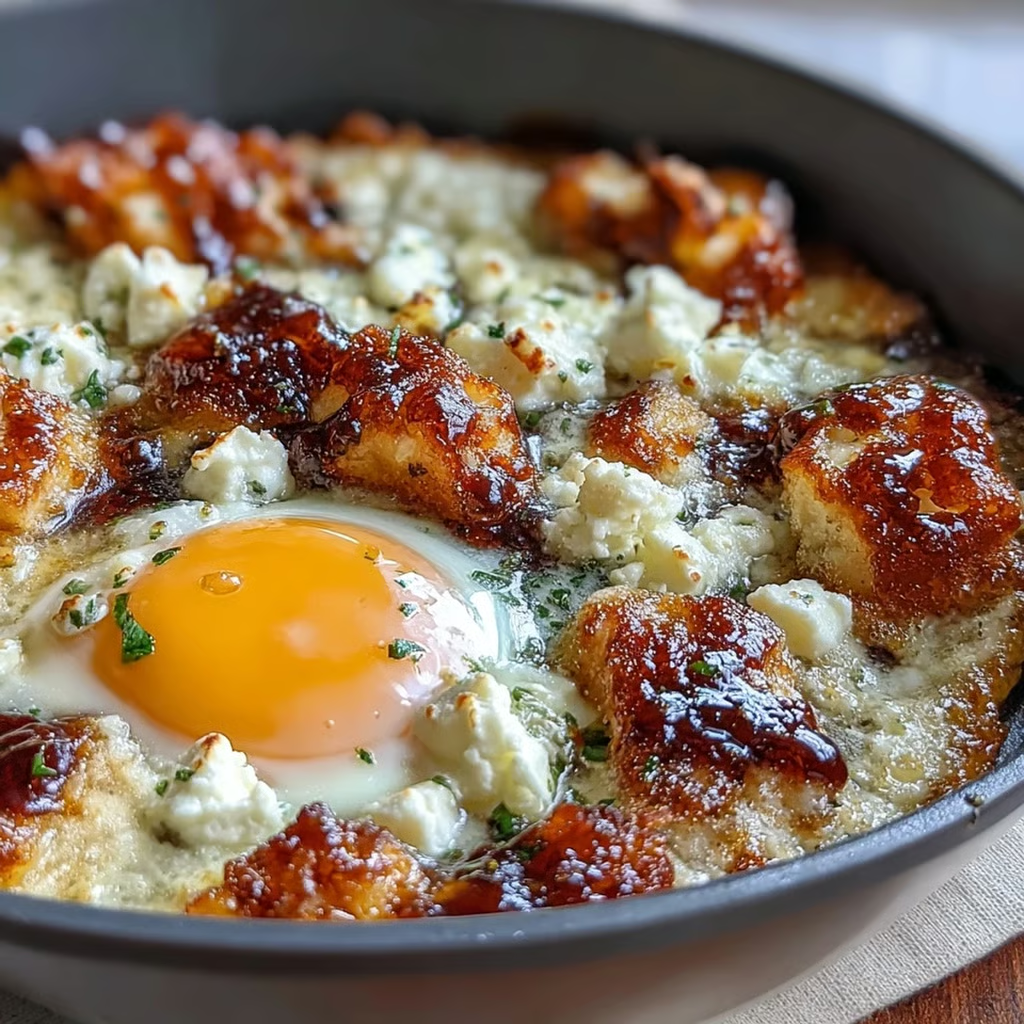
I stumbled onto crispy feta fried eggs completely by accident. I had some crumbled feta sitting in my fridge, a carton of eggs that needed using, and exactly twelve minutes before I had to leave for work. What happened in that skillet transformed my entire approach to weekday mornings. The feta hits the hot oil and immediately starts to sizzle and brown, creating these incredible crispy, salty edges. Then you crack the eggs right on top, and as they cook, the whites soak up all that Mediterranean flavor while the yolk stays perfectly runny. It’s the kind of breakfast that makes you feel like you’ve got your life together, even if you’re eating it standing over the sink.
This isn’t your standard fried egg situation. The technique comes from Turkish and Greek cooking traditions, where frying cheese before adding eggs creates layers of texture and flavor that regular fried eggs just can’t match. The whole thing comes together faster than toast, costs almost nothing, and works whether you’re feeding yourself on a Tuesday or trying to impress someone on a lazy Sunday morning. Once you nail the basic method, you’ll find yourself making it several times a week.
Ingredients
For the eggs:
- 3 ounces feta cheese, crumbled (about ¾ cup)
- 2 large eggs
- 2 tablespoons olive oil
- Freshly cracked black pepper
- Red pepper flakes (optional, but recommended)
Optional additions:
- Fresh herbs (dill, parsley, or mint)
- Cherry tomatoes, halved
- A squeeze of lemon juice
- Toast or pita for serving
The ingredient list is short because this recipe relies on technique rather than a long shopping list. Good feta makes a difference here—look for Greek or Bulgarian feta packed in brine rather than the pre-crumbled stuff, which tends to be drier and less flavorful.
Instructions
Prepare your ingredients. Drain your feta well and pat it dry with a paper towel. This step matters because excess moisture will cause the oil to spatter and prevent the feta from getting properly crispy. Crack your eggs into a small bowl or ramekin so they’re ready to go—this whole process moves quickly once you start.
Heat the skillet. Place a small or medium non-stick skillet over medium heat and add the olive oil. You want the oil properly hot before the feta goes in. Test it by dropping in a small piece of feta; it should sizzle immediately. This usually takes about two minutes.
Fry the feta. Scatter the crumbled feta evenly across the bottom of the pan. It doesn’t need to be in a perfect layer, but try to spread it out relatively evenly. Let it cook undisturbed for about 90 seconds. You’ll see the bottom pieces start to turn golden brown and crispy. The edges will get lacey and almost brittle. This is exactly what you want.
Add the eggs. Gently slide your eggs into the pan right on top of the feta. The whites will spread out and mingle with the cheese. If you prefer, you can create two small wells in the feta and crack the eggs directly into those spaces. Season with black pepper and red pepper flakes now—the feta brings plenty of salt, so you won’t need any additional.
Cook to your preference. For runny yolks, cover the pan with a lid and cook for about 2-3 minutes, until the whites are just set but the yolks still jiggle. For medium yolks, go 4-5 minutes. For fully set yolks, cook for 6-7 minutes. If you want the tops of your eggs cooked faster without flipping, add a tablespoon of water to the pan before covering—the steam helps set the whites.
Serve immediately. Slide everything onto a plate, making sure to get all those crispy feta bits. Finish with fresh herbs if you’re using them, maybe another crack of black pepper, and a small squeeze of lemon if you want some brightness.
Flavor & Texture Notes
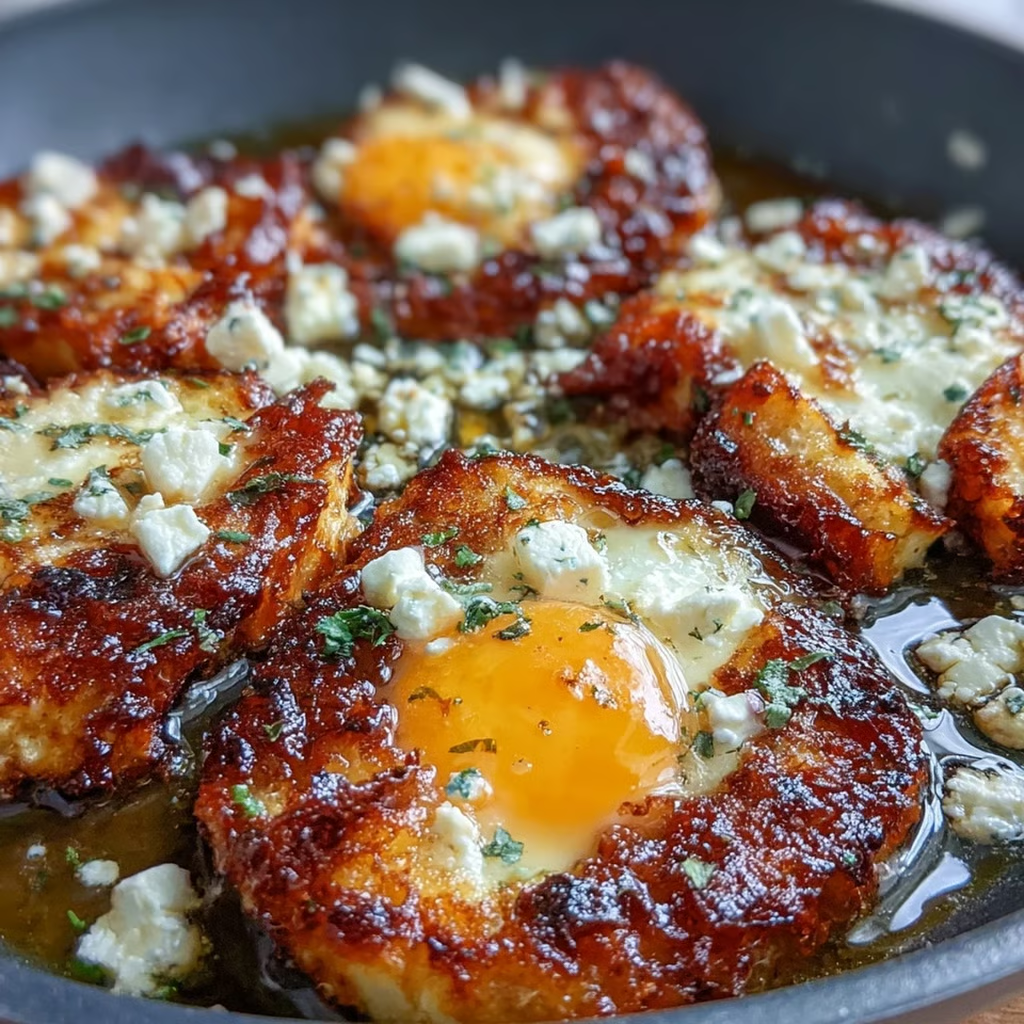
The contrast here is what makes this breakfast work. The feta develops these shatteringly crisp edges where it touched the hot oil—they’re salty, savory, and almost nutty. Just underneath that crispy layer, the cheese stays creamy and tangy. The egg whites pick up the olive oil and feta flavor as they cook, so every bite tastes rich and Mediterranean. The yolk, when you break it, creates an instant sauce that ties everything together.
The texture combination is genuinely satisfying. You get crunch from the fried feta edges, silky richness from the yolk, and that tender, just-set quality from the whites. It’s substantial enough to keep you full until lunch but doesn’t feel heavy. The saltiness from the feta is balanced by the mild eggs, and if you add red pepper flakes, you get a gentle heat that builds as you eat.
Temperature matters with this dish. It needs to be eaten hot, straight from the pan. As it cools, the crispy feta softens and the yolk thickens. That’s not bad necessarily, but you lose some of the magic.
Tips & Variations
Cheese choices: If you can’t find feta or don’t love it, halloumi works beautifully and gets even crispier. Goat cheese creates a creamier result with less crunch. Mexican cotija is another solid option. Each cheese brings its own character but the basic technique stays the same.
Make it a complete meal. Add a handful of baby spinach or arugula to the pan right after you add the eggs. It wilts in about 30 seconds and adds freshness. Cherry tomatoes can go in with the feta—they’ll burst and create a quick sauce.
Spice it up. Beyond red pepper flakes, try za’atar, sumac, or Aleppo pepper for Middle Eastern flavor. Smoked paprika adds depth. Fresh or dried oregano works well too.
Dietary modifications. This recipe is naturally gluten-free and low-carb. For dairy-free, you’ll need to skip this one—the feta is the star. For vegan, you could try the same technique with firm tofu cubes and vegan cheese, though the texture will be different.
Cooking for more people. The recipe scales easily. Use a larger skillet and increase both the feta and eggs proportionally. Just make sure your feta is still in a relatively even layer so it all crisps up.
Oil alternatives. Butter works if you prefer, though it browns faster than olive oil so watch your heat. Avocado oil is great if you want something neutral. Skip the extra virgin olive oil here—save that for finishing. Regular olive oil handles the heat better.
Storage & Make-Ahead
This really isn’t a make-ahead dish. Fried eggs don’t reheat well—the yolks harden and the whites get rubbery. That said, you can prep your ingredients the night before. Crumble and drain your feta, crack your eggs into a covered container, and measure out your oil. In the morning, cooking takes less than five minutes of active time.
If you do have leftovers, they’ll keep refrigerated for a day. Reheat gently in a skillet over low heat rather than using the microwave. The yolks will be cooked through, but the feta will still taste good. Some people actually prefer making extra to chop up and add to grain bowls or salads later.
Serving Suggestions
The obvious pairing is bread. Crusty sourdough, warm pita, or even a simple piece of whole wheat toast gives you something to mop up the yolk and scoop up the crispy feta. Grilled bread rubbed with garlic takes it up a notch.
This works well over a bed of garlicky sautéed greens—spinach, kale, or chard. The bitter greens balance the rich eggs and salty cheese. You could also serve it alongside roasted vegetables from the night before.
For a complete Mediterranean breakfast, add olives, sliced cucumbers and tomatoes, and maybe some hummus on the side. A simple arugula salad dressed with lemon and olive oil cuts through the richness nicely.
Drinks: This pairs well with strong coffee or black tea. Fresh orange juice works. If you’re having a weekend brunch, a light white wine or a simple Bloody Mary wouldn’t be out of place.
FAQ
Can I use egg whites only? Yes, though you’ll lose the rich yolk sauce that makes this special. If you’re watching cholesterol, use one whole egg and two or three whites. You might want to add a tiny bit more olive oil since you won’t have the yolk fat.
Why is my feta not getting crispy? Usually this means the feta was too wet or the pan wasn’t hot enough. Make sure you drain and pat the feta dry before cooking. Your oil should be shimmering and a test piece should sizzle immediately. Also, resist the urge to move the feta around—let it sit undisturbed so the bottom can brown.
What if I don’t have a lid for my pan? Use a large plate or a piece of aluminum foil to cover it. You can also cook the eggs fully without covering, though it takes longer and you might end up with overcooked edges before the yolk sets.
Can I cook the yolks more without overcooking the whites? Absolutely. Once the whites are mostly set, you can carefully flip the entire thing for 30 seconds to a minute. This gives you crispy feta on both sides and a yolk that’s cooked through but still slightly jammy. Or use the water-and-lid steaming method mentioned in the instructions.
Is this recipe traditional? The technique of frying cheese before adding eggs appears in several Mediterranean and Middle Eastern cuisines. This particular version is simplified for quick weekday cooking, but the basic concept has been around for generations. Traditional versions might include more vegetables or different spices depending on the region.
Conclusion
Twelve minutes might not sound like enough time to make something that feels special, but this recipe proves otherwise. Once you get the hang of the timing—hot pan, crispy feta, perfectly cooked eggs—you’ll have a breakfast in your regular rotation that feels restaurant-quality but costs pennies and requires almost no cleanup. The technique is simple enough that you can make it on autopilot on busy mornings, but impressive enough to serve to guests without feeling like you’re being lazy.
The best part is how adaptable this becomes once you master the basics. Add different vegetables, change up the cheese, adjust the spices based on what you’re craving. Some mornings you’ll keep it dead simple with just feta and eggs. Other days you’ll throw in whatever’s in the fridge and end up with something completely new. That’s the kind of recipe that actually gets used, not just bookmarked and forgotten. Give it a try tomorrow morning—you’ve definitely got twelve minutes.