Follow Me On Social Media!

Zesty Lemon Polenta Cake: A Bright, Gluten-Free Dessert with Italian Roots.

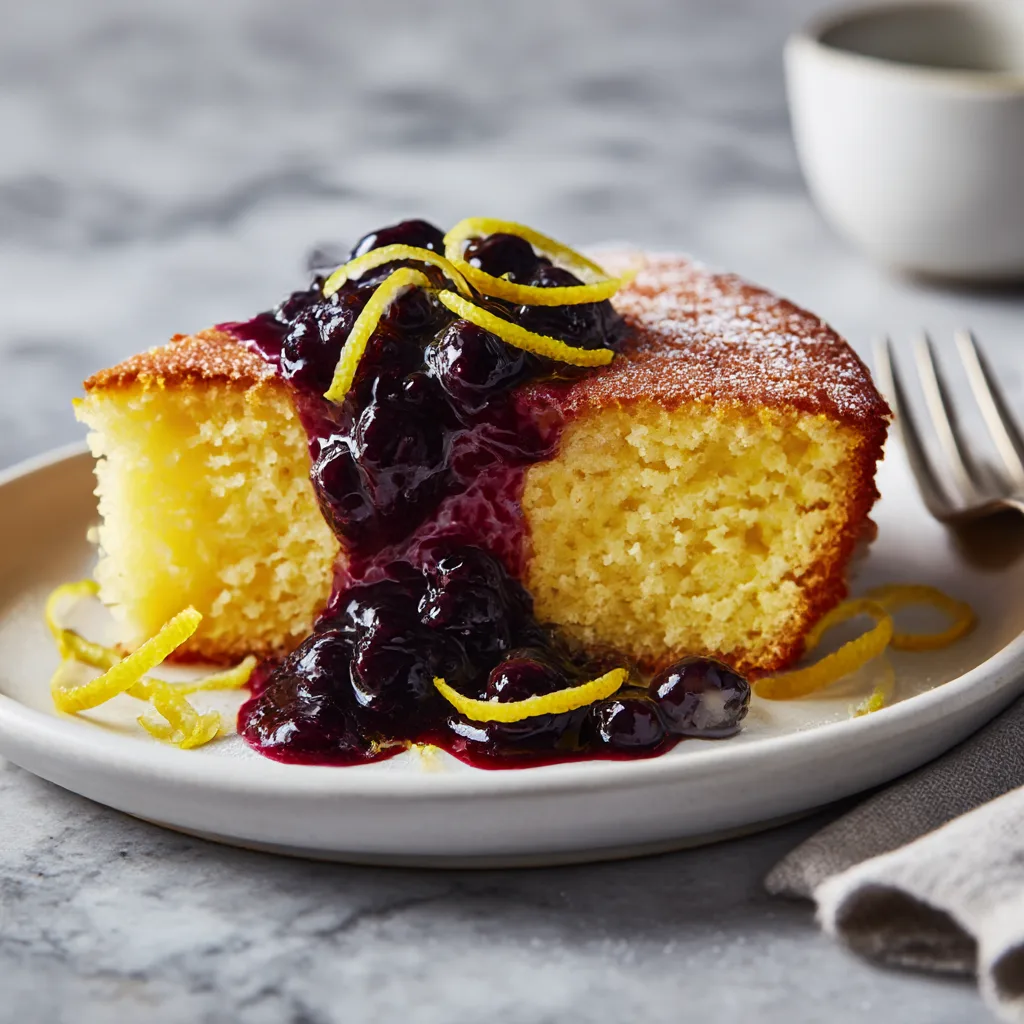
I first encountered polenta cake at a small café in the hills outside Florence, where the owner’s nonna made it fresh each morning. It wasn’t the towering layer cake I’d expected—it was humble, golden, and sitting unassumingly on a ceramic plate next to the espresso machine. One bite changed everything. The texture was dense but tender, with a slight graininess from the cornmeal that made it feel substantial and real. The lemon wasn’t just a background note; it sang through every crumb.
This lemon polenta cake has become my go-to when I want something that feels special without requiring a culinary degree. It’s naturally gluten-free thanks to the polenta, which means everyone at the table can enjoy it. The almond flour adds moisture and a subtle nuttiness that balances the bright acidity of fresh lemon juice and zest. Unlike fussy cakes that demand precision and perfect timing, this one is forgiving. The ingredients are straightforward, the method is simple, and the result is a cake that works equally well for a casual weekend breakfast or as the centerpiece of a dinner party dessert spread.
What makes this recipe particularly appealing is how the polenta creates a unique crumb. It’s not fluffy like traditional sponge cake, and it’s not heavy like a pound cake. It sits somewhere in between—moist, slightly crumbly, and with just enough structure to hold together on a fork. The lemon syrup that gets brushed over the warm cake soaks into all those little nooks, adding extra moisture and a concentrated citrus punch that keeps each bite interesting.
Ingredients
For the cake:
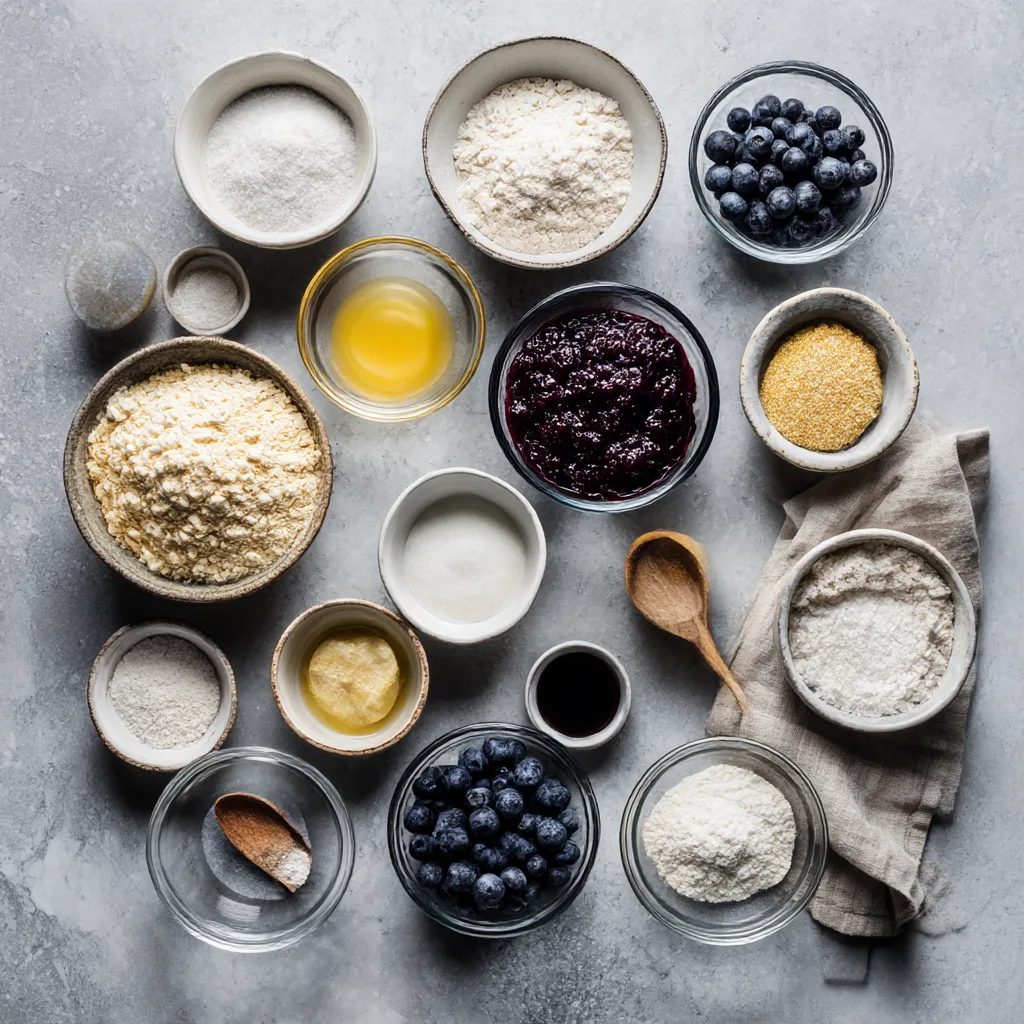
- 1 cup fine polenta (cornmeal)
- 1 cup almond flour
- 1½ teaspoons baking powder
- ½ teaspoon fine sea salt
- 3 large eggs, room temperature
- ¾ cup granulated sugar
- ½ cup extra virgin olive oil
- ½ cup whole milk (or your preferred dairy-free milk)
- Zest of 2 large lemons
- ¼ cup fresh lemon juice (from about 1½ lemons)
- 1 teaspoon vanilla extract
For the lemon syrup:
- ⅓ cup fresh lemon juice (from about 2 lemons)
- ¼ cup granulated sugar
Optional topping:
- Powdered sugar for dusting
- Fresh berries
- Whipped cream or Greek yogurt
Instructions
Start by preheating your oven to 350°F (175°C). Grease a 9-inch round cake pan with butter or oil, then line the bottom with parchment paper. This extra step prevents sticking and makes removing the cake much easier once it’s baked.
In a medium bowl, whisk together the polenta, almond flour, baking powder, and salt. Make sure everything is evenly distributed—lumps of baking powder can create uneven rising, and you want a consistent texture throughout.
In a large mixing bowl, beat the eggs and sugar together using a hand mixer or whisk. You’re looking for the mixture to become pale and slightly thickened, which takes about three minutes with a mixer or five minutes by hand. This step incorporates air and helps create a lighter texture despite the density of the polenta.
Pour in the olive oil, milk, lemon zest, lemon juice, and vanilla extract. Mix until everything is well combined. The mixture might look slightly curdled because of the lemon juice and milk interaction—that’s completely normal and won’t affect the final cake.
Add the dry ingredients to the wet ingredients in two additions, stirring gently with a spatula or wooden spoon after each addition. Mix just until no dry pockets remain. Overmixing can make the cake tough, so stop as soon as the batter comes together. The consistency will be thicker than typical cake batter but still pourable.
Pour the batter into your prepared pan and smooth the top with a spatula. Give the pan a gentle tap on the counter to release any air bubbles. Bake for 35 to 40 minutes, until the top is golden and a toothpick inserted into the center comes out clean or with just a few moist crumbs. The edges should be pulling slightly away from the sides of the pan.
While the cake bakes, prepare the lemon syrup. Combine the lemon juice and sugar in a small saucepan over medium heat. Stir until the sugar dissolves completely, then let it simmer for about two minutes. You want it slightly reduced and syrupy but not thick like honey. Remove from heat and set aside.
When the cake comes out of the oven, let it cool in the pan for ten minutes. Use a skewer or toothpick to poke holes all over the surface—don’t be shy about this step. The holes allow the syrup to penetrate deep into the cake. Brush or spoon the warm lemon syrup over the cake slowly, letting it absorb before adding more. Use all of the syrup.
Let the cake cool completely in the pan before turning it out onto a serving plate. The cooling time allows the syrup to distribute evenly and the texture to set properly.
Flavor & Texture Notes
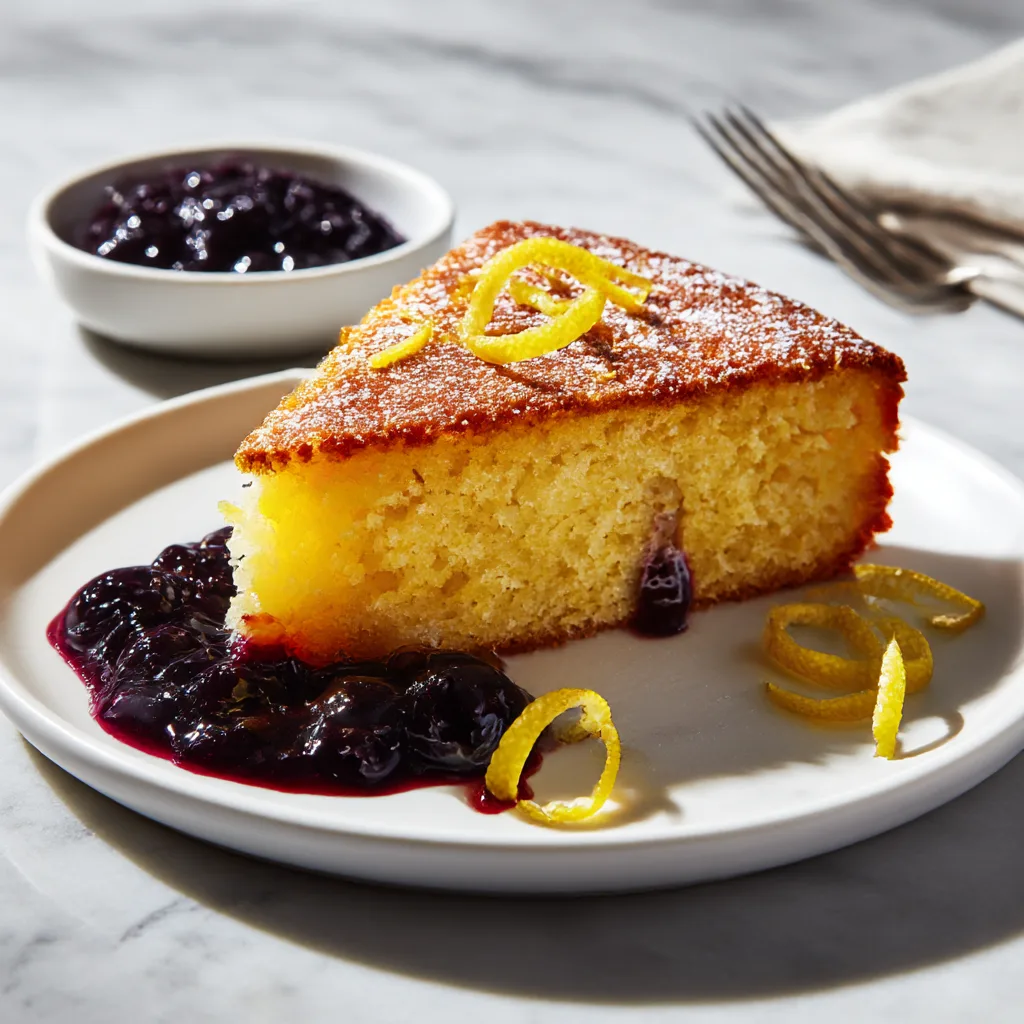
The first thing you’ll notice when you cut into this cake is the color—a warm, sunny yellow from the polenta and lemon zest. The crumb has a pleasant graininess that you can see and feel. It’s tender enough to break apart easily with a fork but substantial enough that it doesn’t crumble into dust.
The lemon flavor is pronounced but not harsh. The zest provides aromatic oils that smell incredible, while the juice adds tanginess. The syrup intensifies everything, creating pockets of sweet-tart moisture throughout. The almond flour contributes a background nuttiness that rounds out the citrus and prevents it from being one-dimensional.
Texture-wise, think of it as somewhere between cornbread and traditional cake. The polenta gives it body and a slight earthiness that grounds all that bright lemon. Each bite has a gentle resistance followed by a melt-in-your-mouth quality from the olive oil and almond flour. It’s satisfying in a way that lighter cakes sometimes aren’t—you’ll feel like you’ve actually eaten something real.
Tips & Variations
If you can’t find fine polenta, regular cornmeal works, but the texture will be coarser and more rustic. Some people prefer this, so it’s worth trying both ways to see which you like better.
The olive oil flavor comes through subtly in the finished cake. Use a good quality extra virgin olive oil, but nothing too peppery or intensely flavored. A mild, fruity oil works best and complements the lemon beautifully.
For a dairy-free version, swap the whole milk with almond milk, oat milk, or any plant-based milk you prefer. The cake stays moist and tender regardless.
You can substitute the almond flour with an equal amount of all-purpose flour if you need to avoid nuts, though the texture will be slightly different—a bit less tender and more cake-like. The gluten-free aspect would also no longer apply.
Try adding a tablespoon of poppy seeds to the batter for a classic lemon-poppy seed variation. The little crunchy seeds add visual interest and a mild nutty flavor.
For an orange version, replace the lemon juice and zest with orange. The cake becomes sweeter and less tangy but equally good.
A handful of fresh or frozen blueberries folded into the batter right before baking creates beautiful purple streaks and adds bursts of fruity flavor.
Storage & Make-Ahead
This cake keeps well at room temperature for up to three days when stored in an airtight container. The syrup keeps it moist, and the texture actually improves slightly on day two as the flavors meld together.
For longer storage, refrigerate the cake for up to a week. Let it come to room temperature before serving, as the texture is better when not cold. You can also warm individual slices in the microwave for about fifteen seconds to refresh them.
The cake freezes beautifully for up to three months. Wrap it tightly in plastic wrap, then aluminum foil, and freeze whole or in individual slices. Thaw overnight in the refrigerator or at room temperature for a few hours.
You can make the cake a day ahead of serving. In fact, making it the day before gives the lemon syrup time to fully absorb and the flavors to deepen. Just keep it covered at room temperature and dust with powdered sugar right before serving.
Serving Suggestions
This cake shines at breakfast or brunch alongside strong coffee or espresso. The lemon cuts through the richness of a cappuccino perfectly, and the texture is substantial enough to feel like a proper morning meal rather than just dessert.
For an elegant dessert, serve slices with a dollop of softly whipped cream or mascarpone mixed with a touch of honey. Fresh berries—especially raspberries or blackberries—provide color and a tart contrast to the sweet cake.
Greek yogurt mixed with a drizzle of honey and some lemon zest makes a tangy, protein-rich accompaniment that turns this into a lighter option for warm afternoons.
Try it with a scoop of vanilla gelato or lemon sorbet for a temperature contrast that feels restaurant-worthy. The cold creaminess against the moist cake is genuinely wonderful.
A simple dusting of powdered sugar through a fine-mesh sieve gives it a classic, unfussy look that works for any occasion. Candied lemon slices arranged on top add visual drama if you’re feeling fancy.
FAQ
Can I use regular flour instead of almond flour? Yes, you can substitute all-purpose flour in equal measure. The cake will have a slightly different texture—less moist and tender, more traditional cake-like—but it will still work well. You’ll lose the naturally gluten-free aspect if that’s important to you.
Why is my cake dense and heavy? The most common reasons are overmixing the batter or not beating the eggs and sugar enough at the beginning. Make sure you whip the eggs and sugar until pale and slightly thickened, and fold in the dry ingredients gently just until combined. Also check that your baking powder is fresh—old leavening agents lose their potency.
Can I make this in a different pan size? Absolutely. An 8-inch pan will give you a taller cake that needs about 5 to 8 minutes longer to bake. A 9×13-inch pan creates a thinner cake that bakes faster, around 25 to 30 minutes. Just watch for the visual cues—golden top and clean toothpick.
How do I know when the cake is done? The top should be golden brown, the edges should pull away slightly from the pan, and a toothpick inserted into the center should come out clean or with just a few moist crumbs. The cake should spring back lightly when touched in the center.
Can I reduce the sugar? You can reduce the sugar in the cake by about ¼ cup without drastically affecting the texture, though it will be less sweet and the crust won’t brown as nicely. I wouldn’t recommend reducing the sugar in the syrup, as you need enough to create the right consistency and sweetness to balance the tart lemon juice.
Conclusion
There’s something deeply satisfying about pulling together a cake that looks impressive but doesn’t require elaborate technique or hard-to-find ingredients. This lemon polenta cake delivers on both flavor and ease, making it the kind of recipe you’ll return to again and again. The bright lemon flavor feels right for spring and summer, but honestly, a slice of this with afternoon tea can brighten even the grayest winter day.
The beauty of this cake lies in its versatility and forgiving nature. Whether you serve it simply dusted with powdered sugar or dress it up with berries and cream, it adapts to the occasion. The gluten-free aspect means more people can enjoy it, and the ingredients are accessible enough that you probably have most of them already.
Give this recipe a try the next time you want something that feels homemade and thoughtful without spending hours in the kitchen. The combination of polenta’s rustic texture and lemon’s brightness creates something genuinely special—a cake that tells a story with every crumb.