Follow Me On Social Media!

Baked Tasmanian Salmon – Tender, Clean & Herb-Filled.

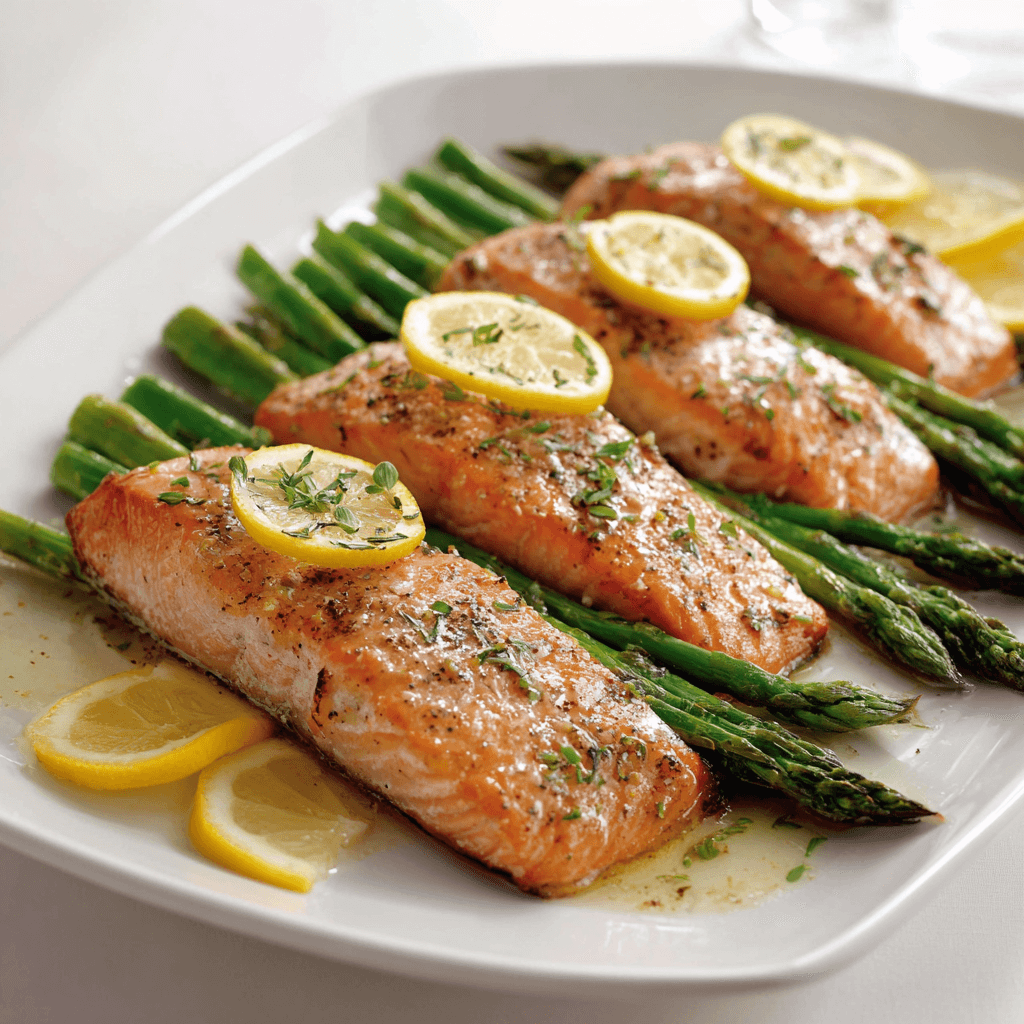
Tasmania’s cold, pristine waters produce some of the world’s most prized Atlantic salmon.1 Known for its high fat content and deep, vibrant marbling, Tasmanian salmon doesn’t need much to shine. This Baked Tasmanian Salmon recipe focuses on a “clean” preparation—avoiding heavy creams or breading—and instead uses a dense “blanket” of fresh herbs to insulate the fish as it roasts.
The result is a piece of seafood that is impossibly tender and aromatic. By baking at a slightly lower temperature than usual, we ensure the healthy omega-3 fats stay within the flakes rather than leaching out, giving you that “melt-in-your-mouth” texture that defines premium Tasmanian fish.
The Elements of “Clean” Flavor
To keep the dish light and focused on the quality of the fish, we use a trio of bright herbs and high-quality citrus.
| Component | Key Ingredients | Purpose |
| The Protein | Tasmanian Salmon Fillet | Rich, buttery, and high in Omega-3s |
| The Herb Blanket | Dill, Parsley, Chives | Provides an aromatic shield and “garden-fresh” finish |
| The Acid | Lemon & Capers | Cuts through the rich fat with sharp brightness |
| The Fat | Extra Virgin Olive Oil | Enhances the “clean” mouthfeel and aids roasting |
Ingredients
- 1.5 lbs Tasmanian Salmon (side or individual center-cut fillets)
- 1/2 cup Fresh parsley, finely chopped
- 1/4 cup Fresh dill, finely chopped
- 2 tbsp Fresh chives, minced
- 2 cloves Garlic, grated or very finely minced
- 1 tbsp Non-pareil capers, drained and chopped
- 1 Organic lemon (half sliced into thin rounds, half juiced)
- 2 tbsp High-quality Extra Virgin Olive Oil
- Salt & Cracked Black Pepper to taste
Step-by-Step Instructions
1. Temper the Fish
Remove the salmon from the refrigerator about 15–20 minutes before cooking.
Why? Cold fish hitting a hot oven often cooks unevenly, leaving the outside dry while the center remains raw. Bringing it closer to room temperature ensures a uniform “tender” bake.
2. Create the Herb Rub
In a small bowl, combine the parsley, dill, chives, garlic, chopped capers, lemon juice, and olive oil. Mix until it forms a thick, vibrant green paste.
3. The “Herb Blanket” Technique
Preheat your oven to 325°F (160°C).
- Line a baking sheet with parchment paper.
- Lay the lemon slices down first to create a “bed” for the salmon.
- Place the salmon on top of the lemons, skin-side down.
- Season the fish with salt and pepper, then spread the herb mixture evenly across the entire top surface, pressing it down slightly to ensure it sticks.
4. The Gentle Bake
Roast for 15–20 minutes, depending on the thickness of the fillet.
- The “Clean” Indicator: You are looking for the salmon to be just opaque. If you see white proteins (albumin) bubbling out of the sides, it is a sign the heat is too high or it’s overcooking.
5. The Rest
Remove from the oven and tent loosely with foil for 5 minutes. This final rest allows the residual heat to finish the center perfectly without drying out the edges.
Flavor and Texture Notes
This preparation is all about purity. The Tasmanian salmon provides a rich, savory base that feels substantial, while the herbs offer a cooling, grassy contrast. The capers are the “hidden gems” in the herb blanket, providing small bursts of brine and salt that make the flavor profile more complex.
Texture-wise, the salmon should be exceptionally soft—almost like butter. Because it was baked at a lower temperature (325°F vs 400°F), the flakes will be moist and translucent rather than chalky or dry.
Tips and Variations
- The Crispy Skin Option: If you prefer crispy skin, sear the salmon skin-side down in a hot pan for 2 minutes before adding the herbs and transferring to the oven.
- Herb Substitutions: If you don’t like dill, swap it for fresh tarragon for a sophisticated, anise-like flavor.
- Serving Suggestion: This is incredible served over a bed of wilted spinach or alongside steamed baby bok choy to keep the meal “clean” and light.
- The Cold Version: This salmon is just as delicious the next day served cold over a Niçoise-style salad.
FAQ
Why Tasmanian Salmon?
Tasmanian salmon is often farmed under some of the world’s strictest environmental regulations. The cold water temperatures result in a slower-growing fish with higher fat content, making it much more forgiving for home cooks to bake.
Can I use dried herbs?
For this specific “clean” style, I highly recommend fresh herbs only. Dried herbs can become woody and bitter when baked on top of fish, whereas fresh herbs stay bright and aromatic.
Is it okay if the center is slightly pink?
Yes! High-quality salmon is best served medium-rare to medium. If the fish flakes easily with a fork, it is safe and delicious to eat, even if the center looks a bit “glossy.”
Conclusion
Baked Tasmanian Salmon is proof that luxury doesn’t have to be complicated. It is a meal that respects the ingredient, providing a healthy, nutrient-dense dinner that feels like a treat.