Follow Me On Social Media!

Maple-Glazed Salmon: Sweet, Savory & Perfectly Roasted.

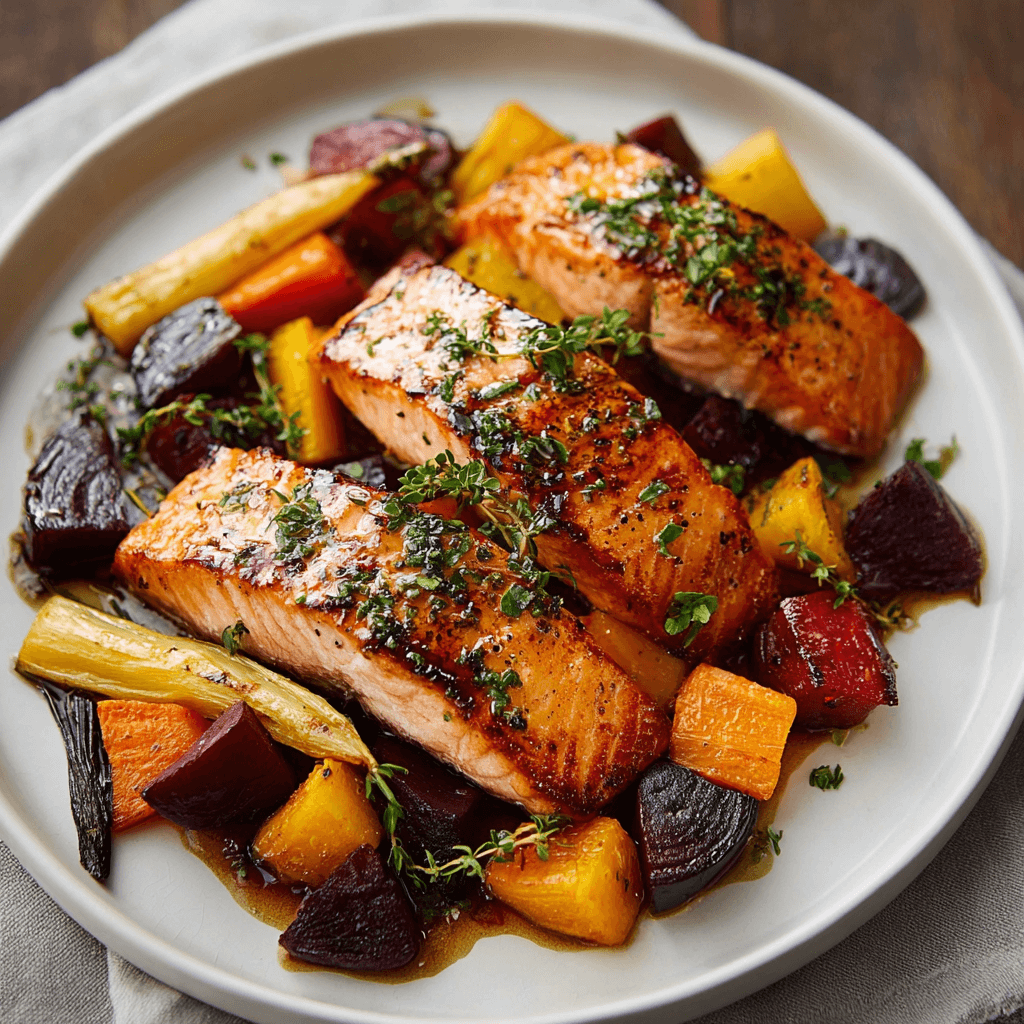
There is a specific culinary magic that happens when high-quality fat meets natural sugar under high heat. This Maple-Glazed Salmon is the poster child for that harmony. The maple syrup doesn’t just sweeten the fish; it reduces into a “lacquer”—a sticky, savory-sweet mahogany crust that protects the delicate, flaky meat inside from drying out.
What makes this recipe a perennial favorite is its versatility. It is elegant enough for a Saturday night dinner party but fast enough (under 20 minutes) for a Tuesday evening. By balancing the syrup with umami-rich soy sauce and tangy Dijon mustard, we move the dish away from “dessert territory” and into a sophisticated, balanced main course.
The Anatomy of the Glaze
A perfect glaze needs to hit four specific flavor pillars to ensure the salmon tastes complex rather than just sugary.
| Pillar | Ingredient | Role |
| Sweet | Pure Maple Syrup | Caramelization and floral sweetness |
| Salt/Umami | Soy Sauce or Tamari | Balances the sugar and adds depth |
| Tang | Dijon Mustard | Cuts through the fat of the salmon |
| Aromatic | Fresh Garlic & Ginger | Provides a warm, spicy finish |
Ingredients
- 4 (6 oz) Salmon fillets (center-cut, skin-on preferred)
- 1/3 cup Pure maple syrup (Grade A Dark provides the best flavor)
- 2 tbsp Soy sauce (or Tamari for gluten-free)1
- 1 tbsp Dijon mustard
- 1 tsp Garlic, minced
- 1/2 tsp Fresh ginger, grated
- 1/2 tsp Black pepper
- Optional: Sliced green onions and sesame seeds for garnish
Step-by-Step Instructions
1. Whisk the Lacquer
In a small bowl, whisk together the maple syrup, soy sauce, Dijon mustard, garlic, ginger, and black pepper.
Pro Tip: If you have 15 minutes to spare, let the salmon marinate in half of this mixture in the fridge. It seasons the fish all the way through rather than just on the surface.
2. Prepare the Pan
Preheat your oven to 400°F (200°C).2 Line a rimmed baking sheet with parchment paper or a silicone mat. This is essential—the sugar in the maple syrup will caramelize and stick to a bare pan, making cleanup a nightmare.
3. The Initial Roast
Pat the salmon fillets dry (if they weren’t marinating) and place them skin-side down on the pan. Brush a generous layer of the glaze over the top and sides of each fillet. Roast for 10–12 minutes.
4. The “Glaze and Broil” Finish
Remove the pan from the oven. Brush the remaining glaze over the fillets—this creates a second, thicker layer of flavor. Turn your oven to the Broil setting and place the salmon back in for 2–3 minutes.
Watch it closely! You want the glaze to bubble and turn a deep amber color, but it can go from “caramelized” to “burnt” in thirty seconds.
5. The Rest
Let the salmon rest for 3 minutes before serving. This allows the juices to redistribute, ensuring the center is buttery and moist.
Flavor and Texture Notes
The first sensation is the crackling sweetness of the glaze. It should be slightly tacky to the touch, similar to a honey-roasted nut. As you break into the fillet, the salmon should pull apart into large, translucent flakes that are rich and savory.
The flavor profile is a “tug-of-war” between the woody notes of the maple and the sharp, vinegary punch of the Dijon. The ginger provides a subtle heat that lingers in the back of the throat, preventing the dish from feeling too heavy.
Tips and Variations
- Skin-On is Best: Even if you don’t plan on eating the skin, roasting with it on provides a layer of insulation that prevents the fish from overcooking and helps retain moisture.3
- The Air Fryer Method: You can cook these in an air fryer at 380°F (190°C) for 8–10 minutes. The convection air is incredible for setting the glaze.
- Add Some Heat: Stir in 1/2 teaspoon of Sriracha or red pepper flakes to the glaze if you prefer a “Hot Honey” style kick.
- The Bourbon Twist: Add 1 tablespoon of Bourbon to the glaze for a smoky, oaky complexity that pairs beautifully with the maple.
FAQ
How do I know when the salmon is done?
The safest way is using a meat thermometer. For “Medium-Rare” (the chef’s standard), aim for 125°F (52°C). For “Well-Done,” aim for 145°F (63°C). Alternatively, the fish is done when it easily flakes with a fork at the thickest part.
Can I use maple-flavored pancake syrup?
I wouldn’t recommend it. Pancake syrup is mostly corn syrup and artificial flavorings.4 It won’t caramelize the same way and the flavor will be overly “artificial” against the savory fish.
What should I serve this with?
This salmon pairs perfectly with garlic-roasted asparagus, smashed baby potatoes, or a bed of fluffy quinoa to soak up any extra glaze.
Conclusion
Maple-Glazed Salmon is a masterclass in the “low effort, high reward” style of cooking. It transforms a simple piece of protein into a restaurant-quality centerpiece using items you likely already have in your pantry.