Follow Me On Social Media!

Spinach & Feta Omelet – Fluffy, Savory & Mediterranean-Inspired.

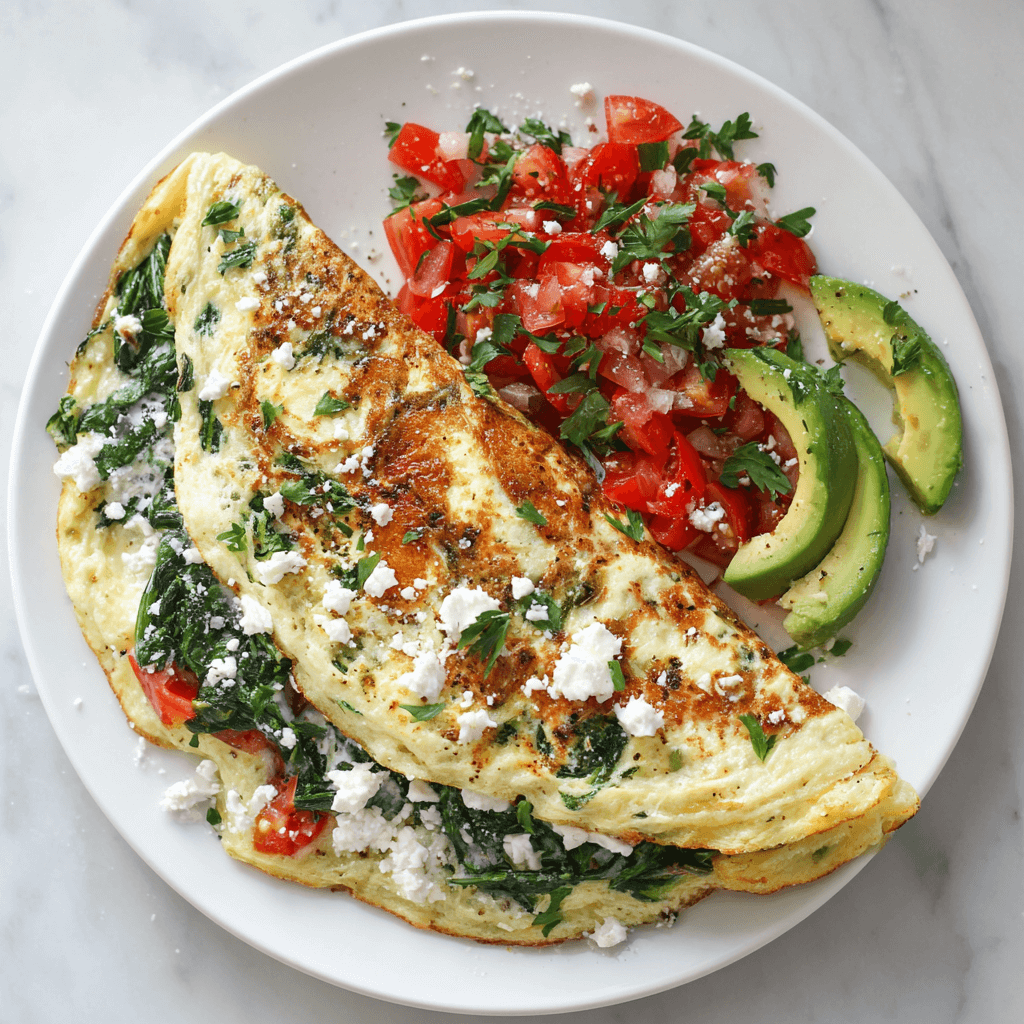
Today is Monday, December 22, 2025. We have just crossed the threshold of the winter solstice, and while the mornings are still crisp and the sun is slow to rise, there is a quiet shift toward the return of the light. On a morning like this, the body craves a breakfast that is both grounding and vibrant—something to wake up the senses without weighing them down.
The Spinach & Feta Omelet is a classic of Mediterranean-inspired cooking for a reason. It relies on the perfect marriage of three distinct elements: the creamy, protein-rich foundation of fresh eggs; the earthy, mineral depth of sautéed spinach; and the sharp, salty “pop” of aged feta cheese. Unlike the dense, meat-heavy omelets of the traditional diner, this version is light and airy. It’s a meal that feels like a crisp morning in the Aegean, designed to provide sustained energy and a healthy dose of greens before the day truly begins.
Ingredients
The secret to a great omelet is not just the ingredients themselves, but their preparation. For a truly Mediterranean profile, we lean into high-quality fats and fresh aromatics.
The Foundation
- 3 Large Eggs: Preferably pasture-raised for those vibrant, golden yolks.
- 1 tbsp Unsalted Butter or Extra Virgin Olive Oil: To ensure a non-stick, flavorful surface.
- A splash of water or milk: Just a teaspoon to help the eggs steam and lift as they cook.
The Filling
- 1 cup Fresh Baby Spinach: It looks like a lot, but it wilts down significantly.
- 2 tbsp Feta Cheese: Crumbled. Look for sheep or goat milk feta for the most authentic, tangy flavor.
- 1 Small Shallot or 1 tbsp Red Onion: Finely minced to provide a subtle sweetness.
- 1/2 clove Garlic: Minced (optional, but highly recommended).
The Finish
- Kosher Salt and Freshly Cracked Black Pepper.
- A pinch of Nutmeg: This is the “secret” ingredient that makes spinach taste incredible.
- Fresh Parsley or Dill: For a bright, herbal garnish.
Instructions: The Path to Fluffiness
A common mistake in omelet making is treating it like a stir-fry. An omelet requires a “low and slow” approach to maintain its delicate, custard-like texture.
1. Sauté the Greens First
Never put raw spinach inside an omelet; it releases too much water and will make your eggs soggy.
- In a small non-stick skillet, heat a drop of oil over medium heat. Sauté the shallots and garlic for 1 minute until soft.
- Add the spinach and a pinch of salt. Cook just until the leaves have wilted (about 30–45 seconds).
- Crucial Step: Remove the spinach from the pan and set it aside on a paper towel. Gently press out any excess moisture.
2. Whisk for Aeration
While the spinach is resting, crack your eggs into a bowl. Add your splash of water/milk, salt, pepper, and that tiny pinch of nutmeg. Whisk vigorously for at least 30 seconds. You want to see small bubbles forming on the surface—this air is what creates the “fluff” once it hits the heat.
3. The Gentle Cook
Wipe out your skillet and return it to medium-low heat. Add the butter. Once the butter is melted and foaming (but before it browns), pour in the egg mixture.
- Let the edges set for about 20 seconds.
- Using a silicone spatula, gently push the cooked edges toward the center, tilting the pan so the raw egg flows into the empty spaces. Repeat this until the top is still slightly moist but no longer runny.
4. The Fold
Scatter the sautéed spinach and the crumbled feta over one half of the omelet.
- Fold the other half over the filling.
- Turn off the heat and let the omelet sit in the pan for 30 seconds. This allows the residual heat to warm the feta through without overcooking the eggs.
5. Plate and Garnish
Slide the omelet onto a warm plate. Top with fresh herbs and an extra crack of black pepper.
Flavor & Texture Notes
The first thing you will notice is the softness. Because we cooked the eggs slowly, they have a tender, almost velvety texture rather than a rubbery one.
The flavor is a beautiful balance of earth and brine. The spinach provides a deep, vegetal base that is brightened by the sharp, acidic tang of the feta. The shallot and garlic provide a hidden layer of savory warmth, while the nutmeg—though subtle—adds a “roundness” to the spinach that makes the whole dish feel more sophisticated than your average breakfast.
Tips & Variations
- The “Green Goddess” Version: Add a few slices of fresh avocado on top after plating for extra healthy fats.
- Make it Spicy: Add a pinch of red pepper flakes to the spinach while sautéing.
- Sun-Dried Tomato Twist: Add 1 tablespoon of chopped sun-dried tomatoes (packed in oil) for a sweet, concentrated burst of Mediterranean flavor.
- Egg White Only: If you are watching your cholesterol, you can use 4 egg whites. Be sure to add a little extra feta or some herbs to compensate for the loss of flavor from the yolks.
FAQ
Why did my omelet turn brown? If the eggs are brown, the heat was too high. A classic Mediterranean or French-style omelet should be pale yellow. Lower your heat next time and be a bit more patient!
Can I use frozen spinach? Yes, but you must thaw it completely and squeeze it until it is bone-dry. Frozen spinach holds significantly more water than fresh.
Why does my feta not melt? Real feta (made from sheep or goat milk) doesn’t actually “melt” like cheddar or mozzarella. It softens and becomes creamy, but it will mostly hold its shape. This is part of its charm!
A Bright Start to the Week
As we navigate the shortest days of the year, taking ten minutes to prepare a fresh, colorful meal like this is a powerful way to reclaim your morning. It’s a reminder that even the simplest ingredients, when treated with care, can turn a routine breakfast into a restorative experience.
Would you like me to find a recipe for a “Lemon-Herb Roasted Tomato” side dish that