Follow Me On Social Media!

Crème Brûlée French Toast Casserole: The Make-Ahead Breakfast That Tastes Like Dessert.

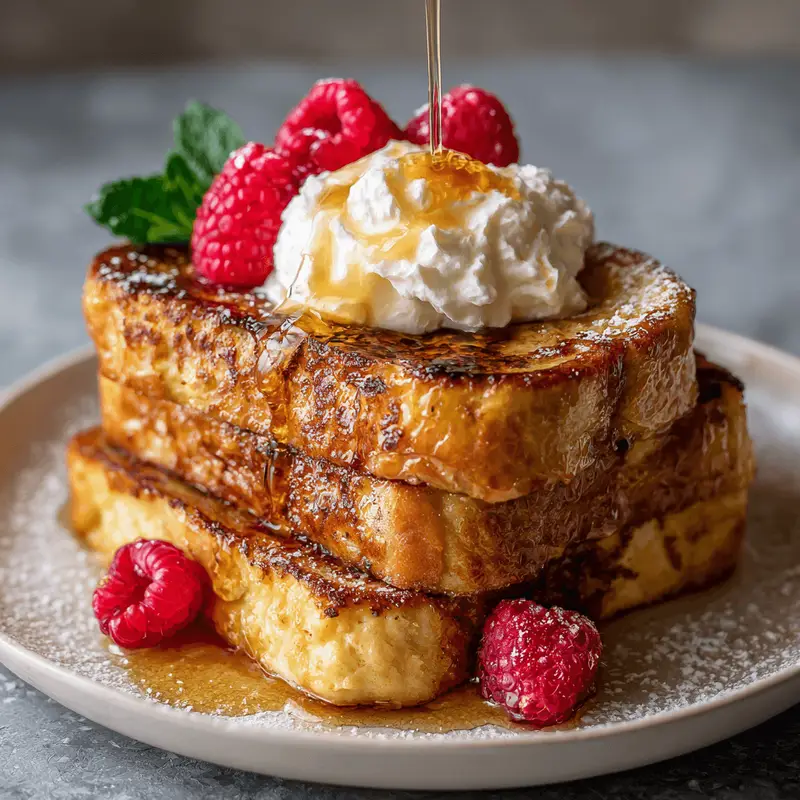
There are mornings when you want breakfast to feel like an event—holiday gatherings, birthday brunches, or those rare weekends when you have time to make something special. This crème brûlée French toast casserole was made for those moments. It combines the custardy richness of classic French toast with the caramelized sugar crackle of crème brûlée, all in a dish you can prepare the night before and bake while everyone’s still in pajamas.
I first made this for a Christmas morning when I wanted something impressive but refused to wake up at dawn to start cooking. The beauty of this baked French toast is that the bread soaks overnight in a vanilla-scented custard, developing deep flavor and that perfect texture—soft and pudding-like inside with slightly crispy edges. The caramelized sugar topping, inspired by crème brûlée, adds a satisfying crunch and bittersweet caramel flavor that transforms this from simple French toast into something extraordinary.
What makes this French toast casserole different from regular French toast is the convenience factor combined with superior texture. Individual slices of French toast can be tricky—some pieces get soggy while others stay dry, and you’re stuck at the stove flipping pieces while everyone else eats. A casserole solves all that. You prepare it once, bake it once, and everyone eats together while it’s hot.
This recipe proves that impressive breakfast doesn’t require complicated techniques or early mornings. With a little planning, you can serve something that looks and tastes like it came from a high-end brunch spot, complete with that dramatic caramelized topping that makes everyone reach for their phones to take pictures before digging in.
Ingredients
For the Casserole:
- 1 loaf (16 ounces) challah, brioche, or French bread, cut into 1-inch cubes
- 8 large eggs
- 2 cups whole milk
- 1 cup heavy cream
- 3/4 cup granulated sugar
- 2 tablespoons vanilla extract
- 1 tablespoon vanilla bean paste (optional, for extra vanilla flavor)
- 1 teaspoon ground cinnamon
- 1/4 teaspoon ground nutmeg
- 1/4 teaspoon salt
- 4 tablespoons unsalted butter, melted
For the Caramel Topping:
- 1/2 cup light brown sugar, packed
- 1/2 cup all-purpose flour
- 1/2 teaspoon ground cinnamon
- 1/4 teaspoon salt
- 6 tablespoons cold butter, cubed
For the Brûlée Finish:
- 1/4 cup granulated sugar for caramelizing
For Serving:
- Pure maple syrup
- Fresh berries (strawberries, blueberries, raspberries)
- Whipped cream or crème fraîche
- Powdered sugar for dusting
- Extra butter
Instructions
Begin the night before you plan to serve this casserole. Butter a 9×13 inch baking dish generously, making sure to get into all the corners. This prevents sticking and helps create those golden, crispy edges everyone fights over.
Cut your bread into roughly 1-inch cubes. If using challah or brioche, leave the crust on—it adds texture and helps the cubes hold their shape. Arrange the bread cubes in the prepared baking dish in an even layer. Slightly stale bread actually works better than fresh because it absorbs the custard without falling apart. If your bread is very fresh, you can dry the cubes in a 250°F oven for 15 minutes before using.
In a large bowl, whisk together the eggs, milk, heavy cream, granulated sugar, vanilla extract, vanilla bean paste if using, cinnamon, nutmeg, and salt. Whisk vigorously until the mixture is completely smooth and the sugar has dissolved. You want to incorporate some air, which helps create a lighter texture. Pour in the melted butter and whisk again to combine.
Pour the custard mixture evenly over the bread cubes, making sure to cover all the bread. Use your hands or a spatula to gently press the bread down into the custard, encouraging absorption. Some pieces will float—that’s fine. Cover the dish tightly with plastic wrap and refrigerate overnight, or for at least 6 hours. During this time, the bread will soak up the custard and the flavors will meld together beautifully.
The next morning, remove the casserole from the refrigerator and let it sit at room temperature while the oven preheats. This takes about 30 minutes and ensures even cooking. Preheat your oven to 350°F.
While the oven heats, make the caramel topping. In a medium bowl, combine the brown sugar, flour, cinnamon, and salt. Add the cold butter cubes and use your fingers or a pastry cutter to work the butter into the dry ingredients until the mixture resembles coarse crumbs with some pea-sized butter pieces remaining. This streusel-like topping adds another layer of texture and sweetness.
Remove the plastic wrap from the casserole and give the bread one final gentle press down to ensure even soaking. Sprinkle the caramel topping evenly over the surface. Don’t worry about covering every inch perfectly—rustic works beautifully here.
Bake for 45-55 minutes, until the casserole is puffed and golden brown on top, and the center is set but still slightly jiggly. A knife inserted into the center should come out mostly clean with just a few moist crumbs. If the top is browning too quickly, tent loosely with aluminum foil for the last 15 minutes.
Remove from the oven and let it rest for 10 minutes. This cooling period allows the custard to set properly, making it easier to serve clean portions. For the dramatic crème brûlée finish, sprinkle the granulated sugar evenly over the top while it’s still warm. Use a kitchen torch to caramelize the sugar, moving the flame constantly until the sugar melts and turns deep amber. The sugar will crackle as it cools, creating that signature brûlée crust.
If you don’t have a kitchen torch, you can place the casserole under the broiler for 2-3 minutes, watching constantly, until the sugar caramelizes. This method is trickier and the results are less controlled, but it works.
Flavor & Texture Notes
This crème brûlée French toast casserole delivers multiple satisfying textures and complex flavors in every bite. The interior is custardy and rich, similar to bread pudding but lighter and less dense. The bread maintains enough structure to be recognizable but becomes tender and almost melting, fully saturated with the vanilla-scented custard.
The vanilla flavor is pronounced without being artificial—the combination of extract and vanilla bean paste creates depth and those beautiful flecks of vanilla bean throughout. The cinnamon and nutmeg add warmth and complexity without overwhelming the vanilla, creating a flavor profile that feels cozy and familiar.
The caramel topping creates a streusel-like layer that’s slightly crispy and intensely buttery with deep caramel notes from the brown sugar. This layer contrasts beautifully with the soft custard beneath, adding textural interest and concentrated sweetness in each bite.
The brûlée finish—that thin layer of caramelized sugar—provides the dramatic element that makes this special. It cracks satisfyingly under your fork, revealing the soft casserole beneath. The slight bitterness of caramelized sugar balances the sweetness of the custard, creating a more sophisticated flavor profile than standard French toast.
The overall experience is decadent and rich—this is definitely a special occasion breakfast rather than a daily meal. It’s sweet enough to feel like dessert but substantial enough to count as breakfast, especially when balanced with fresh fruit.
Tips & Variations
Bread Selection: Challah and brioche are ideal because their eggs and butter create the richest texture. French bread or even sourdough works well too. Avoid pre-sliced sandwich bread, which becomes too mushy. Day-old or slightly stale bread absorbs custard better than fresh without falling apart.
Dairy Adjustments: For a lighter version, use all milk instead of the milk-cream combination. For extra richness, use all heavy cream. Half-and-half splits the difference nicely. Dairy-free versions can use coconut milk or almond milk, though the texture won’t be quite as creamy.
Flavor Variations: Add orange zest to the custard for a subtle citrus note. Fold in fresh or frozen blueberries between the bread layers. Sprinkle chocolate chips throughout for a more decadent version. Add a tablespoon of bourbon or rum to the custard for adult gatherings.
Make It Savory: Transform this into a savory strata by eliminating the sugar, vanilla, and spices. Add cheese, cooked sausage or bacon, sautéed vegetables, and fresh herbs to the custard. Use the same soaking and baking method for a completely different dish.
Portion Control: Make individual servings in ramekins or muffin tins for built-in portion control and faster cooking time. Reduce baking time to 25-30 minutes and adjust the amount of topping accordingly.
Without Overnight Soak: If you’re short on time, let the casserole soak for at least 2 hours at room temperature. The texture won’t be quite as uniform, but it still works. You can also use completely stale or toasted bread cubes, which absorb faster.
Storage & Make-Ahead
The beauty of this casserole is its make-ahead nature. Assemble it completely the night before (minus the caramel topping), cover tightly, and refrigerate. In the morning, let it come to room temperature, add the topping, and bake. You can also prepare the caramel topping ahead and store it in the refrigerator, adding it just before baking.
The fully assembled but unbaked casserole can be refrigerated for up to 24 hours before baking. Don’t prepare it more than a day ahead, as the bread can become overly saturated and mushy. If you need to prep further in advance, cube the bread and make the custard separately, combining them the night before baking.
Leftover baked casserole keeps in the refrigerator for up to 3 days. Store in an airtight container or covered with plastic wrap. Reheat individual portions in the microwave for 30-45 seconds, or warm the entire dish covered with foil in a 325°F oven for 15-20 minutes. The brûlée topping loses its crunch after storage, but you can re-torch it for that fresh-crackled effect.
This casserole can be frozen after baking, though the texture becomes slightly denser. Freeze in portions wrapped tightly in plastic wrap and aluminum foil for up to 2 months. Thaw overnight in the refrigerator and reheat as directed above.
Serving Suggestions
This crème brûlée French toast casserole is rich enough to be the star of your breakfast table. Serve it family-style from the baking dish, letting everyone scoop their own portions while it’s still warm. Provide warm maple syrup on the side—the real stuff, not pancake syrup—along with a bowl of fresh berries for brightness and color.
A dollop of whipped cream or crème fraîche adds richness and a tangy contrast. Fresh strawberries, blueberries, and raspberries not only look beautiful but provide tart contrast that cuts through the sweetness. A light dusting of powdered sugar before serving adds visual appeal and a touch more sweetness.
For a complete brunch spread, serve alongside bacon or sausage for those who want something savory, fresh fruit salad for freshness, and mimosas or coffee for beverages. The richness of this casserole means a little goes a long way—pair it with lighter sides to balance the meal.
Consider setting up a topping bar with various options: different syrups (maple, berry, caramel), nuts (toasted pecans or almonds), fresh and dried fruits, chocolate chips, and whipped cream. This allows guests to customize their portions and creates a more interactive, festive atmosphere.
This dish works beautifully for holidays, birthday brunches, Mother’s Day, or any special occasion breakfast. It’s also perfect for overnight guests—do the prep work before they arrive, then bake it fresh in the morning for an impressive but effortless host moment.
FAQ
Do I really need to refrigerate it overnight? For best results, yes. The overnight soak allows the bread to fully absorb the custard, creating that uniform, custardy texture throughout. If you’re short on time, 2-4 hours at room temperature works, but overnight is better. The flavors also develop and meld during the long soak.
Can I make this without a kitchen torch for the brûlée topping? Yes, though it’s trickier. Place the casserole under the broiler 4-6 inches from the heat source and watch it constantly. The sugar should caramelize in 2-3 minutes. The broiler method is less controlled and can burn quickly, so stay vigilant. Alternatively, you can skip the brûlée finish entirely and serve with the caramel streusel topping, which is delicious on its own.
My casserole turned out soggy in the middle. What happened? This usually means it needed more baking time or the oven temperature was too low. Make sure your oven is properly preheated to 350°F. The center should be set but slightly jiggly when done—it continues cooking from residual heat as it rests. If the top is browning too quickly while the center remains underdone, tent with foil and continue baking.
Can I use egg substitute for this recipe? You can try liquid egg substitute in equal amounts to the eggs called for, though the texture won’t be quite as rich or custard-like. This recipe really relies on eggs for structure and richness, so substitutions significantly change the final result. For best results, use real eggs.
How do I prevent the bottom from burning? Make sure your baking dish is well-buttered. If you notice the bottom browning too quickly, place the baking dish on a sheet pan to provide insulation. You can also reduce the oven temperature to 325°F and increase the baking time slightly, which creates more even cooking with less browning on the bottom.
What’s the difference between this and regular French toast? The casserole method allows for overnight soaking, creating a more uniform, custardy texture throughout. You’re not limited by stovetop space or timing—everything bakes together and is ready at once. The caramel topping and brûlée finish add layers of flavor and texture you can’t achieve with regular French toast. Plus, it’s make-ahead, which makes it infinitely more practical for entertaining.
Sometimes the best recipes are the ones that make mornings feel special without requiring you to sacrifice sleep or stress over timing. This crème brûlée French toast casserole is one of those recipes—do the work the night before, then wake up to the easy part: baking and serving something that looks and tastes impressive. The combination of custardy bread, buttery caramel topping, and that dramatic crackled sugar crust creates a breakfast experience that turns regular mornings into occasions worth remembering. Whether it’s a holiday tradition or a weekend treat, this casserole proves that the best comfort foods are the ones you can make ahead and still impress everyone at the table.