Follow Me On Social Media!

Candy Cane Cookies: The Classic Holiday Cookie You’ll Bake Every December.

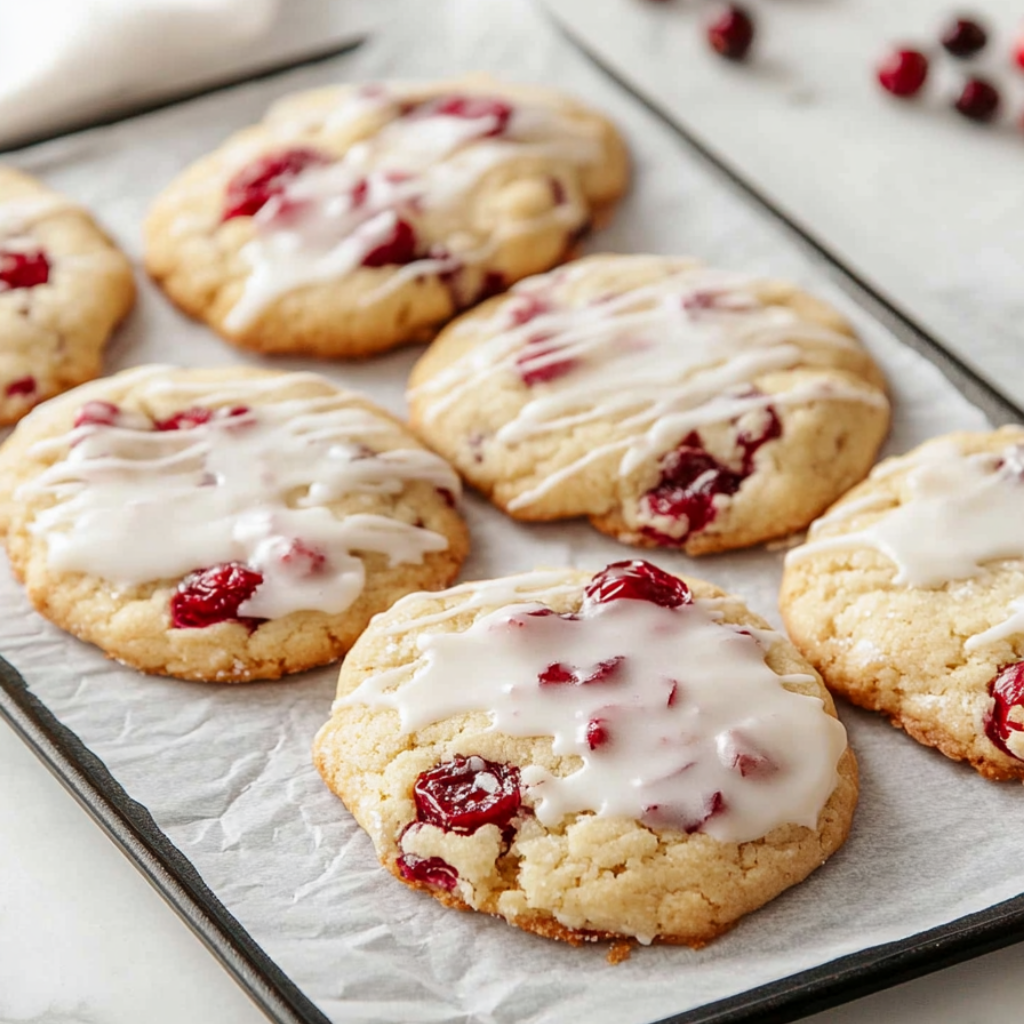
Every December, my kitchen counter becomes a staging area for what I call “cookie chaos”—multiple batches going at once, flour everywhere, and more butter than seems reasonable. But these candy cane cookies are always the first ones I make, partly because they’re beautiful and festive, but mostly because they disappear faster than anything else I bake.
The magic of candy cane cookies lies in their simplicity. They’re essentially vanilla and peppermint sugar cookies twisted into that iconic striped shape, but the visual impact is way beyond the effort required. There’s something about the red and white spiral that immediately says “holidays” without needing any complicated decorating or special equipment.
I learned to make these from a neighbor who brought them to every holiday gathering, and I finally asked for the recipe after watching them vanish from the cookie tray year after year. The secret, she told me, is getting the dough consistency just right so it’s easy to roll into ropes without cracking, and not overworking the peppermint flavor so it complements rather than overwhelms.
These candy cane cookies work beautifully for cookie exchanges, holiday parties, or just keeping on hand for when guests drop by. They also freeze well, which means you can make them ahead during those first weeks of December when you still have energy, then pull them out when December gets truly hectic.
Ingredients
For the Cookie Dough:
- 2 3/4 cups all-purpose flour
- 1/2 teaspoon salt
- 1 cup unsalted butter, softened to room temperature
- 1 cup powdered sugar
- 1 large egg
- 1 teaspoon vanilla extract
- 1/2 teaspoon peppermint extract
- Red gel food coloring (not liquid)
- 1/4 teaspoon almond extract (optional)
For Finishing:
- 1/2 cup granulated sugar
- 1/4 cup finely crushed candy canes or peppermint candies
- Additional crushed candy canes for topping (optional)
Instructions
Start by preparing your workspace, because you’ll be working with two separate doughs that need to stay separate until the twisting stage. In a medium bowl, whisk together the flour and salt, then set aside. This simple step ensures the salt distributes evenly throughout the cookies.
In a large bowl using an electric mixer, beat the softened butter and powdered sugar together on medium speed for about 3 minutes until light and fluffy. The mixture should look almost white and have increased in volume. Add the egg and beat until fully incorporated, scraping down the sides of the bowl as needed. Mix in the vanilla and peppermint extracts.
Gradually add the flour mixture to the butter mixture, beating on low speed just until the dough comes together. The dough should be soft but not sticky—if you press it with your finger, it should hold its shape without clinging to your skin.
Divide the dough in half as evenly as possible. Leave one half plain and add red gel food coloring to the other half. Start with just a small amount of gel coloring—you can always add more, but you can’t take it away. Knead the coloring into the dough with your hands until the color is uniform throughout. If you want a deeper red, add more coloring a tiny bit at a time. The almond extract can be added to the red dough at this stage if using, as it enhances the peppermint flavor.
Wrap each portion of dough separately in plastic wrap and refrigerate for at least 1 hour, or up to overnight. This chilling step is crucial—it makes the dough much easier to work with and prevents the cookies from spreading too much during baking.
When ready to bake, preheat your oven to 350°F and line two baking sheets with parchment paper. Mix together the granulated sugar and crushed candy canes in a shallow bowl and set aside.
Remove the dough from the refrigerator and let it sit at room temperature for about 5 minutes—it should be pliable but still cool. Working with about a tablespoon of each color at a time, roll each portion into a rope about 4-5 inches long and roughly the thickness of a pencil. The key is making both ropes the same length and thickness so they twist together evenly.
Place the red rope and white rope side by side and gently press one end together. Carefully twist the two ropes around each other, maintaining even pressure so one color doesn’t dominate. You want a nice spiral pattern with both colors clearly visible.
Curve the twisted rope into a candy cane shape, with the curve at the top and the straight part forming the handle. The cookies will spread slightly, so make your curve a bit more pronounced than you think necessary. Place each shaped cookie on the prepared baking sheet, spacing them about 2 inches apart.
If the dough becomes too soft while you’re working, pop it back in the refrigerator for 10 minutes. It’s much easier to work with cool dough, and you’ll get better-defined stripes.
Bake for 10-12 minutes, until the cookies are just barely starting to turn golden at the edges. The cookies should still look slightly underdone in the center—they’ll continue baking on the hot pan after you remove them from the oven. If you overbake them, they’ll lose that soft, tender texture that makes these cookies special.
Let the cookies cool on the baking sheet for 2 minutes, then carefully roll each warm cookie in the sugar and crushed candy cane mixture. The warmth helps the coating stick. Transfer to a wire rack to cool completely. If you want extra peppermint flavor, you can sprinkle additional crushed candy canes on top while the sugar coating is still sticky.
Flavor & Texture Notes
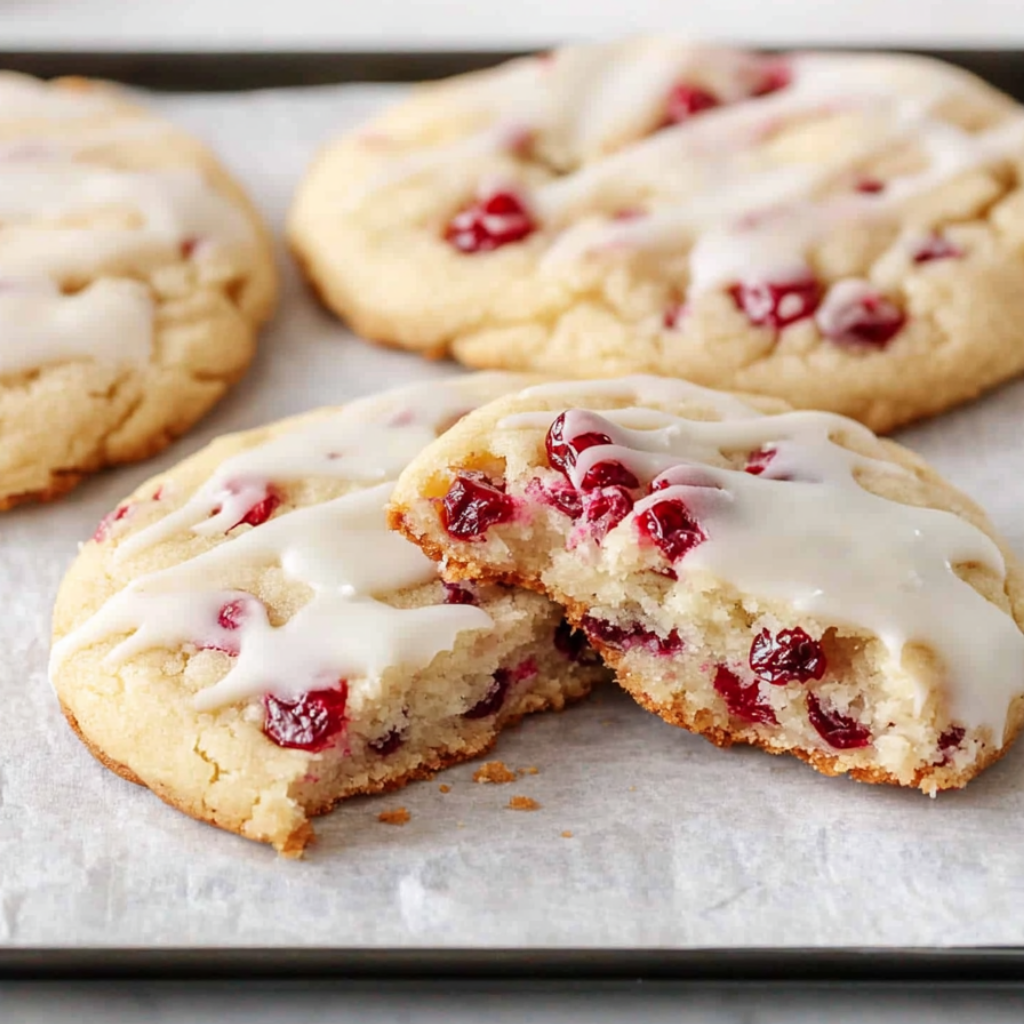
These candy cane cookies strike a perfect balance between a soft sugar cookie and something with a bit more structure. They have a tender, almost melt-in-your-mouth quality without being crumbly. The texture is similar to shortbread but slightly less dense, with a delicate snap when you bite through.
The peppermint flavor comes through clearly but isn’t overpowering—it should taste like a gentle mint breeze rather than a blast of toothpaste. The vanilla provides a warm foundation that rounds out the mint and prevents it from being too sharp or medicinal. If you’ve added the almond extract to the red dough, there’s a subtle background note that adds complexity without being identifiable as almond.
The sugar and crushed candy coating adds a sweet crunch that contrasts beautifully with the tender cookie underneath. As the cookies cool, this coating sets slightly, creating a sparkly, festive finish that catches the light. The occasional larger piece of candy cane in the coating provides little bursts of intense peppermint flavor.
The visual appeal is just as important as the taste—the red and white spiral looks professional and cheerful, making these cookies feel special even though the technique is quite simple once you get the hang of it.
Tips & Variations
Dough Consistency: If your dough is too stiff to roll into ropes, let it sit at room temperature a bit longer. If it’s too soft and sticky, refrigerate it for another 30 minutes. The ideal texture is like Play-Doh—pliable but not sticky.
Color Alternatives: While red and white is classic, you can create different holiday themes. Try green and white for a different Christmas look, or use pink for a more whimsical approach. You can even make tri-color cookies by dividing the dough into thirds.
Extract Variations: If peppermint isn’t your thing, try using lemon extract for lemon cookies, or increase the vanilla and skip the peppermint entirely for classic vanilla sugar cookies in candy cane shapes.
Make Ahead Strategy: You can prepare the dough up to 3 days in advance and keep it refrigerated, or freeze it for up to a month. Shaped but unbaked cookies can also be frozen on a baking sheet, then transferred to a freezer bag once solid. Bake directly from frozen, adding 1-2 minutes to the baking time.
Size Variations: Make mini candy canes using about half a tablespoon of each color, or go bigger with two tablespoons for statement cookies. Just adjust the baking time accordingly—smaller cookies might only need 8-9 minutes, while larger ones could need 13-14 minutes.
Chocolate Dipped: Once cooled, dip the bottom of each candy cane in melted white or dark chocolate for an extra layer of flavor and elegance. Let the chocolate set on parchment paper before storing.
Storage & Make-Ahead
Store cooled candy cane cookies in an airtight container at room temperature for up to 1 week. Place sheets of parchment paper between layers to prevent sticking, especially if your kitchen is humid. The sugar coating helps preserve freshness by creating a slight barrier against moisture.
For longer storage, these cookies freeze beautifully for up to 3 months. Arrange them in a single layer on a baking sheet and freeze until solid, then transfer to freezer-safe containers or bags with parchment between layers. Thaw at room temperature for about 30 minutes before serving.
The sugar and candy cane coating can make the cookies stick together during storage, so always use parchment paper between layers. If you’re planning to package these as gifts, wait until they’re completely cool and the coating has set before wrapping them.
You can prepare components ahead to make final assembly easier during busy December days. The dough can be made and refrigerated for several days, or frozen for longer. The crushed candy cane and sugar mixture can be prepared and stored in an airtight container at room temperature for weeks.
Serving Suggestions
These candy cane cookies are perfect for holiday cookie platters alongside other classics like gingerbread and chocolate chip cookies. Their distinctive shape and colors make them visual anchors on any dessert spread.
Serve them with hot chocolate, coffee, or peppermint tea for a complete holiday experience. They’re substantial enough to be satisfying but not so rich that they feel heavy—making them perfect for afternoon tea or after-dinner treats.
For gift-giving, arrange 6-8 cookies in a clear cellophane bag tied with festive ribbon. The red and white stripes show beautifully through clear packaging. You can also stand them up in a mug or Mason jar filled with shredded paper or tissue for a creative presentation.
Create a cookie decorating station for kids by providing plain white dough and letting them add their own food coloring and shape their candy canes. They won’t be perfect, but they’ll have fun and the cookies will still taste great.
FAQ
Why do my candy cane stripes look muddy instead of distinct? This happens when the dough is too warm or when you twist too aggressively. Keep the dough cold and handle it gently, using just enough pressure to make the ropes stick together. If the colors start bleeding together, refrigerate the dough for 10 minutes and start again with a fresh piece.
Can I use liquid food coloring instead of gel? Gel food coloring is strongly recommended because liquid coloring can make the dough too wet and alter the texture. If you must use liquid, add it a few drops at a time and be prepared to add a tablespoon or two of extra flour to compensate for the added moisture.
My cookies are spreading and losing their shape. What’s wrong? This usually means the dough wasn’t cold enough when you started baking. Make sure to chill the dough thoroughly before shaping, and if your kitchen is warm, refrigerate the shaped cookies on the baking sheet for 10 minutes before baking.
Can I make these cookies without peppermint? Absolutely. Simply omit the peppermint extract and increase the vanilla extract to 1 1/2 teaspoons for classic vanilla sugar cookies in candy cane shapes. The red and white spiral will still look festive even without the mint flavor.
How do I get my ropes to be the same size? Use a small kitchen scale to weigh equal portions of each color, or use a measuring spoon to scoop equal amounts. With practice, you’ll develop a feel for the right amount. If one rope is thicker, gently roll it on the counter to even it out before twisting.
The crushed candy canes are too sticky. How do I fix this? This happens when candy canes absorb moisture from humid air. Store crushed candy canes in an airtight container with a silica gel packet, or crush them fresh right before you need them. You can also use peppermint candies instead, which tend to be less hygroscopic.
There’s something magical about pulling a tray of these candy cane cookies from the oven and watching them transform from simple dough into festive holiday treats. The twisting technique might feel awkward at first, but by your third or fourth cookie, you’ll have developed a rhythm. These cookies prove that some of the most impressive holiday baking doesn’t require fancy tools or complicated techniques—just good ingredients, a little patience, and the willingness to embrace the imperfect beauty of handmade treats. Once you master these, they’ll become part of your annual tradition, the cookies people ask about and remember long after the holidays end.