Follow Me On Social Media!

Red Wine Braised Beef Recipe with Vegetables and Herbs.

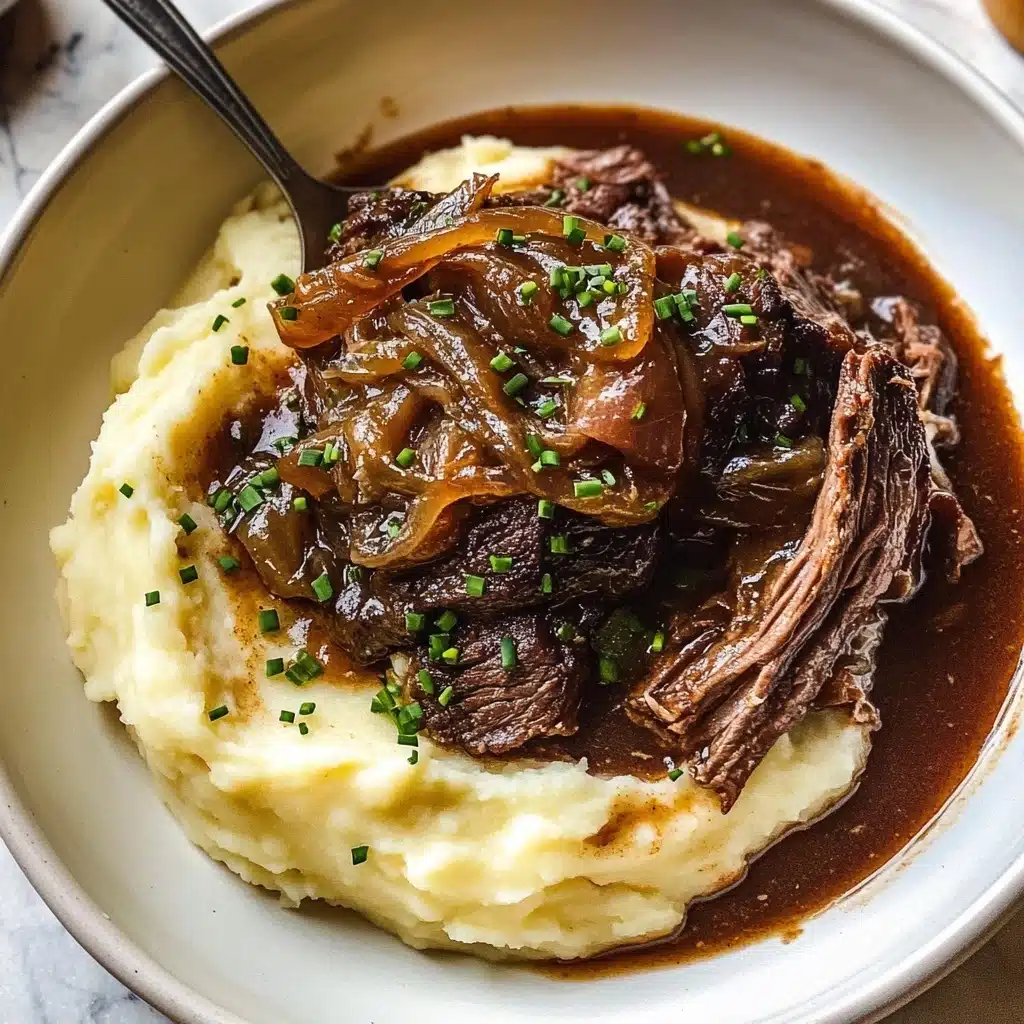
I’ll never forget the first time I made red wine braised beef. It was a cold January weekend, and I had invited friends over for dinner without thinking through what I’d actually serve. I found a chuck roast in my freezer and a bottle of decent red wine in the cabinet, and figured I’d attempt something ambitious. Four hours later, my apartment smelled like a French bistro, and the meat was so tender it fell apart at the touch of a fork. That dinner turned into a tradition.
This red wine braised beef recipe creates fork-tender meat in a rich, glossy sauce that tastes like you’ve been cooking all day – because you have, but most of that time is hands-off. The beef slowly simmers in red wine with aromatics until it transforms into something extraordinary. The wine reduces into a deeply flavored sauce that coats each piece of meat, while the vegetables become sweet and tender, soaking up all those complex flavors.
What makes this braised beef in red wine special is the technique. Slow, gentle cooking breaks down the tough connective tissue in the meat, turning an inexpensive cut into something restaurant-worthy. The wine adds acidity and depth, the aromatics build layers of flavor, and the long cooking time melds everything together into pure comfort. It’s the kind of dish that impresses guests but doesn’t require constant attention, making it perfect for entertaining.
Ingredients
For the Beef:
- 3-4 pounds beef chuck roast, cut into 2-inch cubes
- Salt and black pepper
- 3 tablespoons all-purpose flour
- 3 tablespoons olive oil or vegetable oil
- 2 tablespoons tomato paste
For the Braising Liquid:
- 1 bottle (750ml) dry red wine (Cabernet Sauvignon, Merlot, or Côtes du Rhône)
- 2 cups beef broth
- 2 bay leaves
- 4 sprigs fresh thyme (or 1 teaspoon dried)
- 3 sprigs fresh rosemary (or 1/2 teaspoon dried)
For the Vegetables and Aromatics:
- 4 slices thick-cut bacon, chopped
- 1 large onion, diced
- 3 medium carrots, peeled and cut into 1-inch pieces
- 3 celery stalks, cut into 1-inch pieces
- 6 cloves garlic, minced
- 8 ounces mushrooms, quartered
- 2 tablespoons unsalted butter
For Finishing:
- Fresh parsley, chopped, for garnish
- Additional salt and pepper to taste
Instructions
Start by preparing your beef. Pat the chuck roast pieces completely dry with paper towels – this step is crucial for good browning. Any moisture on the surface will steam the meat instead of searing it. Season the beef generously on all sides with salt and black pepper. Don’t be shy here; the meat needs bold seasoning to stand up to the long cooking time.
Place the flour in a shallow dish and lightly dredge each piece of beef, shaking off any excess. The flour helps create a beautiful crust and will eventually thicken the braising liquid into a sauce.
Heat a large Dutch oven or heavy-bottomed pot over medium-high heat. Add the olive oil and let it get quite hot – you should see it shimmer. Working in batches to avoid overcrowding, add the beef cubes in a single layer with space between them. This is important: if you crowd the pan, the meat will steam rather than brown.
Let each piece sit undisturbed for 3-4 minutes until a deep brown crust forms on the bottom. Resist the urge to move them around. Use tongs to turn each piece and brown all sides, which takes about 10-12 minutes total per batch. The fond (those brown bits stuck to the bottom of the pot) is pure flavor, so don’t worry about it. Transfer the browned beef to a plate and repeat with remaining pieces.
Reduce the heat to medium and add the chopped bacon to the pot. Cook, stirring occasionally, until the bacon is crispy and has rendered its fat, about 5-6 minutes. Use a slotted spoon to transfer the bacon to the plate with the beef, leaving the fat in the pot.
Add the diced onion, carrots, and celery to the bacon fat. Cook, stirring occasionally, for about 8 minutes until the vegetables soften and the onions become translucent. The vegetables will pick up all those browned bits from the bottom of the pot, which adds incredible depth to the final dish.
Add the minced garlic and tomato paste. Stir constantly for about 2 minutes. The tomato paste will darken and become fragrant – this caramelization adds richness and a subtle sweetness to the sauce.
Now comes the fun part. Pour in about 1 cup of the red wine and use a wooden spoon to scrape up all the browned bits from the bottom of the pot. This process, called deglazing, is where so much flavor comes from. Let the wine bubble and reduce by about half, which takes 3-4 minutes. This cooks off the raw alcohol taste and concentrates the wine’s flavor.
Return the beef and bacon to the pot along with any accumulated juices from the plate. Pour in the remaining wine and the beef broth – the liquid should come about three-quarters of the way up the meat. Add the bay leaves, thyme sprigs, and rosemary sprigs. Give everything a gentle stir.
Bring the liquid to a simmer, then reduce the heat to low. You want just a few lazy bubbles breaking the surface – a vigorous boil will toughen the meat. Cover the pot with a tight-fitting lid and let it braise for 2.5 to 3 hours, checking occasionally to ensure it’s maintaining a gentle simmer.
After about 2 hours, the beef should be getting quite tender. At this point, add the quartered mushrooms, pushing them down into the liquid. Continue cooking covered for another 30-45 minutes until the beef is fork-tender and practically falls apart when you touch it.
Once the beef is perfectly tender, use a slotted spoon to transfer the meat and vegetables to a serving dish. Remove and discard the herb sprigs and bay leaves from the liquid.
Increase the heat to medium-high and bring the braising liquid to a boil. Let it reduce for 10-15 minutes, stirring occasionally, until it thickens into a glossy sauce that coats the back of a spoon. This reduction concentrates all the flavors and creates that restaurant-quality finish. If the sauce seems too thin, continue reducing. If it’s too thick, add a splash of beef broth.
Taste the sauce and adjust seasoning with salt and pepper. Stir in the butter, which adds a silky richness and beautiful sheen. Pour the sauce over the beef and vegetables, garnish with fresh parsley, and serve immediately.
Flavor & Texture Notes
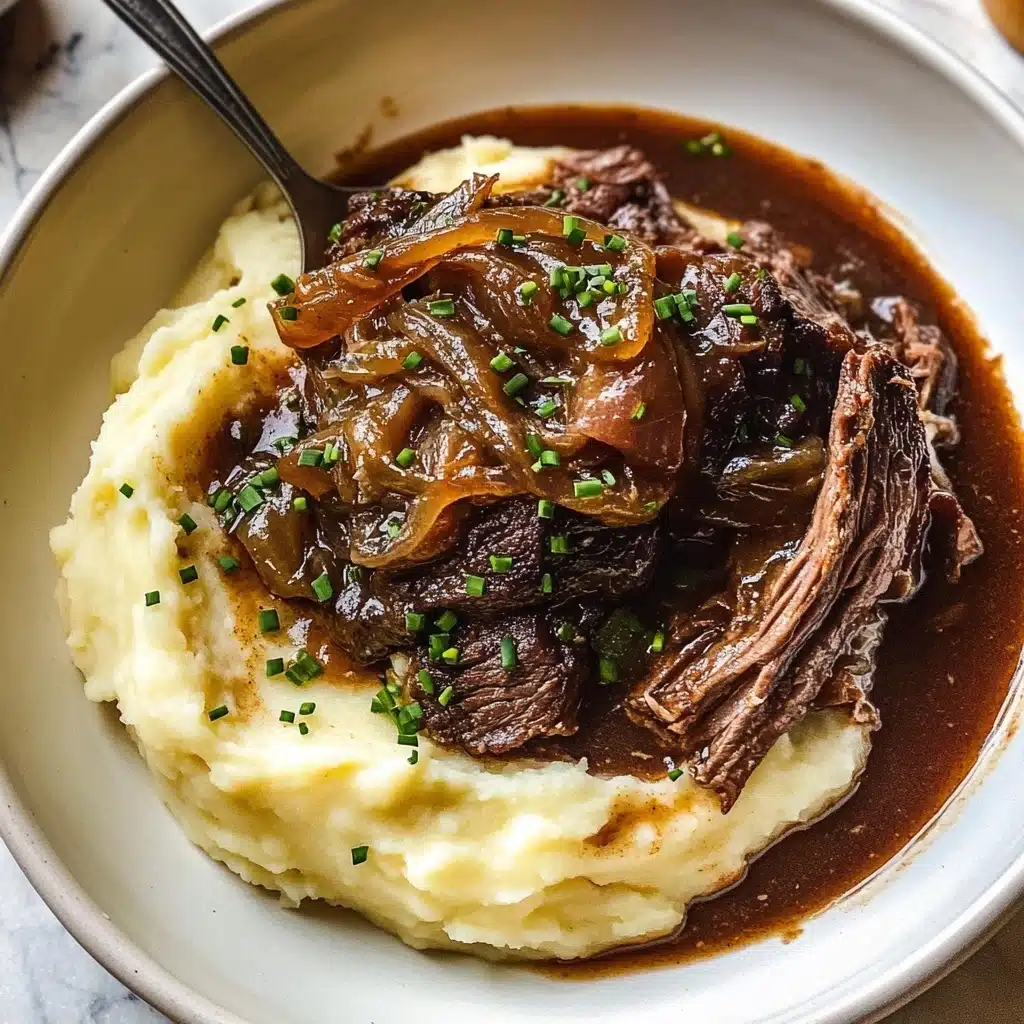
This red wine braised beef delivers the kind of deep, complex flavors that make people stop mid-conversation to savor another bite. The beef itself becomes incredibly tender through the long, slow cooking process – it should yield easily to your fork and almost melt on your tongue. Each piece is saturated with the rich braising liquid, making every bite intensely flavorful.
The sauce is where the magic really happens. Hours of slow cooking transform the wine into something completely different from what went into the pot. The acidity mellows, the tannins soften, and the wine’s fruit notes concentrate into a deeply savory, slightly sweet sauce with incredible depth. It’s rich and glossy, coating the meat with a luxurious finish that tastes far more complicated than the ingredient list suggests.
The vegetables become sweet and tender, particularly the carrots, which absorb the wine and beef flavors while maintaining enough texture to provide pleasant contrast. The mushrooms add an earthy, umami quality that complements the beef beautifully. The bacon contributes smoky, salty notes that appear throughout the dish without dominating.
Underneath it all, you’ll detect the aromatics – hints of thyme’s earthiness, rosemary’s pine-like quality, and the gentle sweetness from the long-cooked onions and garlic. The overall effect is warming, satisfying, and sophisticated. It’s the kind of dish that tastes like it came from a skilled chef’s kitchen, even though the technique is quite straightforward.
Tips & Variations
Wine selection matters, though you don’t need an expensive bottle. Choose something you’d actually drink – if you wouldn’t enjoy a glass of it, don’t cook with it. Cabernet Sauvignon provides bold, tannic structure, Merlot offers softer, fruitier notes, and Côtes du Rhône brings complexity at a reasonable price. Avoid wines labeled “cooking wine,” which often contain salt and additives.
For the beef, chuck roast is ideal because its marbling and connective tissue break down during braising, creating that fall-apart tenderness. Short ribs work beautifully too, though they’re pricier. Beef stew meat can work in a pinch, but look for well-marbled pieces rather than lean meat, which will dry out.
If you don’t eat pork, skip the bacon and use an extra tablespoon of oil. You’ll lose some smoky depth, but the dish will still be excellent. For a slightly different flavor profile, add a tablespoon of balsamic vinegar toward the end for extra tang and sweetness.
Some people like to add pearl onions during the last hour of cooking for a more traditional French preparation. Parsnips or turnips can join the carrots for additional root vegetable variety. A few sun-dried tomatoes add concentrated tomato flavor and slight sweetness.
For a thicker sauce, make a slurry by mixing 1 tablespoon of cornstarch with 2 tablespoons of cold water, then whisk it into the reducing liquid. This creates a more gravy-like consistency that some people prefer.
This recipe works beautifully in a slow cooker. Brown the meat and sauté the vegetables on the stovetop first, then transfer everything to your slow cooker and cook on low for 7-8 hours or high for 4-5 hours.
Storage & Make-Ahead
One of the best things about braised beef is that it actually improves with time. The flavors continue to develop and meld as the dish sits, making this perfect for advance preparation. Let the beef cool completely, then transfer it to an airtight container and refrigerate for up to 4 days.
As it chills, a layer of fat will solidify on top of the sauce. You can easily scrape this off and discard it before reheating, which results in a cleaner-tasting, less greasy final dish. Some people prefer to leave it for richness.
To reheat, place the beef and sauce in a pot over medium-low heat, stirring gently and occasionally until heated through. You can also reheat individual portions in the microwave, though the stovetop method yields better texture. Add a splash of beef broth or water if the sauce seems too thick after refrigeration.
This dish freezes exceptionally well for up to 3 months. Portion it into freezer-safe containers, leaving some headspace for expansion. Thaw overnight in the refrigerator before reheating. The texture remains excellent after freezing, making this ideal for batch cooking.
For entertaining, make this dish completely a day or two ahead. The advance preparation actually improves it, and you’ll only need to reheat it before serving, freeing you up to focus on sides and guests.
Serving Suggestions
Red wine braised beef pairs beautifully with dishes that can soak up the rich sauce. Creamy mashed potatoes are classic for good reason – they provide a perfect canvas for the sauce. Buttered egg noodles work wonderfully too, as do soft polenta or cheesy grits for a slightly different take.
Crusty bread is essential for mopping up every last bit of sauce on your plate. A warm baguette or rustic country loaf is perfect. You could also serve it over rice, though that’s less traditional.
For vegetables, keep them simple so they don’t compete with the rich beef. Roasted green beans with garlic, sautéed spinach, or steamed broccoli all work well. A crisp green salad with a sharp vinaigrette provides refreshing contrast and helps cut through the richness.
Wine pairing is straightforward – serve the same type of wine you cooked with, or something similar. A robust red with good tannins and acidity complements the beef perfectly.
This dish is ideal for dinner parties because you can make it ahead and it serves a crowd easily. Present it family-style in a beautiful serving dish, garnished generously with fresh parsley. The deep brown sauce with specks of herbs and vegetables is quite attractive.
For a French-inspired dinner party, start with a simple soup or salad, serve the braised beef as the main course, and finish with something light like poached pears or a cheese plate. The meal feels elegant and carefully planned, even though the main dish requires minimal last-minute work.
FAQ
Can I make this without alcohol? Yes, though the flavor will be different. Replace the wine with additional beef broth plus 2 tablespoons of balsamic vinegar and 1 tablespoon of Worcestershire sauce. The dish won’t have the same depth and complexity, but it will still be good.
Why is my meat tough after braising? The meat hasn’t cooked long enough. Braised beef needs at least 2.5-3 hours to break down the connective tissue. If it’s tough, put it back on the heat and continue cooking. You can’t really overcook braised beef – it only gets more tender. Also ensure you’re using a well-marbled cut like chuck roast rather than lean beef.
Can I use a different cut of meat? Chuck roast is ideal, but short ribs, brisket, or beef shanks all work beautifully. Avoid lean cuts like sirloin or round, which will dry out and become stringy during long cooking. You need a cut with good marbling and connective tissue.
Do I need to brown the meat first? While technically optional, browning creates deep flavor through the Maillard reaction and adds color to the final dish. It also creates fond on the bottom of the pot that flavors the sauce. Skipping this step will result in a paler, less complex-tasting dish.
My sauce is too thin. How do I fix it? Remove the meat and vegetables, then boil the liquid uncovered over medium-high heat to reduce it. This concentrates the flavors and thickens the sauce naturally. If you’re in a hurry, make a cornstarch slurry (1 tablespoon cornstarch mixed with 2 tablespoons cold water) and whisk it into the simmering liquid.
This red wine braised beef has earned its place as my go-to recipe for special occasions and cozy winter dinners. Yes, it takes time, but the actual hands-on work is minimal, and the results are consistently impressive. The tender, flavorful meat and rich sauce create the kind of meal that brings people together and generates requests for seconds and the recipe itself. Whether you’re cooking for Sunday dinner or entertaining guests, this braised beef delivers comfort, sophistication, and satisfaction in equal measure. Make it once, and it’ll become part of your regular rotation.