Follow Me On Social Media!

1-Pot Green Lentil Dal: The Comforting Indian Recipe That Cooks Itself.

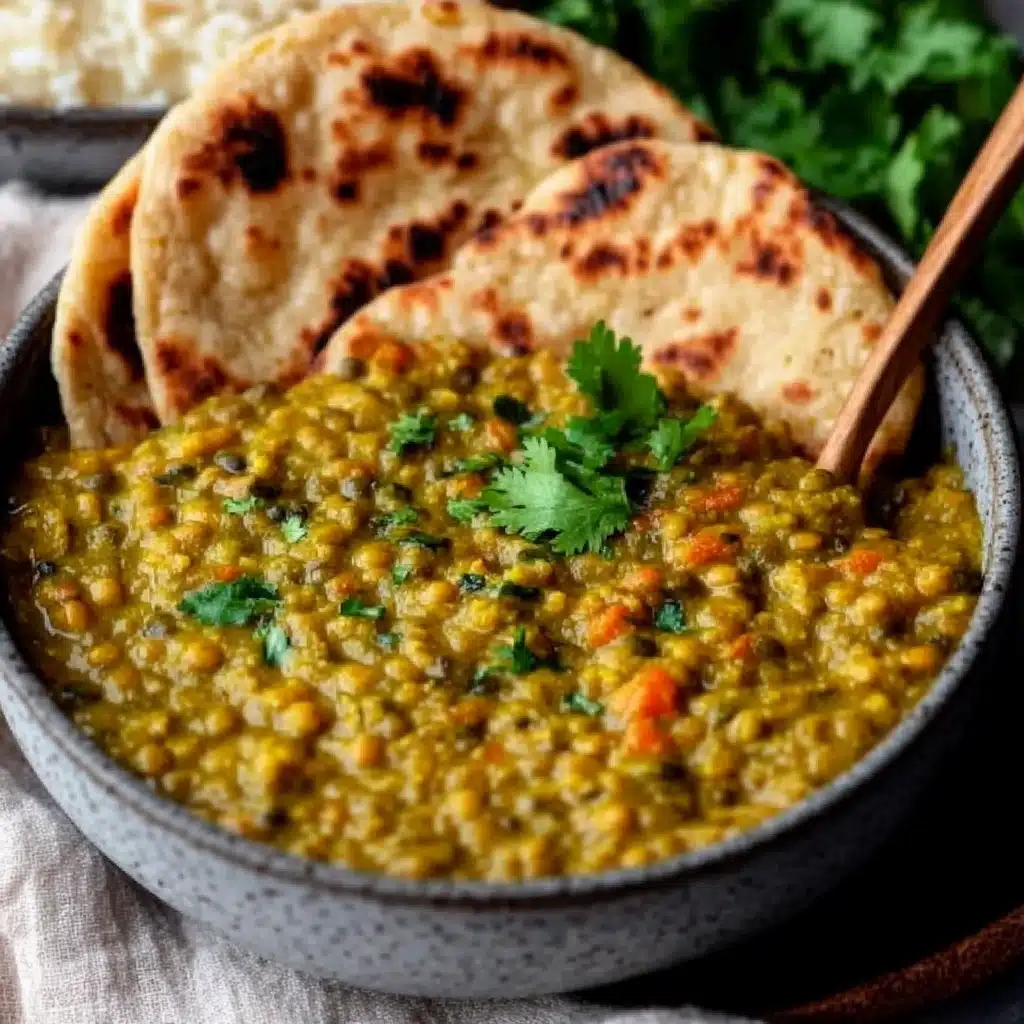
There’s something deeply satisfying about a meal that transforms humble ingredients into something extraordinary with nothing more than time and heat. This green lentil dal is exactly that kind of recipe—one that requires minimal effort but delivers maximum comfort. I first learned to make dal from my neighbor, who would simmer a pot every Sunday while doing laundry and cleaning house. The gentle bubbling on the stove filled her apartment with the most incredible aromas, and by evening, she had a week’s worth of nourishing meals ready to go.
What makes this particular dal recipe special isn’t just its simplicity—though cooking everything in one pot is undeniably convenient. It’s the way the green lentils break down into a creamy, golden stew that’s both hearty and light at the same time. The tempering technique, where spices are bloomed in hot oil at the end, transforms what could be a simple lentil soup into something with real depth and complexity.
Green lentils, also called mung dal when split, cook faster than most other legumes and have a mild, slightly sweet flavor that pairs beautifully with warm spices. Unlike red lentils that completely dissolve, or black lentils that hold their shape stubbornly, green lentils find the perfect middle ground—they break down enough to create a creamy base while still maintaining some texture.
This one-pot dal has become my go-to recipe for busy weeks when I want something healthy, filling, and completely satisfying without spending hours in the kitchen. It’s also incredibly forgiving—the kind of recipe you can start and then walk away from, confident that it will turn out perfectly even if you get distracted by other tasks.
Ingredients
For the Dal:
- 1 cup green lentils (mung dal), rinsed and picked over
- 3 cups water, plus more as needed
- 1/2 teaspoon turmeric
- 1 teaspoon salt, or to taste
- 1 medium onion, finely chopped
- 3 cloves garlic, minced
- 1-inch piece fresh ginger, grated
- 1 medium tomato, chopped
- 1 green chili (jalapeño or serrano), finely chopped
For the Tempering (Tadka):
- 2 tablespoons ghee or vegetable oil
- 1 teaspoon cumin seeds
- 1/2 teaspoon mustard seeds
- 2-3 dried red chilies
- 8-10 fresh curry leaves (optional but recommended)
- 1/2 teaspoon ground coriander
- 1/2 teaspoon garam masala
- Pinch of asafoetida (hing), optional
For Serving:
- Fresh cilantro, chopped
- Lemon wedges
- Basmati rice or warm naan
- Plain yogurt
Instructions
Start by rinsing the green lentils in cold water until the water runs clear. This removes excess starch and any small stones or debris that sometimes hide among the lentils. Pick through them quickly with your fingers—it takes just a minute and ensures you won’t bite down on anything unpleasant later.
In a heavy-bottomed pot or Dutch oven, combine the rinsed lentils with 3 cups of water and the turmeric. Bring to a boil over medium-high heat, then reduce the heat to maintain a gentle simmer. The turmeric not only adds flavor and color but also helps the lentils cook more evenly. Skim off any foam that rises to the surface during the first few minutes—this keeps your dal clear and clean-tasting.
Simmer the lentils for 20-25 minutes, stirring occasionally and adding more water as needed to keep them just covered. Green lentils don’t need soaking, but they do need time to break down properly. You’ll know they’re ready when you can easily mash them against the side of the pot with a spoon. The consistency should be somewhere between soup and porridge—creamy but not completely smooth.
While the lentils simmer, prepare your aromatics. Finely chop the onion, mince the garlic, grate the ginger, and chop the tomato and green chili. Having everything ready before you start cooking makes the process much smoother, especially since the tempering happens quickly at the end.
Once the lentils are tender and creamy, stir in the salt and adjust the consistency with additional water if needed. The dal will continue to thicken as it cools, so err on the side of slightly thinner rather than too thick. Taste and adjust the salt—lentils need more seasoning than you might expect.
Add the chopped onion, garlic, ginger, tomato, and green chili directly to the pot with the lentils. Stir well and continue simmering for another 10-15 minutes until the vegetables are soft and the flavors have melded together. The tomato should break down and integrate into the dal, adding acidity that brightens the overall flavor.
Now comes the magic part—the tempering that transforms this simple lentil stew into proper dal. In a small skillet, heat the ghee or oil over medium heat. When it shimmers, add the cumin seeds and mustard seeds. They should sizzle immediately and start to pop and dance in the oil. This usually takes about 30 seconds.
Add the dried red chilies and curry leaves (if using), stepping back slightly as they may splutter. The curry leaves will crisp up and release an incredible aroma. Stir in the ground coriander, garam masala, and asafoetida, cooking just until fragrant—about 15 seconds. Don’t let the spices burn, or they’ll turn bitter.
Immediately pour this hot, fragrant oil and all the spices directly into the pot with the dal. You’ll hear it sizzle as it hits the surface—this is exactly what you want. Stir gently to distribute the tempering throughout the dal, and let it simmer for another 5 minutes to allow the flavors to meld.
Flavor & Texture Notes
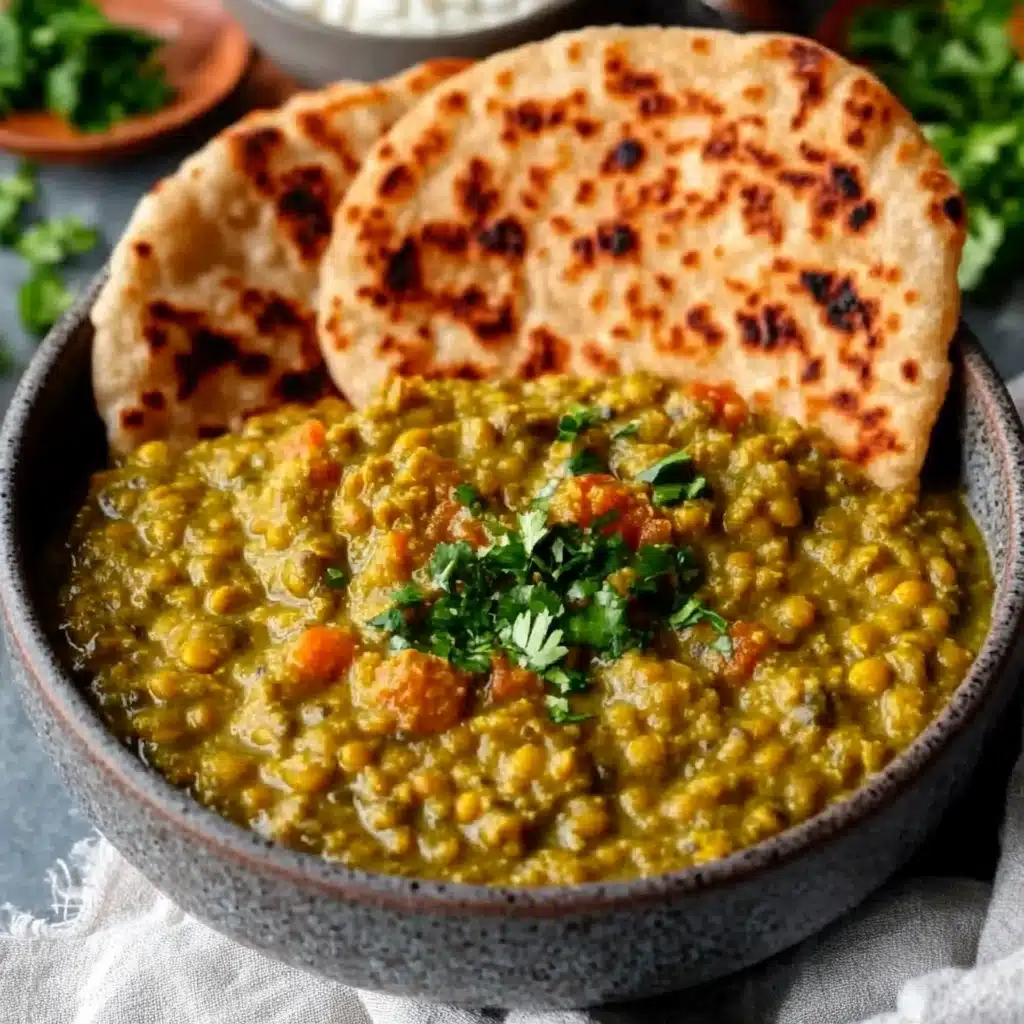
This green lentil dal achieves that perfect balance between hearty and light that makes it so addictive. The lentils break down into a creamy, porridge-like consistency that coats your spoon but doesn’t feel heavy in your stomach. Each spoonful has a subtle earthiness from the lentils themselves, brightened by the turmeric’s warm, slightly bitter notes.
The aromatics—onion, garlic, ginger, and tomato—cook down into the dal, creating layers of flavor that build as you eat. The tomato adds a gentle acidity that prevents the dish from feeling monotonous, while the green chili provides just enough heat to wake up your palate without overwhelming the other flavors.
But it’s the tempering that really makes this dal sing. That final addition of sizzling spices transforms the entire pot, adding depth and complexity that you can taste in every bite. The cumin seeds provide earthy warmth, the mustard seeds add a subtle sharpness, and the garam masala brings together sweet and savory spices that complement the mild lentils perfectly.
The curry leaves, if you can find them, add an almost citrusy fragrance that’s impossible to replicate with other herbs. Fresh cilantro stirred in at the end provides a bright, fresh contrast to the warm, cooked flavors, while a squeeze of lemon juice adds the final touch of brightness that makes each bowl feel complete and balanced.
Tips & Variations
Lentil Substitutions: While this recipe calls for green lentils (mung dal), you can substitute with red lentils for a quicker-cooking version, though they’ll break down completely and create a smoother texture. Yellow lentils (toor dal) work well too and are traditional in many dal recipes. Each type has slightly different cooking times, so adjust accordingly.
Spice Level: Control the heat by adjusting the green chili and dried red chilies. For a milder dal, remove the seeds from the fresh chili and use fewer dried ones. For more heat, add an extra green chili or include some of the seeds.
Vegetable Additions: This dal is endlessly adaptable to whatever vegetables you have on hand. Spinach, kale, or other leafy greens can be stirred in during the last few minutes. Diced carrots, sweet potatoes, or winter squash can be added with the onions to cook down into the dal.
Protein Boost: For extra nutrition, stir in a handful of chopped fresh spinach or add some paneer cubes in the last few minutes of cooking. Some cooks add a beaten egg slowly to the simmering dal, stirring constantly to create ribbons of cooked egg throughout.
Consistency Preferences: Some people prefer their dal quite thick, others like it more soup-like. Adjust the water content to your liking, keeping in mind that the dal will thicken as it cools and even more overnight in the refrigerator.
Oil-Free Option: Skip the tempering step for an oil-free version, though you’ll lose some of the complex flavor. You can create a similar effect by toasting the whole spices in a dry pan and stirring them into the cooked dal along with the ground spices.
Storage & Make-Ahead
Dal is one of those dishes that actually improves with time, making it perfect for meal prep. The flavors meld and deepen overnight, and the texture becomes even more cohesive. Store cooked dal in the refrigerator for up to 5 days, or freeze portions for up to 3 months.
When reheating, you’ll likely need to add water to restore the proper consistency, as dal thickens considerably as it cools. Heat gently on the stovetop, stirring in water or broth a little at a time until you reach your desired thickness. Taste and adjust the seasoning, as flavors can mellow during storage.
The tempering can be done fresh each time you reheat if you want that extra pop of flavor, though it’s not necessary—the dal will still be delicious reheated as-is. For meal prep, consider storing the cilantro and lemon juice separately to add fresh brightness when you eat.
This recipe doubles or triples easily if you want to make large batches for the week. Use a larger pot to accommodate the extra volume, and increase the cooking time slightly to ensure all the lentils break down properly.
Serving Suggestions
Traditional dal is most commonly served over basmati rice, and this combination creates a complete protein while soaking up all those wonderful flavors. The neutral rice provides the perfect canvas for the complex, spiced dal. For a heartier meal, serve with warm naan, roti, or paratha for scooping.
A dollop of plain yogurt on top adds cooling contrast and richness, especially if your dal has any heat from the chilies. The tanginess of yogurt also complements the earthy lentils beautifully. Fresh cilantro and a squeeze of lemon juice brighten each bowl and add textural interest.
For a complete Indian meal, pair this dal with simple roasted vegetables, a fresh cucumber salad, or quick-pickled onions. The acidic, crunchy elements balance the creamy richness of the dal and create a more interesting eating experience.
Dal also makes an excellent base for other proteins. Serve it alongside grilled chicken, lamb, or fish for a fusion approach that keeps the comfort-food feeling while adding more substantial protein.
FAQ
Do I need to soak green lentils before cooking? No, green lentils don’t require soaking, which is part of what makes this recipe so convenient for weeknight cooking. Unlike larger legumes like chickpeas or kidney beans, green lentils cook relatively quickly on their own. If you do soak them for 30 minutes, they’ll cook slightly faster, but it’s not necessary.
Can I skip the tempering step? You can, but you’ll miss out on a lot of flavor. The tempering (tadka) is what transforms simple cooked lentils into proper dal. If you don’t have all the whole spices, you can make a simplified version by heating oil and adding just ground cumin and coriander, but the texture and complexity won’t be quite the same.
My dal is too thin/thick. How do I fix it? Dal consistency is very much a personal preference. If it’s too thin, simmer uncovered for a few more minutes to reduce the liquid, or mash some of the lentils against the side of the pot to thicken it. If too thick, simply stir in hot water or broth a little at a time until you reach your preferred consistency.
What can I substitute for curry leaves? Curry leaves have a unique flavor that’s hard to replicate, but if you can’t find them, you can skip them entirely without ruining the dish. Some people substitute bay leaves, but the flavor is quite different. Your best bet is to check Indian grocery stores or order them online—they freeze well and last for months.
How do I know when the lentils are properly cooked? Properly cooked green lentils should be soft enough to mash easily against the side of the pot with a spoon, but they don’t need to completely dissolve like red lentils do. The dal should have a creamy, porridge-like consistency with some texture remaining. If individual lentils are still firm or chalky, continue cooking with more water as needed.
There’s something deeply comforting about a pot of dal simmering on the stove—the gentle bubbling sounds, the warm spices filling your kitchen, and the knowledge that you’re creating something both nourishing and satisfying from the simplest ingredients. This recipe proves that the best comfort foods don’t need complicated techniques or expensive ingredients, just time, patience, and a few well-chosen spices. Make a pot this weekend, and you’ll understand why dal has been feeding families across India for thousands of years.