Follow Me On Social Media!

Haferflockenbrot mit Quark: Easy High-Protein Oat Bread You Can Make at Home.

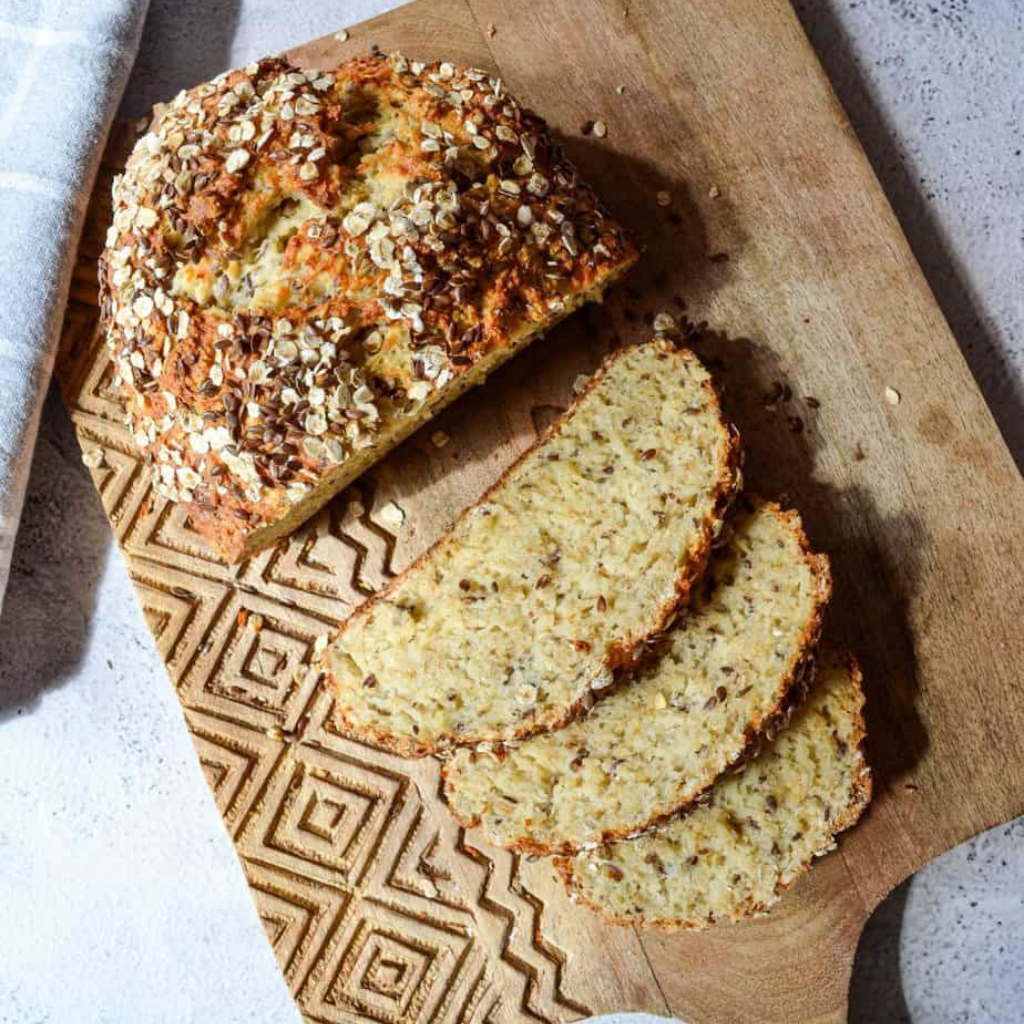
There’s something deeply satisfying about the smell of homemade bread filling your kitchen, especially when you know that what’s baking is actually good for you. This German-inspired oat bread with quark (Haferflockenbrot mit Quark) changed my entire relationship with homemade bread. Unlike traditional wheat loaves that require hours of kneading and rising, this protein-packed bread comes together in minutes and delivers both nutrition and flavor in every slice.
I discovered this recipe during a particularly busy period when I was trying to eat more protein but getting tired of the same old chicken and eggs routine. Quark, a creamy German cheese similar to Greek yogurt, provides incredible protein content while keeping the bread moist and tender. Combined with hearty oats, this bread delivers nearly 8 grams of protein per slice—making it perfect for everything from morning toast to post-workout snacks.
What makes this oat bread special isn’t just its nutritional profile. The texture is incredibly satisfying—dense and hearty without being heavy, with a subtle nuttiness from the oats and a mild tanginess from the quark. It’s the kind of bread that actually fills you up and keeps you satisfied, unlike many store-bought loaves that leave you reaching for more an hour later.
This recipe is foolproof enough for beginner bakers but sophisticated enough to impress anyone who tries it. The best part? No yeast, no rising time, and no special equipment required. Just mix, pour, and bake for a loaf that rivals anything you’d find at a German bakery.
Ingredients
For the Oat Bread:
- 2 cups old-fashioned rolled oats
- 1 cup quark cheese (or substitute with Greek yogurt)
- 3 large eggs
- 1/4 cup honey or maple syrup
- 1/4 cup olive oil or melted coconut oil
- 1 teaspoon baking soda
- 1 teaspoon salt
- 1/2 teaspoon ground cinnamon (optional)
- 1/4 cup pumpkin seeds or sunflower seeds
- 2 tablespoons chia seeds or flax seeds (optional)
Optional Add-ins:
- 1/4 cup chopped walnuts or almonds
- 2 tablespoons dried herbs (rosemary, thyme, or oregano)
- 1 tablespoon caraway seeds for traditional German flavor
- 1/4 cup dried cranberries or raisins
Instructions
Preheat your oven to 350°F and line a standard 9×5-inch loaf pan with parchment paper, leaving some overhang for easy removal. This prevents sticking and makes cleanup much easier. Alternatively, you can grease the pan thoroughly with butter or oil.
Begin by processing 1.5 cups of the oats in a food processor or high-speed blender until they form a coarse flour. You want some texture remaining—not completely smooth like store-bought oat flour, but fine enough to provide structure to your bread. This takes about 30-45 seconds of pulsing. Reserve the remaining half cup of whole oats for later.
In a large mixing bowl, whisk together the quark, eggs, honey, and oil until well combined. The mixture should be smooth and creamy. Quark has a naturally thick consistency, so don’t worry if it takes a moment to blend completely with the other wet ingredients.
Add the processed oat flour to the wet ingredients along with the baking soda, salt, and cinnamon if using. Stir until just combined—overmixing can lead to a dense, tough bread. The batter should be thick but pourable, similar to a hearty muffin batter.
Fold in the reserved whole oats, pumpkin seeds, and any optional add-ins you’re using. These whole oats provide wonderful texture and visual appeal to the finished loaf, while the seeds add extra protein and healthy fats. The batter will be quite thick at this point, which is exactly what you want.
Pour the batter into your prepared loaf pan and smooth the top with a spatula. The batter should reach about two-thirds of the way up the sides of the pan. Sprinkle the top with additional oats or seeds if desired—this creates an attractive, rustic appearance.
Bake for 50-60 minutes, until the top is golden brown and a toothpick inserted in the center comes out with just a few moist crumbs. The internal temperature should reach about 190°F if you have a thermometer. Don’t worry if the top develops some cracks—this is normal and adds to the homemade appearance.
Let the bread cool in the pan for 10 minutes before using the parchment paper overhang to lift it out onto a wire rack. This cooling period is crucial—cutting too early will result in a gummy texture. Allow the bread to cool completely before slicing, ideally for at least an hour.
Flavor & Texture Notes
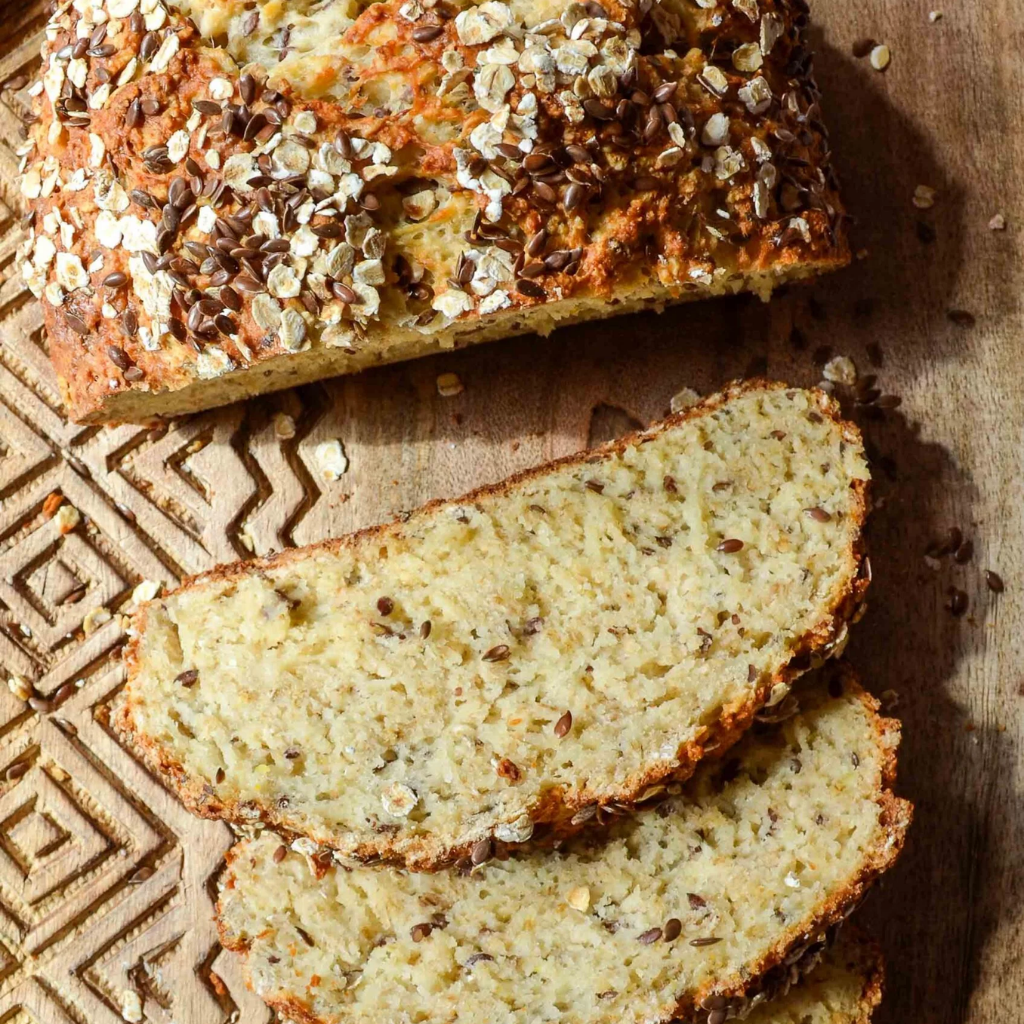
This protein-rich oat bread offers a completely different experience from traditional wheat breads. The texture is dense and satisfying, with a pleasant chewiness from the whole oats scattered throughout. Each slice feels substantial—the kind of bread that actually sustains you rather than leaving you hungry an hour later.
The flavor profile is mildly nutty and naturally sweet, with the quark adding a subtle tanginess that prevents the bread from being one-dimensional. The honey provides gentle sweetness that complements rather than overwhelms the earthy oat flavor. If you’ve added cinnamon, you’ll notice warm spice notes that make the bread feel almost cake-like without being dessert-sweet.
The crust develops a beautiful golden-brown color with a slightly firmer texture than the interior, providing a pleasant contrast. Inside, the crumb is moist and tender, thanks to the quark’s high moisture content and fat content from the oil. The seeds add little pops of texture and nutty flavor that make each bite interesting.
What’s particularly appealing about this bread is how filling it is. The combination of protein from the quark and eggs, healthy fats from the oil and seeds, and complex carbohydrates from the oats creates a balanced macronutrient profile that keeps you satisfied much longer than typical bread.
Tips & Variations
Quark Substitutions: If you can’t find quark, Greek yogurt makes an excellent substitute. Use the same amount, but choose full-fat Greek yogurt for the best texture and flavor. You can also use cottage cheese blended until smooth, or even ricotta cheese, though these will slightly alter the flavor profile.
Flour Alternatives: For a gluten-free version, this bread is naturally wheat-free. If you want to experiment with different flavors, try substituting half the oat flour with almond flour for a nuttier taste and even higher protein content. Buckwheat flour also works well and adds an earthy, complex flavor.
Sweetener Options: The honey can be replaced with maple syrup, agave nectar, or even mashed banana for natural sweetness. If you prefer less sweetness overall, you can reduce the honey to 2-3 tablespoons—the bread will still taste great but be more suitable for savory applications.
Savory Variations: Transform this into a savory bread by omitting the honey and cinnamon, then adding herbs like rosemary, thyme, or dill. Caraway seeds create an authentic German flavor, while everything bagel seasoning on top makes it perfect for breakfast sandwiches.
Texture Modifications: For a smoother texture, process all the oats into flour instead of leaving some whole. For extra heartiness, add chopped nuts, additional seeds, or even dried fruit. Just don’t add more than 1/2 cup total add-ins, or the bread structure may suffer.
Mini Loaves: This batter works beautifully in mini loaf pans. Divide the batter between 3-4 mini pans and bake for 30-35 minutes. These make wonderful gifts and are perfect for portion control.
Storage & Make-Ahead
This oat bread actually improves with age, developing better flavor and texture after the first day. Store it wrapped in plastic wrap or in an airtight container at room temperature for up to 4 days. The high moisture content from the quark means it stays fresh longer than many homemade breads.
For longer storage, slice the completely cooled loaf and freeze individual slices in a freezer bag for up to 3 months. Frozen slices can go directly into the toaster from frozen—no thawing required. This makes it incredibly convenient for quick breakfasts or snacks.
The bread also freezes beautifully as a whole loaf. Wrap it tightly in plastic wrap, then aluminum foil, and freeze for up to 2 months. Thaw at room temperature for several hours before slicing, or slice while partially frozen if you prefer.
You can make the batter up to 24 hours ahead and store it covered in the refrigerator before baking. This can actually improve the flavor as the oats have more time to hydrate. Just give it a gentle stir before pouring into the pan, as it may thicken slightly during refrigeration.
Serving Suggestions
This versatile bread shines in both sweet and savory applications. For breakfast, try toasting slices and topping with additional quark or Greek yogurt, fresh berries, and a drizzle of honey. The extra protein makes it perfect for starting your day with sustained energy.
As a savory option, toasted slices make excellent open-faced sandwiches topped with avocado, tomatoes, and a sprinkle of sea salt. The bread’s density means it holds up well to substantial toppings without becoming soggy. It’s also wonderful with nut butter, cheese, or traditional German toppings like sliced cucumber and radishes.
For a more indulgent treat, try French toast made with thick slices of this bread. The quark adds extra richness and protein to an already satisfying breakfast. The bread’s structure holds up beautifully to the egg mixture without falling apart.
Consider serving thin slices alongside soups or salads—the hearty texture makes it substantial enough to be filling without overwhelming lighter dishes. It pairs particularly well with vegetable soups, where its protein content helps create a more complete meal.
FAQ
Why is my bread dense or heavy? Dense bread usually results from overmixing the batter or using too much oat flour. Mix just until ingredients are combined, and make sure you’re measuring the oats before processing them into flour. Also, ensure your baking soda is fresh—old baking soda won’t provide enough lift.
Can I make this bread without a food processor? Yes, you can buy oat flour instead of making your own, though homemade gives better texture. Use about 1.5 cups store-bought oat flour and add 1/2 cup whole oats for texture. You can also put oats in a sealed bag and crush them with a rolling pin, though this won’t be as fine as processed oats.
How do I know when the bread is fully cooked? The bread is done when it’s golden brown on top, pulls slightly away from the sides of the pan, and a toothpick inserted in the center comes out with just a few moist crumbs. The internal temperature should reach about 190°F if you have a thermometer.
Can I reduce the oil content? You can substitute up to half the oil with additional quark or unsweetened applesauce, though this will make the bread slightly less rich and it won’t keep as long. The oil provides moisture and helps create the tender texture, so some fat is necessary for the best results.
Why did my bread crack on top? Cracking is completely normal and doesn’t indicate a problem with your bread. It happens because the top sets before the interior finishes rising. If you want to minimize cracking, you can tent the bread with foil halfway through baking, though many people prefer the rustic appearance of the cracks.
Making your own protein-rich bread might seem like an ambitious project, but this recipe proves that healthy, satisfying baking can be both simple and rewarding. There’s something magical about creating something so nourishing with your own hands, and the fact that each slice delivers serious nutritional value makes it even better. Whether you’re looking to increase your protein intake, reduce processed foods, or simply enjoy the satisfaction of homemade bread, this Haferflockenbrot mit Quark delivers on all counts. Give it a try, and you might find yourself wondering why you ever bought bread from the store.