Follow Me On Social Media!

Tilapia in Roasted Pepper Sauce: The 30-Minute Fish Dinner That Tastes Like You Spent Hours.

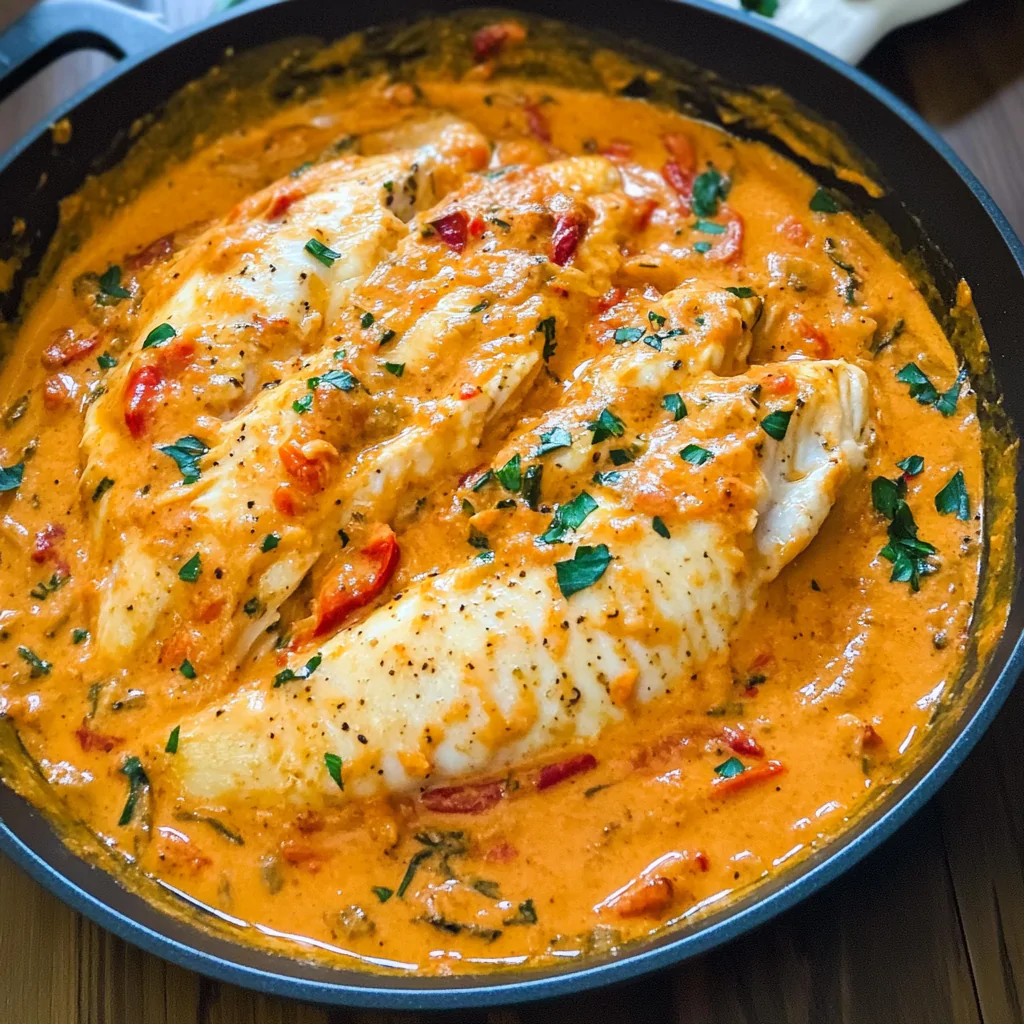
I used to think that cooking fish meant dealing with expensive cuts, complicated techniques, and the constant fear of overcooking something that cost me half a week’s grocery budget. Then I discovered how transformative a good sauce can be, especially when paired with mild, affordable fish like tilapia. This roasted pepper sauce recipe changed everything—it turns humble tilapia into something restaurant-worthy while being forgiving enough for weeknight cooking.
The inspiration came from a Spanish tapas bar where I watched the chef spoon a vibrant red pepper sauce over perfectly flaked fish. The sauce was smoky, slightly sweet, and complex in a way that elevated the simple protein into something memorable. After months of experimenting with different pepper combinations and cooking methods, I’ve landed on this version that delivers maximum flavor with minimal effort.
What makes this tilapia in roasted pepper sauce special is how the sweetness of the roasted peppers balances the mild fish without overwhelming it. The sauce has depth from garlic and smokiness from paprika, while a touch of vinegar adds brightness that keeps each bite from feeling heavy. The technique ensures the fish stays flaky and moist while the sauce provides all the bold flavors you crave.
This recipe works beautifully for both casual family dinners and entertaining—the colorful presentation looks impressive, but the preparation is straightforward enough to handle on busy weeknights. Plus, tilapia is one of the most budget-friendly fish options available, making this an accessible way to get more seafood into your rotation.
Ingredients
For the Roasted Pepper Sauce:
- 3 large red bell peppers
- 4 cloves garlic, unpeeled
- 3 tablespoons olive oil, divided
- 1 small onion, finely diced
- 1 teaspoon smoked paprika
- 1/2 teaspoon ground cumin
- 2 tablespoons tomato paste
- 1/4 cup chicken or vegetable broth
- 1 tablespoon sherry vinegar (or red wine vinegar)
- 1 teaspoon honey
- Salt and freshly ground black pepper to taste
For the Fish:
- 4 tilapia fillets (about 6 ounces each)
- 2 tablespoons olive oil
- 1 teaspoon paprika
- 1/2 teaspoon garlic powder
- Salt and freshly ground black pepper
- 2 tablespoons fresh parsley, chopped
- Lemon wedges for serving
Instructions
Start by roasting the peppers, which forms the heart of this sauce. Preheat your oven to 425°F and line a baking sheet with parchment paper. Place the whole red peppers and unpeeled garlic cloves on the sheet, drizzle with 1 tablespoon of olive oil, and roast for 25-30 minutes. The peppers should be charred in spots and soft when gently pressed, while the garlic cloves will be golden and aromatic.
Once the peppers are done, immediately transfer them to a bowl and cover tightly with plastic wrap or place them in a sealed plastic bag. This steaming process makes the skins slip off easily—let them sit for at least 10 minutes. The roasted garlic can cool on the counter until you’re ready to use it.
While the peppers steam, prepare the base for your sauce. Heat the remaining 2 tablespoons of olive oil in a large skillet over medium heat. Add the diced onion and cook for 5-6 minutes until softened and lightly golden. The onion provides sweetness and body to the sauce, so don’t rush this step—properly cooked onions make a significant difference in the final flavor.
Add the smoked paprika and cumin to the onions, stirring constantly for about 30 seconds until fragrant. This brief toasting intensifies the spices and prevents them from tasting raw in the finished sauce. Stir in the tomato paste and cook for another minute, allowing it to caramelize slightly and lose its sharp edge.
Now it’s time to handle the roasted peppers. Remove them from the bowl and gently peel away the charred skin—it should come off easily. Don’t worry if a few black bits remain; they add character and smoky flavor. Remove the stems and seeds, then roughly chop the pepper flesh. Squeeze the roasted garlic cloves out of their skins—they’ll be soft and sweet.
Add the chopped roasted peppers and garlic to the skillet with the onion mixture. Pour in the broth and bring the mixture to a simmer. Let it cook for 8-10 minutes, stirring occasionally, until the peppers break down and the mixture thickens slightly. This simmering time allows all the flavors to meld together.
Transfer the pepper mixture to a blender or food processor and blend until smooth. You can also use an immersion blender directly in the pan if you prefer. The sauce should be smooth but not completely pureed—a little texture is nice. Return the sauce to the skillet and stir in the vinegar and honey. The vinegar adds brightness while the honey balances any bitterness from the peppers. Season with salt and pepper to taste, then keep the sauce warm over low heat.
For the fish, pat the tilapia fillets completely dry with paper towels and season both sides with salt, pepper, paprika, and garlic powder. Heat a large non-stick or well-seasoned skillet over medium-high heat with a thin film of olive oil. When the oil shimmers, carefully place the seasoned fillets in the pan.
Cook the tilapia for 3-4 minutes on the first side without moving them—this allows a light golden crust to form. Flip carefully using a thin spatula and cook for another 2-3 minutes until the fish flakes easily when tested with a fork. Tilapia cooks quickly, so watch it closely to avoid overcooking, which can make it dry and tough.
Flavor & Texture Notes
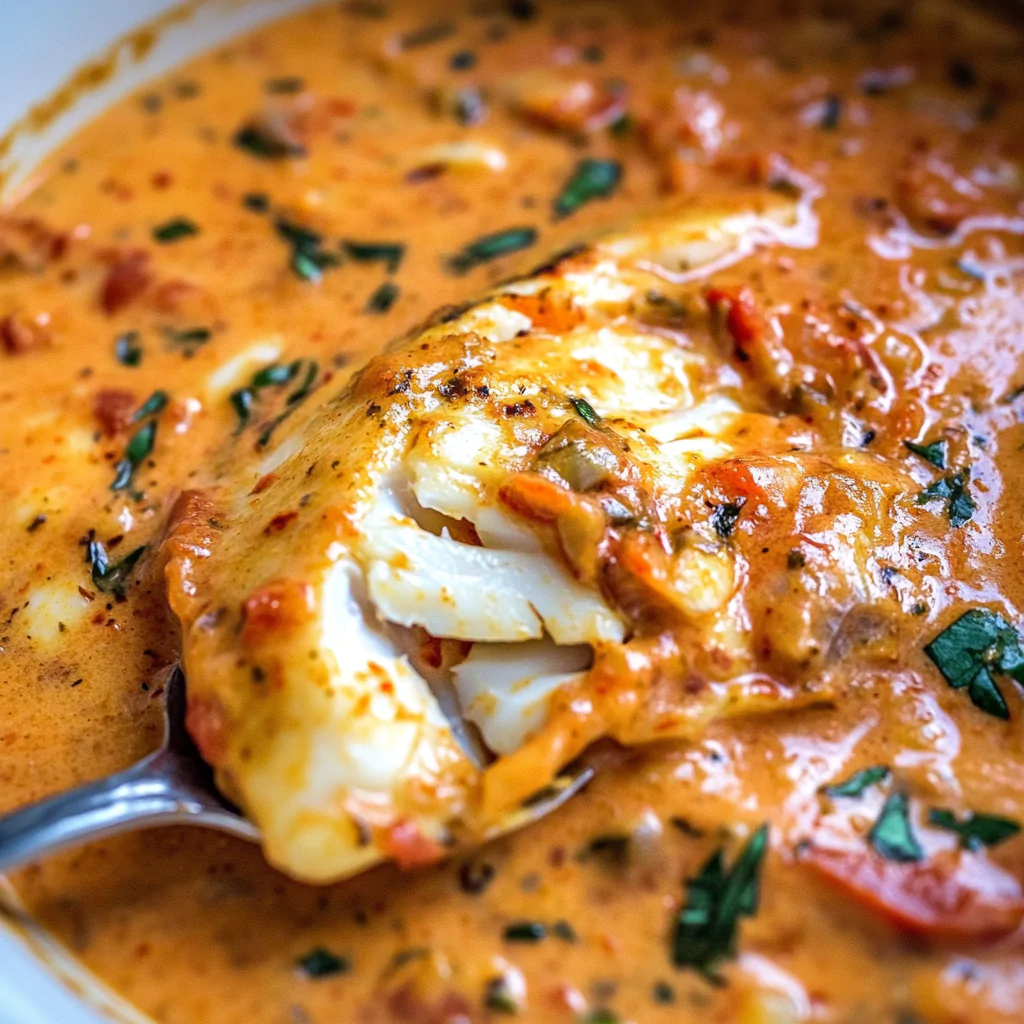
This dish creates a beautiful harmony between the mild, flaky tilapia and the rich, complex pepper sauce. The fish itself has a clean, sweet flavor with a tender texture that flakes into perfect chunks. The light seasoning enhances rather than masks the natural taste of the tilapia.
The roasted pepper sauce is where the magic happens. It’s smoky and sweet with layers of flavor that develop as you eat. The roasted peppers provide natural sweetness and a silky texture, while the caramelized onions add depth. The smoked paprika gives the sauce a subtle smokiness that makes it taste like it came from a wood-fired kitchen.
Each spoonful of sauce coats the delicate fish without overwhelming it. The honey adds just enough sweetness to balance the natural slight bitterness of roasted peppers, while the vinegar provides a bright note that cuts through the richness and keeps your palate interested.
The texture contrast is particularly satisfying—the tender, flaky fish against the smooth, velvety sauce creates a restaurant-quality eating experience. The sauce clings to the fish beautifully, ensuring every bite has the perfect balance of protein and flavor.
Tips & Variations
Fish Substitutions: While tilapia works wonderfully here, this sauce pairs beautifully with other mild white fish like cod, halibut, or mahi-mahi. Adjust cooking times based on thickness—thicker fillets will need a few extra minutes per side. Even salmon works well if you prefer a richer fish.
Pepper Options: Red bell peppers provide the sweetest, mildest flavor, but you can experiment with other varieties. A mix of red and yellow peppers creates a more complex flavor profile. For heat lovers, add one roasted poblano or Anaheim pepper to the mix for subtle warmth without overwhelming spiciness.
Make It Spicier: Add a pinch of cayenne pepper to the sauce, or include some red pepper flakes when cooking the onions. A small amount of hot smoked paprika instead of regular smoked paprika will also amp up the heat level.
Dairy Addition: For an even richer sauce, stir in 2-3 tablespoons of heavy cream or crème fraîche at the very end. This creates a more luxurious texture and mellows any sharp edges in the sauce.
Herb Variations: Fresh basil or oregano can replace the parsley for different flavor profiles. Add fresh herbs at the very end to preserve their bright flavor and color.
Sauce Consistency: If your sauce seems too thick, thin it with additional broth or white wine. If it’s too thin, simmer it uncovered for a few extra minutes to reduce and concentrate the flavors.
Storage & Make-Ahead
The roasted pepper sauce is a make-ahead champion and actually improves in flavor after sitting for a day. You can prepare the sauce up to 3 days in advance and store it covered in the refrigerator. Reheat gently before serving, adding a splash of broth if it has thickened too much.
The peppers can be roasted and peeled up to 2 days ahead, then stored covered in the refrigerator until you’re ready to make the sauce. This makes the recipe much quicker to execute on busy nights.
Cooked fish is best enjoyed immediately, but leftovers can be stored in the refrigerator for up to 2 days. Reheat gently in a covered skillet over low heat with a splash of water to prevent the fish from drying out. The sauce will help keep the fish moist during reheating.
For meal prep, you can portion the cooked fish and sauce into containers, though the texture is best when reheated gently on the stovetop rather than in the microwave. The sauce freezes well for up to 3 months—just thaw overnight and reheat with a little additional broth to restore the consistency.
Serving Suggestions
This saucy fish dish calls for sides that can soak up the flavorful pepper sauce. Creamy polenta, garlic mashed potatoes, or even simple white rice work beautifully as a base. The sauce is too good to waste, so choose sides that can capture every drop.
For vegetables, roasted asparagus or green beans provide a nice color contrast and fresh flavor that complements the sweet peppers. A simple salad of mixed greens with a lemon vinaigrette helps cut through the richness of the sauce and adds brightness to the plate.
The dish looks stunning when plated individually—place a portion of your chosen starch in the center of each plate, top with the fish fillet, and spoon the vibrant red sauce generously over and around the fish. A sprinkle of fresh parsley and a lemon wedge complete the restaurant-style presentation.
For entertaining, consider serving this family-style in a large, shallow serving dish with the sauce spooned over the fish and plenty of crusty bread on the side for sopping. A chilled white wine like Albariño or Sauvignon Blanc pairs beautifully with both the fish and the sweet pepper flavors.
FAQ
How do I know when my tilapia is properly cooked? Properly cooked tilapia will be opaque throughout and flake easily when tested with a fork. The internal temperature should reach 145°F, but visual cues are usually more reliable—the flesh should no longer look translucent and should separate into clean flakes when gently pressed with a fork.
Can I use jarred roasted peppers instead of roasting my own? While fresh roasted peppers have the best flavor, jarred roasted red peppers will work in a pinch. Use about 1 1/2 cups of jarred peppers, drained well. You’ll miss some of the smoky flavor that comes from fresh roasting, but the convenience factor is significant. Skip the garlic roasting step and use 4 cloves of fresh minced garlic instead.
My sauce turned out too acidic. How can I fix it? If the sauce tastes too sharp, add a bit more honey, one teaspoon at a time, until the flavors balance. Sometimes roasted peppers can be more acidic depending on the variety. You can also add a small splash of cream or a pinch of baking soda to neutralize excess acidity.
What’s the best way to reheat leftover fish without drying it out? Place the fish and sauce in a covered skillet over low heat with a tablespoon or two of water or broth. Heat gently for 2-3 minutes until warmed through. The steam created by the liquid and covered pan will help keep the fish moist. Avoid high heat, which will toughen the fish.
Can I make this recipe with frozen tilapia? Yes, but make sure to thaw the fish completely first and pat it very dry before seasoning. Frozen fish often releases more moisture during cooking, which can prevent proper browning and may dilute the sauce slightly. Thaw overnight in the refrigerator for best results.
There’s something deeply satisfying about transforming simple ingredients into something that feels special and restaurant-worthy. This tilapia in roasted pepper sauce proves that you don’t need expensive fish or complicated techniques to create memorable meals. The combination of sweet roasted peppers, aromatic spices, and perfectly cooked fish delivers comfort and sophistication in equal measure. Once you master this technique, you’ll find yourself reaching for it whenever you want to turn an ordinary weeknight into something a little more exciting.