Follow Me On Social Media!

Classic Stuffed Shells Recipe: The Make-Ahead Italian Comfort Food Your Family Will Request Again and Again.

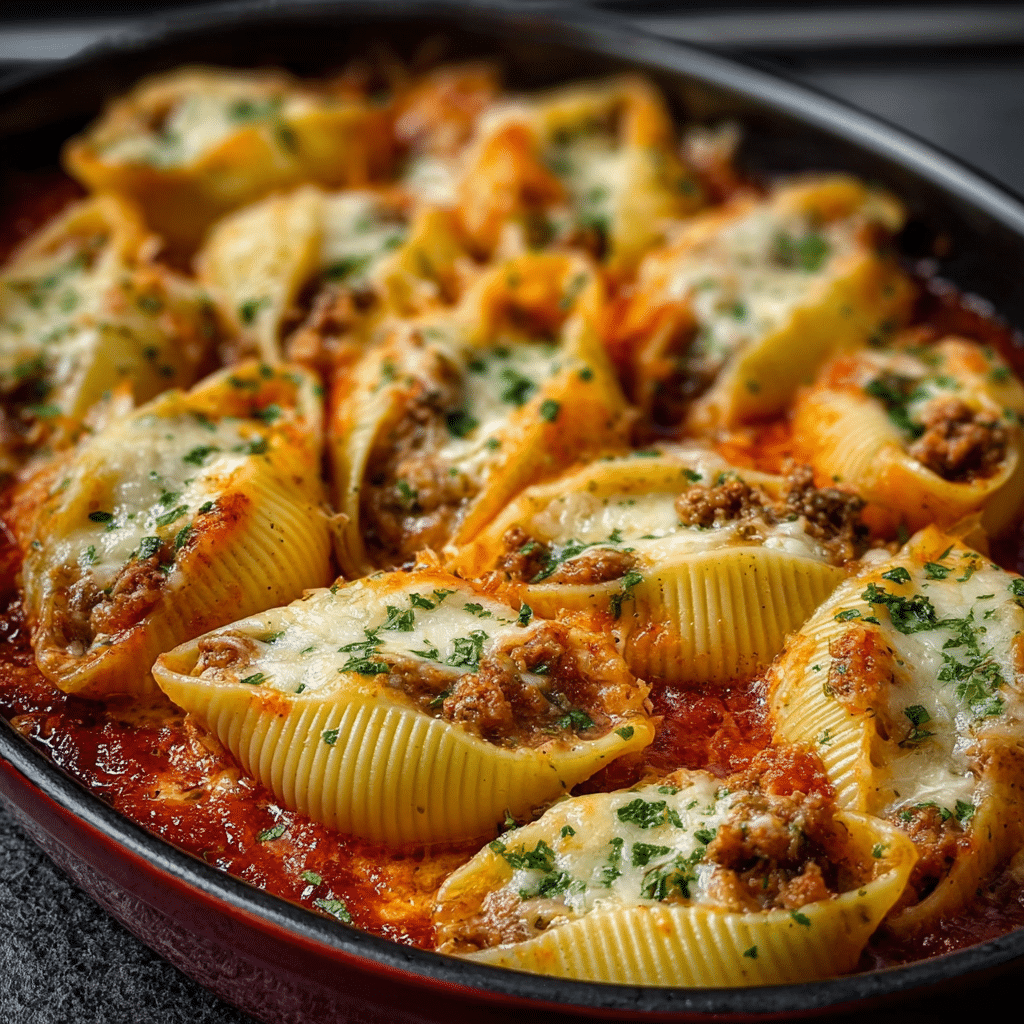
There’s something deeply satisfying about the ritual of filling pasta shells. Maybe it’s the methodical nature of spooning creamy ricotta mixture into each curved shell, or perhaps it’s knowing that you’re creating something that will bring genuine joy to everyone at your table. This stuffed shells recipe has been my go-to for everything from casual weeknight dinners to potluck contributions, and it never fails to earn that satisfied “mmm” from the first bite.
I learned to make stuffed shells from my neighbor Maria, who emigrated from Italy in the 1960s and had strong opinions about proper ricotta filling ratios. She taught me that the secret isn’t just in the ingredients—it’s in the technique of slightly undercooking the shells so they don’t fall apart during baking, and creating a filling that’s creamy enough to stay moist but structured enough to hold its shape.
What makes this particular stuffed shells recipe special is the three-cheese filling that strikes the perfect balance between rich and light, plus a homemade tomato sauce that’s robust enough to complement the pasta without overwhelming the delicate cheese flavors. The result is a dish that feels special enough for company but familiar enough for a Tuesday night when you need something comforting.
The beauty of stuffed shells lies in their make-ahead nature. You can assemble them completely in the morning or even the night before, then slide the dish into the oven when you’re ready to eat. This makes them perfect for busy families, meal prep enthusiasts, or anyone who wants to feel like they have their act together during hectic weeks.
Ingredients
For the Pasta Shells:
- 20 jumbo pasta shells (from a 12-ounce box)
- 2 tablespoons salt for pasta water
For the Cheese Filling:
- 15 ounces whole milk ricotta cheese
- 8 ounces shredded mozzarella cheese, divided
- 1/2 cup grated Parmesan cheese, plus extra for serving
- 1 large egg
- 2 tablespoons fresh parsley, finely chopped
- 1 tablespoon fresh basil, chopped (or 1 teaspoon dried basil)
- 1/2 teaspoon garlic powder
- 1/2 teaspoon salt
- 1/4 teaspoon freshly ground black pepper
- Pinch of nutmeg (optional but recommended)
For the Tomato Sauce:
- 2 tablespoons olive oil
- 1 medium onion, finely diced
- 3 cloves garlic, minced
- 1 can (28 ounces) crushed tomatoes
- 1 can (14.5 ounces) diced tomatoes, drained
- 2 tablespoons tomato paste
- 1 teaspoon dried oregano
- 1 teaspoon dried basil
- 1/2 teaspoon salt
- 1/4 teaspoon black pepper
- 1 tablespoon sugar (optional, to balance acidity)
Optional Add-ins:
- 1/2 pound ground Italian sausage or ground beef
- 1 cup cooked spinach, squeezed dry and chopped
- 1/4 cup pine nuts, toasted
Instructions
Start by bringing a large pot of water to a rolling boil and add the salt. The water should taste noticeably salty—this is your only chance to season the pasta from the inside. Add the jumbo shells and cook for 2-3 minutes less than the package directions suggest. You want them al dente, maybe even slightly firmer, because they’ll continue cooking in the oven. Undercooking slightly prevents the shells from becoming mushy or falling apart when you stuff and bake them.
While the pasta cooks, prepare a large bowl of ice water. When the shells are ready, drain them immediately and plunge them into the ice bath to stop the cooking process. This also makes them easier to handle when you’re ready to fill them. Once cooled, lay the shells cut-side down on a clean kitchen towel to drain completely.
For the sauce, heat olive oil in a large saucepan over medium heat. Add the diced onion and cook for 4-5 minutes until softened and translucent. The onion should release its moisture and become sweet, not browned. Add the minced garlic and cook for another 30 seconds until fragrant—be careful not to let it brown, as burnt garlic will make your sauce bitter.
Stir in the tomato paste and cook for about a minute until it darkens slightly and becomes fragrant. This step deepens the tomato flavor and removes the raw taste from the paste. Add the crushed tomatoes, drained diced tomatoes, oregano, basil, salt, and pepper. Bring the mixture to a simmer, then reduce heat to low and let it cook for 15-20 minutes, stirring occasionally. The sauce should thicken slightly and the flavors should meld together. Taste and adjust seasoning—add the sugar if your tomatoes seem particularly acidic.
While the sauce simmers, make the cheese filling. In a large bowl, combine the ricotta cheese, 6 ounces of the mozzarella (save 2 ounces for topping), Parmesan cheese, egg, parsley, basil, garlic powder, salt, pepper, and nutmeg if using. Mix everything together until well combined but don’t overmix—you want the filling to be smooth and creamy, not dense.
Preheat your oven to 375°F and lightly grease a 9×13-inch baking dish. Spread about 1 cup of the tomato sauce evenly across the bottom of the dish. This prevents the shells from sticking and ensures every bite has sauce.
Now comes the fun part: filling the shells. Using a small spoon or your hands, carefully fill each shell with about 2-3 tablespoons of the cheese mixture. Don’t overstuff them—you want the filling to be generous but not bursting out of the shells. Place each filled shell opening-side up in the prepared baking dish, nestling them close together but not squishing them.
Once all shells are filled and arranged, pour the remaining sauce over and around them, making sure some sauce gets between the shells. Sprinkle the remaining 2 ounces of mozzarella cheese evenly over the top.
Cover tightly with aluminum foil and bake for 25 minutes. Remove the foil and continue baking for 10-15 minutes more, until the cheese on top is melted and lightly golden, and the sauce is bubbling around the edges. The internal temperature should reach 165°F if you want to check with a thermometer.
Let the stuffed shells rest for 5-10 minutes before serving. This allows the cheese to set slightly and makes serving much easier and neater.
Flavor & Texture Notes
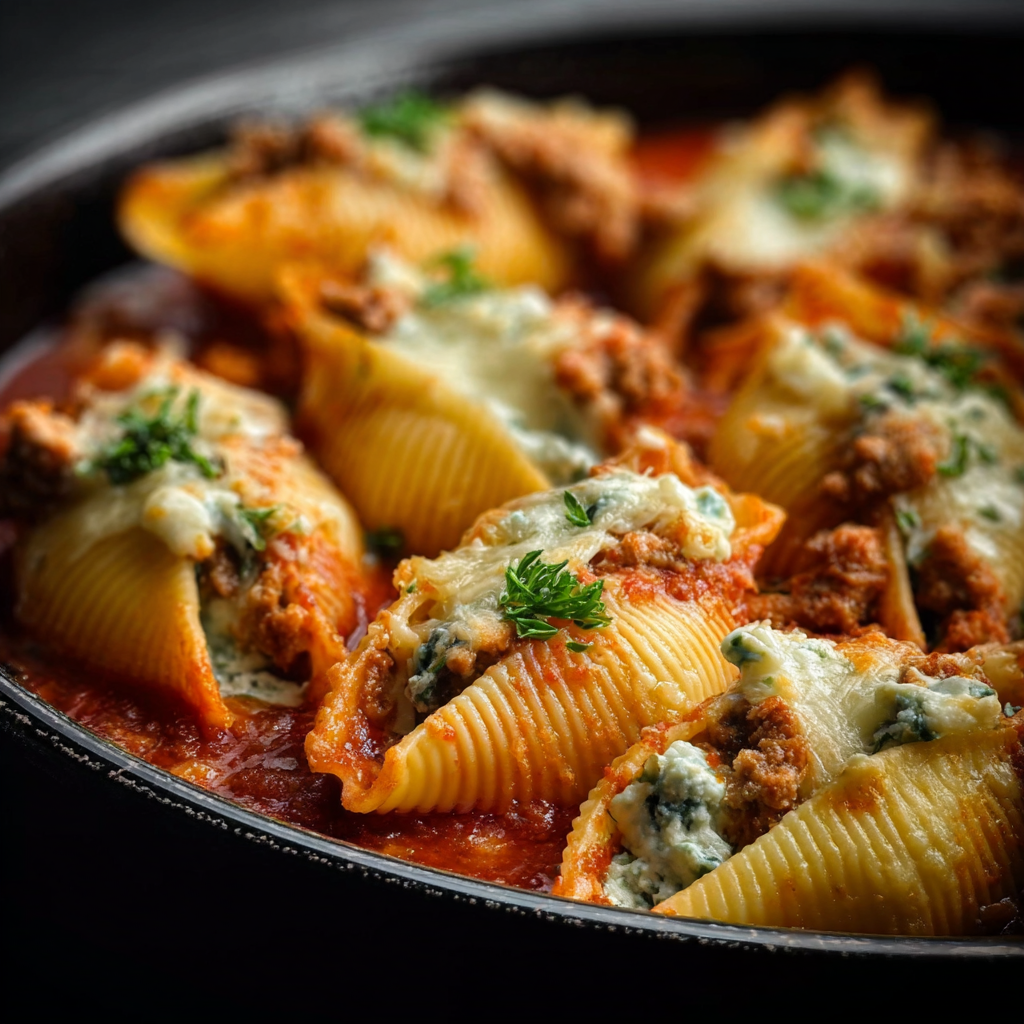
These classic stuffed shells deliver exactly what you want from Italian comfort food. The pasta shells provide a tender, slightly chewy container that holds up beautifully to the creamy filling and robust sauce. Each shell offers a perfect bite ratio—enough pasta to provide substance without overwhelming the star of the show, which is that luxurious three-cheese filling.
The ricotta-based filling is creamy and light with just enough structure to hold its shape when cut. The combination of ricotta’s mild tanginess, mozzarella’s stretchy richness, and Parmesan’s sharp nuttiness creates layers of flavor that develop as you eat. Fresh herbs brighten the mixture and prevent it from feeling too heavy, while the hint of nutmeg adds an unexpected warmth that most people can’t quite identify but definitely appreciate.
The homemade tomato sauce brings bright acidity that cuts through the richness of the cheese, with enough body to coat each shell without being overwhelming. The combination of crushed and diced tomatoes provides both smoothness and texture, while the slow simmering develops deep, concentrated tomato flavor that tastes much more complex than the simple ingredient list suggests.
When you cut into the finished dish, the cheese stretches appealingly, and the sauce mingles with the filling to create that perfect comfort food experience—rich enough to feel like a treat, but balanced enough that you won’t feel overstuffed after a reasonable portion.
Tips & Variations
Pasta Shell Success: Buy more shells than you need—they’re fragile and a few will inevitably break during cooking. Twenty shells should be plenty for a standard recipe, but having extras ensures you won’t come up short. If shells do tear, you can still use them; just nestle the torn pieces together when filling.
Meat Additions: For a heartier version, brown 1/2 pound of ground Italian sausage or ground beef and mix it into the cheese filling. The meat adds protein and richness, making the dish even more substantial. Remove casings from sausage before browning, and drain excess fat before adding to the filling.
Vegetable Boost: Spinach is the classic vegetable addition—use frozen spinach that’s been thawed and thoroughly squeezed dry, or fresh spinach that’s been wilted and chopped. Other vegetables like diced roasted red peppers, sautéed mushrooms, or finely chopped sun-dried tomatoes work beautifully too.
Cheese Substitutions: While the three-cheese combination is classic, you can substitute some of the mozzarella with provolone for a sharper flavor, or add a bit of Romano cheese for extra sharpness. For a lighter version, use part-skim ricotta and reduce the mozzarella slightly.
Sauce Shortcuts: If you’re short on time, a good-quality store-bought marinara sauce works fine. Look for one with simple ingredients and taste it first—you want something with good tomato flavor that’s not too sweet. You’ll need about 3 cups total.
Freezer-Friendly Modifications: This recipe freezes exceptionally well. Assemble completely but don’t bake, then wrap tightly in plastic wrap and aluminum foil. Freeze for up to 3 months. Bake directly from frozen, adding about 20 minutes to the cooking time and covering with foil until the last 15 minutes.
Storage & Make-Ahead
Stuffed shells are practically designed for make-ahead cooking. You can assemble the entire dish up to 24 hours in advance, cover tightly, and refrigerate until ready to bake. This actually improves the flavor as the sauce and filling have time to meld together.
If preparing ahead, add about 10 minutes to the baking time since you’re starting with a cold dish. The shells should be bubbly and heated through to the center—test one from the middle of the dish to make sure it’s hot throughout.
Leftover stuffed shells keep well in the refrigerator for up to 4 days and reheat beautifully. Individual portions can be microwaved for 1-2 minutes, or you can reheat larger portions in a 350°F oven until warmed through. Add a splash of water or extra sauce if they seem to be drying out.
For longer storage, these freeze excellently both before and after baking. Cooked leftovers can be frozen for up to 3 months in individual portions or family-sized containers. Thaw overnight in the refrigerator before reheating.
Serving Suggestions
Stuffed shells are substantial enough to serve as a complete meal, but they pair beautifully with a few simple sides. A crisp Caesar salad or mixed greens with Italian vinaigrette provides a fresh contrast to the rich pasta. Garlic bread is classic for a reason—it’s perfect for sopping up any extra sauce on your plate.
For wine pairings, a medium-bodied red like Chianti or Sangiovese complements the tomato sauce and cheese perfectly. If you prefer white wine, a crisp Pinot Grigio or Soave works well too, especially if you’ve added vegetables to your filling.
The shells look beautiful served directly from the baking dish, making them perfect for family-style dining. Use a large spoon or spatula to serve, making sure each portion gets plenty of sauce. A sprinkle of fresh basil or parsley on top adds color and freshness.
For entertaining, consider making a double batch and serving alongside other Italian favorites like antipasto platters, bruschetta, or a simple caprese salad. The make-ahead nature of stuffed shells makes them ideal for dinner parties since you can have everything ready before guests arrive.
FAQ
Why do my shells keep breaking when I try to fill them? This usually happens when the shells are overcooked or handled too roughly when hot. Cook them just until al dente (slightly firm), then immediately transfer to ice water to stop cooking. Let them cool completely before handling, and use a gentle touch when filling. Having extras on hand helps account for any that break during preparation.
Can I use cottage cheese instead of ricotta? While cottage cheese can work in a pinch, ricotta is really preferred for texture and flavor. Cottage cheese has larger curds and more moisture, which can make the filling watery and less smooth. If you must substitute, use small-curd cottage cheese and drain it in a fine-mesh strainer for 30 minutes before using.
How do I prevent the filling from being watery? Make sure your ricotta isn’t too wet to begin with—if it seems watery, drain it in a fine-mesh strainer for 15-20 minutes. If adding spinach, squeeze it completely dry using paper towels or a clean kitchen towel. Don’t overmix the filling, and avoid adding extra liquid ingredients.
Can I make these without eggs? Yes, though the egg helps bind the filling and creates a slightly firmer texture when baked. You can omit it entirely, or substitute with a flax egg (1 tablespoon ground flaxseed mixed with 3 tablespoons water, let sit for 5 minutes) for binding power.
What’s the best way to reheat individual portions? For best results, reheat in the oven at 350°F until heated through, about 15-20 minutes depending on portion size. Cover with foil to prevent the top from over-browning. Microwave works for quick reheating—about 1-2 minutes for a single serving—but the oven maintains better texture.
There’s something wonderful about mastering a recipe that brings people together around the table. These stuffed shells represent the best of Italian-American comfort food—familiar flavors, generous portions, and the kind of satisfaction that only comes from food made with care. Whether you’re feeding your family on a busy weeknight or preparing for a gathering with friends, this recipe delivers exactly what you hope for: something delicious, comforting, and made with love. The best part is watching faces light up with that first bite, knowing you’ve created something that will become a treasured part of your recipe collection.