Follow Me On Social Media!

Mediterranean Veggie Bowls: Fresh, Healthy Meal Prep That Actually Tastes Great.

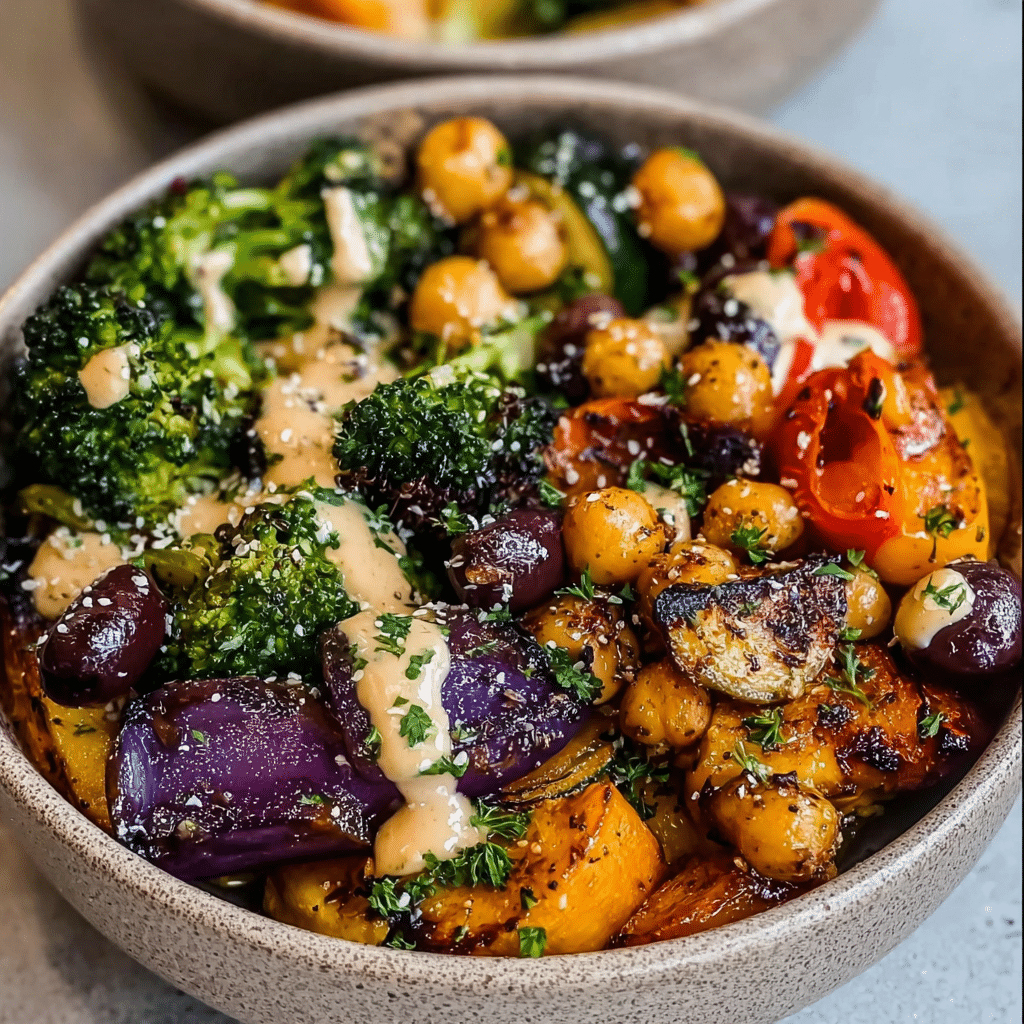
The first time I made these Mediterranean veggie bowls, I was skeptical about whether a collection of vegetables and grains could really satisfy my usual dinner cravings. But after that first bite—the way the tangy feta crumbled against the sweet roasted peppers, how the lemon dressing brought everything together, and the surprising heartiness of the quinoa base—I understood why bowl meals have become such a phenomenon.
These Mediterranean veggie bowls solve the eternal question of how to eat healthily without feeling deprived. They’re packed with the vibrant flavors of the Mediterranean coast: sun-ripened tomatoes, crisp cucumbers, briny olives, and herbs that smell like summer. The beauty lies not just in how good they taste, but in how adaptable they are to whatever vegetables you have on hand and how perfectly they work for meal prep.
What sets these bowls apart from other healthy grain bowls is the layering of flavors and textures. Instead of simply tossing everything together, each component is prepared to highlight its best qualities. The vegetables are roasted until they develop caramelized edges, the grains are cooked with aromatics, and the dressing ties everything together with bright, acidic notes that make your mouth water.
These bowls work beautifully whether you’re meal prepping for the week, looking for a light lunch that won’t leave you sluggish, or trying to incorporate more vegetables into your routine without sacrificing flavor. They’re naturally gluten-free when made with quinoa, easily customizable for different dietary needs, and somehow manage to be both satisfying and energizing.
Ingredients
For the Quinoa Base:
- 1 cup quinoa, rinsed
- 2 cups vegetable broth or water
- 1 bay leaf
- 1/2 teaspoon salt
For the Roasted Vegetables:
- 1 large red bell pepper, cut into strips
- 1 large yellow bell pepper, cut into strips
- 1 medium zucchini, sliced into half-moons
- 1 small red onion, cut into wedges
- 1 cup cherry tomatoes, halved
- 3 tablespoons olive oil
- 1 teaspoon dried oregano
- 1/2 teaspoon salt
- Freshly ground black pepper
For the Fresh Components:
- 1 large cucumber, diced
- 1/2 cup Kalamata olives, pitted and halved
- 1/2 cup crumbled feta cheese
- 1/4 cup fresh mint leaves, chopped
- 1/4 cup fresh parsley, chopped
For the Lemon Herb Dressing:
- 1/4 cup extra virgin olive oil
- 3 tablespoons fresh lemon juice
- 1 tablespoon red wine vinegar
- 2 cloves garlic, minced
- 1 teaspoon dried oregano
- 1/2 teaspoon Dijon mustard
- Salt and pepper to taste
Instructions
Preheat your oven to 425°F and line a large baking sheet with parchment paper. The high heat is crucial for getting those beautiful caramelized edges on the vegetables that make all the difference in flavor.
Start with the quinoa since it takes the longest. Rinse the quinoa in a fine-mesh strainer until the water runs clear—this removes the natural coating that can make quinoa taste bitter. In a medium saucepan, combine the rinsed quinoa with vegetable broth, bay leaf, and salt. Bring to a boil, then reduce heat to low, cover, and simmer for 15 minutes. Remove from heat and let it sit, covered, for 5 minutes before fluffing with a fork. Remove the bay leaf and set aside to cool.
While the quinoa cooks, prepare your vegetables for roasting. Cut the bell peppers into strips about 1/2 inch wide, slice the zucchini into half-moons roughly 1/4 inch thick, and cut the red onion into wedges that will hold together during roasting. Halve the cherry tomatoes, placing them cut-side up on the baking sheet so they concentrate their flavors as they roast.
Arrange all the vegetables on your prepared baking sheet, making sure they’re in a single layer with some space between pieces. Overcrowding will cause them to steam rather than roast. Drizzle with olive oil and sprinkle with oregano, salt, and pepper. Use your hands to toss everything together, ensuring each piece is coated with oil and seasonings.
Roast for 20-25 minutes, stirring once halfway through, until the vegetables are tender and developing golden-brown edges. The peppers should be slightly charred, the zucchini golden, and the tomatoes concentrated and jammy. Remove from the oven and let cool slightly.
While the vegetables roast, prepare the fresh components and dressing. Dice the cucumber into small, uniform pieces and halve the olives. For the dressing, whisk together the olive oil, lemon juice, red wine vinegar, minced garlic, oregano, and Dijon mustard in a small bowl. Season with salt and pepper, then taste and adjust—the dressing should be bright and well-balanced, with enough acidity to complement the rich vegetables and creamy feta.
To assemble the bowls, start with a base of the cooled quinoa in each serving bowl. Arrange the roasted vegetables over the quinoa, followed by the fresh cucumber and olives. Crumble the feta cheese over the top and sprinkle with fresh herbs. Drizzle each bowl with the lemon herb dressing just before serving, or serve the dressing on the side if you’re meal prepping.
Flavor & Texture Notes
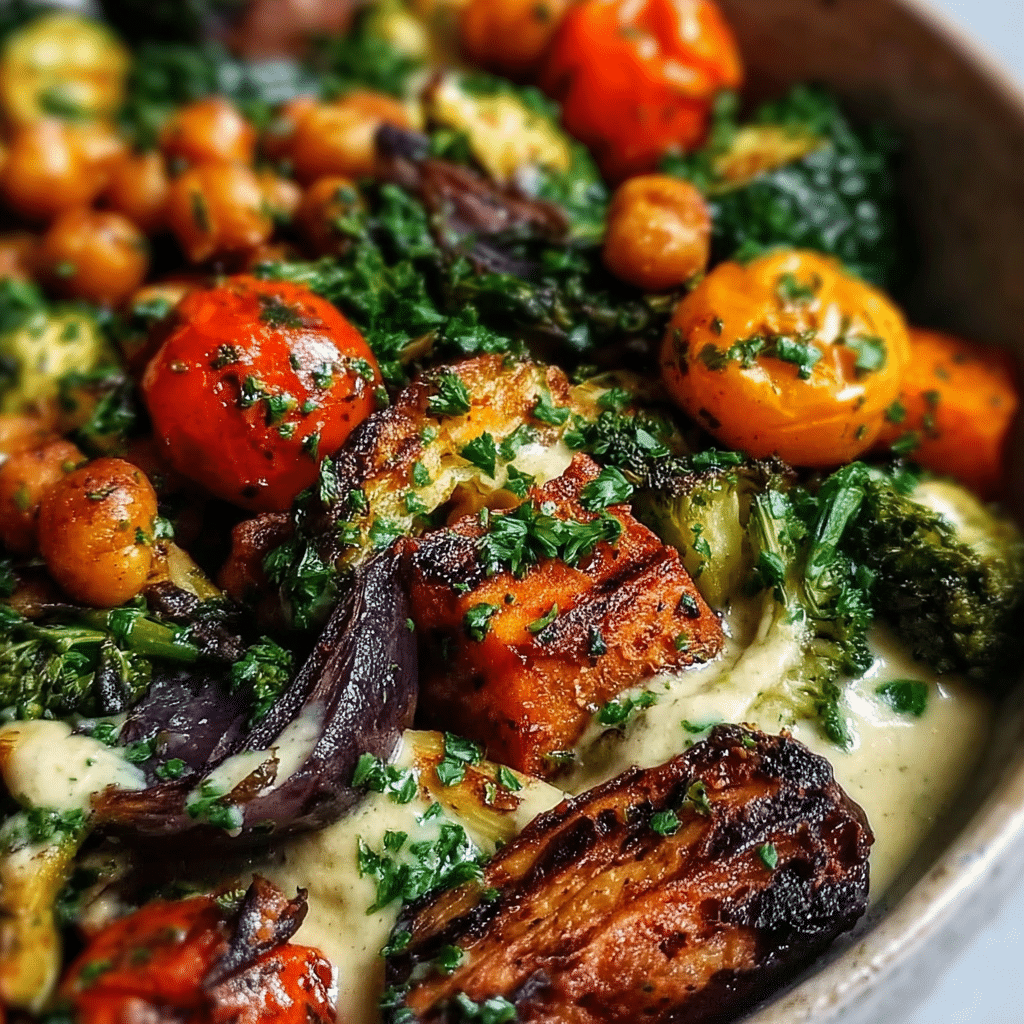
These Mediterranean veggie bowls offer a symphony of textures and flavors that keep each bite interesting. The quinoa provides a nutty, satisfying base with a slightly chewy texture that soaks up the dressing beautifully. The roasted vegetables bring sweetness and depth—the peppers become almost candy-like at the edges, while the zucchini develops a creamy interior with golden, caramelized surfaces.
The fresh cucumber adds crucial crunch and coolness that balances the warm, roasted elements. Kalamata olives contribute bursts of briny intensity that wake up your palate, while the feta cheese provides creamy richness and tangy contrast to the sweet vegetables.
Fresh herbs brighten everything with their clean, aromatic notes, and the lemon dressing ties all the components together with its bright acidity and garlic undertones. Each spoonful delivers different combinations of these elements, making the bowl feel dynamic rather than repetitive.
The overall eating experience is both satisfying and energizing. Despite being entirely plant-based except for the feta, these bowls feel substantial and complete, leaving you satisfied but not heavy or sluggish.
Tips & Variations
Grain Alternatives: While quinoa is perfect for its protein content and fluffy texture, you can substitute with farro, bulgur wheat, brown rice, or even cauliflower rice for a lower-carb option. Adjust cooking times and liquid ratios accordingly.
Seasonal Vegetable Swaps: This recipe is infinitely adaptable to seasonal produce. In fall, try roasted butternut squash and Brussels sprouts. Spring calls for asparagus and artichoke hearts. Summer is perfect for eggplant and fresh corn kernels.
Protein Additions: To make these bowls more substantial, add chickpeas (roasted until crispy), grilled chicken, hard-boiled eggs, or even leftover salmon. Hummus makes an excellent protein-rich addition that also adds creaminess.
Cheese Variations: If feta isn’t your favorite, try goat cheese for tanginess, fresh mozzarella for mildness, or omit cheese entirely for a vegan version. Nutritional yeast can provide a cheesy flavor for those avoiding dairy.
Dressing Alternatives: The lemon herb dressing is classic, but tahini-based dressings work beautifully with these Mediterranean flavors. Try whisking tahini with lemon juice, water, and garlic for a creamy, nutty alternative.
Make It Heartier: Add roasted chickpeas, toasted pine nuts, or sliced avocado to increase the protein and healthy fats. These additions make the bowls more filling without compromising the fresh, light feeling.
Storage & Make-Ahead
These Mediterranean veggie bowls are ideal for meal prep and actually improve in flavor as the components marry in the refrigerator. Store the roasted vegetables and quinoa together in the refrigerator for up to 4 days. Keep the fresh components (cucumber, herbs, feta) and dressing separate until serving to maintain optimal texture and freshness.
For meal prep, assemble the bowls with the quinoa and roasted vegetables, then store the fresh toppings and dressing in separate small containers. This prevents the cucumbers from becoming soggy and keeps the herbs bright and fresh.
The roasted vegetables can be prepared up to 3 days in advance and actually taste great cold or at room temperature. The quinoa can be cooked up to 5 days ahead and stored in the refrigerator. Fluff it with a fork before using and add a splash of broth or water if it seems dry.
When ready to eat, you can enjoy these bowls cold, at room temperature, or gently warmed. If reheating, warm only the quinoa and roasted vegetables, then add the fresh components and dressing afterward.
Serving Suggestions
These versatile bowls work for lunch, dinner, or even as a substantial side dish for grilled meats or fish. They’re perfect for outdoor dining since they taste great at room temperature and won’t wilt in warm weather.
For entertaining, set up a Mediterranean bowl bar with the components in separate dishes, allowing guests to customize their bowls. Provide different toppings like hummus, tzatziki, roasted red pepper spread, or additional herbs and vegetables.
Serve alongside warm pita bread or naan for scooping, or with a side of Greek yogurt mixed with herbs for extra protein and creaminess. A simple soup like lemon rice soup or a cold gazpacho makes an excellent starter before these substantial bowls.
For a complete Mediterranean feast, pair with other dishes from the region like tabbouleh, stuffed grape leaves, or a simple white bean salad. Greek wine or a crisp rosé complements the bright, herbaceous flavors perfectly.
FAQ
How do I prevent my quinoa from becoming mushy? The key is using the right ratio of liquid to quinoa and not overcooking. Use about 2 cups of liquid for every cup of quinoa, bring to a boil, then reduce to the lowest simmer and cover tightly. Don’t lift the lid during cooking, and let it rest off the heat for 5 minutes before fluffing.
Can I make these bowls vegan? Absolutely. Simply omit the feta cheese or replace it with a vegan feta alternative. You can also add extra protein with roasted chickpeas, hemp seeds, or a dollop of hummus. The bowls are naturally plant-based except for the cheese.
What’s the best way to cut vegetables for even roasting? Aim for uniform sizes so everything cooks at the same rate. Cut vegetables into pieces that are roughly the same thickness—about 1/2 inch works well for most vegetables. Harder vegetables like peppers can be cut slightly thicker than softer ones like zucchini.
How long will the assembled bowls last in the fridge? Fully assembled bowls with dressing will last 2-3 days, though the texture is best within the first day or two. For longer storage, keep components separate and assemble just before eating. The roasted vegetables and quinoa will last up to 5 days when stored properly.
Can I use different types of olives? Yes, though Kalamata olives provide the most authentic Mediterranean flavor with their rich, fruity taste. Green olives work well too and add a different kind of brininess. Avoid canned black olives as they lack the complex flavor that makes these bowls special.
These Mediterranean veggie bowls prove that healthy eating doesn’t require sacrifice or bland flavors. They’re a celebration of fresh vegetables, aromatic herbs, and the simple pleasure of a well-composed meal. Whether you’re new to grain bowls or looking to expand your repertoire of healthy recipes, these bowls offer the perfect introduction to Mediterranean flavors in a format that works beautifully for modern, busy lifestyles. Make a batch this week and discover how satisfying truly fresh, thoughtfully prepared food can be.