Follow Me On Social Media!

Fresh Asian Salad with Zesty Sesame Ginger Dressing.

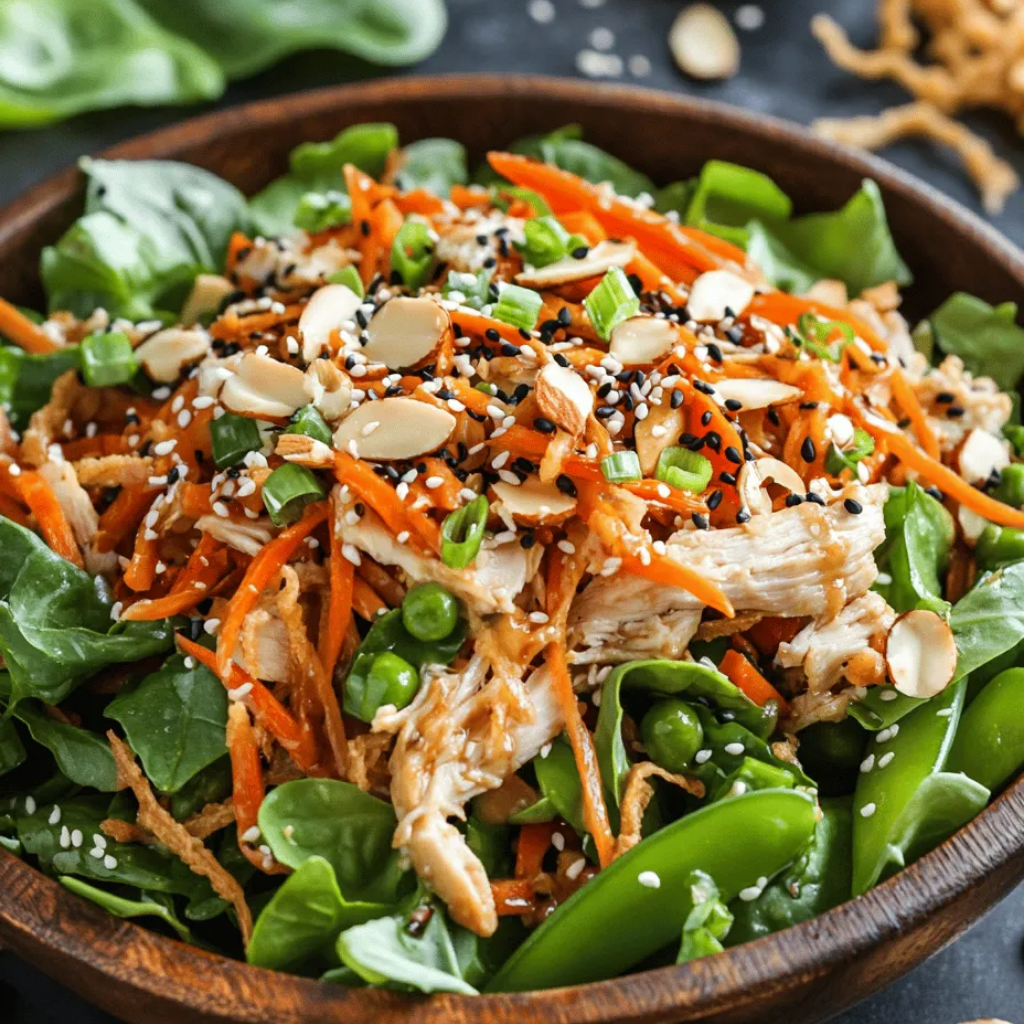
Last summer, I found myself standing in my kitchen at 6 PM, staring into the fridge with that familiar “what’s for dinner?” feeling. The heat was unbearable, and the thought of turning on the stove made me want to order takeout instead. That’s when I spotted a bag of mixed greens, some leftover bell peppers, and a handful of snap peas from my weekend farmers market haul. What started as a desperate attempt to avoid cooking became one of my favorite go-to recipes.
This fresh Asian salad brings together the best of crunchy vegetables, sweet fruits, and a tangy sesame ginger dressing that ties everything together beautifully. It’s the kind of meal that makes you feel energized rather than weighed down, perfect for busy weeknights when you want something healthy but satisfying. The combination of textures and flavors creates a restaurant-quality dish you can whip up in under 15 minutes.
What makes this Asian-inspired salad special is how it balances sweet, salty, and umami flavors without relying on heavy sauces or complicated techniques. The dressing alone has become a staple in my kitchen – I make double batches and keep it in the fridge for quick meals throughout the week.
Ingredients
For the Salad:
- 6 cups mixed greens (baby spinach, arugula, or spring mix)
- 1 large red bell pepper, thinly sliced
- 1 cup snap peas, trimmed and halved diagonally
- 1 large carrot, julienned or shredded
- 1 cucumber, thinly sliced into half-moons
- 1 cup red cabbage, finely shredded
- 1 Asian pear or crisp apple, thinly sliced
- 1/2 cup fresh cilantro leaves
- 1/4 cup green onions, sliced
- 1/3 cup toasted sesame seeds
- 1/2 cup roasted peanuts, roughly chopped
For the Asian Sesame Ginger Dressing:
- 3 tablespoons rice vinegar
- 2 tablespoons soy sauce (low sodium preferred)
- 1 tablespoon sesame oil
- 1 tablespoon honey or maple syrup
- 1 teaspoon fresh ginger, finely grated
- 1 clove garlic, minced
- 1 teaspoon lime juice
- 2 tablespoons neutral oil (vegetable or avocado)
- 1/4 teaspoon red pepper flakes (optional)
Instructions
Start by preparing all your vegetables, as this salad comes together quickly once everything is chopped. Wash and thoroughly dry your mixed greens using a salad spinner or clean kitchen towels. Proper drying is crucial here – wet greens will dilute your dressing and make the salad soggy.
While your greens are drying, slice the red bell pepper into thin strips about 1/4 inch wide. The key is keeping them uniform so every bite has the same satisfying crunch. Trim the snap peas and cut them diagonally in half – this not only looks more elegant but also creates more surface area for the dressing to cling to.
For the carrot, you can either use a julienne peeler for restaurant-style thin strips, or simply use a regular vegetable peeler to create ribbon-like pieces. Both work beautifully and add different visual appeal. Slice the cucumber into thin half-moons, keeping the skin on for extra color and nutrients.
The red cabbage should be shredded as finely as possible. I like to cut it into thin strips first, then go over it again to make sure the pieces aren’t too large. Large cabbage pieces can overwhelm the other vegetables and be difficult to eat.
Now for the dressing – this is where the magic happens. In a small bowl or jar, whisk together the rice vinegar, soy sauce, sesame oil, honey, grated ginger, minced garlic, and lime juice. The ginger should be grated very finely to avoid large chunks that might be overpowering. Slowly drizzle in the neutral oil while whisking continuously to create a smooth emulsion. Add the red pepper flakes if you like a little heat.
Taste your dressing and adjust as needed. It should be tangy with a subtle sweetness and a warm sesame finish. If it’s too acidic, add a bit more honey. Too sweet? A splash more rice vinegar will balance it out.
In a large serving bowl, combine the mixed greens, bell pepper, snap peas, carrot, cucumber, and red cabbage. Add about three-quarters of the dressing and toss gently with clean hands or salad tongs. You want every leaf coated but not drowning.
Top with the sliced Asian pear or apple, fresh cilantro, green onions, toasted sesame seeds, and chopped peanuts. Drizzle with the remaining dressing just before serving. The fruit should go on last to prevent it from getting soggy.
Flavor & Texture Notes
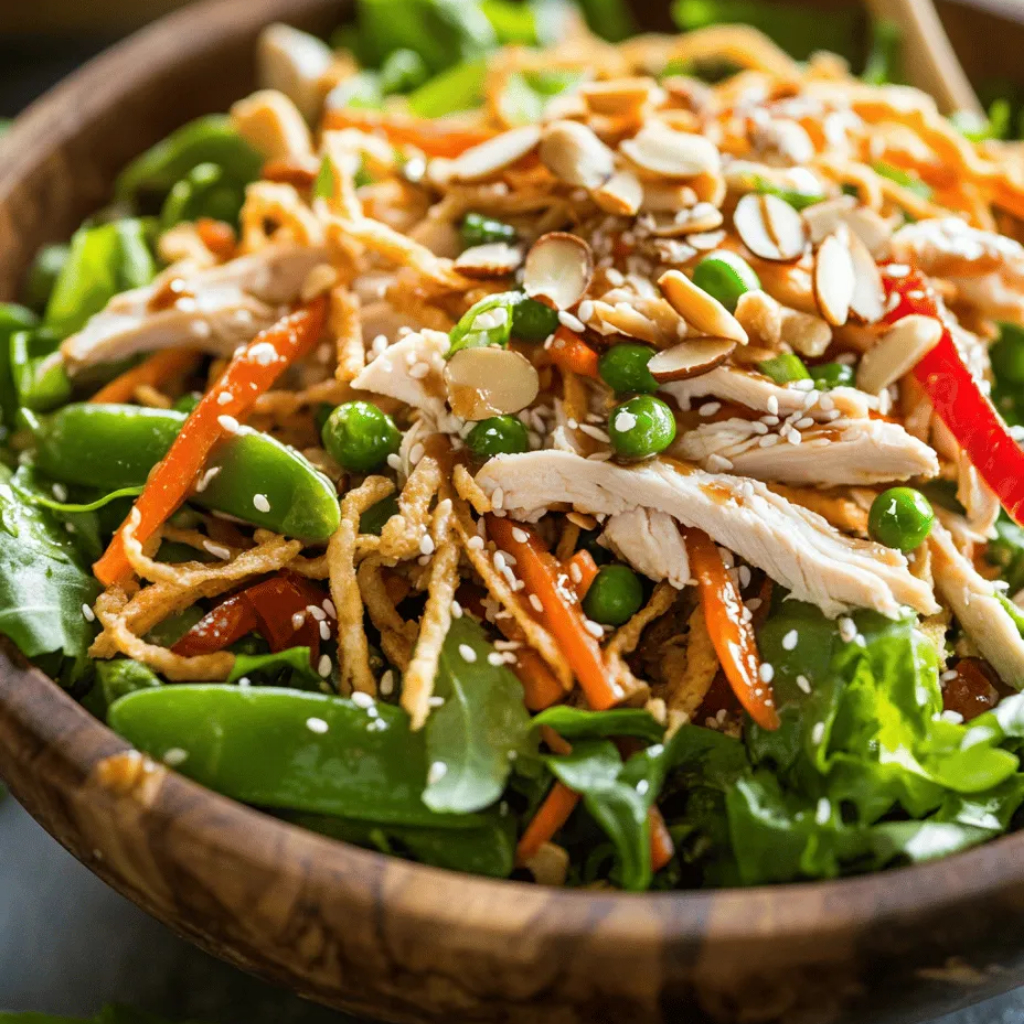
This salad is a symphony of textures and flavors that keeps your palate engaged with every bite. The mixed greens provide a fresh, slightly bitter base that’s balanced by the natural sweetness of the bell pepper and Asian pear. The snap peas add a satisfying snap and subtle vegetal flavor, while the cucumber brings a cooling, refreshing element.
The red cabbage contributes a mild peppery bite and gorgeous color contrast, and the julienned carrots add earthy sweetness plus a firm texture that holds up well to the dressing. The cilantro brings bright, herbaceous notes that complement the Asian flavors, while the green onions add a gentle sharpness without being overpowering.
The sesame ginger dressing ties everything together with its complex flavor profile. You’ll taste the nutty richness of sesame oil first, followed by the bright acidity of rice vinegar and the warm spice of fresh ginger. The honey rounds out any sharp edges, while the soy sauce adds depth and umami that makes the vegetables taste more vibrant.
Texture-wise, you get crisp, tender, and crunchy elements all in one bowl. The toasted sesame seeds provide tiny pops of nuttiness, while the peanuts add substantial crunch and protein. The fruit brings juicy sweetness that contrasts beautifully with all the savory elements.
Tips & Variations
For protein additions, this salad pairs wonderfully with grilled chicken, shrimp, or tofu. I often slice leftover rotisserie chicken and toss it right in. For a vegetarian protein boost, try edamame, hemp hearts, or sliced hard-boiled eggs.
If you can’t find Asian pears, any crisp apple variety works well – Honeycrisp, Gala, or Fuji are excellent choices. You can also substitute with fresh pineapple chunks or mandarin orange segments for a different flavor profile.
For those avoiding nuts, sunflower seeds or pumpkin seeds make great substitutes for the peanuts. The sesame seeds are harder to replace, but you could use everything bagel seasoning for a different but equally interesting flavor.
The dressing can be customized based on your preferences or what you have on hand. Swap the honey for agave or brown sugar for vegan options. Don’t have rice vinegar? Apple cider vinegar works in a pinch, though the flavor will be slightly different. Fresh lime juice can replace the rice vinegar entirely for a more citrus-forward dressing.
For extra vegetables, consider adding thinly sliced radishes for peppery crunch, shredded Brussels sprouts for heartiness, or fresh mint leaves alongside the cilantro. Cherry tomatoes also work well, though they’re not traditionally Asian – sometimes fusion creates the best flavors.
If you’re meal prepping, keep the dressing separate and store the fruit separately too. This prevents everything from getting soggy and maintains the best texture and appearance.
Storage & Make-Ahead
This salad is best enjoyed fresh, but with proper storage techniques, you can prepare components ahead of time. The dressing actually improves after sitting for a few hours, allowing the flavors to meld together. Store it in an airtight container in the refrigerator for up to one week.
Prepare all the vegetables up to 24 hours in advance, storing them in separate containers or compartments. Keep the mixed greens in a container lined with paper towels to absorb excess moisture. The harder vegetables like carrots, bell peppers, and cabbage can be stored together in one container.
Cut the fruit just before serving to prevent browning and maintain the best texture. If you must prepare it ahead, toss apple slices with a little lemon juice to slow oxidation.
For meal prep enthusiasts, portion the undressed salad into individual containers and pack small containers of dressing separately. This way, you can grab a ready-made healthy lunch all week long.
Once dressed, consume the salad within 2-3 hours for optimal texture. The vegetables will start releasing water and the greens will wilt if left too long with the dressing.
Serving Suggestions
This Asian salad works beautifully as a light lunch on its own, but it also shines as a side dish alongside grilled fish, particularly salmon or mahi-mahi. The fresh, clean flavors complement rich proteins without competing for attention.
For a more substantial meal, serve it alongside steamed brown rice or quinoa. The grains soak up the extra dressing and make the salad more filling. You could also stuff the dressed salad into rice paper wraps for a fun, handheld version.
This salad makes an excellent starter for Asian-themed dinner parties. Serve small portions in individual bowls before bringing out mains like teriyaki chicken, beef stir-fry, or vegetable fried rice.
For entertaining, consider setting up a DIY salad bar with all the components separated, allowing guests to customize their portions. Provide the dressing in a small pitcher or squeeze bottle for easy drizzling.
The bright colors and fresh appearance make this salad perfect for potluck contributions or picnic fare. Just remember to keep it chilled and dress it just before serving.
FAQ
Can I make this salad without sesame oil? While sesame oil provides the distinctive nutty flavor that makes this dressing special, you can substitute with additional neutral oil and add a tablespoon of tahini for some sesame flavor. The result will be different but still tasty.
How can I make this salad more filling? Add protein like grilled chicken, tofu, or shrimp, and consider including cooked quinoa, brown rice, or rice noodles. Avocado also adds healthy fats and makes the salad more satisfying.
What if I don’t like cilantro? Fresh mint, Thai basil, or simply more green onions work well as substitutes. You could also try fresh parsley, though it will change the overall flavor profile to be less distinctly Asian.
Can I use frozen vegetables? Fresh vegetables are really best for this salad since texture is so important. If you must use frozen, stick to items like edamame or corn that hold their texture well after thawing. Avoid frozen bell peppers or snap peas as they become mushy.
How long does the dressing keep? The dressing stays fresh in the refrigerator for up to a week in an airtight container. Give it a good shake or whisk before using, as the oil may separate. The flavors actually develop and improve after the first day.
This fresh Asian salad has become my answer to those moments when you want something healthy, satisfying, and packed with flavor but don’t want to spend hours in the kitchen. The combination of crisp vegetables, sweet fruit, and that perfect tangy-sweet dressing creates a meal that feels both nourishing and exciting. Whether you’re looking for a quick lunch, a healthy dinner, or a crowd-pleasing side dish, this recipe delivers every time. Give it a try, and I think you’ll find yourself making it again and again – it’s that good.