Follow Me On Social Media!

Easy Lemon Basil Salmon Rolls Recipe: Fresh, Flaky, and Perfect for Any Occasion.


Last summer, I found myself staring at a beautiful piece of fresh salmon and a bunch of basil that was about to turn, wondering how to create something special without spending hours in the kitchen. That’s when these lemon basil salmon rolls came to life—a recipe that’s become my go-to whenever I want to impress guests or treat my family to something a little fancy without the fuss.
These salmon rolls combine the bright, zesty flavor of fresh lemon with aromatic basil, all wrapped up in tender, flaky fish that practically melts in your mouth. What makes this recipe particularly appealing is how it transforms a simple piece of salmon into something that looks restaurant-worthy but requires minimal cooking skills. The rolling technique keeps the fish incredibly moist while creating beautiful presentation that makes every dinner feel like a celebration.
The beauty of this dish lies in its versatility—it works equally well as an elegant weeknight dinner or the centerpiece of a dinner party. The preparation takes about 20 minutes, and the cooking time is just 15 minutes, making it perfect for busy home cooks who don’t want to compromise on flavor or presentation.
Ingredients
For the Salmon Rolls:
- 4 salmon fillets (6 oz each), skin removed, about 1 inch thick
- 1/4 cup fresh basil leaves, finely chopped
- 2 tablespoons fresh lemon juice
- 1 tablespoon lemon zest
- 3 tablespoons olive oil, divided
- 2 cloves garlic, minced
- 1/2 teaspoon salt
- 1/4 teaspoon black pepper
- 1/4 teaspoon paprika
For the Lemon Herb Butter:
- 4 tablespoons butter, softened
- 1 tablespoon fresh basil, minced
- 1 teaspoon lemon zest
- 1 tablespoon fresh lemon juice
- 1/4 teaspoon salt
For Serving:
- Lemon wedges
- Fresh basil sprigs
- Microgreens (optional)
Instructions
Start by preparing your workspace and preheating your oven to 400°F (200°C). Line a baking sheet with parchment paper and set it aside—this will make cleanup much easier later.
Place each salmon fillet between two pieces of plastic wrap or parchment paper. Using a meat mallet or rolling pin, gently pound the salmon until it’s about 1/2 inch thick and relatively uniform. This step is crucial because it ensures even cooking and makes the fish much easier to roll. Don’t worry if the edges look a bit ragged; they’ll be tucked inside the roll.
In a small bowl, combine the chopped basil, minced garlic, lemon juice, lemon zest, 2 tablespoons of olive oil, salt, pepper, and paprika. Mix this herb mixture thoroughly—you want every spoonful to have a good balance of flavors. The mixture should smell bright and fresh, with the basil and lemon really coming through.
Lay the flattened salmon fillets on a clean cutting board. Spread about 2 tablespoons of the herb mixture evenly over each fillet, leaving about a 1/2-inch border around the edges. This border is important because it prevents the filling from squeezing out when you roll the fish.
Starting from one of the shorter ends, carefully roll each fillet into a tight cylinder. The key here is to roll firmly but not so tight that you squeeze out all the filling. Secure each roll with 2-3 toothpicks, spacing them evenly along the length of the roll. Make sure the seam side is facing down when you place them on your prepared baking sheet.
Brush the tops and sides of the salmon rolls with the remaining tablespoon of olive oil. This helps create a beautiful golden color during baking and prevents the fish from drying out.
Bake for 12-15 minutes, depending on the thickness of your rolls. The salmon should be opaque throughout and flake easily with a fork. If you have a meat thermometer, the internal temperature should reach 145°F (63°C). While the salmon is cooking, prepare your lemon herb butter by mixing all the butter ingredients in a small bowl until well combined.
Remove the toothpicks carefully before serving—they should slide out easily once the fish is cooked. Let the rolls rest for 2-3 minutes before slicing to allow the juices to redistribute.
Flavor & Texture Notes
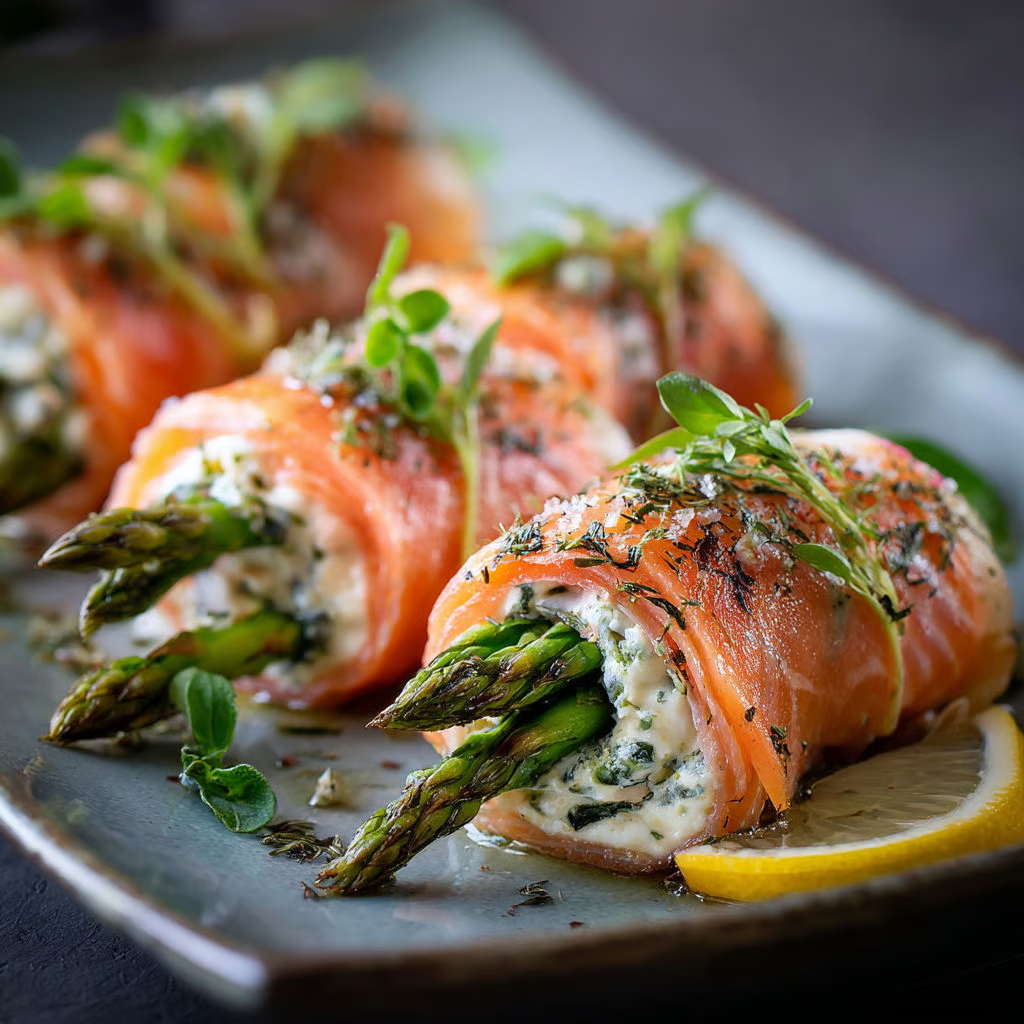
These salmon rolls offer a perfect harmony of flavors and textures that make each bite interesting. The salmon itself becomes incredibly tender and flaky, with the rolling technique creating layers that seem to melt apart as you eat. The lemon provides a bright, citrusy note that cuts through the richness of the fish, while the basil adds an earthy, aromatic quality that complements rather than overwhelms the delicate salmon flavor.
The herb mixture creates pockets of concentrated flavor throughout each roll, so you get bursts of garlic, basil, and lemon with every forkful. The outside of the salmon develops a light golden crust that gives way to the moist, perfectly cooked interior. When you add a small dollop of the lemon herb butter, it melts over the warm fish and amplifies all the existing flavors while adding a creamy richness.
The texture contrast is particularly satisfying—the firm yet tender salmon against the aromatic herb filling creates an experience that feels both elegant and comforting. Each slice reveals the beautiful spiral pattern of the filling, making the presentation as appealing as the taste.
Tips & Variations
The key to success with this recipe lies in a few important details. First, make sure your salmon fillets are relatively similar in size so they cook evenly. If you’re working with a large piece of salmon, you can cut it into portion-sized pieces before flattening. When pounding the fish, use gentle, even strokes to avoid tearing the flesh.
For those following specific dietary needs, this recipe adapts beautifully. To make it dairy-free, simply skip the herb butter and serve with extra lemon wedges and a drizzle of good olive oil. The recipe is naturally gluten-free and keto-friendly, making it suitable for various eating plans.
If fresh basil isn’t available, you can substitute with other fresh herbs. Dill works particularly well with salmon and creates a more Scandinavian flavor profile. Fresh thyme or oregano also work, though use about half the amount since these herbs are more potent. Avoid dried herbs in the filling as they don’t distribute as evenly and can taste dusty.
For a spicier version, add a pinch of red pepper flakes to the herb mixture. If you enjoy Mediterranean flavors, try adding a tablespoon of chopped sun-dried tomatoes or a few capers to the filling. Both add bursts of umami that complement the salmon beautifully.
The cooking method can be adapted based on your preferences and equipment. These rolls work wonderfully on the grill—just oil the grates well and cook over medium heat for about the same amount of time, turning once halfway through. You can also pan-sear them in a cast-iron skillet with a little oil, then finish in the oven.
Storage & Make-Ahead
These salmon rolls are best enjoyed fresh from the oven, but they can be prepared ahead of time for easier entertaining. You can assemble the rolls completely, including securing with toothpicks, up to 4 hours before cooking. Simply cover them with plastic wrap and refrigerate until ready to bake. This actually allows the flavors to meld together even more.
If you have leftovers, store them in the refrigerator for up to 2 days. To reheat, place them in a 350°F oven for about 8-10 minutes, or until warmed through. Avoid using the microwave as it can make the salmon tough and rubbery.
The lemon herb butter can be made up to 3 days ahead and stored in the refrigerator. Let it come to room temperature before serving, or you can melt it gently and drizzle it over the warm salmon rolls.
While these rolls can be frozen, the texture of the salmon changes somewhat after freezing and thawing, so I recommend enjoying them fresh when possible. If you do freeze them, wrap each roll individually in plastic wrap and use within one month.
Serving Suggestions
These salmon rolls pair beautifully with a variety of sides that complement their fresh, herbaceous flavors. Roasted vegetables like asparagus, Brussels sprouts, or baby potatoes work particularly well. The earthy flavors of roasted vegetables provide a nice contrast to the bright citrus notes in the salmon.
For a lighter approach, serve the rolls over a bed of mixed greens dressed with a simple lemon vinaigrette, or alongside a cucumber and tomato salad. The fresh, crisp vegetables echo the bright flavors in the fish while keeping the meal feeling light and balanced.
Rice dishes make excellent companions—try serving with wild rice pilaf, lemon herb rice, or even a simple coconut rice for a more tropical twist. The grains help soak up any delicious juices from the salmon and the herb butter.
For wine pairings, look for something that won’t overpower the delicate flavors. A crisp white wine like Sauvignon Blanc or Pinot Grigio works beautifully, as does a light rosé. If you prefer red wine, choose something light like a Pinot Noir served slightly chilled.
Consider garnishing each plate with a few microgreens, a lemon wedge, and a sprig of fresh basil. This not only looks professional but also gives diners the option to add extra lemon or herb flavor to their liking.
FAQ
Can I use frozen salmon for this recipe? Yes, but make sure to thaw it completely and pat it very dry before preparation. Frozen salmon tends to release more moisture, so you might want to let the thawed fillets sit on paper towels for 10-15 minutes before flattening them. The texture will be slightly different from fresh salmon, but the recipe will still work well.
What if my salmon fillets are too thick to roll easily? If your fillets are particularly thick, you can make deeper horizontal cuts (butterflying) before pounding them flat. Cut about 2/3 of the way through the thickest part of the fillet, then open it like a book before flattening. This technique gives you more surface area to work with and ensures even cooking.
Can I prepare these without toothpicks? While toothpicks make the process much easier, you can secure the rolls with kitchen twine instead. Tie the twine around each roll in 2-3 places, making sure not to tie too tightly. Remove the twine before serving, just as you would with toothpicks.
How do I know when the salmon is perfectly cooked? The salmon is done when it flakes easily with a fork and has lost its translucent appearance throughout. The internal temperature should reach 145°F (63°C). If you notice the rolls browning too quickly on top, you can tent them with foil for the last few minutes of cooking.
What can I do if the filling starts to leak out during cooking? A small amount of leakage is normal and actually creates delicious crispy bits on the pan. If you’re concerned about too much leakage, make sure you’re not overfilling the rolls and that your toothpicks are secure. You can also place the rolls seam-side down for the first half of cooking, then carefully flip them.
Can I double this recipe for a larger group? Absolutely! This recipe scales up easily. Just make sure you have enough baking sheet space, or use two sheets and rotate them halfway through cooking for even results. You might need to add 2-3 minutes to the cooking time if your oven is very full.
These lemon basil salmon rolls have become one of my most requested recipes, and I think you’ll understand why once you try them. There’s something special about the way the herbs and citrus work together with the salmon, creating a dish that feels both sophisticated and approachable. The best part is watching your family or guests take that first bite and see their faces light up—it happens every single time.
Don’t be intimidated by the rolling technique if you’ve never done it before. Like most cooking skills, it gets easier with practice, and even if your first attempt isn’t picture-perfect, it will still taste incredible. The important thing is to have fun with it and enjoy the process of creating something beautiful and delicious in your own kitchen.