Follow Me On Social Media!

How to Make Authentic Italian Sfogliatelle: The Ultimate Guide to Naples’ Famous Shell Pastries.

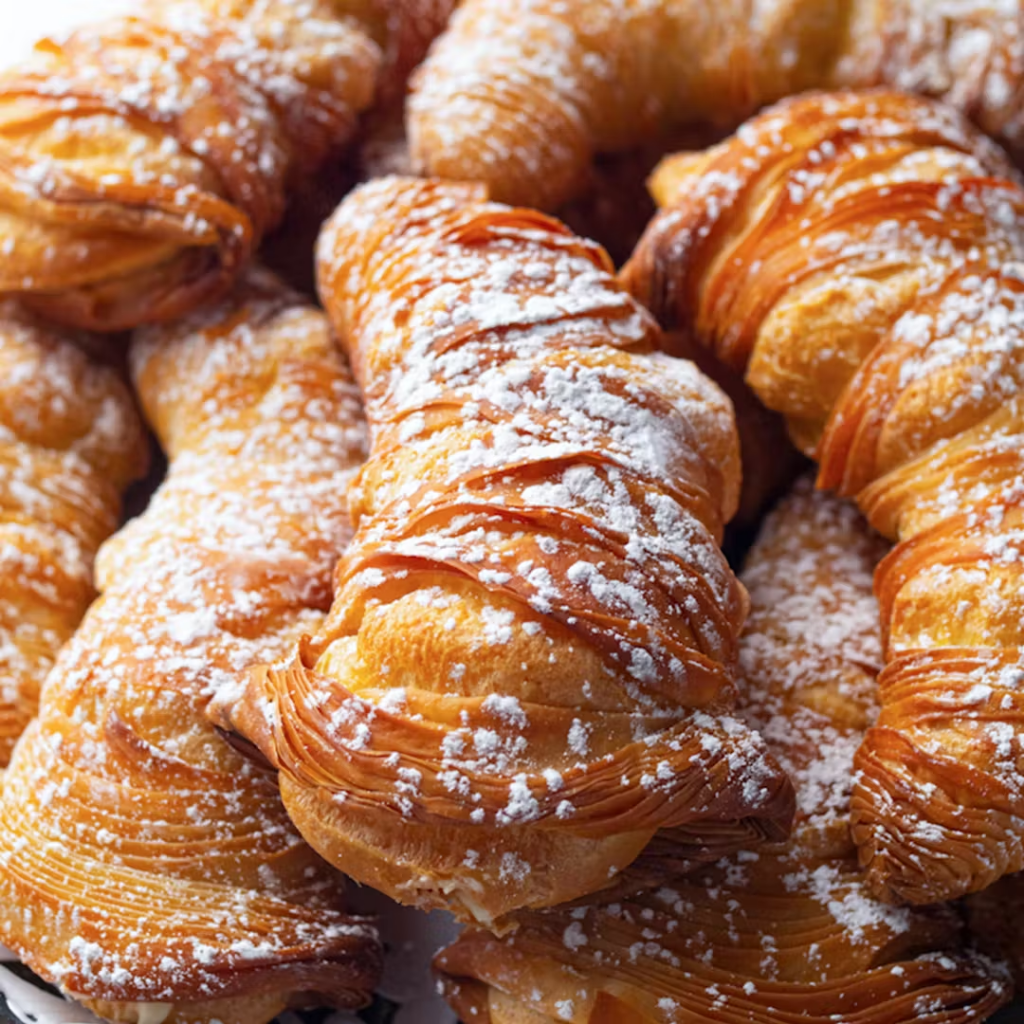
There’s something magical about walking through the narrow streets of Naples at dawn, when the first batch of sfogliatelle emerges from neighborhood bakeries. The aroma of butter, ricotta, and orange zest mingles with the morning air, and locals queue up for their daily dose of these iconic shell-shaped pastries. Sfogliatelle—pronounced “sfo-lya-TEL-leh”—translates to “little leaves,” a fitting name for these crispy, layered beauties that shatter at first bite to reveal a creamy, citrus-scented filling.
Making authentic Italian sfogliatelle at home is both an art and a labor of love. This traditional Neapolitan pastry has been perfecting palates since the 18th century, when monks at the Convent of Santa Rosa first created these flaky wonders. Today, we’re bringing this time-honored technique to your kitchen, complete with all the secrets that make sfogliatelle truly exceptional.
The beauty of homemade sfogliatelle lies in their contrast—paper-thin, buttery layers that crackle and flake, surrounding a rich filling that balances sweet ricotta with bright citrus notes. While the process requires patience, the result is incomparably better than anything you’ll find outside of Italy. Each pastry becomes a small celebration, perfect with your morning espresso or as the grand finale to a special dinner.
Ingredients
For the Dough:
- 2 cups (250g) all-purpose flour, plus extra for dusting
- 1/2 teaspoon salt
- 2 tablespoons granulated sugar
- 2 large eggs
- 2 tablespoons olive oil
- 1/4 cup warm water
- 8 tablespoons (115g) unsalted butter, softened
For the Ricotta Filling:
- 1 pound (450g) whole milk ricotta cheese, well-drained
- 1/2 cup granulated sugar
- 1 large egg
- 1 large egg yolk
- 1/4 cup semolina flour
- Zest of 1 large orange
- Zest of 1/2 lemon
- 1 teaspoon vanilla extract
- 1/4 teaspoon ground cinnamon
- Pinch of salt
- 2 tablespoons candied orange peel, finely chopped (optional)
For Assembly:
- 1 egg beaten with 1 tablespoon water for egg wash
- Powdered sugar for dusting
Instructions
Begin by preparing the dough, which forms the foundation of perfect sfogliatelle. In a large mixing bowl, whisk together flour, salt, and sugar. Create a well in the center and add eggs, olive oil, and warm water. Using a fork, gradually incorporate the flour into the wet ingredients until a shaggy dough forms. Turn the mixture onto a clean work surface and knead for about 8-10 minutes until the dough becomes smooth and elastic. The dough should feel slightly tacky but not sticky—add a sprinkle of flour if needed.
Wrap the dough tightly in plastic wrap and let it rest at room temperature for at least 30 minutes. This resting period allows the gluten to relax, making the dough easier to roll paper-thin later.
While the dough rests, prepare the ricotta filling. If your ricotta seems watery, place it in a fine-mesh strainer lined with cheesecloth and let it drain for 20 minutes. In a medium bowl, combine the drained ricotta with sugar, whole egg, egg yolk, semolina flour, orange zest, lemon zest, vanilla, cinnamon, and salt. Whisk until completely smooth and well combined. Fold in the candied orange peel if using. Cover and refrigerate while you work on the dough layers.
Now comes the most crucial step: creating the ultra-thin layers that give sfogliatelle their signature texture. Divide your rested dough into 8 equal portions. Working with one piece at a time, roll each portion into a paper-thin rectangle, approximately 12 inches long and 8 inches wide. The dough should be so thin you can almost see through it—don’t worry if it tears slightly, just patch it together.
Brush each sheet lightly with softened butter, leaving a small border around the edges. Starting from the long side, roll the dough into a tight log, creating as many layers as possible. Repeat this process with all dough portions, then wrap each log individually and refrigerate for at least 2 hours or overnight.
When ready to assemble, preheat your oven to 400°F (200°C). Remove the dough logs from the refrigerator and cut each one into 1-inch thick rounds. You should have approximately 24 pieces. Take each round and gently stretch it from the center, creating a cone shape with your thumbs. The layers should separate naturally, forming a shell-like pocket perfect for holding the filling.
Fill each pastry shell with about 2 tablespoons of ricotta mixture, being careful not to overstuff. The filling should sit comfortably in the cone without spilling over the edges. Place the filled sfogliatelle on parchment-lined baking sheets, leaving space between each pastry.
Brush the exposed dough surfaces with egg wash, which will give the finished pastries their beautiful golden color. Bake for 20-25 minutes, rotating the pans halfway through, until the sfogliatelle are deeply golden and crispy. The layers should separate and become beautifully flaky.
Flavor & Texture Notes
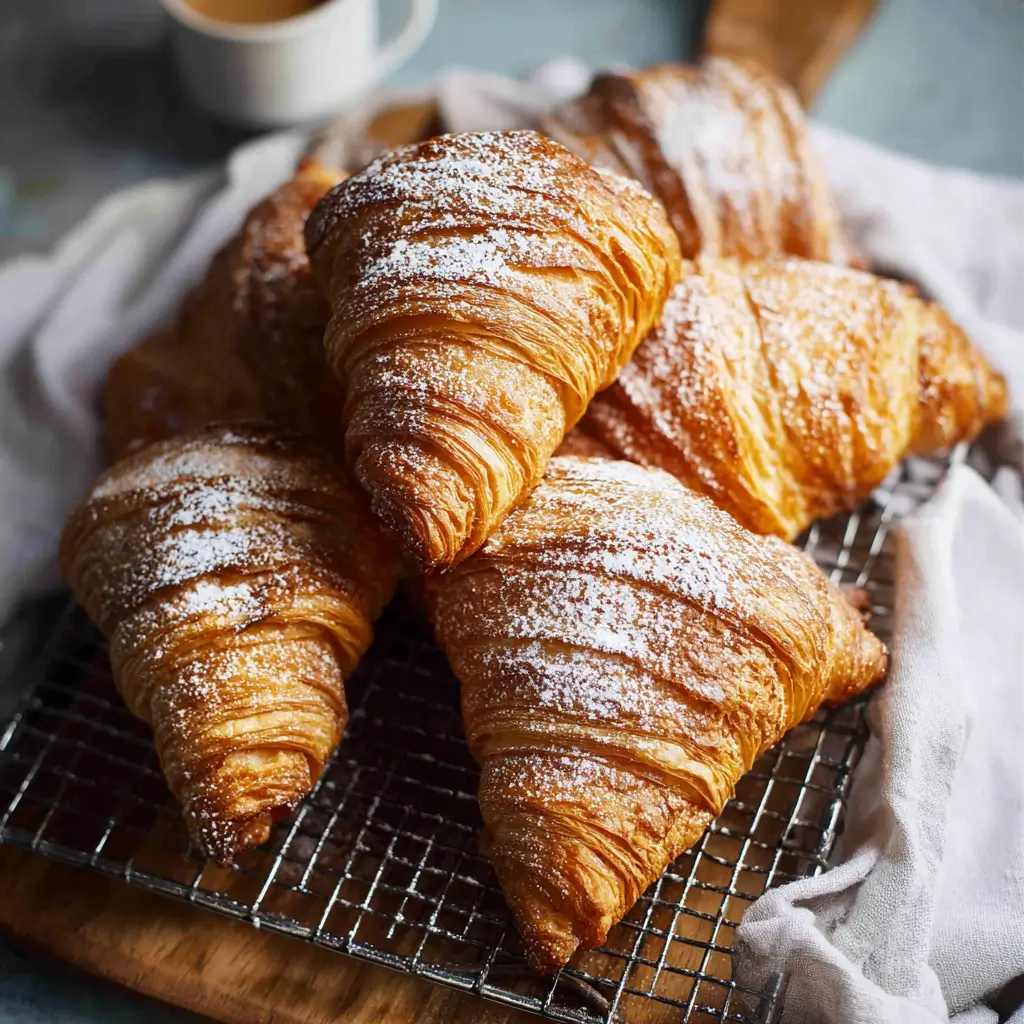
Perfectly executed sfogliatelle offer an extraordinary sensory experience that explains why they’ve remained virtually unchanged for centuries. The exterior provides an initial crunch that gives way to countless delicate, buttery layers. Each bite releases a subtle richness from the laminated dough, while the filling delivers a creamy contrast with its mild sweetness and bright citrus notes.
The ricotta filling should taste clean and fresh, never heavy or overly sweet. The orange and lemon zest provide aromatic lift without overwhelming the delicate cheese flavor, while the hint of cinnamon adds warmth and complexity. The semolina flour gives the filling body and prevents it from becoming watery during baking.
The texture contrast is what makes sfogliatelle special—the way the crisp exterior shatters to reveal the smooth, cool filling creates a satisfying interplay that keeps you reaching for another bite. When properly made, each pastry should feel light despite its rich components, with layers so thin they seem to dissolve on your tongue.
Tips & Variations
Success with sfogliatelle depends on mastering a few key techniques. First, ensure your dough is rolled thin enough—if you can’t see your hand through it, keep rolling. The butter layers should be even but not so thick that they dominate the delicate dough texture.
For the filling, always use high-quality whole milk ricotta and drain it well to prevent soggy bottoms. If you can’t find good ricotta, try making your own by heating whole milk with lemon juice and straining the curds.
Temperature control matters significantly throughout the process. Keep the dough logs well-chilled so they hold their shape when sliced, but allow them to soften slightly before shaping to prevent cracking. If working in a warm kitchen, refrigerate the shaped pastries for 15 minutes before baking.
For flavor variations, try adding finely chopped pistachios to the filling, or replace some of the orange zest with lime for a more tropical twist. Some bakers add a tablespoon of rum or amaretto to the ricotta mixture for extra depth.
If you’re short on time, you can prepare the dough logs up to three days ahead and refrigerate them, or freeze them for up to a month. The filling can be made a day in advance and kept covered in the refrigerator.
Storage & Make-Ahead
Fresh sfogliatelle are best enjoyed the day they’re baked, ideally within a few hours of coming out of the oven. The contrast between crispy exterior and creamy filling is at its peak when the pastries are still slightly warm.
If you need to store them, place cooled sfogliatelle in an airtight container at room temperature for up to two days. Before serving, crisp them briefly in a 350°F oven for 3-4 minutes to restore some of their flaky texture.
For make-ahead preparation, you can assemble the unfilled pastry shells and freeze them on baking sheets. Once frozen solid, transfer to freezer bags for up to three months. Thaw completely before filling and baking, adding an extra 2-3 minutes to the baking time.
The ricotta filling can be prepared up to two days ahead and refrigerated. Give it a gentle stir before using, as the ingredients may separate slightly during storage.
Serving Suggestions
Sfogliatelle shine brightest when served simply, allowing their intricate flavors and textures to take center stage. Present them slightly warm on individual plates with a light dusting of powdered sugar and a small cup of strong Italian espresso or cappuccino.
For an elegant dessert presentation, serve sfogliatelle alongside fresh berries and a drizzle of honey, or pair them with a small scoop of lemon gelato that echoes the citrus notes in the filling. The temperature contrast works beautifully.
During warmer months, consider serving them with sparkling Prosecco for a festive Italian-inspired brunch. The bubbles complement the rich, flaky pastry while cleansing the palate between bites.
For special occasions, arrange sfogliatelle on a tiered serving stand alongside other Italian pastries like cannoli or biscotti to create an authentic dolci spread that would make any nonna proud.
FAQ
How do I know if my dough is thin enough? The dough should be nearly transparent—you should be able to see your hand through it. If it tears while rolling, simply patch it with a small piece from the edge and continue. Don’t worry about small imperfections; they won’t affect the final result.
Why did my sfogliatelle turn out tough instead of flaky? This usually happens when the dough isn’t rolled thin enough or when there isn’t enough butter between the layers. Make sure each sheet is paper-thin and that you’re using enough softened butter to create distinct layers.
Can I use part-skim ricotta instead of whole milk ricotta? While you can substitute part-skim ricotta, the filling will be less rich and creamy. If using part-skim, add an extra egg yolk to compensate for the reduced fat content and ensure the filling sets properly.
My filling is too runny. What went wrong? Runny filling usually results from using ricotta that wasn’t drained properly or from overmixing. Always drain ricotta in a fine-mesh strainer for at least 20 minutes before using, and mix the filling just until combined.
How far in advance can I shape the pastries? You can shape filled sfogliatelle up to 4 hours ahead and refrigerate them before baking. Cover them loosely with plastic wrap to prevent drying out, and add 2-3 extra minutes to the baking time if baking directly from the refrigerator.
Making authentic sfogliatelle connects you to centuries of Italian baking tradition, transforming simple ingredients into something truly spectacular. Yes, they require patience and practice, but every moment spent creating these delicate pastries pays off when you taste that first perfect bite. The combination of flaky, buttery layers and creamy, citrus-scented filling represents everything beautiful about Italian pastry making—simple techniques, quality ingredients, and a whole lot of love. Roll up your sleeves, take your time, and prepare to create something that would make any Neapolitan baker proud.